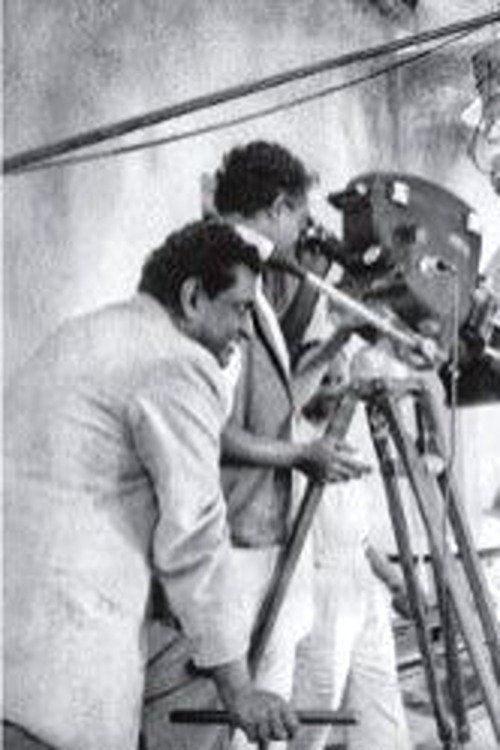
Nityananda Datta
Directing
Biography
Nityananda Datta is an Indian film-maker who is originally from Chittagong, Bangladesh. Datta ( Aug 13, 1933 - May 14, 2020) is best known for his work with Satyajit Ray as his assistant director. This body of work includes his support of some of Ray's most renowned works depicting life and struggles of people in Calcutta and West Bengal, including Charulata, Aparajito, Kanchenjungha, Devi, The World of Apu, and Jalsaghar. Later in his career, Dutta also directed his own features, including Baksa Badal (1970) and Hathat Dekha (1967). After relocating to Bombay, Dutta supported film-maker Hrishikesh Mukherjee as associate director in several more films. He also worked on several documentary films sponsored by Doordarshan between 1977 - 1983.
Known For
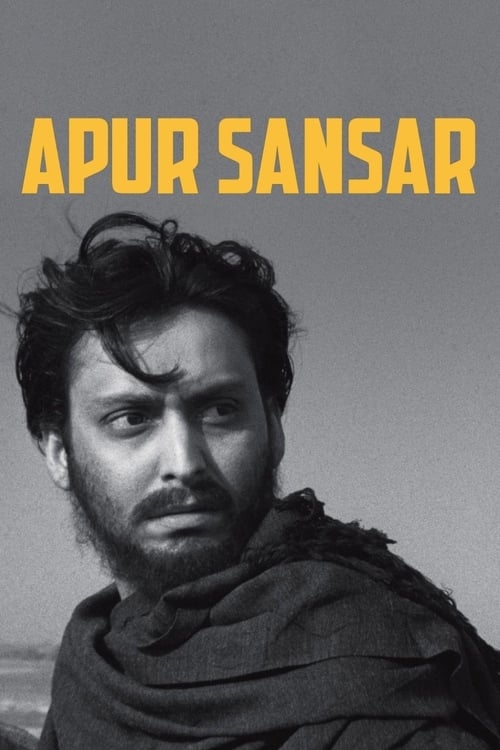
Apu, now a jobless ex-student dreaming vaguely of a future as a writer, is invited to join an old college friend on a trip up-country to a village wedding.
The World of Apu
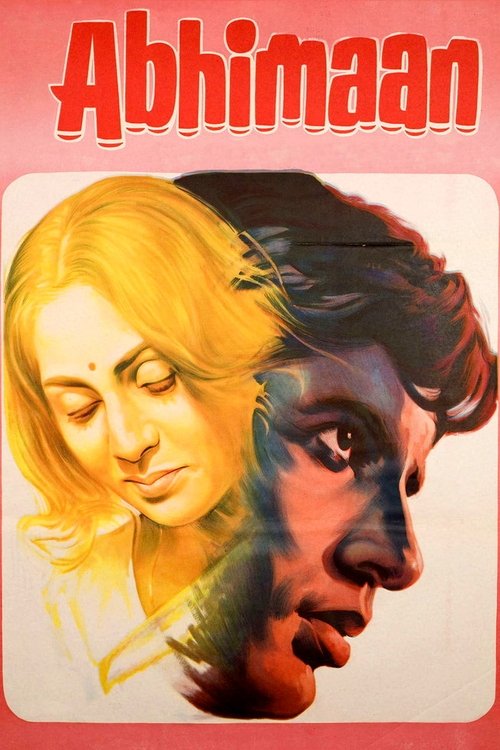
A popular singer encourages his wife to sing, but tensions mount between the pair when his career begins to falter and her own musical career and popularity surpasses his own.
Abhimaan
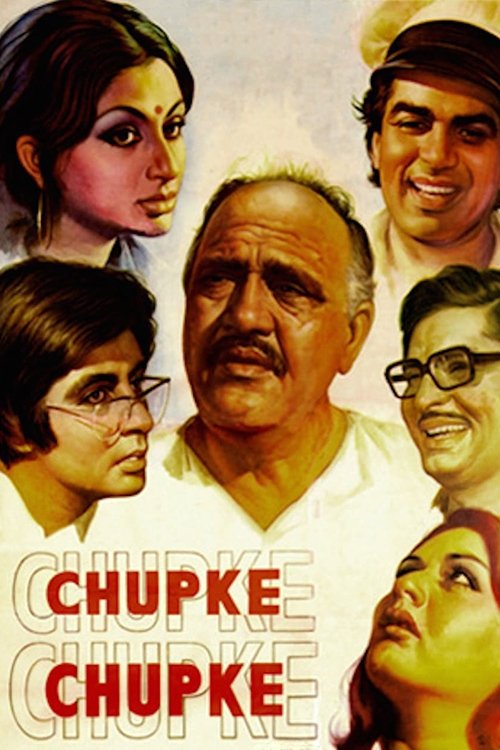
Sulekha is in awe of her brother-in-law Raghavendra for his intelligence. Parimal, her husband, decides to take up the challenge of fooling Raghavendra and goes to work for him as a driver.
Chupke Chupke
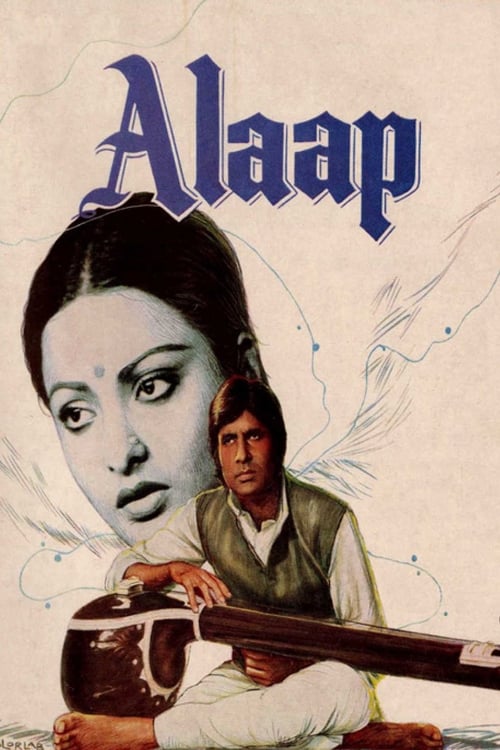
Dedicated to the memory of the great singers K. L. Saigal and Mukesh, this charming and unpretentious film offers a palate-cleansing change from the spicy “masala” epics that dominated its era, and features their superstar Amitabh Bachchan in a decidedly offbeat role.
Alaap
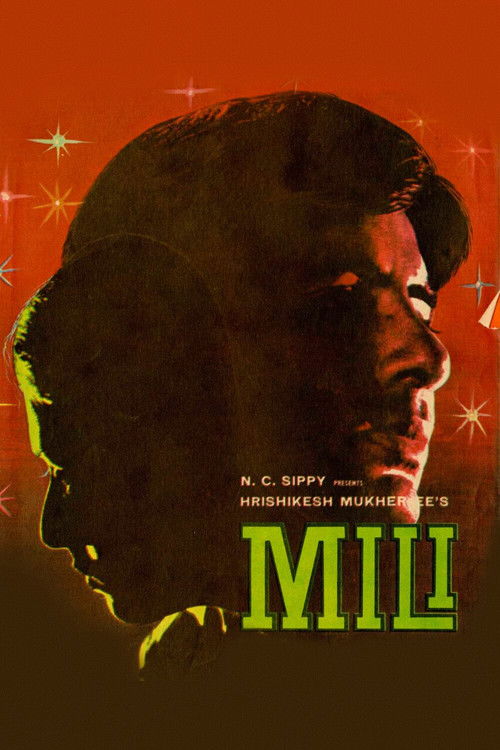
Shekhar, who has moved into a new neighborhood, is unhappy with his new surroundings. He resents the noise children make while playing, as he prefers quiet and solitude. His reclusion is shattered when his neighbor, Mili, comes into his life. At first he hates the intrusion, but then grows fond of and ultimately falls in love with her. But when the time comes for him to propose to this sunny, cheerful, and positive young lady, he learns that she has only a few more months to live.
Mili

An aging, decadent landlord’s passion for music becomes the undoing of his legacy as he sacrifices his wealth in order to compete with the opulent music room of his younger, richer neighbour.
The Music Room

A devout upper-class Hindu has a vision in a dream that his daughter-in-law is the human incarnation of the Goddess Kali and begins worshipping her.
Devi

Three stories with three central female characters linking the stories together. The first one concerns an orphan girl who grows attached to the postmaster she is caring for after he teaches her to read and write. The second one is a supernatural tale about a woman obsessed with the jewels her husband buys for her. The final one follows a young man who falls for an unconventional girl from his new village instead of his arranged bride, the daughter of a respectable family.
Three Daughters
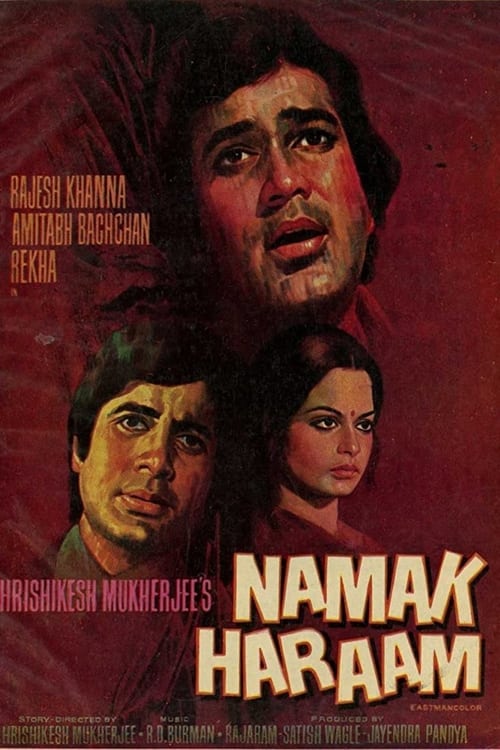
Somu and Vicky decide to exact revenge on the union leader, Bipinlal Pandey. However, when Somu understands the plight of the workers, it creates a rift between the two friends.
Namak Haraam
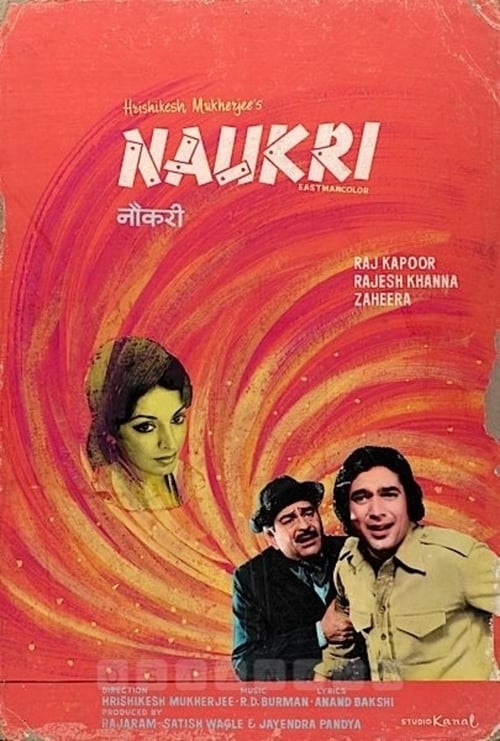
A disabled man who can't support his family contemplates committing suicide. However, a mysterious figure appears who forces him to reflect on his life.
Naukri
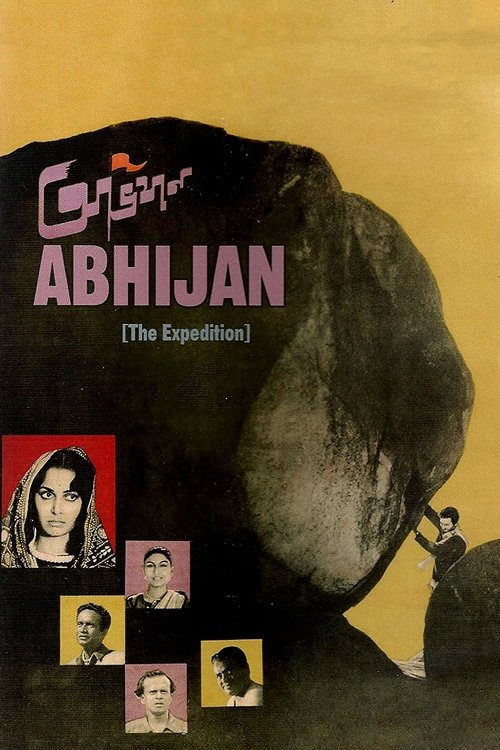
Narsingh, a North Indian taxi driver, attempts to reinvent his life by visiting his native place, but instead gets embroiled in a local Marwari businessman's smuggling and human trafficking business.
The Expedition
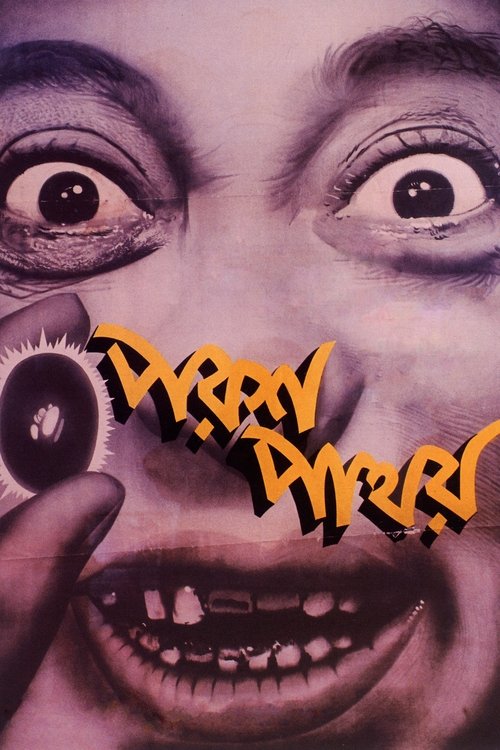
A middle-aged bank clerk happens on a stone with alchemical properties, allowing him to turn steel into gold.
The Philosopher's Stone
Played out in real time, several complex family dramas intersect in the landscape of the Himalayan foothills, allowing the Bengali auteur to examine the class and generational differences of postcolonial India while celebrating the hopes of a society in transition.
Kanchenjungha
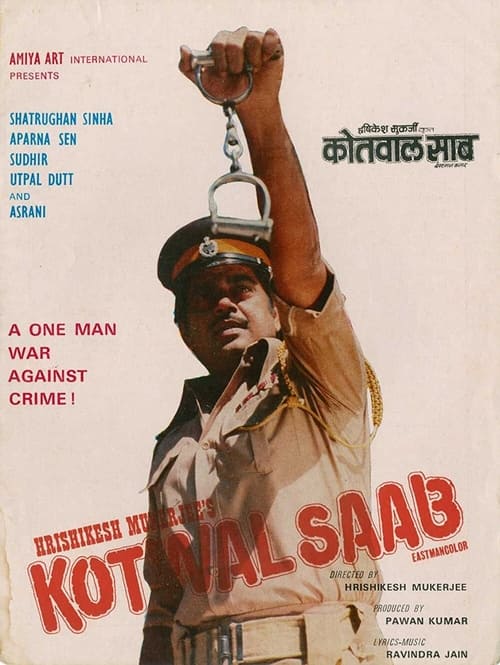
No description available.
Kotwal Saab
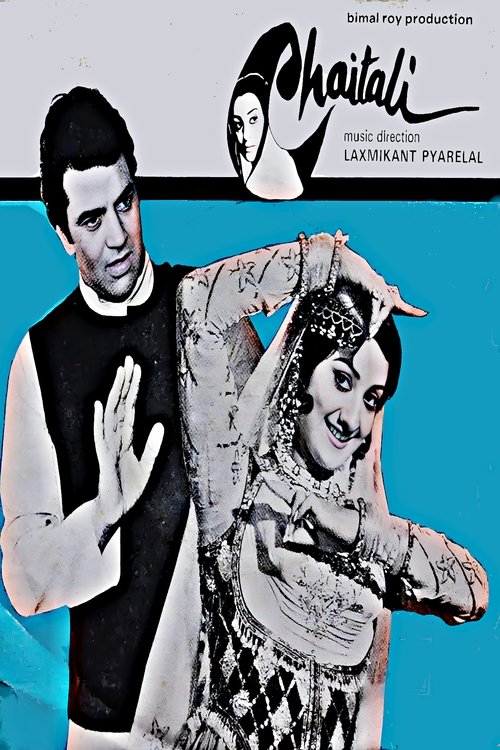
Based on the Bengali novel of the same name by Bengali writer Ashapoorna Devi
Chaitali

The luggage of Dr. Pratul and Minu get swapped during a train journey. When Dr. Pratul, who is a psychiatrist, looks into the luggage, he develops a keen interest in knowing more about Minu.
Baksa Badal

Hathat Dekha is a 1967 Bengali comedy-drama film directed by Nityananda Datta. The film featured Soumitra Chatterjee, Sandhya Roy, and Jahor Roy in the lead roles.