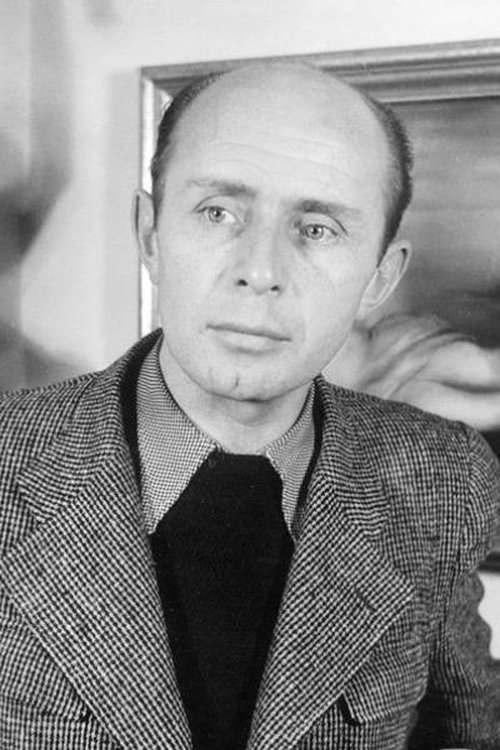
Václav Krška
Directing
Known For
No description available.
William Shakespeare: Monology
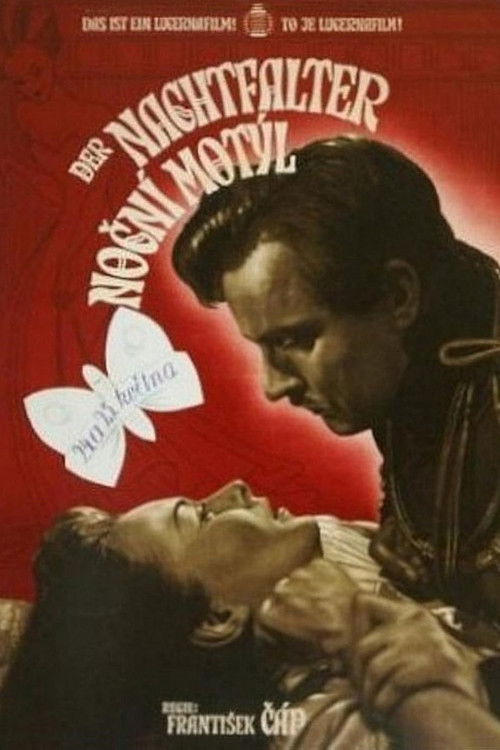
Marta Dekasová works as a governess in a garrison town. The beautiful girl is the center of attention of many men, but she only desires Lieutenant Varga, who is married and rejects her. Desperate, Marta throws herself into the arms of the most intrusive of her suitors, and is then dismissed in disgrace. She goes to Prague to live with her friend Kiki, becomes a bar singer, and continues her journey down the sloping surface. Hope for a new life dawns on her when a young student falls in love with her, but just then Varga appears in the bar and rekindles her unquenched feelings...
Nocturnal Butterfly
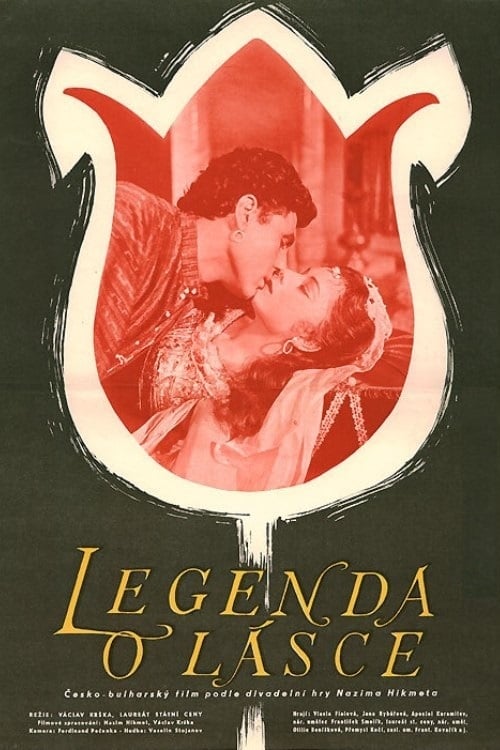
A spring is hidden in the Iron Mountain but the people of Arzen cannot get to it and they are suffering from thirst.
Legend of Love
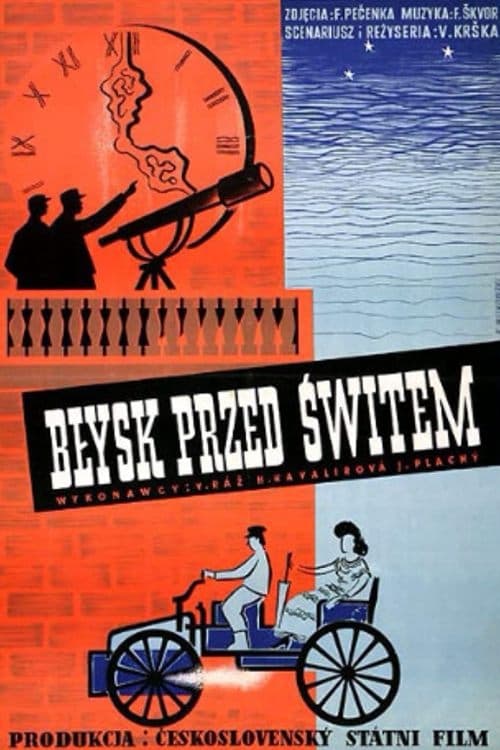
A biographical film about a Czech mechanic and designer who was the first in the Czech lands to construct a steam car.
Posel úsvitu
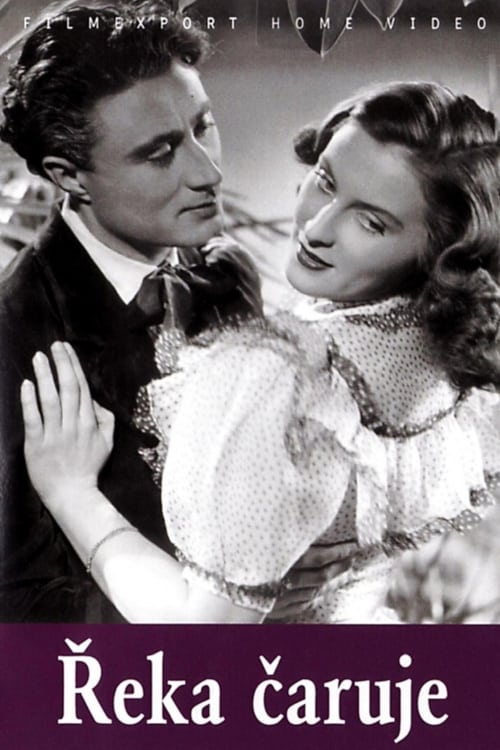
Leopold Kohák married a rich widow a long time ago and now has nothing to do compared to his energetic wife. He's growing old and troubled by the fact that he betrayed his first love Emča and his beloved river Sázava where he spent his childhood and youth. A visit from an old friend Lebeda brings it all back to him. After a nervous breakdown Leopold secretly visits his home instead of going to the spa. A wandering tramp suggest Leopold should bathe in the magical waters of the Sázava, and slowly his youth returns to him.
Magical River
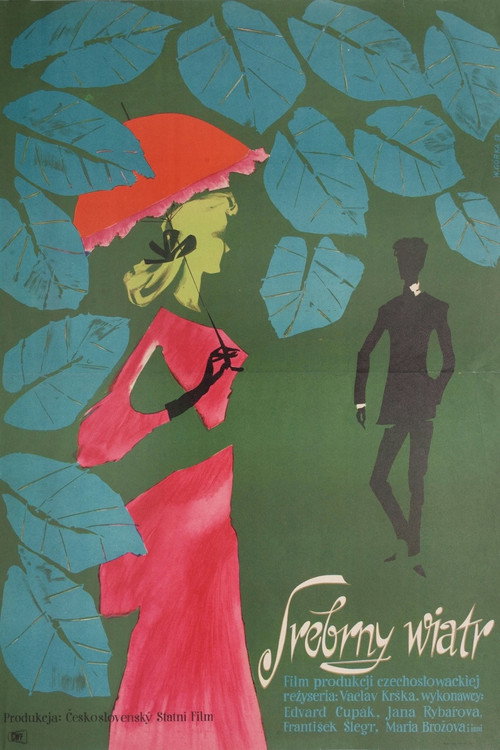
Second half of the 19th century. In a small town in South Bohemia, fifth-former Jan Ratkin is living through the confusions of first love together with his classmates.
Silvery Wind
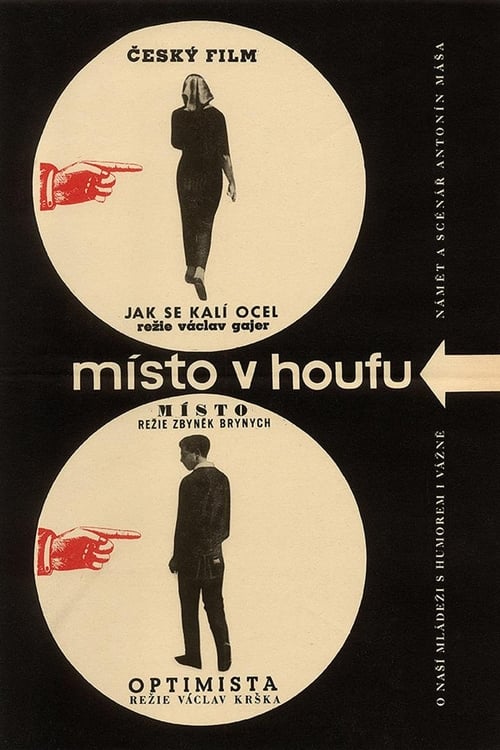
A film in five episodes, all based on an attempt to show the life of young people today, their feelings and relationships, their behaviour in public and private life.
A Place in the Crowd
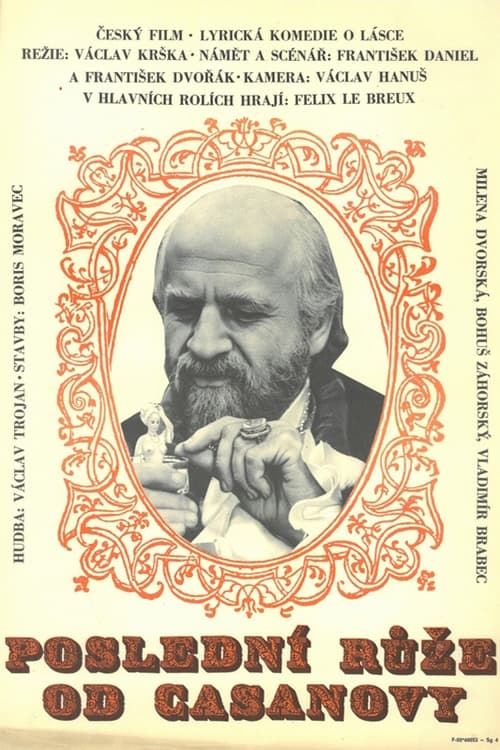
The story takes place at the time when Giacomo Casanova, probably the most famous conqueror of women, held the position of librarian at the Valdštejn castle in Duchcov. He was then a rather bored and grumpy old man who enjoyed only writing his memoirs and then a daily game of cards with the Count. But all that changed when Wallenstein's young nephew František Adam arrived at the chateau with his charming wife Valeria. She wanted to see the famous seducer with her own eyes. However, she was somewhat disappointed by the reality, as well as by the seducer's outdated views on love.
Poslední růže od Casanovy
The Czech revival movement is divided at the end of the first half of the 19th century. While the older generation, such as František Palacký, urges restraint, students lean towards radical positions. A report on the revolutionary events in Paris prompts Czech Prague residents to write down the demands of the Czech nation for self-determination and the proclamation of a constitution. Tensions peak during the All-Slavic Congress in Prague's Žofín. Vienna rejects the Czech demands and the congress is brutally dispersed by the Austrian police. Prague begins to build barricades...
Year of the Revolution 1848
In an unsightly tenement house, the walls of which are as peeling as the souls of the tenants, an old woman waits for her son to return from prison. However, her neighbors believe that she is hiding a large fortune in her tattered suitcase, which she protects like the apple of her eye, and they want to get hold of it at any cost.
Až se vrátíš...
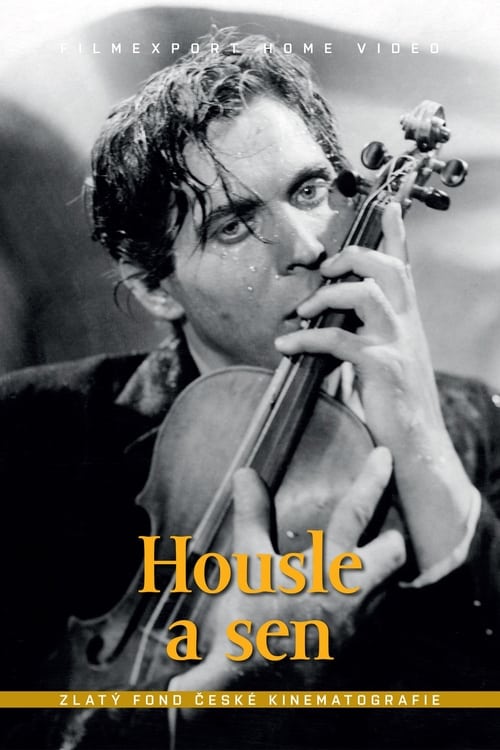
The biographical film about the prematurely deceased violin virtuoso Josef Slavík takes place entirely like a haunting dream, in the mind of a feverish artist who remembers how he amazed Paganini himself with his playing.
Bohemian Rapture
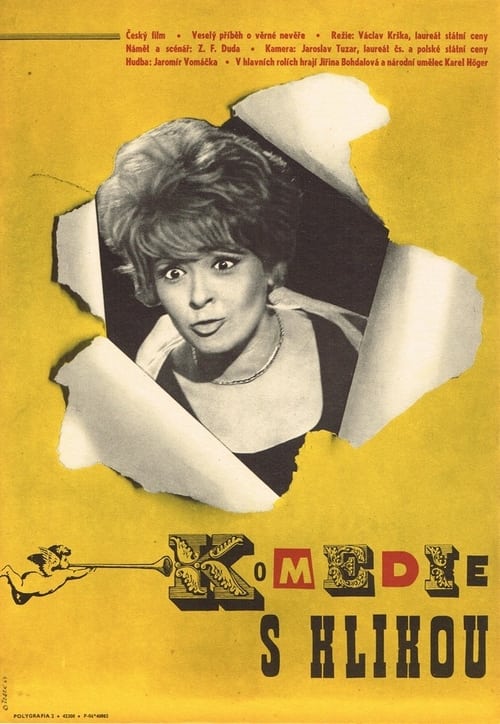
On the train to Prague, the bride-to-be Zuzana Vítová accidentally meets the clerk Dr. Karel Jánský. Upon arriving in Prague, it seems that Jánský follows the girl on her way from the station, but it turns out that the two of them have only a common journey. When Zuzana discovers that her fiancé Petr Klika is not at home and that she has lost the keys to his apartment, Dr. Jánský gallantly helps her and keeps her company until deep into the night...
Komedie s Klikou
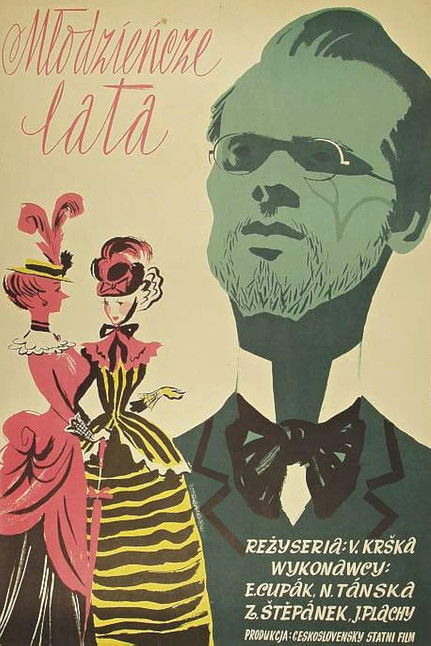
Early Days follows the early life of famous Czech writer Alois Jirásek. Jirásek had already developed his own view of the history of the Czech nation while he was at grammar school in Broumov. When he becomes the supply teach in Litomyšl, he has already written his first book and a number of poems. The local dignitaries await the arrival of the young writer in excited anticipation. Jirásek, however, is sickened by the empty patriotism from the depths of his soul and soon becomes disagreeable to the notables. The district sheriff tries to remove Jirásek from the school and drive him out of town. Unable to do this, the sheriff appoints a pro-Austrian headmaster who attempts to sabotage Jirásek. The students stand behind Jirásek , however, and discontent is not only felt in Litomyšl but throughout Bohemia.
Early Days
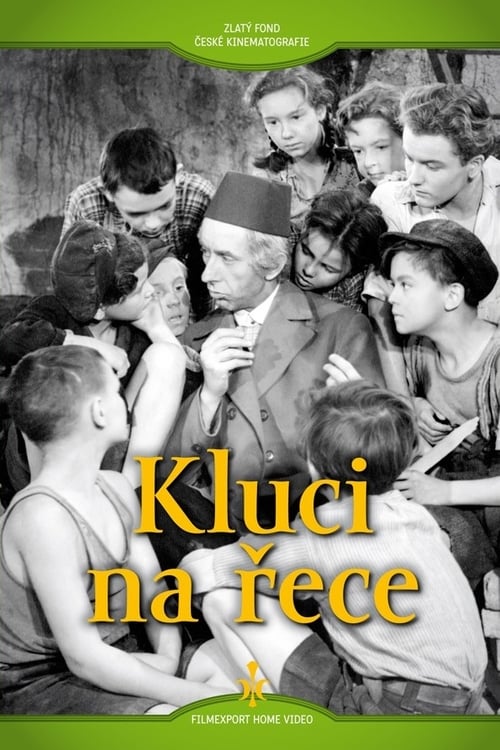
On the banks of the Otava River stands a manor house that a group of boys find very mysterious. After visiting it, the boys discover that there is nothing there but an old lady and her granddaughter. The group splits into two camps and a "pitched" fight ensues, but it doesn't last long.
Kluci na řece

The film, in individual episodes, captures the fate of Bedřich Smetana from 1856 until the end of his life, from his young years until the moment when, exhausted by human and artistic hardship, he sees the fulfillment of his great dream, the opening of the National Theatre.
From My Life
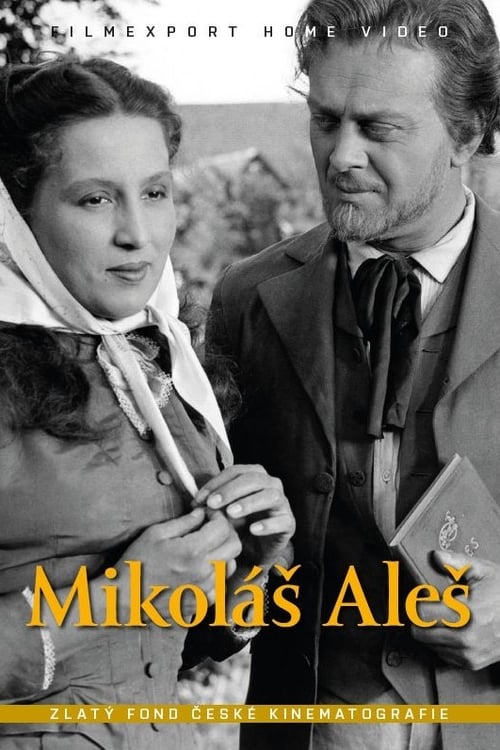
A biographical film about the famous Czech painter Mikoláš Aleš, portrayed as part of the vanguard of the working class and a spokesman for the oppressed, who asserts himself despite the opposing bourgeoisie and reactionaries of all kinds. The film focuses on the period when Mikoláš Aleš participated in the competition to decorate the National Theatre.
Mikoláš Aleš
No description available.
Odcházeti s podzimem
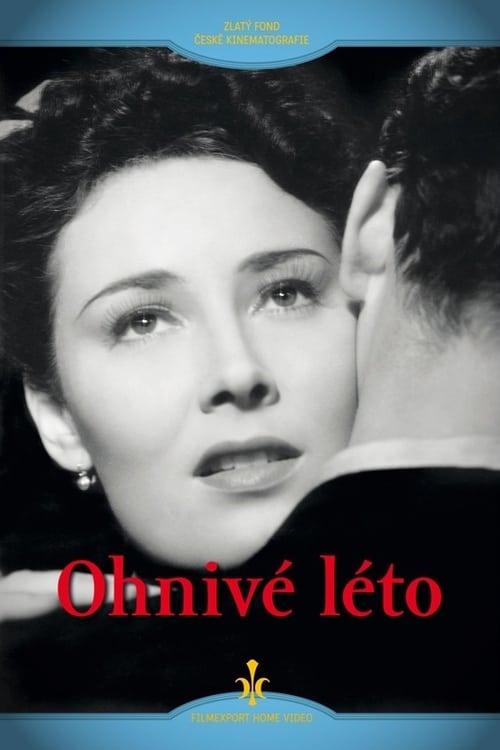
This romantic story turns on a stirring infatuation that takes hold of three young people under the influence of Simon, a Prague student. After the study year, 18 year-old Julio returns to his parental home, a little chateau on the Otava river. There he converges with his childhood friend Petr and the young boatman's daughter Klárka. Sharing her beguilement with Simon, who has quickly turned a tranquil summer atmosphere into a relationship drama, is Julio's cousin Rosa.
Fiery Summer
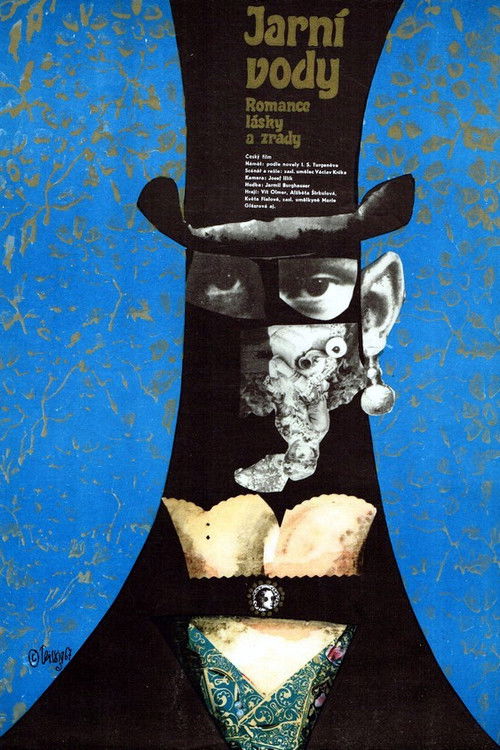
Sanin, an aging Russian nobleman, recalls his unfulfilled love for a simple girl with whom he fell in love during his youthful travels, but left her for a short-lived love affair with a selfish high society beauty.
Jarní vody

Labakan is a lazy tailor's journeyman dreaming of a life of luxury and dresses himself in fancy clothes for the rich emir, and when he sees how respectfully people greet him in the marketplace, he seizes the opportunity that unexpectedly presents itself. For he meets the Sultan's son Omar, who was brought up by the noble Cairo Pasha and is now returning home. Labakan steals the Sultan's dagger, his trademark, and sets out to find him. However, the Sultan's wife recognizes her true son and forces the Sultan to put both men to the test. Both have to prove their skill by sewing a coronation gown, which of course only the real tailor Labakan will be able to do, and so the executioner awaits him. Fortunately, it was all a dream and the foolish young man will make amends in time.