Directing
The Czech revival movement is divided at the end of the first half of the 19th century. While the older generation, such as František Palacký, urges restraint, students lean towards radical positions. A report on the revolutionary events in Paris prompts Czech Prague residents to write down the demands of the Czech nation for self-determination and the proclamation of a constitution. Tensions peak during the All-Slavic Congress in Prague's Žofín. Vienna rejects the Czech demands and the congress is brutally dispersed by the Austrian police. Prague begins to build barricades...
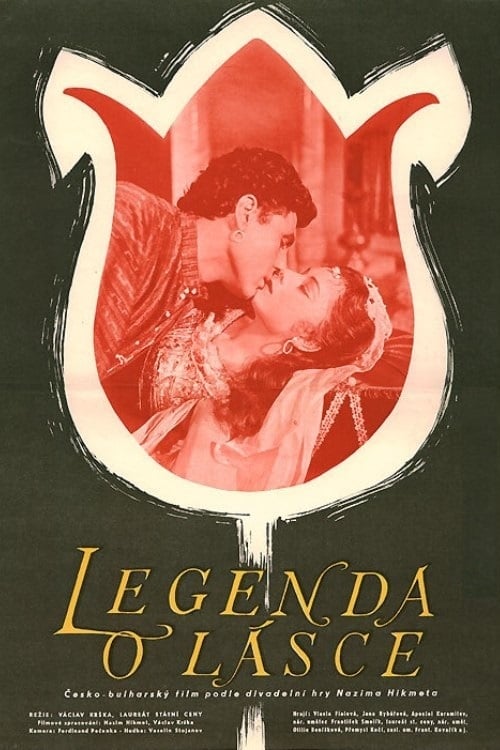
A spring is hidden in the Iron Mountain but the people of Arzen cannot get to it and they are suffering from thirst.
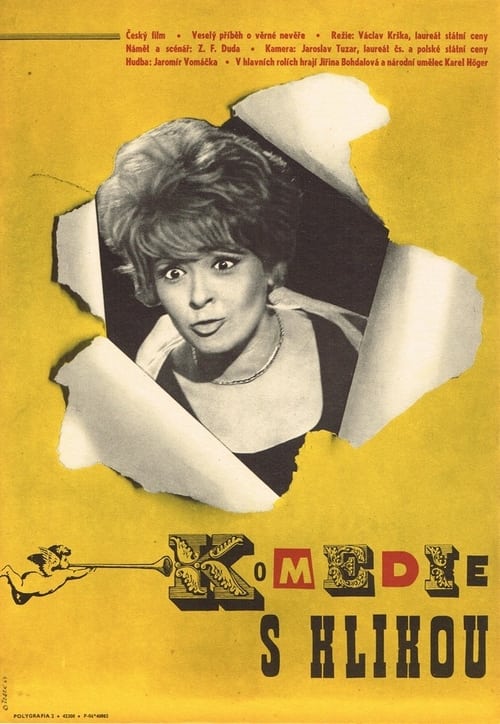
On the train to Prague, the bride-to-be Zuzana Vítová accidentally meets the clerk Dr. Karel Jánský. Upon arriving in Prague, it seems that Jánský follows the girl on her way from the station, but it turns out that the two of them have only a common journey. When Zuzana discovers that her fiancé Petr Klika is not at home and that she has lost the keys to his apartment, Dr. Jánský gallantly helps her and keeps her company until deep into the night...
No description available.
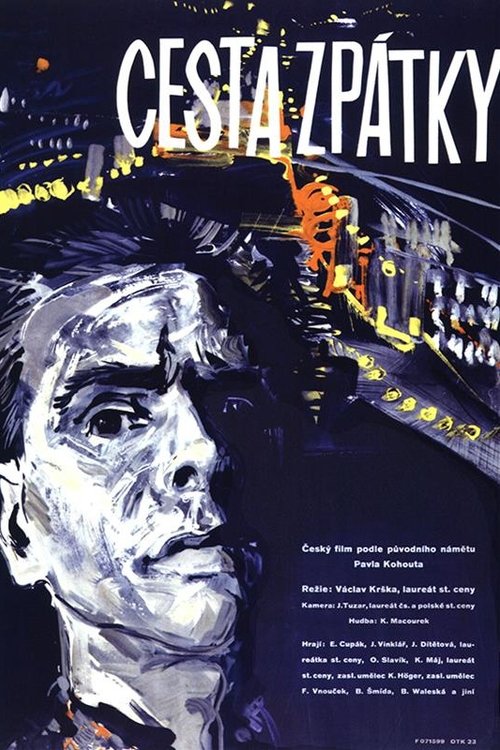
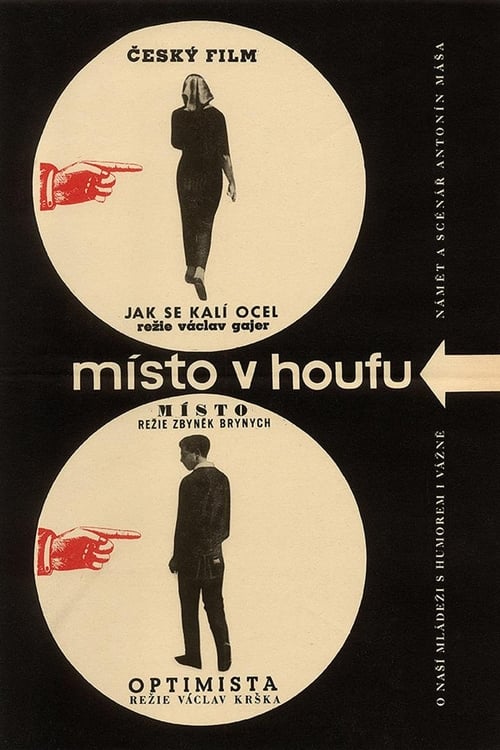
Three young men carry out a failed robbery of the box office of the Blaník cinema in Prague with tragic consequences. Only one of them has a chance to redeem himself.
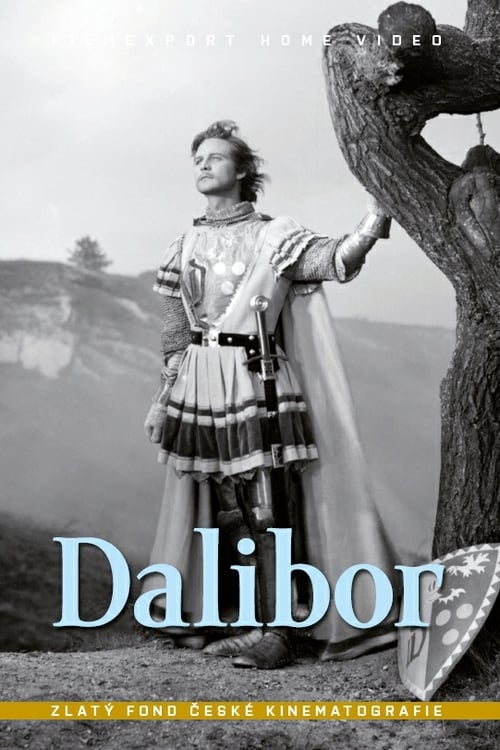
It happened during the reign of King Vladislav Jagiellon: the rebellious knight Dalibor is sentenced to death. An attempt to free him fails. This underappreciated transcription of Smetana's opera surprises with its fresh originality, even compared to much later attempts to translate musical-dramatic works to the screen.
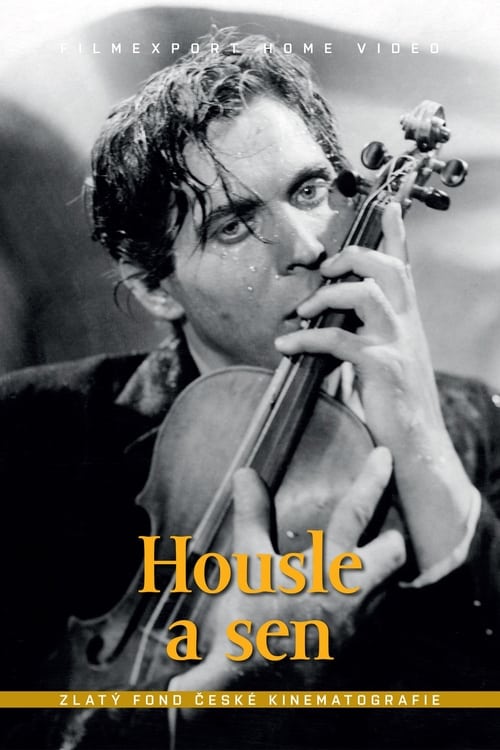
The biographical film about the prematurely deceased violin virtuoso Josef Slavík takes place entirely like a haunting dream, in the mind of a feverish artist who remembers how he amazed Paganini himself with his playing.
The film, in individual episodes, captures the fate of Bedřich Smetana from 1856 until the end of his life, from his young years until the moment when, exhausted by human and artistic hardship, he sees the fulfillment of his great dream, the opening of the National Theatre.
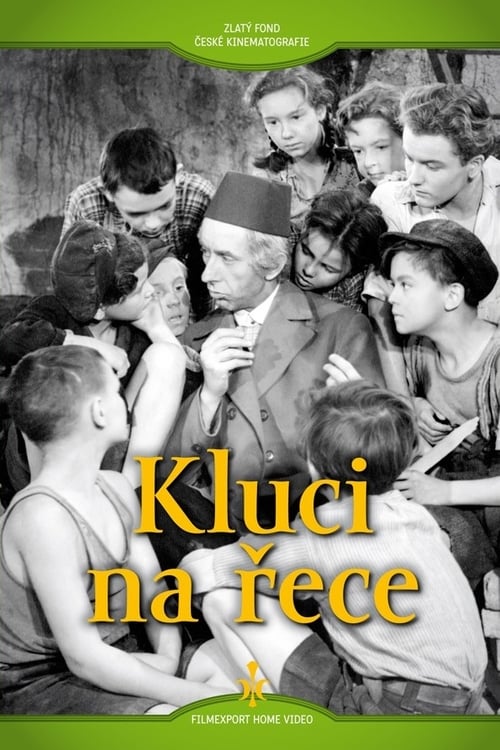
On the banks of the Otava River stands a manor house that a group of boys find very mysterious. After visiting it, the boys discover that there is nothing there but an old lady and her granddaughter. The group splits into two camps and a "pitched" fight ensues, but it doesn't last long.
A look back at old classmates at a high school reunion, discovering how life has fruitlessly slipped through their fingers. And they don't even have a chance to break free from the small-town grip.
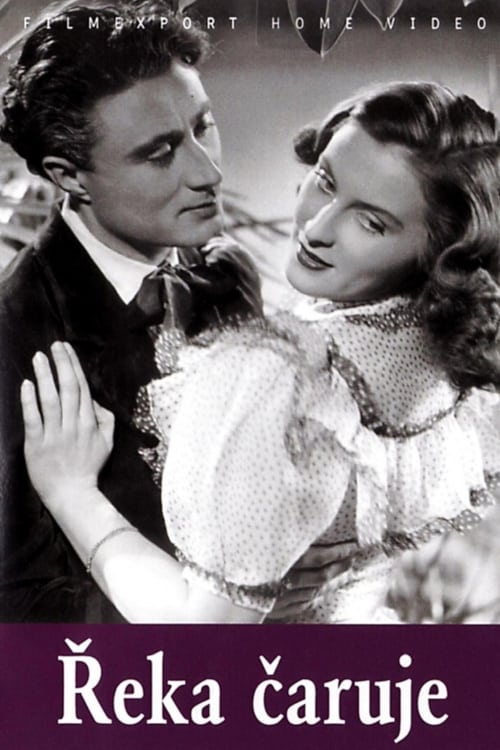
Leopold Kohák married a rich widow a long time ago and now has nothing to do compared to his energetic wife. He's growing old and troubled by the fact that he betrayed his first love Emča and his beloved river Sázava where he spent his childhood and youth. A visit from an old friend Lebeda brings it all back to him. After a nervous breakdown Leopold secretly visits his home instead of going to the spa. A wandering tramp suggest Leopold should bathe in the magical waters of the Sázava, and slowly his youth returns to him.
A biographical film about a Czech mechanic and designer who was the first in the Czech lands to construct a steam car.
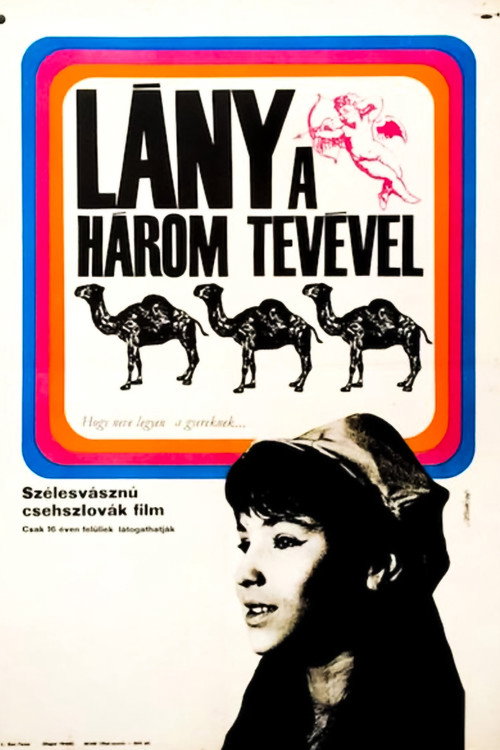
The fates of the women are repeated: the 16-year-old daughter of a 32-year-old mother is also pregnant. Like her mother, the child remains unmarried and fatherless. From him, the girl receives only an exotic postcard with the titular three camels...
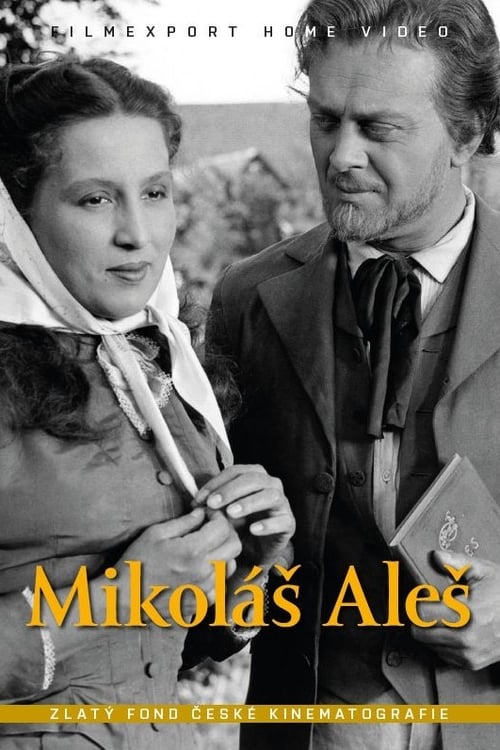
A biographical film about the famous Czech painter Mikoláš Aleš, portrayed as part of the vanguard of the working class and a spokesman for the oppressed, who asserts himself despite the opposing bourgeoisie and reactionaries of all kinds. The film focuses on the period when Mikoláš Aleš participated in the competition to decorate the National Theatre.
Second half of the 19th century. In a small town in South Bohemia, fifth-former Jan Ratkin is living through the confusions of first love together with his classmates.
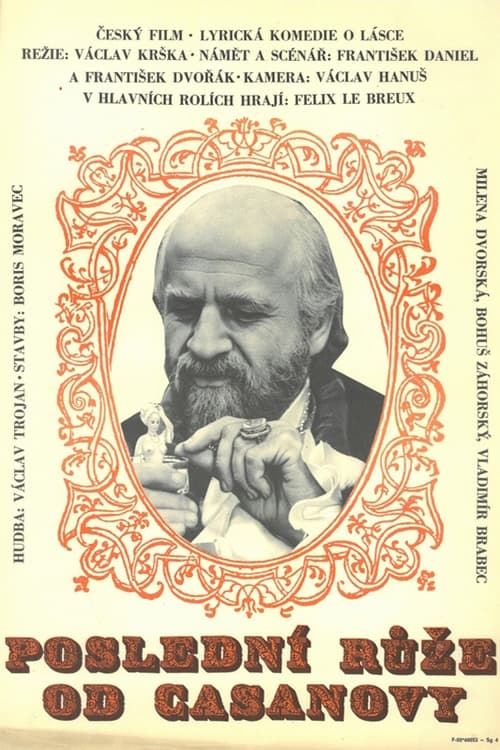
The story takes place at the time when Giacomo Casanova, probably the most famous conqueror of women, held the position of librarian at the Valdštejn castle in Duchcov. He was then a rather bored and grumpy old man who enjoyed only writing his memoirs and then a daily game of cards with the Count. But all that changed when Wallenstein's young nephew František Adam arrived at the chateau with his charming wife Valeria. She wanted to see the famous seducer with her own eyes. However, she was somewhat disappointed by the reality, as well as by the seducer's outdated views on love.
A film in five episodes, all based on an attempt to show the life of young people today, their feelings and relationships, their behaviour in public and private life.
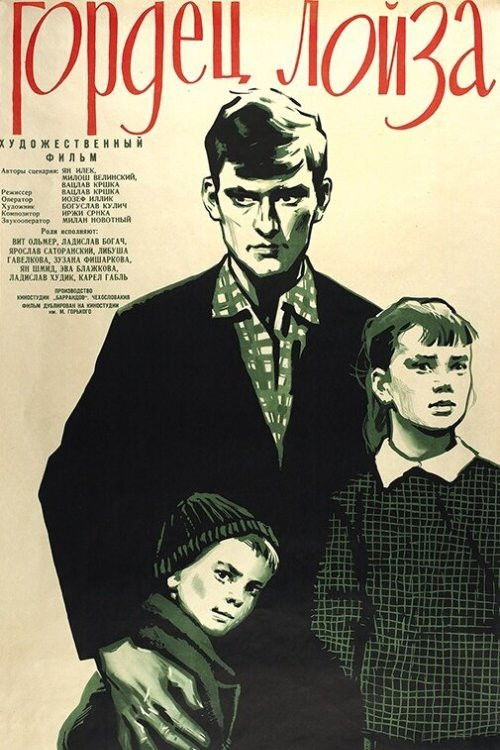
Set in a village, the story of a simple-minded, not-so-responsible young man who still manages to take care of his younger siblings after their father has left the family. Good thing he could lean on the principles of exemplary socialist morality. Not surprisingly, the attempt to capture something of the mentality and conditions of the contemporary village breaks down into simple, poster-like lessons.
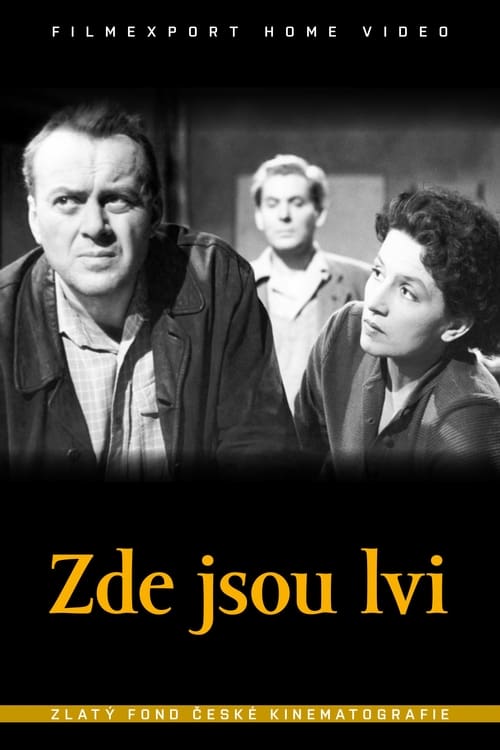
The rude and bitter mining engineer Štěrba strongly opposes the proposal of his colleague Ing. Vochoče to reopen mining in the old mine. Vochoč's plan is precisely prepared and could solve many problems. However, Štěrba does not want to explain anything to anyone, he does not want to talk to anyone, his only refuge is the pub and his only friend is a glass of alcohol. He has resigned himself to a relationship with his wife. No one knows that he has very good reasons to prevent Vochoč and the others from taking their meritorious initiative...