Acting
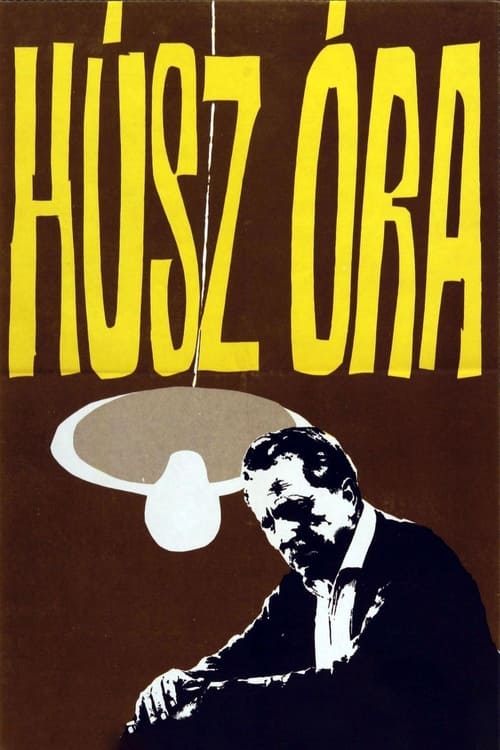
In 1956, a crusading newspaper reporter covers the Soviet invasion of Hungary. Initially critical of the communists, the feature later espouses the virtues of social changes implemented since the invasion.
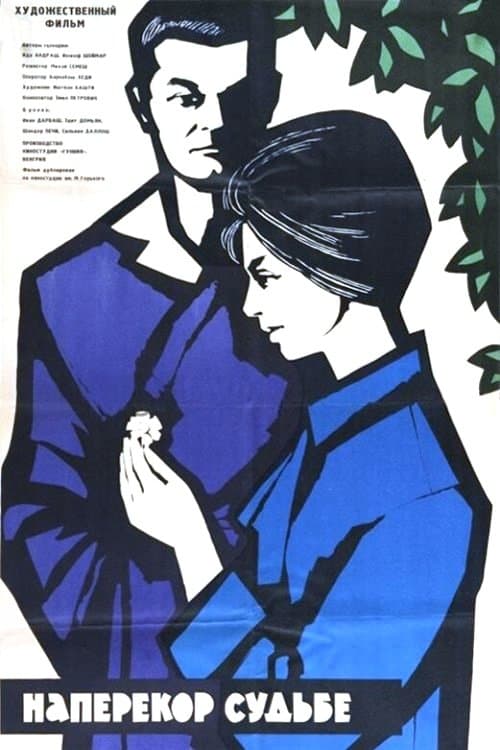
The bells of the Calvinist church in Garabó have been silent for years, and people prefer to go the Rumanian church. Returning from his studies in Utrecht, Simándy Pál - at his own request - gets a job here, in the alpine village. The young Hungarian minister meets Florica, the educated daughter of Todorescu, the Rumanian pope, whom he knew before. She falls in love with him.
The story recalling the spirit of Gilgamesh, the Sumerian king quarrelling with his approaching death, takes place in a cancer hospital in Budapest. Dávid, the young ethnography scientist resigned to his lot and is indifferent to his approaching death. His specialist reckons, however, that such a searching and stubborn mind with thorough knowledge of the nature of his own illness, will be able to fight death.
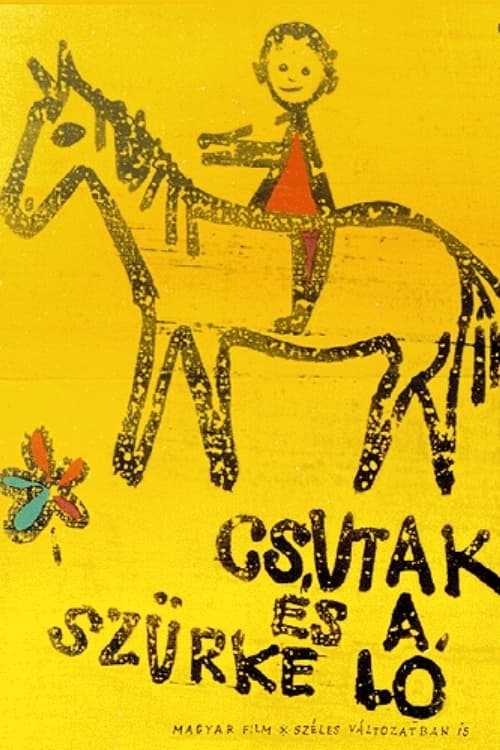
Csutak is just a pain in the neck, the little boy is even excluded from play by his mates. Vacation is spent lonely until one day he sneaks the woman haulier's old, shabby horse, a creature that would be better off in a slaughterhouse, out with himself. Possessing the animal is the key to the children's gang. They all try to find a place for the horse.
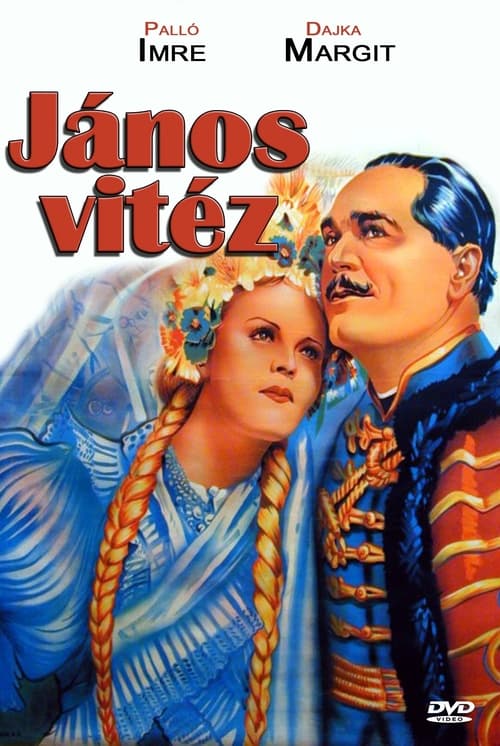
1938 screen adaptation of the 1904 musical version of the classic Hungarian fairy tale poem by Sándor Petőfi about the romantic adventures of Kukorica Jancsi and his beloved Iluska.
About a man's disappointment in love, and this provides the foundation for the upcoming trial of a much more significant love. The scene of the fatal meeting, the bar, which is a kind of world-model, and its environment: a fort under siege, from where it's almost impossible to escape...
In World War I, two men who look almost identical fight in the same battalion at the front. One of them, Peter Benedek, a landowner, is killed, while István Pongrácz, a mechanical engineer, is hit while wearing Benedek's coat. The severe head injury causes temporary amnesia, and Pongrácz is mistakenly sent to the Benedek estate. Mrs. Benedek is pleased to see that her card-playing husband has become a solid, hard-working man after his wound. But Pongrácz begins to remember...
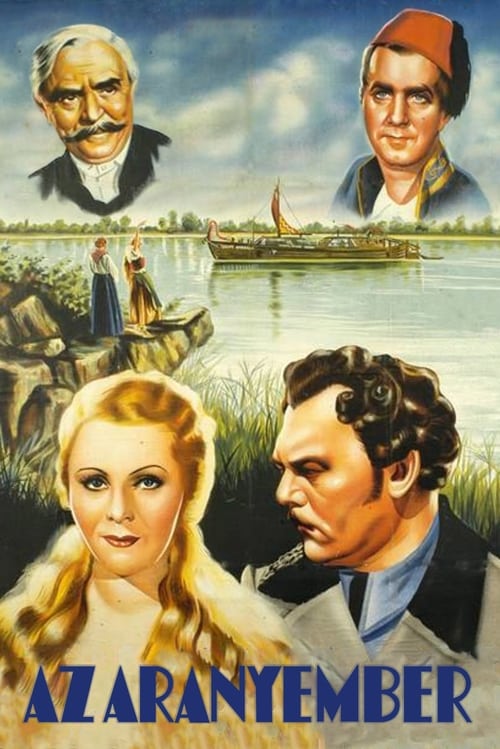
Az Aranyember (The Man of Gold) was based on a novel by Jokai, at one time Hungary's foremost storyteller. Set in the early 19th century, the story revolves around Timar (Ferenc Kiss), a ferryman on a Danish tugboat. Rescuing the daughter (Marisa Kormos) of a Turkish nobleman from a watery grave, Timar is rewarded with the girl's hand in marriage. Now rich beyond his wildest dreams, our hero finds he is unsatisfied; it seems he has never forgotten his true love, flower girl Noemi (Anna Fuzes). Timar is forced to suffer mightily until he is finally permitted a tender reunion with the girl of his dreams.
Set in Paris (which looks more like Budapest), the story concerns a murder investigation conducted by one Judge Henri Tessier. The audience is led to believe that Robert Petrovich, estranged husband of Tessier's sweetheart Marion, is responsible for the murder.
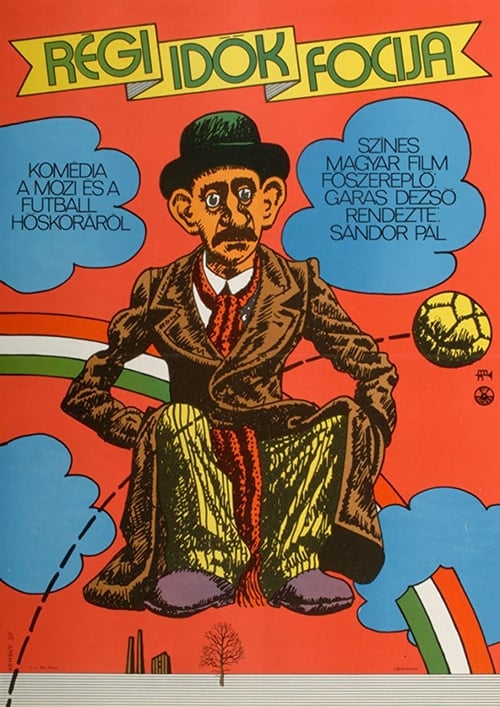
The film is set in Budapest, 1924. Laundryman Ede Minarik's only passion is football. His dream is to see his team, Csabagyöngye, qualify for the first division. For this goal he would be willing to sacrifice everything he has. But he has nothing, even footballers just barely. The team is just like the times. But still, "we need a team!"
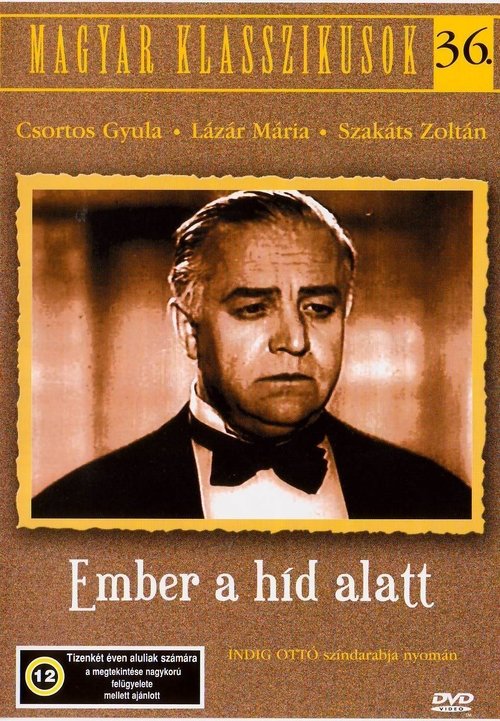
A 1936 Hungarian drama film, directed by Béla Pásztor and starring Gyula Csortos, Ferenc Kiss, and Júlia Komár.
Nelli, the icy, introverted farm girl, needs to find a husband following her father's death. She accepts the attentions of the noisy Takaró Sanyi, although she is more attracted to his silent and modest younger brother.
The story follows the life of a bright and sensitive schoolboy growing up in an old, established boarding school in the city of Debrecen in eastern Hungary.
It is a muster parade in Sarajevo in honour of Ferenc Ferdinánd. Polgár Éva and baron Várnay Miklós, her fiancé and a hussar captain, are preparing together for the event. In the meantime, the woman meets Borisz Boronow, a Russian painter. They fall in love with each other.
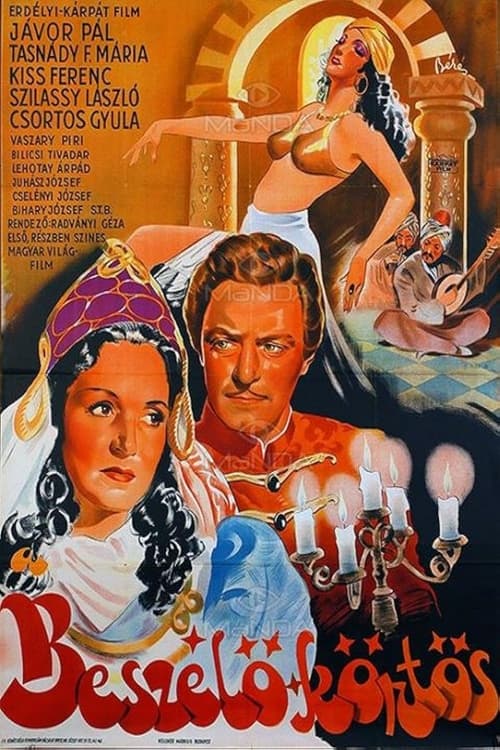
In the 1600s, Hungary is plundered by the Turks and the Laban. Kecskemét, the free royal city, is not exempt from this. Miska, the wily son of Lestyák, a master tailor, suggests to the town council that they should ask for a permanent beacon from Buda, thus protecting Kecskemét from the harassment of raiding troops. The town assembles its gift of jewellery, cloth and a beautiful girl, and Miska sets off for Buda. On the way, the young gypsy girl falls in love with Mishka, who elopes with her in a boy's dress. He can do this because instead of the bewitchment he hopes for, he is given only a fancy robe to protect the city. Little do they know at the time how much the robe is worth. Before its wearer, all true believers will crumble to dust and do his bidding.
No description available.
Visky Andras, a medical professional, gets dejected in life as he is unable to get a job despite his degree. He plans to commit suicide but a chance meeting with a homeless man changes his life.
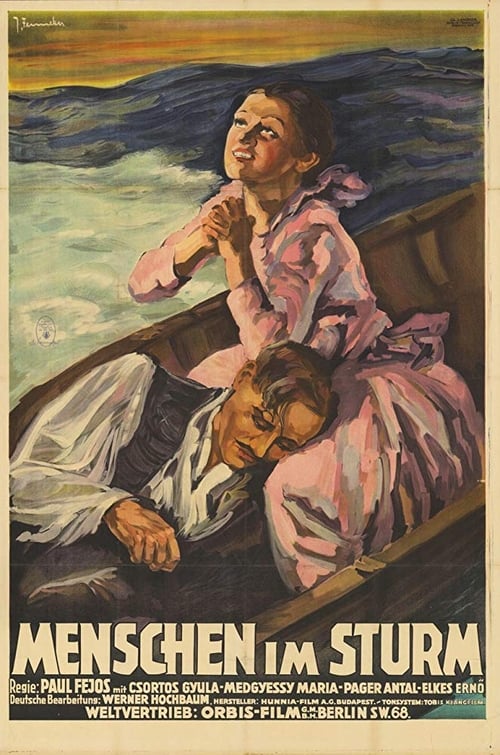
The story of balladistic intonation takes place at Lake Balaton, in a fisher village. The love of Kovács Mária and Szabó Mihály is hopeless due to a long animosity between their families. Mária is married by her father to his adopted son Kovács Jani. The unhappy young woman is unable to hide her love for Mihály and therefore her angry father sentences her with the traditionally suitable penalty of unfaithful women, she is put on the stormy waters of Balaton in a boat without oars or scull.
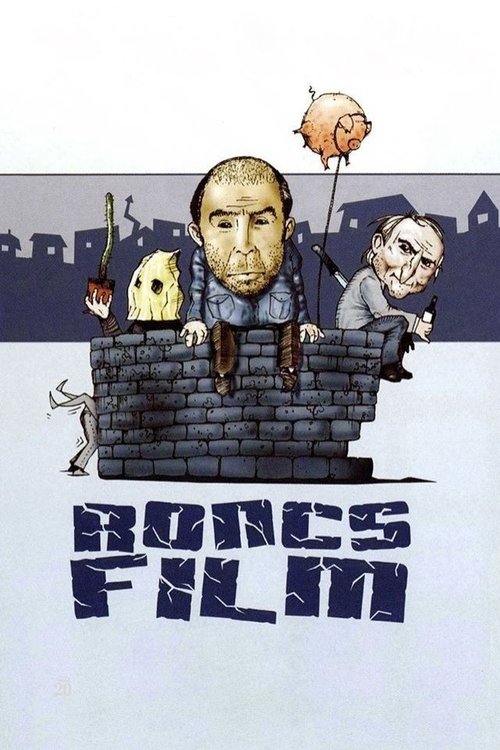
It is 1989, the year of the demise of socialism in eastern Europe. Nevertheless, the one theme of Junk Movie does not refer to this historical moment of high ideals, quite the contrary, the wild, burlesque of a motif-mozaic seems merely to stick it’s tongue out at the arrogant players of politics who have their heads stuck in the clouds. The film rudely points out the mystery and unapproachability surrounding the every-day existence of politics. The scene is a greasy, falling-down block of a pub called the Gólya and its immediate surroundings.
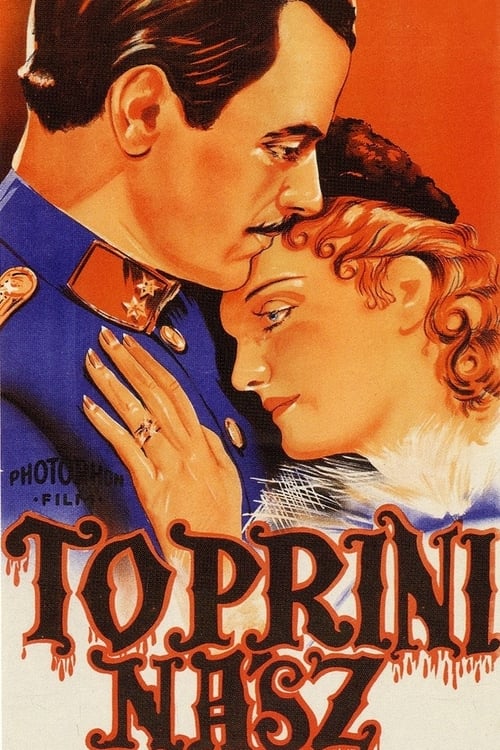
Sent on a spy mission to the estate of Count Toprini, Lieutenant Imre is helped by the count's wife who is unhappy in her marriage.