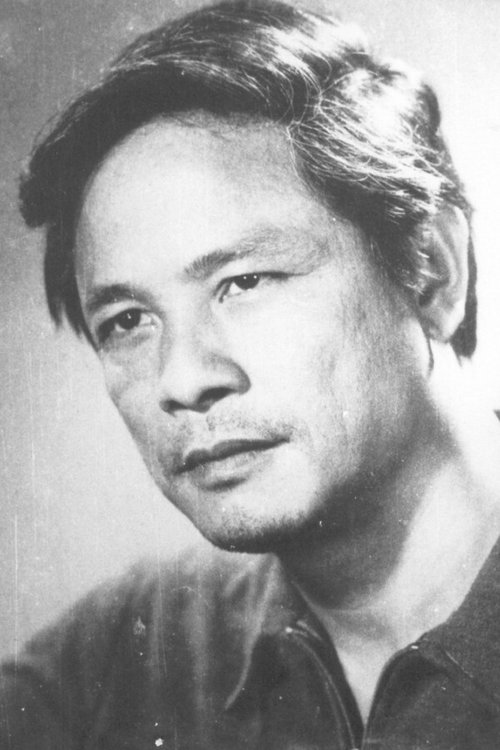
Trần Phương
Acting
Biography
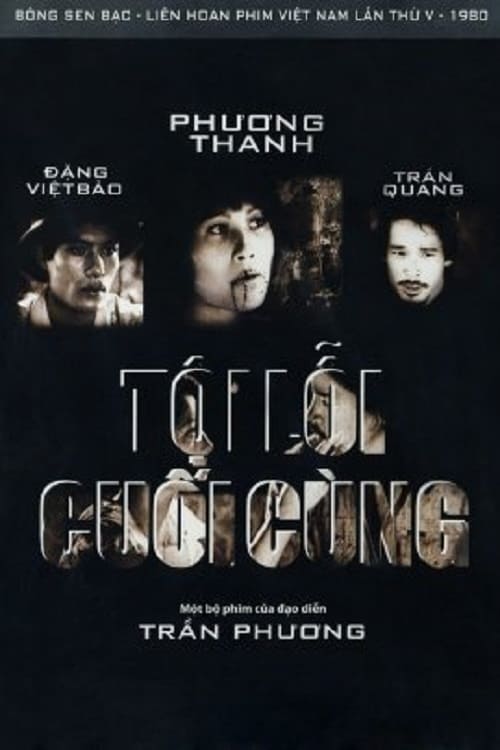
Trần Phương (10 April 1930 – 26 August 2020) was a Vietnamese actor, director and screenwriter. Following a serious work accident that cost him his finger, he ceased working as an industrial turner and was later dispatched to work in logistics for an artists' company where he gained his first acting experience in chèo and was coached in theatre by the veteran playwright Thế Lữ. Introduced to films by director Phạm Văn Khoa, his colleague at the company, Trần Phương began to pursue a career in cinema and in 1955, joined the newly-inaugurated Vietnam Feature Film Studio. He starred in the Studio's first film, "Chung một dòng sông" (1959) but went uncredited. In 1961, he was chosen as the lead A Phủ in Mai Lộc's "Vợ chồng A Phủ" and thanks to this role, rose to stardom in the North Vietnamese film scene. He was the male lead in many classics of the 60s-70s Revolutionary cinema, notably "Chị Tư Hậu", "Tiền tuyến gọi", and "Ngày lễ Thánh"; by 1980, he had garnered almost 20 acting credits. In the late 1970s, he tried his hands at directing by assisting Trần Vũ, who he previously worked for in "Truyện vợ chồng anh Lực"(1973) and was married to his longtime onscreen collaborator Đức Hoàn. In 1979, he made his first directing debut with "Mưa rơi trên thành phố". His major breakthrough came in 1980 with the crime drama "Tội lỗi cuối cùng" and in 1981, " Hy vọng cuối cùng", a work that deals with moral corruption and deterioration of trust in Vietnam's "subsidy period" - themes that are most present in his films throughout the 80s. "Hy vọng cuối cùng" earned Trần Phương Best Director at 1983 Vietnam Film Festival, and is still one of his most critically acclaimed works. With the introduction of the commercial "instant noodles" films in early 1990s, Trần Phương moved his productions to the South, and gravitated towards making crime and actions, distinguished by melodramatic themes, fast pace, along with a greater focus to costumes and set design. The director enjoyed great commercial success and despite some criticisms against his initial mainly Northern production team, his films were almost always box office hits universally enjoyed by the Southern public, and cemented the careers of some of its most famous commercial stars like Diễm My and Thương Tín. Despite a successful career, Trần Phương's personal life in his last years was marred by the death of his son and a series of debilitating health issues. He passed away in Hanoi on 26th August 2020, at the age of 90.
Known For

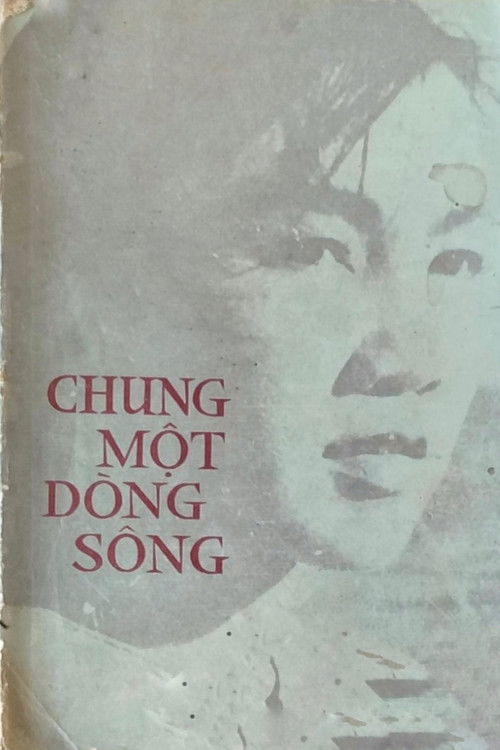
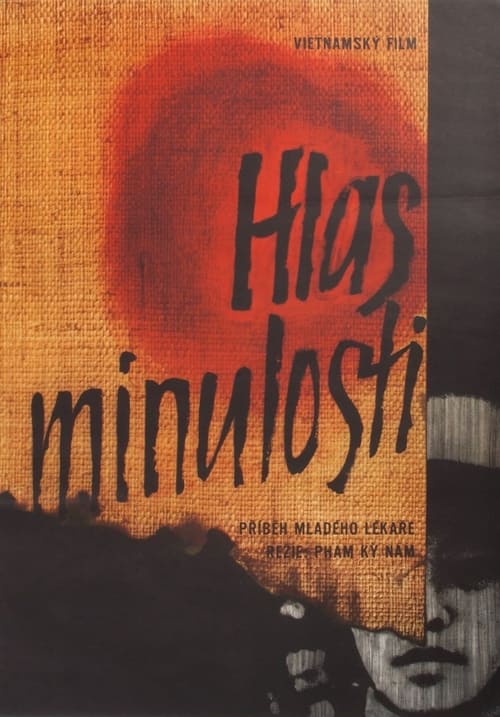
Hoài and Vận fall in love during the war against the French. Vận fought as a guerrilla and Vận ferried guerrillas across the river. When peace comes, Vietnam is divided in two across the Bến Hải River, leaving them separated.
On the Same River

To pay off her family’s debts, Mị is forced to marry the son of her Hmong village’s ruthless patriarch. When the constant abuse and beatings become unbearable for the young girl, she plans to escape with a stranger held captive by her husband.
A Phu and His Wife

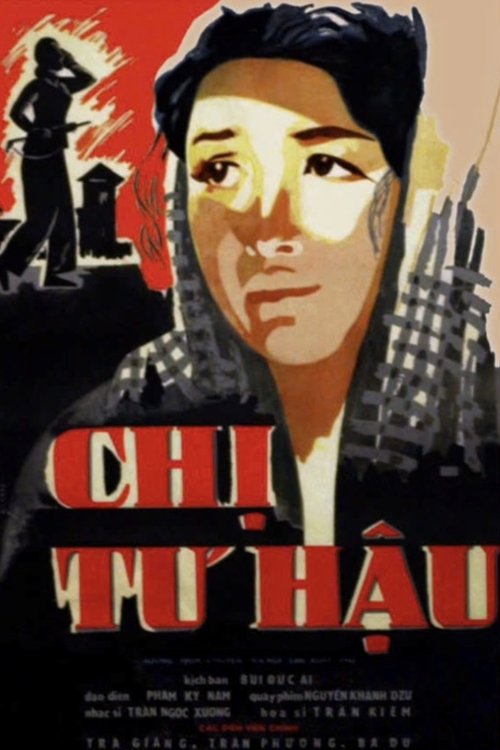
Tư Hậu is a common woman from a fishing village whose husband has gone away to fight in the revolution. She takes care of her young daughter as well as her aging father-in-law. Soon, her peaceful village is attacked.
Mrs. Tư Hậu

An engineer devises a plan that will help a farm improve its staggering business, but is dismissed the farm’s manager.
The Forgotten Proposal

In early-80s' Hanoi, a director of a state-owned factory welcomes his wife, a journalist, into a changed home after she spent some time away. As she struggles to make sense of their new wealth, he struggles to avoid embezzlement charges by a poor inspector—who turns out to be an old friend of hers.
The Last Hope

The director of a steel refinery comes into conflict with his wife over plans that might affect her father's reputation.
Unintended Separation

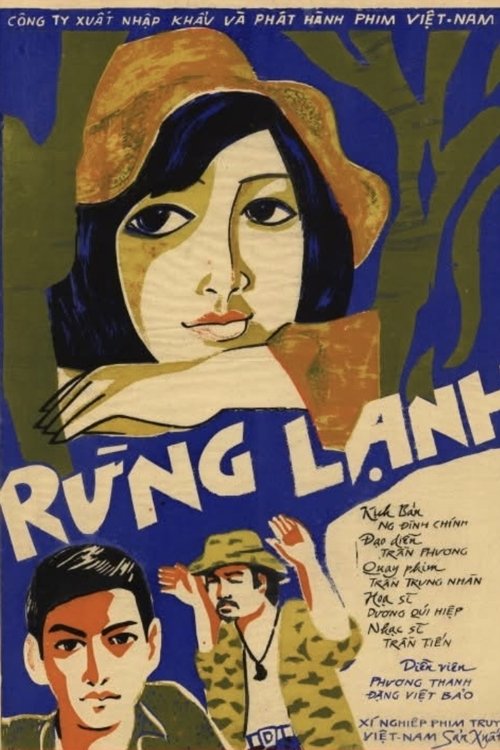
Amidst the forest of Trường Sơn mountains, Thảo and four other girls are assigned to guard a major supply depot on the Ho Chi Minh Trail. As the war progresses and their health deteriorates, the girls begin to suffer from hysteric episodes where they become manic and laugh uncontrollably.
Remainder of the Laughing Forest

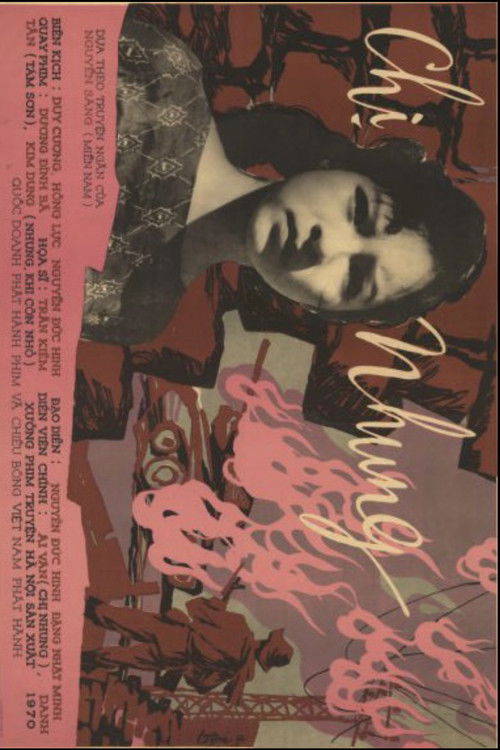
The film is anchored by a wartime re-encounter between a servant child and a tutor, transformed in the crucible of the spring 1968 Saigon offensive.
Miss Nhung

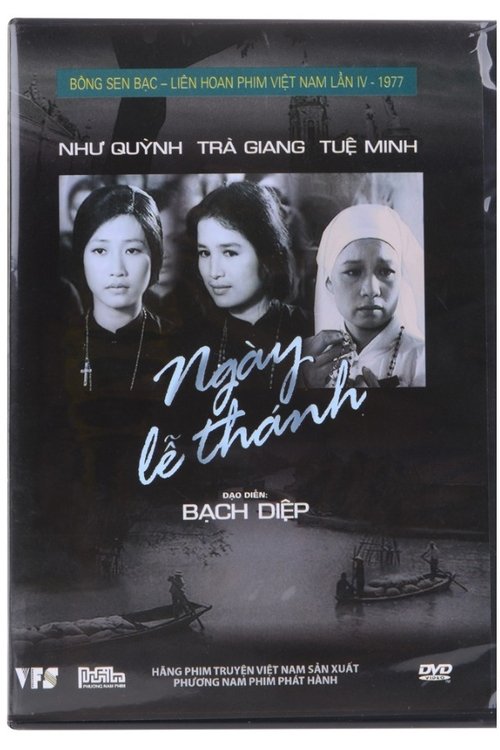
A story about a Catholic Village by the sea in Northern Vietnam in the early 60's, where people lacked faith in the new Communist regime.
The Holy Day

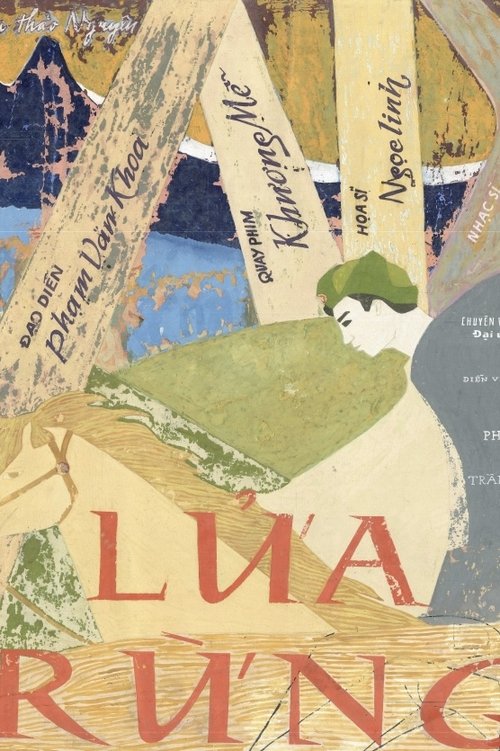
In mid-1960s, groups of American paratroopers arrive at a Hmong village near the Vietnam-Laos border. Among the troops are former villagers who collaborated with the French; having returned home , they seek to win over the village’s support.
Fire in the Woods

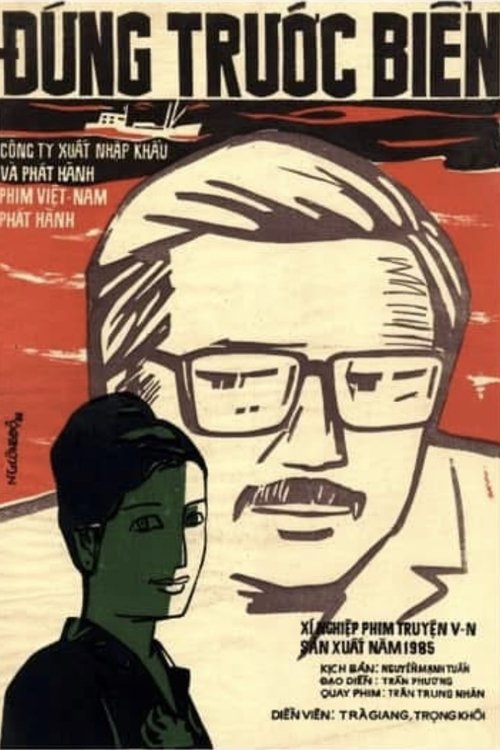
When a post-war fishing firm fails to meet its expected demand, the chief accountant begins falsifying records and cutting down on wages paid to the already struggling fishers.
Standing In Front Of The Sea

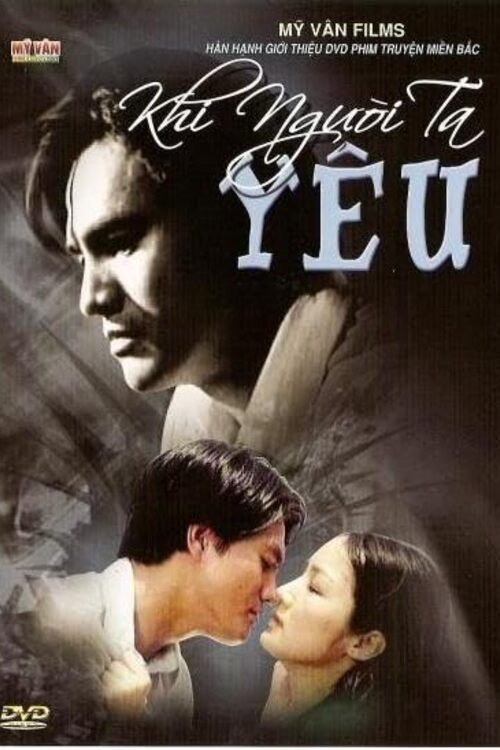
A face reading tells Lan Anh that she has a face that will bring about the death of her lovers. Further confirmed after the tragic death of her boyfriend, Lan Anh grows reclusive and rejects any romantic advances towards her.
When In Love

The plot of the film revolves around revolutionary soldiers who come from different classes, but all share the same patriotism. They had to overcome many life-and-death challenges and enormous adversities in order to mobilise the masses to prepare for an uprising and seize power from the Japanese fascists, in a situation where the country fell into the tragedy of famine.
August Star

No description available.
Life Is Not Simple

Quiet Night is an old Vietnamese film produced in 1984 by director Tran Phuong with the participation of actors People's Artist Nhu Quynh, Bui Bai Binh, and Tran Phuong
Quiet Night
While undertaking secret operations, four undercover agents experience turmoil in their personal relationships.
At The River, White Flowers Flourish

This hidden masterpiece, a hallmark of “instant noodle cinema” is a story of love, music, loss, and resilience, featuring Mai, a young woman who loses her sight in a fireworks accident and must navigate the pain of her father’s thirst for revenge, while holding on to the emotional strength that music offers. The film culminates in a whimsical, moving musical finale set in the rain, a moment of joy and transcendence.
Singing in the Rainy Afternoon
Crescent moon is a film describing the life of Vietnamese soldiers who were victims of Agent Orange after America intentionally spread the toxic chemical. Not only the soldiers but their family had to suffer from many loss and pain.
Crescent Moon

Two North Vietnamese soldiers are assigned to guard the entry gate at the 17th parallel demilitarised zone, and quickly acquaint themselves with the other side’s chief guard.
At the 17th Parallel

An elderly couple from Vinh and their grandchild takes a coach to Viet Tri The passengers face numerous harassments during the journey, but luckily a youth volunteer and a discharged soldier are determined to help them.