Ilan Moscovitch
Production
Known For
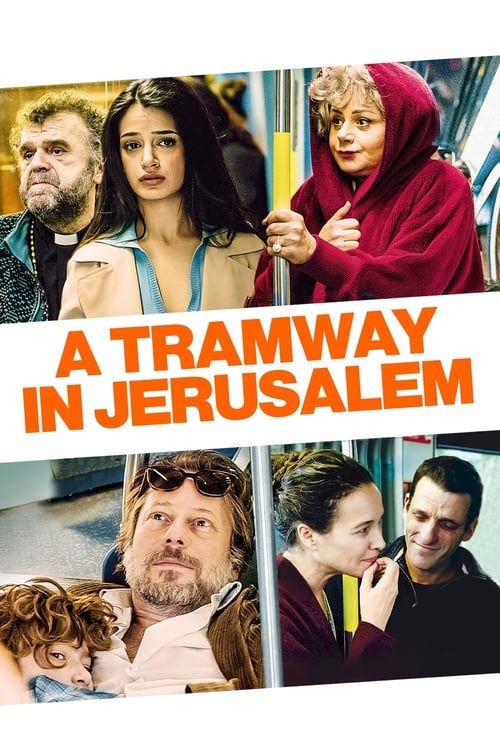
On a tramway that connects several of Jerusalem's neighborhoods from East to West, a mosaic of people from different religious and ethnic backgrounds are brought together.
A Tramway in Jerusalem
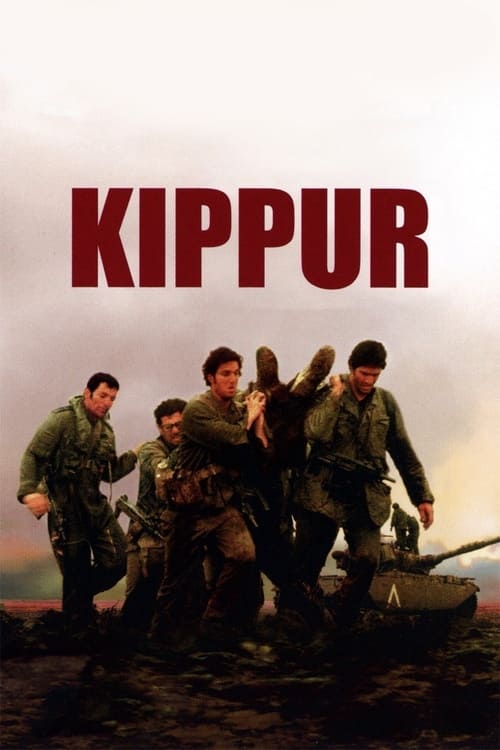
The film takes place in 1973 during the Yom Kippur War in which Egypt and Syria launched attacks in Sinai and the Golan Heights. The story is told from the perspective of Israeli soldiers. We are led by Weinraub and his friend Ruso on a day that begins with quiet city streets, but ends with death, destruction and devastation of both body and mind. Various scenes are awash in the surreal, as Weinraub's head hangs out over a rescue helicopter's open door, watching with tranquil desperation as the earth passes beneath, the overpowering whir of the blades creating a hypnotic state. It is not a traditional blood, guts and glory film. There are no men in battle, only the rescue crew trying to pick up the broken pieces.
Kippur

The film was shot entirely in a nightclub, with an adjoining contemporary art gallery, whose customers are both Israelis and Palestinians, in one of Israel’s most open cities, Haifa. A long night in a place where the most diverse people meet: Jews, Muslims, gays, heterosexuals, transvestites; and three women, who in that multifaceted microcosm, a gathering peaceful hideout, can find shelter from male bullying and arrogance.
Laila in Haifa
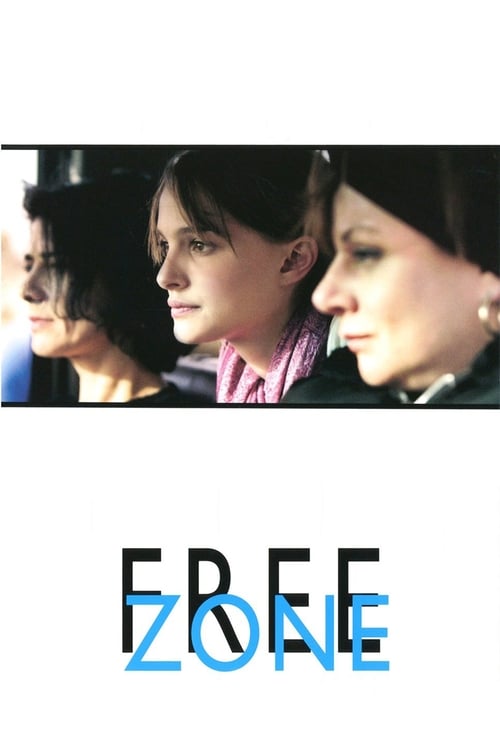
Rebecca, an American who has been living in Jerusalem for a few months now, has just broken off her engagement. She gets into a cab driven by Hanna, an Israeli. But Hanna is on her way to Jordan, to the Free Zone, to pick up a large sum of money.
Free Zone
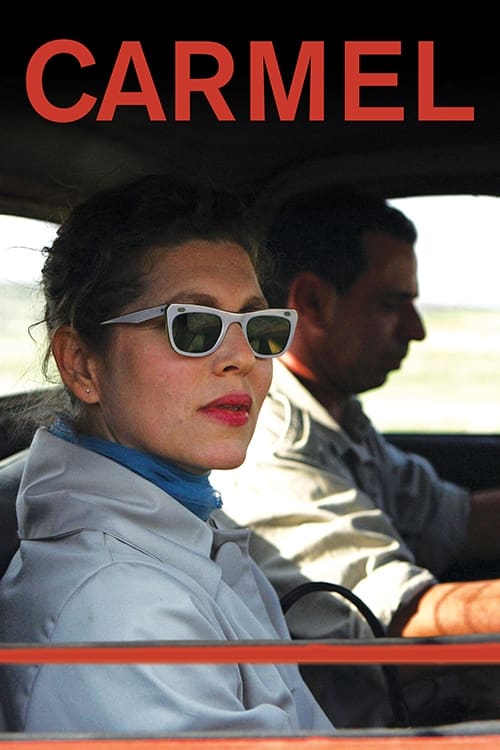
Israeli filmmaker Amos Gitaï offers a look impressionist long history of armed conflict in their nation.
Carmel
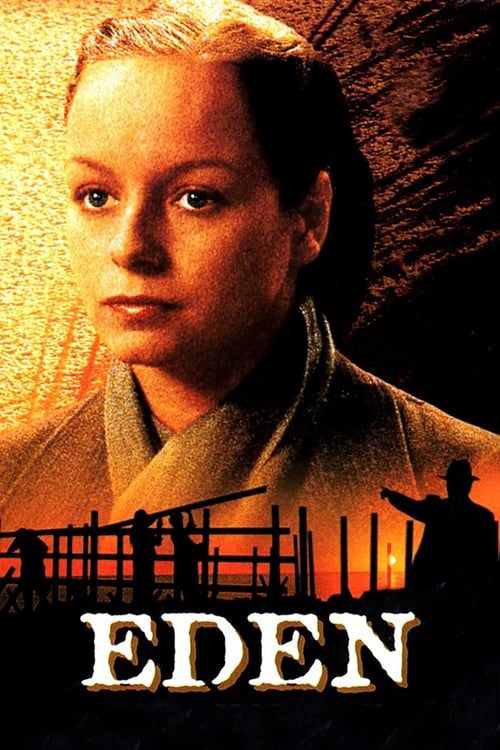
In 1939, Kalman, an ambitious young businessman, leaves Europe to join his sister Samantha in Palestine. She lives with Dov, an idealistic architect obsessed with the Bauhaus style. With their friends, they form a group, which discusses the future Israeli State.
Eden
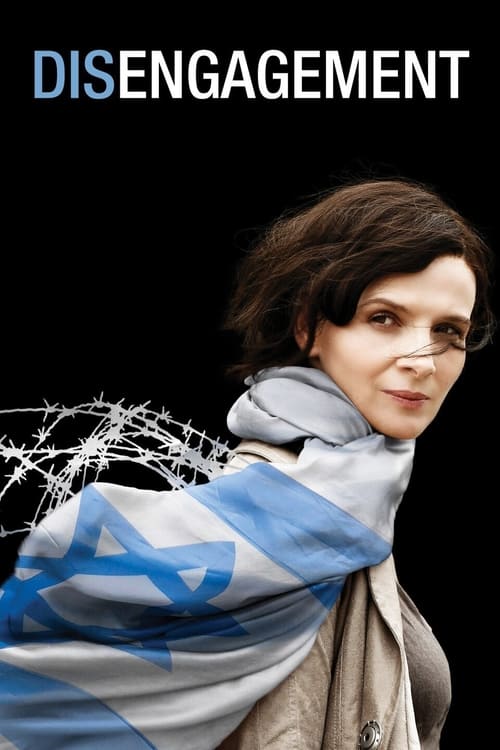
A political drama centered around Israel's pullout from the occupied Gaza strip, in which a French woman of Israeli origin comes to the Gaza Strip to find her long ago abandoned daughter.
Disengagement

Life in a Tel Aviv apartment complex, an urban mosaic whose seedy characters, try as they might, can't get out of one another's faces. Gabi, a bobbed haired sexpot, and her lover Hezi—who's older, balding and married—rent a room to have an affair, while Ezra, a pot bellied divorcee, supervises an illegal construction site next door. All this racket drives Schwartz, a Holocaust survivor, to a mental breakdown. Other characters include illegal Chinese immigrants, a teenage boy who's afraid to serve in the army, and a corrupt police detective.
Alila
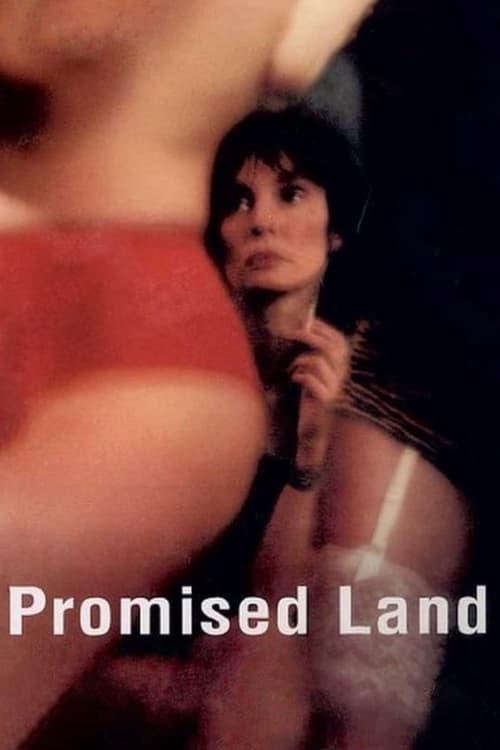
"Promised Land" tells the story of a group of young unwitting Estonian girls smuggled through Egypt to be auctioned off as prostitutes in Israel, and of their initiation into this trade of flesh, and finally of the accidental freeing of one girl who most fight for her freedom.
Promised Land

Adam is a Christian Arab living in Nazareth - member of a vanishing minority within a minority in the Holy Land and the Middle East. His wife Lamia is a strong, beautiful and progressive Arab woman, who runs a foundation for women's rights.
Holy Air

Itzhak Rabin's murder ended all efforts of peace, and with him the whole left wing of Israel died. The movie shows the last of his days as prime minister, and what led to his murder.
Rabin, the Last Day
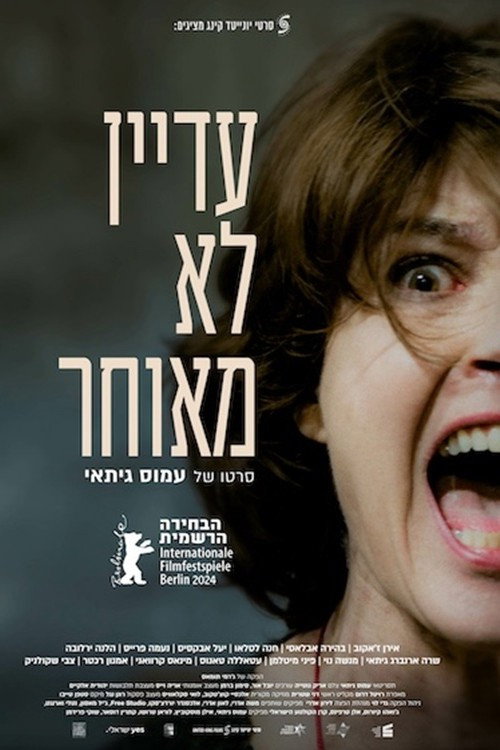
A diverse cross-section of Israeli society converges in a single multi-use building, the Shikun. As people of different languages, origins and generations come together in highly theatrical encounters, they grapple with the current state of affairs. In a poignant metaphor inspired by Eugène Ionesco’s famous play “Rhinoceros”, some begin to turn into rhinoceroses, while others resist.
Shikun
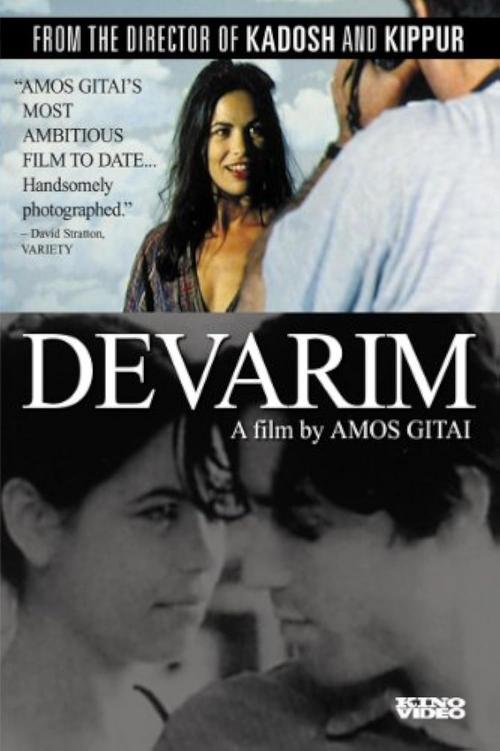
The story of three men living in Tel Aviv. They set off to attend a funeral. Unfortunately, they cannot find the right cemetery. Later the story shifts to their complex love lives.
Things
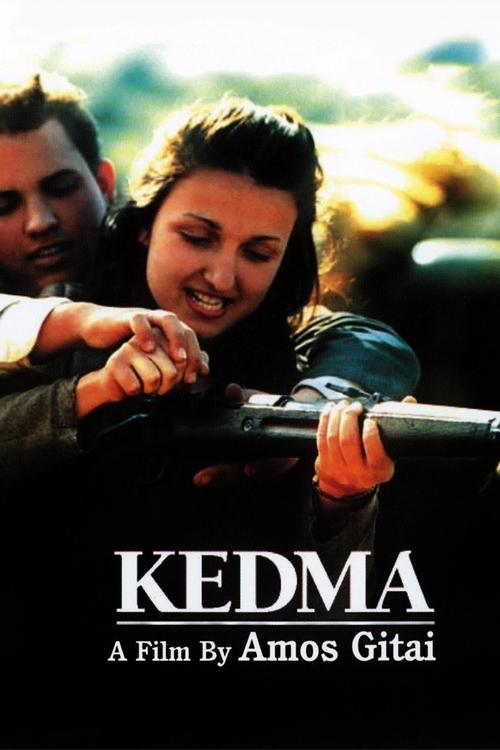
In May 1948, shortly before the creation of the State of Israel, hundreds of immigrants from across Europe arrive in Palestine--only to risk arrest by British troops.
Kedma

In Israel's Negev desert, Farhan Al-Nabari (72) - a fearless arbitrator, fights to prevent the next killing between feuding Bedouin families. His tent, a "place of refuge," anchors tradition amid rising youth violence challenging state and tribal authority. As societal desperation and poverty intensify, Farhan faces a profound struggle: the State of Israel demands the uprooting of his tribe from its home of 71 years. Amid frantic reconciliation efforts between tribes, this poignant tale unfolds-a clash between ancient traditions and modern mandates. Farhan fights to preserve his community's legacy, navigating a delicate balance between the timeless laws of the desert and the new world.
Desert Laws
Sixty-seven-year-old Nissim Kahlon made his home in a cave he dug, in a limestone cliff under the Apollonia National Park, on the North of the Herzliya coast, 15 kilometers north of modern Tel Aviv. For years he lived in this cave, without electricity or running water. Today the “home” that he built out of anything and everything – rocks, trash, sand – contains countless caves and tunnels, and Nissim insists on continuing to work on it every day. His work never ends. Nissim’s son, eighteen-year-old Moshe, who was born in the cave and will soon join the military, is moving in with him. Together they work to dig out the cave in which he will live. Through their hard work, a complex relationship between father and son is revealed