FEEL IT.STREAM
Jana Ševčíková

Jana Ševčíková

Directing

Biography

With films that reflect on life in contemporary Eastern Europe, Czech filmmaker Jana Ševcíková has distinguished herself as a practitioner of poetic documentary. A graduate of the Prague Film Academy, her thesis film, Piemule (1984), offers a frank examination of Czech émigrés in Romania during the final years of Ceausecu‘s totaltitarian regime. She has produced films independently, such as Jakub (1992), and received state funding from the Czech Ministry of Culture. Her films have been shown at festivals in Berlin, Strasbourg, Karlovy Vary and Cracow. Praised throughout Europe, Ševčíková‘s intimately crafted works challenge the distanced conventions of ethnographic filmmaking.

Known For

Sweetgrass
6.8

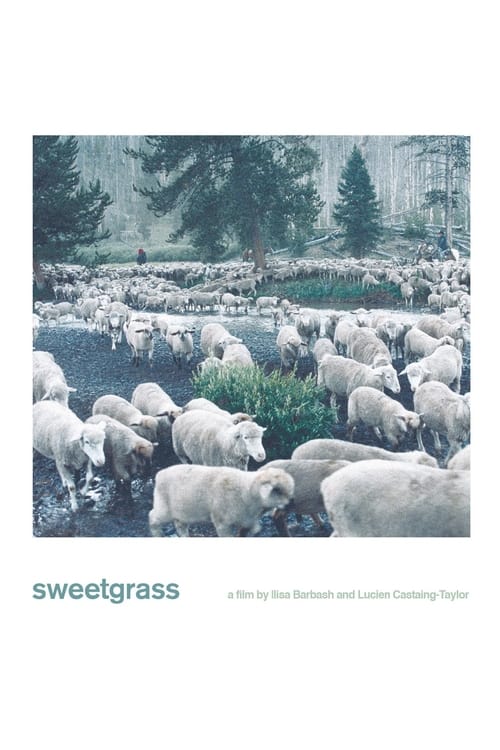
An unsentimental elegy to the American West, Sweetgrass follows the last modern-day cowboys to lead their flocks of sheep up into Montana's breathtaking and often dangerous Absaroka-Beartooth mountains for summer pasture, revealing a world in which nature and culture, animals and humans, vulnerability and violence are all intimately meshed.

Sweetgrass

2009
The Old Believers
6.4

The award-winning Old Believers (2001), made over a period of five years, documents the life of a strongly religious community in the Danube Delta where time seems to stand still.

The Old Believers

2002
Jakub
6.9

Jakub presents an extensive ethnographical-sociological study of the life of the Ruthenians, filmed in the Maramuresh mountains in the north of Romania and in the former Sudetenland in Western Bohemia. The film was made over a period of five years during the time of both totalitarian regimes and was completed in 1992 after the revolution.

Jakub

1992
No image
N/A

Q & A with Jana Sevcikova and Werner Herzog.

Q & A with Jana Sevcikova and Werner Herzog

2005
Those Who Dance in the Dark
N/A

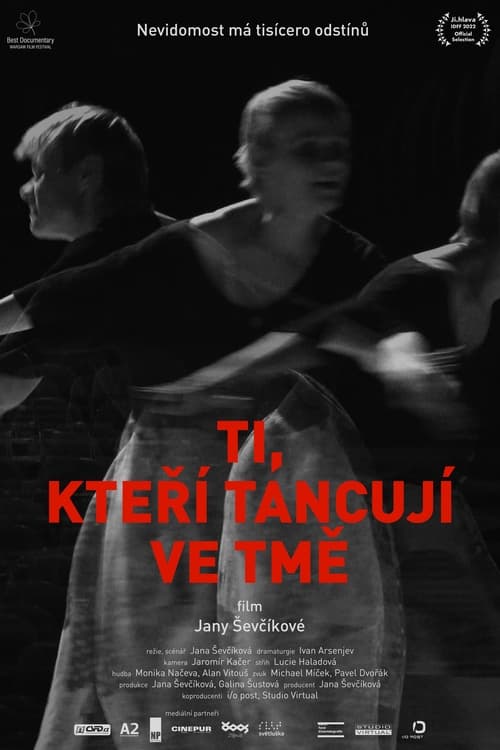
“Try to describe what it's like to see,” one of the blind actors in Jana Ševčíková's documentary urges the film crew. The same challenge for him is to express how reality is perceived and experienced by a visually impaired person. Ševčíková therefore does not explain the blindness. Using everyday situations as examples, she empathetically and without pathos presents the stories of six people who never stop dreaming, yearning, and searching for ways to be as free in life as the sighted majority. They find sources of energy in work, sports, dance, and relationships. We are also transported into their world by the dimly lit black and white camera and the layered soundtrack.

Those Who Dance in the Dark

2022
No image
N/A

No description available.

Tulakóna

1986
Piemule
6.0

Jakub, The Old Believers, and Piemule are three documentaries about forgotten people by director Jana Sevciková. All three are distributed on the same DVD under the name Old Believers. Piemule offers a close look at the descendants of Czech immigrants in Romania.

Piemule

1984
No image
N/A

Debut film.

Worldly Children

1981
Lean A Ladder Against Heaven
N/A

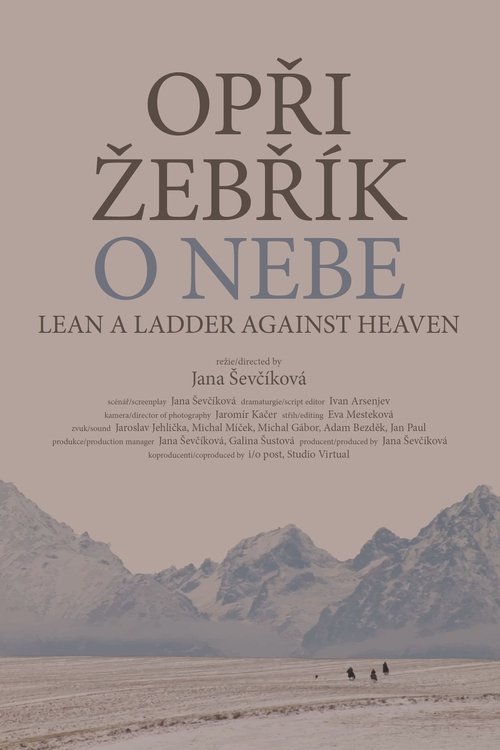
At his parsonage over the Tatra Mountains, Marian Kuffa readily takes care of more than 200 people in need. This unostentatious movie is not just a portrait of a remarkably selfless man but also a more general contemplation of the complicated lives of alcoholics, junkies, and all other social outcasts, as well as an elegant reflection on mercy and the forms that faith can take.

Lean A Ladder Against Heaven

2014
Gyumri
N/A

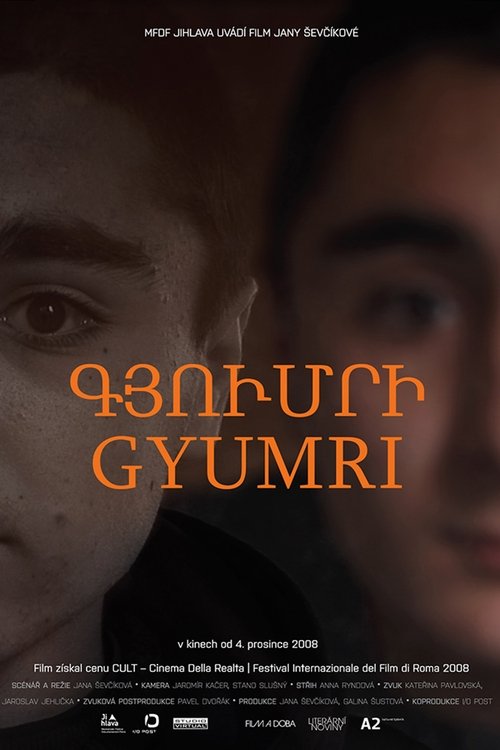
In 1988, an earthquake killed at least 25.000 people in the Armenian city of Gyumri, a third of them children. Jana Ševčíková explores life after and with the disaster, meets survivors and their children.

Gyumri

2008
No image
8.0

This film came into being on a farm in the village of Hakushu, Min Tanaka's home. Min Tanaka is a very distinctive personality of Japanese alternative theatre in which the mind questions the tongue and so the body becomes the tongue. Min Tanaka's dance is able to speak even to those who know nothing about Japan and Japanese art. Perhaps it is because, on their road to discovery, Min and his dancers probe deep down to the roots of the culture of all peoples, to the time when we were not yet Europeans and they were not Japanese.

The Rite of Spring

2002