Acting
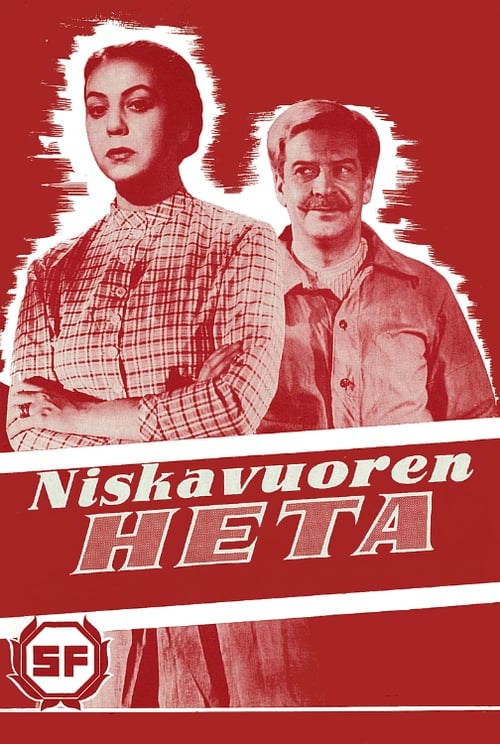
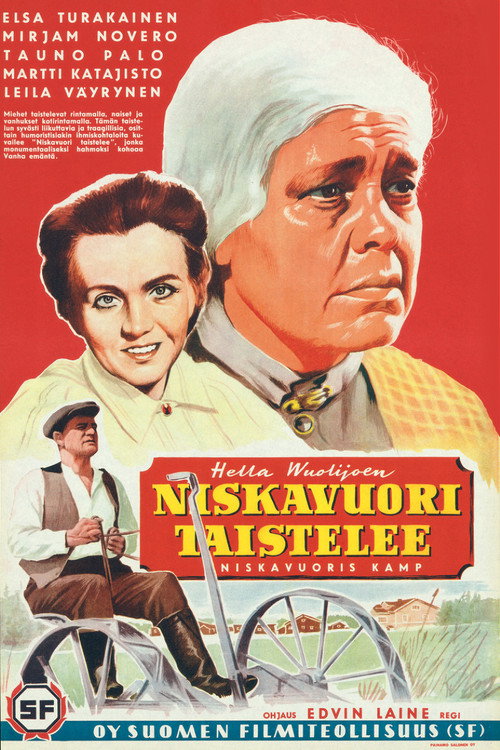
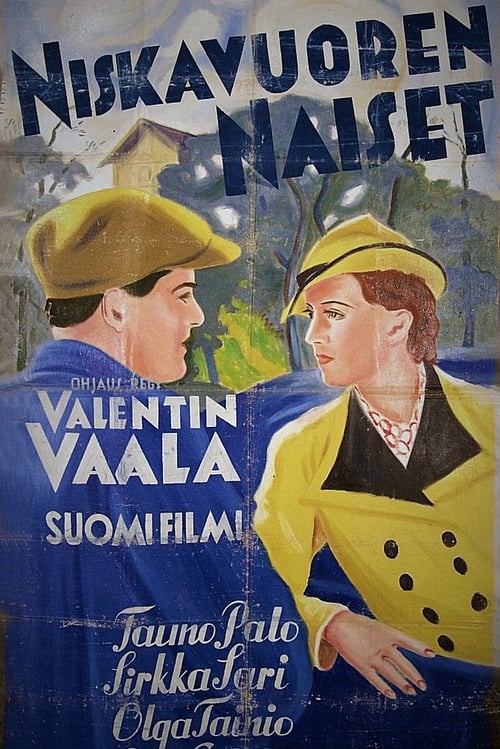
Heta, the strong-willed daughter of the Niskavuori family, who is pregnant, marries Akusti, a farmhand, and remains bitter toward Santeria, who broke her heart. Heta and Akusti begin their life together on the modest Muumäki farm, where they are assisted by their loyal maid Siipirikko.
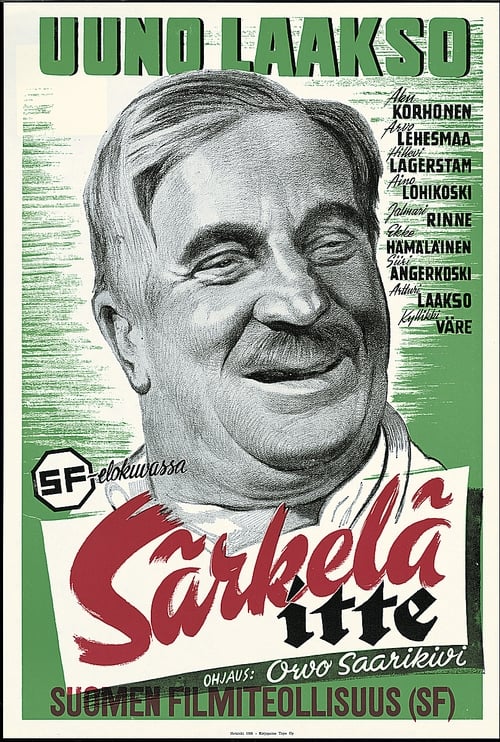
The self-assured manager Julius Särkelä maintains strict discipline in his office and at home, which is experienced by his daughter Saara and her suitor Martti, as well as the landlord Heroja, who is chasing his debts, and even the cat belonging to the patron Fallsten. Dr. Kosonen softens the stern leader by giving a speech at a party, which ultimately revolutionizes Särkelä's worldview.
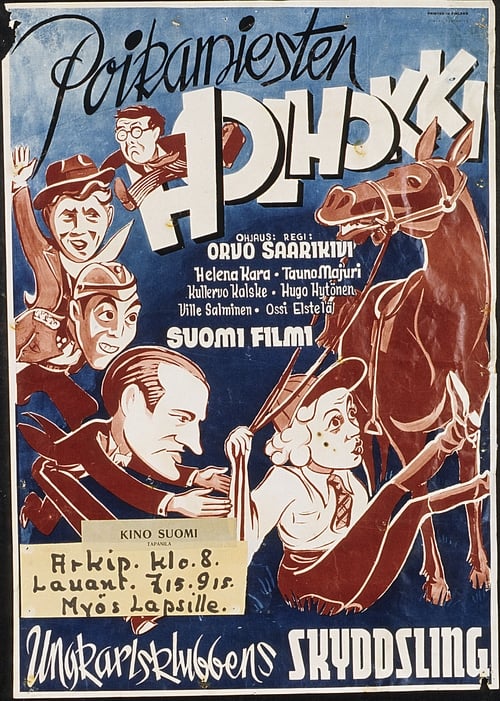
Mauri Huhkinen, a busy man in Tukkilahden, has taken on so many municipal positions of trust that he has three meetings in one evening and no time for his family. Everything changes when the residents of Tukkilahden hear about Mauri and his fellow trustees' rowdy night out at a restaurant in Helsinki.
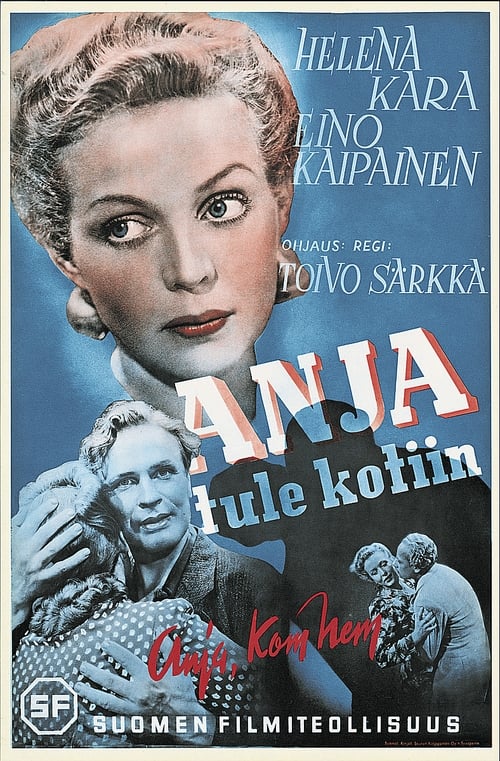
Mauri Miettinen and his wife Anja are living in a happy marriage. Everything changes when Mauri's old acquaintance comes to visit and threatens to reveal Anja's dark past.
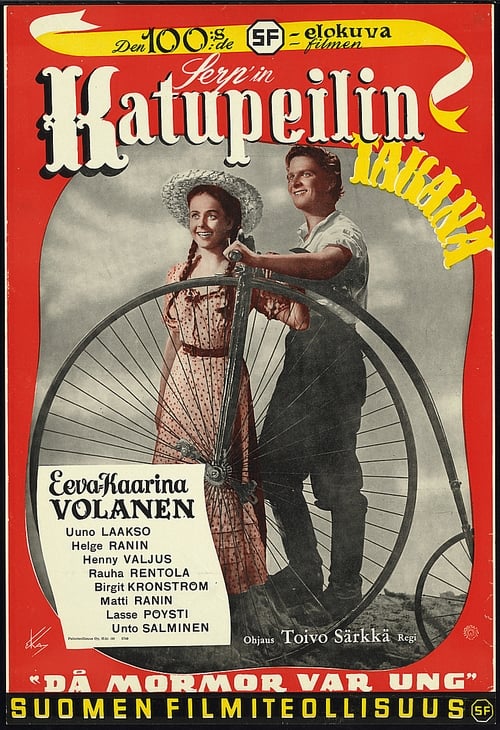
Katariina, an orphaned girl from the north, travels to Helsinki to live with her distant relative Mauri, who has been appointed her guardian. The unpretentious child of nature irritates, amuses, and charms Mauri, who is accustomed to high society, and his bachelor friends.
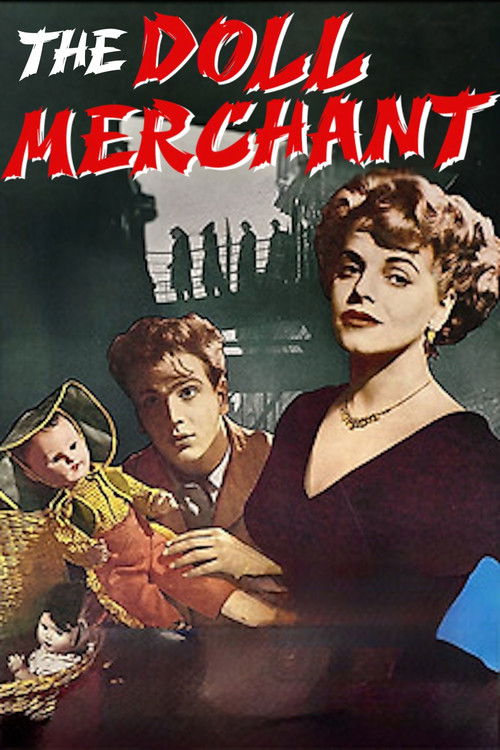
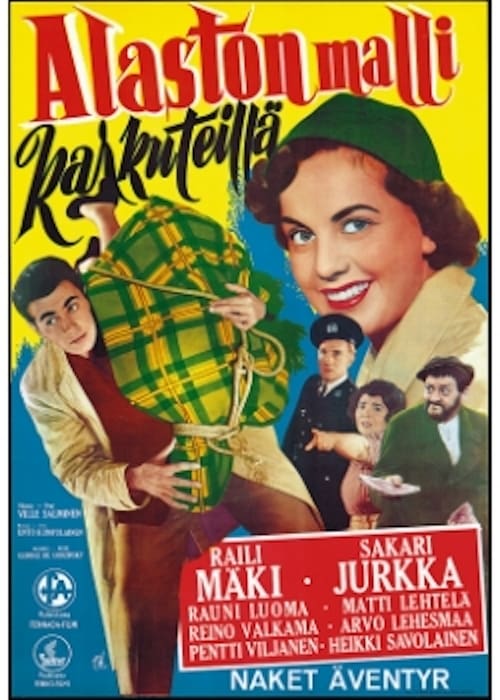
A wide-eyed doll salesman is mistaken for a bomb-wielding anarchist by the oppressive forces of the totalitarian state.
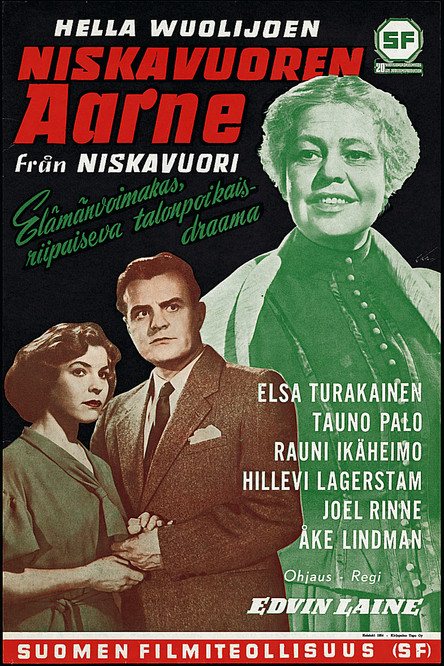
Niskavuori's Aarne (Arne från Niskavuori) is a Finnish drama film from 1954. It is based on Hella Wuolijoki's play Niskavuori's Bread. In chronological order of the Niskavuori series, the film is the fourth. Aarne has married Ilona and left the house in Niskavuori, which he hosts, where his former wife Martta still lives, while the old mistress is holding the reins. Aarne and Ilona live in Helsinki, but Aarne has not been able to completely break away from Niskavuori, but keeps secretly in touch with the headmaster and gives instructions on the farm management.
The last black-and-white film in the Niskavuori series of movies.
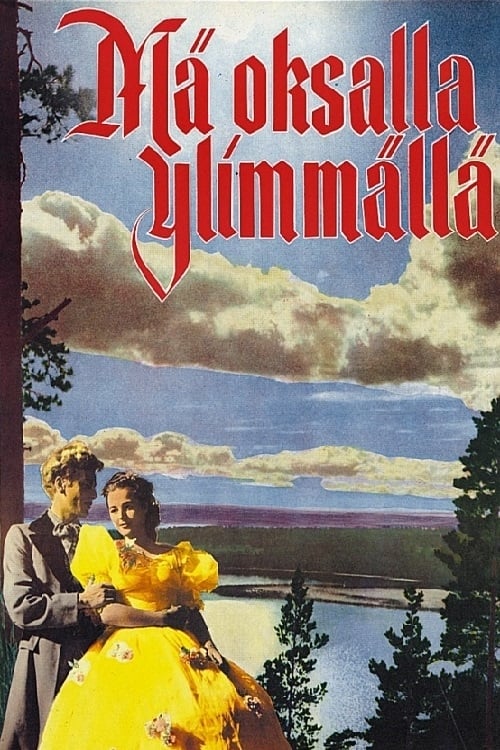
St.Petersburg, 1830. An arrogant Finnish baron is playing cards with a Russian officer. Needless to say, the Finn wins and the Russian gets extremely annoyed. The situation is not helped by the fact that the baron has been seeing a girl that the Russian officer has also set his eyes on. They decide to have a duel and after the Finn wins fair and square, he has to escape because the untrustworthy Russians are after him.
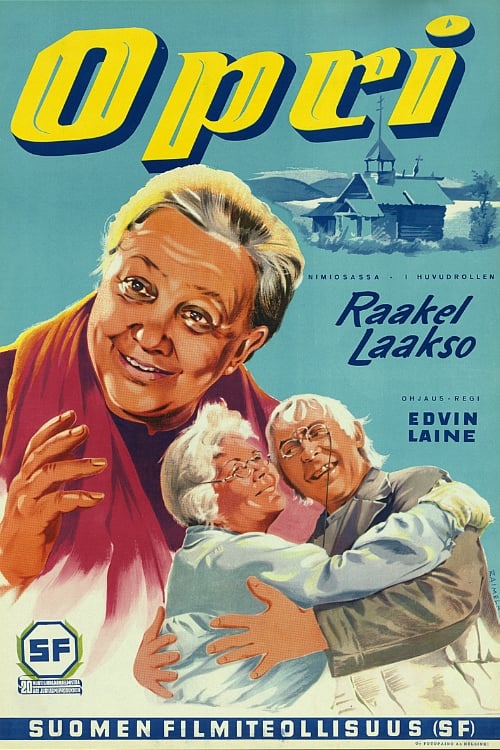
Opri is an evacuee from Karelia and is forced to move into a nursing home when his cottage is demolished. He immediately begins to take care of other elderly residents and nursing home staff, as well as their romantic concerns, as soon as he steps into his new home.
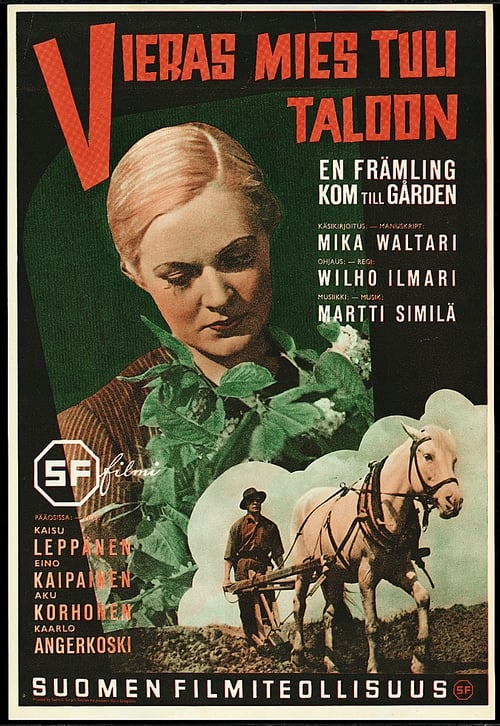
Astrid, the mistress of Metsäkulma, hires a job seeker named Aaltonen as a farm manager when her mentally ill husband Alfred is unable to work. Old Hermanni helps Astrid and Aaltonen as best he can, but jealous Alfred begins to persecute them.
A fictional love story between famous composer Gabriel Linsén and opera singer Maria Sawina in 19th century Finland.
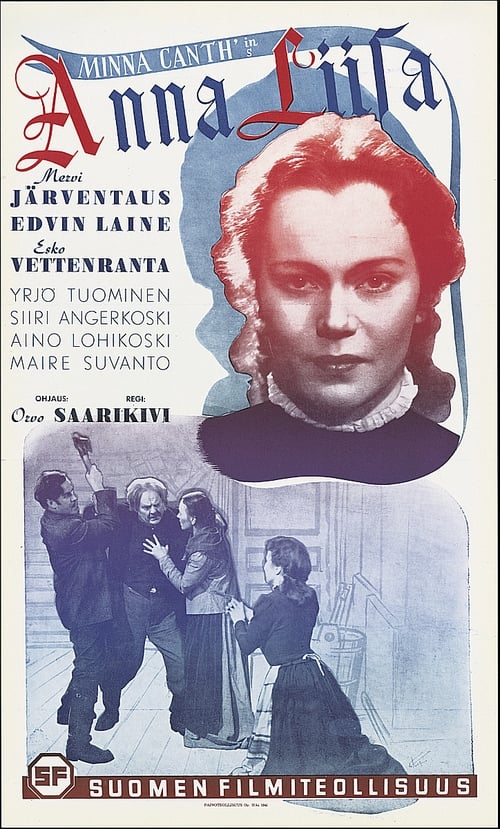
Set in the 1890s, Anna-Liisa and Johannes are young lovers. She agrees to his proposal because she is afraid that her crime will be revealed. Husso, along with her son Miko, threaten to reveal the young bride's past.
A comedy about a poor artist who is accidentally accused of the murder of his fiancee.
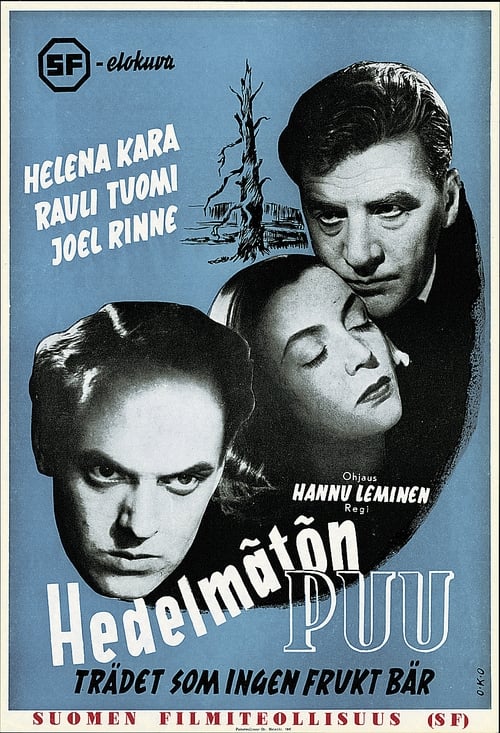
Erkki, a journalist, suffers from epilepsy and agrees to be sterilized in order to marry his fiancée Helena. Unhappy about his infertility, Erkki begins to drink more and more, and eventually Helena returns to Helsinki to continue her studies. There she meets Associate Professor Sysikorpi, who falls hopelessly in love with her.
Aarne marries Martta because his mother tells him it is his duty as the eldest son to marry a wealthy girl. However, the attractive school teacher Ilona arrives in the village and causes complications when Aarne falls in love with her.
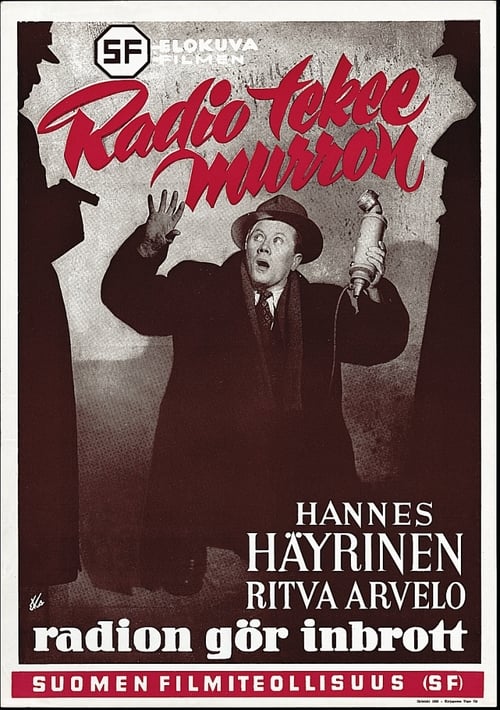
Eager young radio reporter Teräsvuori stages a one-man burglary into the Helsinki Art Museum, recorded on tape for a later broadcast by his friend Laakso. Things go awry when a gang of real criminals overhear their plans and book their heist to coincide. Teräsvuori gets caught but escapes from police custody to start his private investigations together with female radio colleague Eila.
1892. Vappu Biörcke and Kaarlo Härkönen get to know each other during the summer in the countryside at the birthday of Vappu Jalle-sedä. In Helsinki, the young people continue their courtship under the supervision of Vapu's aunt, Moster Mella. However, Vapu's father, business advisor Ossian Biörcke, is not as accepting when his daughter's actions begin to be revealed.
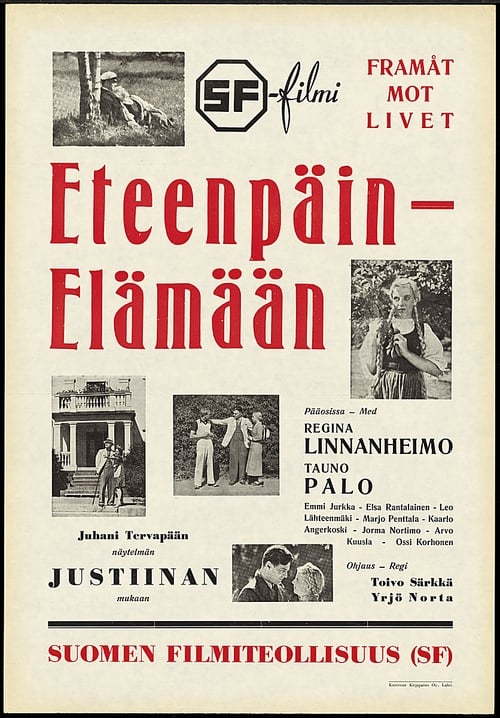
Senator Fredrik, who advocates a policy of appeasement, expels his nephew Robert, an activist and lover of Justiina, from his home. Decades later, the lovers meet again when Robert returns to claim his inheritance.
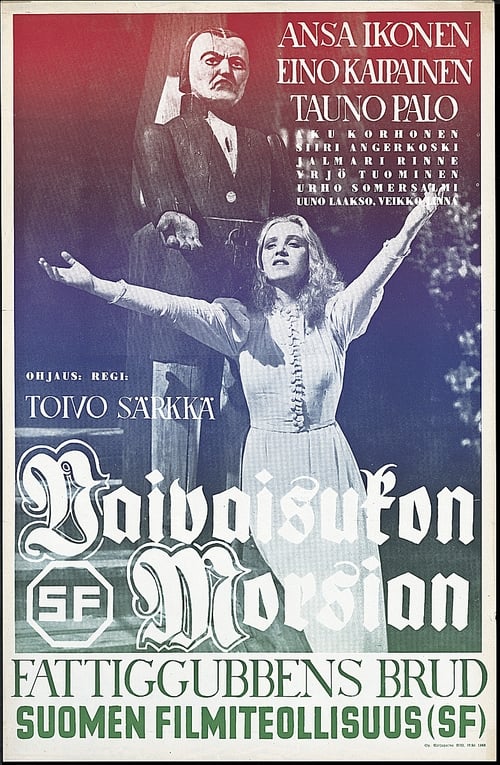
Elias, who is preparing for his wedding, dances drunk with a beggar in front of the church and dies of a heart attack. His fiancée Anna is devastated by grief and on the verge of suicide. In his despair, he experiences a religious awakening, which is supported by Antti, who is in love with Anna, and some of the villagers. The pastor sees the revivalist movement as a threat to himself, the church, and public order.