Writing
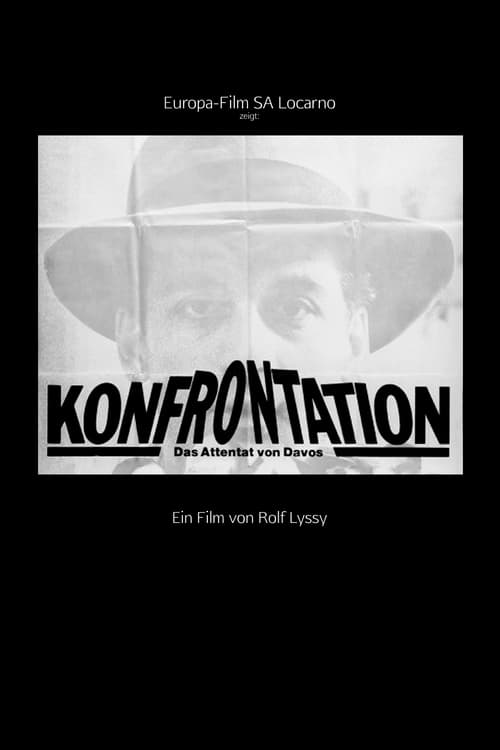
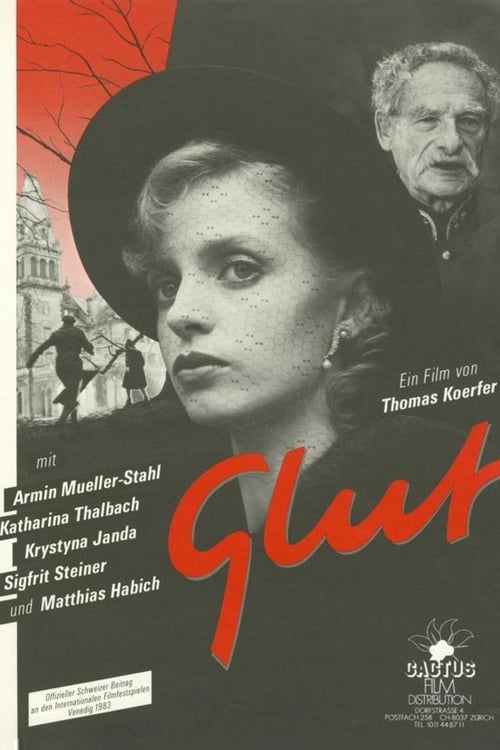
On February 4, 1936, Wilhelm Gustloff, leader of the NSDAP, was shot dead in Davos. His assassin, 27-year-old David Frankfurter, wanted to use the action to highlight the persecution of the Jews. This docudrama describes with great precision the events leading up to the fateful day and the trial that followed. The film was selected as the Swiss entry for the Best Foreign Language Film at the 48th Academy Awards, but was not nominated.
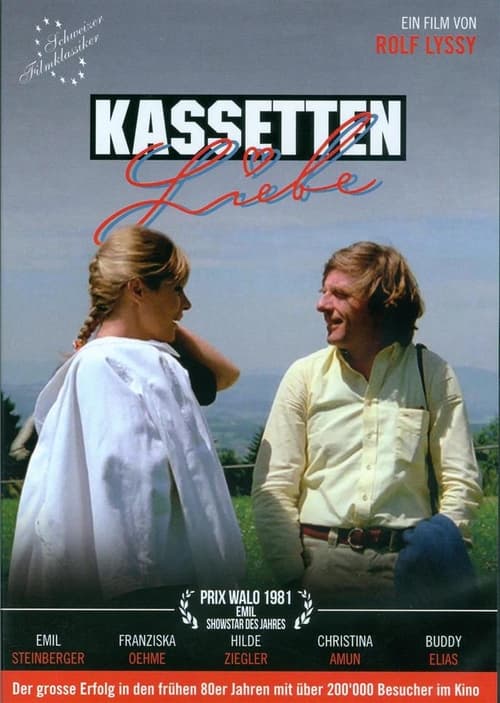
At the heart of the film is the partner selection institute Duogena, which—very progressive for its time—not only works with computers but also uses video technology: as a visual calling card, a video portrait is recorded of each client in the Duogena studio. The task of 40-year-old bachelor Felix Stamm as a Duogena employee is to grapple with the catalogued heart's desires and to coach clients so that they present their quirks and idiosyncrasies, their concerns and wishes to the camera in as positive a light as possible.
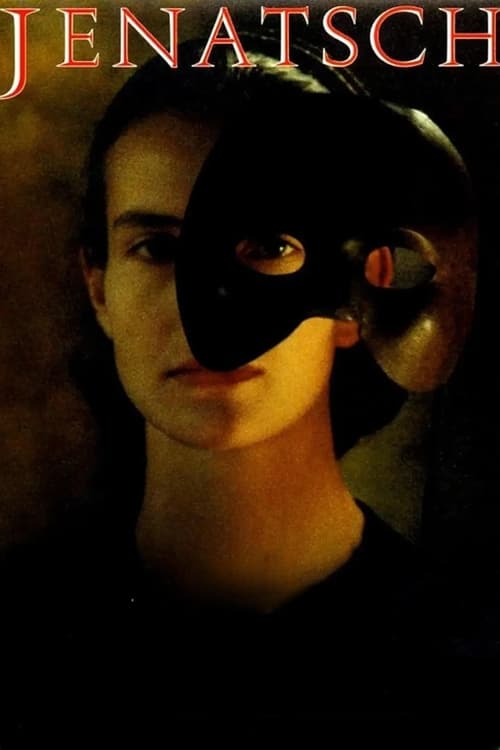
A journalist is assigned to interview an eccentric anthropologist who has exhumed the skeleton of Jörg Jenatsch, a revered freedom fighter who was mysteriously murdered in 1639. Initially disinterested, the journalist begins to uncover unflattering truths about the national hero and experiences visions in which he seems to be witnessing events that transpired over 300 years ago. As he obsessively pursues the investigation, his personal life and his grip on reality disintegrate, drawing him relentlessly toward the fatal carnival at which Jenatsch was killed.
A documentary with fictional elements, which is based on 140 years of history of the company and the family of the global company Bally based in Switzerland. Images from the daily work in the shoe factory and the Schönenwerd region, reproduced pictures with the men of Bally as actors, historical photographic material, an interview with the manager of today constitute, and others, which combine to form an exciting whole thanks to a clever assembly.
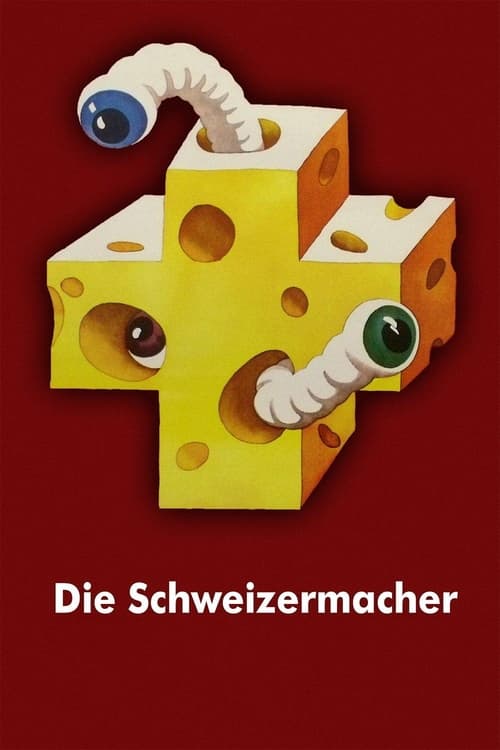
This romantic drama follows two policemen whose job is to investigate the lives of foreigners who have applied for Swiss citizenship. Among the applicants they must screen are a French psychiatrist and his wife, and a ballet dancer. The married couple are quickly accepted, but the dancer's life offers some objections. However, since the younger policeman has fallen in love with her, there is a chance that she, too, will win Swiss citizenship.
Using the example of a migrant worker couple, the film aims to draw attention to the plight of many working-class marriages. The husband works the night shift, the wife works during the day. The film dispenses with any commentary. However, its sparse, realistic images say more than any verbose analysis could.
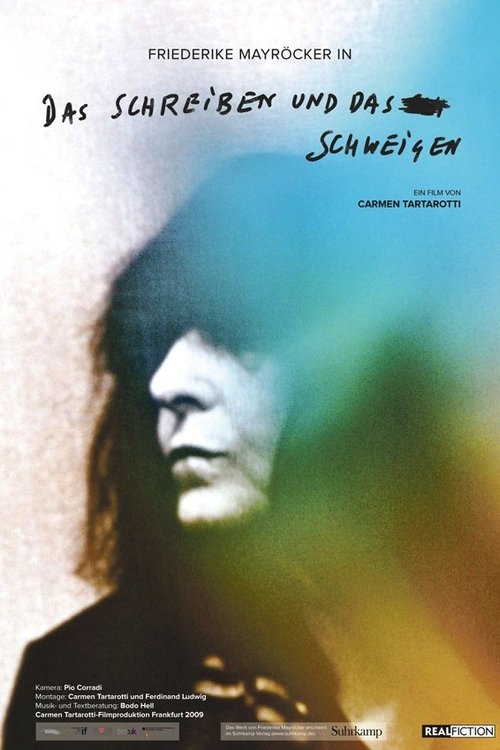
After her first film about Friederike Mayröcker, filmmaker Carmen Tartarotti decided to make a second film about the poet 15 years later.
A three-part documentary about four young men who were active members of the Zurich youth movement in the early 1980s and died tragically as a result of “accidents” with the involvement of the police. The exuberant Dani and Michi stole a motorbike to go on a joyride; a police car gave chase and caused their fatal crash. Renato, a young junkie raised in orphanages, was shot by the police while driving a stolen car. Max, an innocent bystander at a youth demonstration, was clubbed on the head by a police officer, and later died of complications caused by his head injuries. Taken together, these three incidents reflect the tense and violent atmosphere of the time and the conflict between repressive authority and a young generation desperate for freedom
Valeria hates commissioned photos such as passport or wedding photos because, in her opinion, they are dishonest. She looks for honest faces. Valeria scares the customers with them, so she has to earn her money as a waitress. She begins to have doubts about her own pictures because they are not accepted. In the café, she is offered a job with a fashion photographer. Through their acquaintance with Valeria, Paul and Poupoune realize that their projections have little to do with reality.
Francois Korb is an arms manufacturer who sold both to the Germans and the Allied forces. Korb's home life is less than ideal, since his wife is having an affair with his brother, and his young son is inseparable from a teddy bear. To remedy the son's situation, the parents take in a little refugee girl as a temporary companion and playmate, and the two children become fast friends.
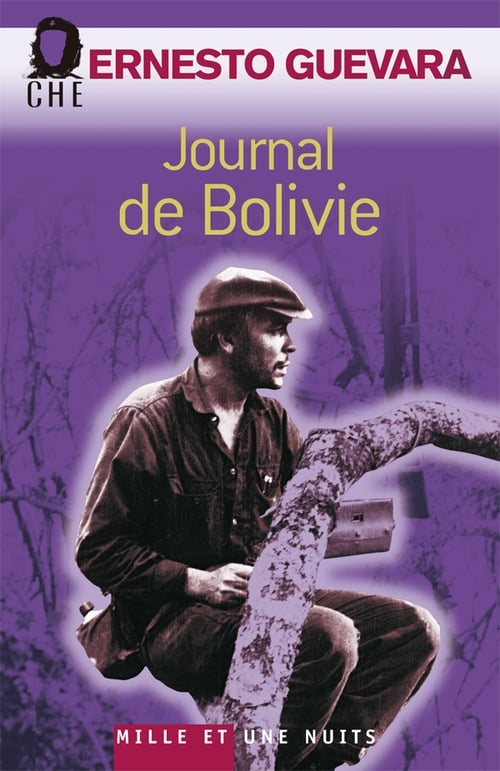
A documentary about Che Guevara in Bolivia, based upon his journal listing daily agendas
No description available.
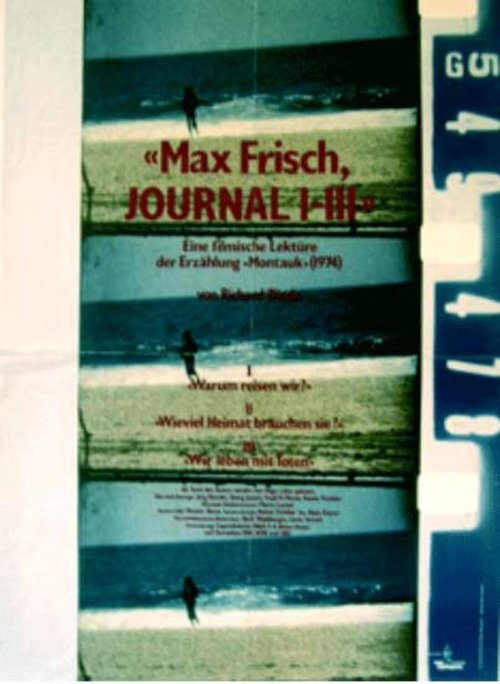
A “filmic re-reading” of Max Frisch's novella Montauk (1974) and of excerpts from his published diaries. It is neither a biographical portrait of Frisch – who was one of the greatest 20th century Swiss writers – nor a filmed adaptation of the novel. Instead, Dindo returns to the locations the author describes in his texts, searching for traces of past events that may turn out to have been more imagined than real.
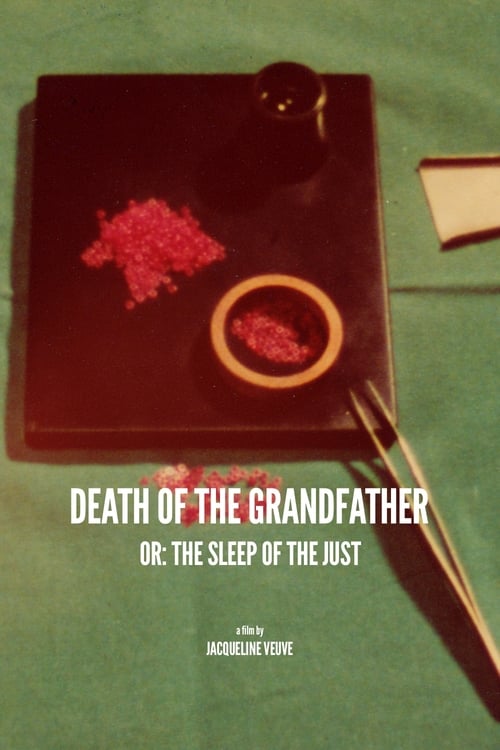
A tale, told by his five daughters, of the life and death of a man very representative of a Protestant Switzerland in the early 20th century where life was conditioned by the work ethic. He was first a farmer, then a factory worker, then the head of a small family affair where his daughters became his workers. The business grew into an large factory that would be eventually taken over by the only son. The five stories show us the family and professional context of the first half of the 20th century. They are also five different versions of the serene death of a man who felt he had done his duty. The film illustrates the ideas of Max Weber, known for their importance in understanding the Western civilization that emerged from the Reformation.