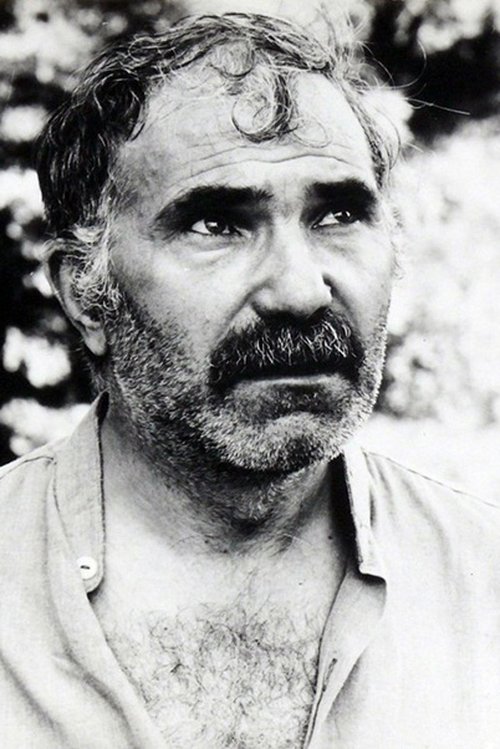
Grigor Vachkov
Acting
Known For
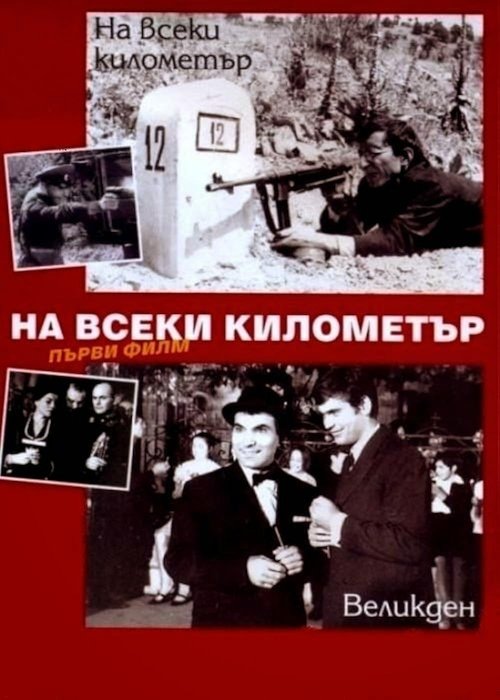
The series consists of 26 episodes divided into two parts as 13 episodes - the first covering the period between 1923 and September 9, 1944, and the second one - after it. The main characters are Nikola Dejanov, played by Stefan Danailov and Dimitar Bombov, nicknamed "Mitko Bombata" (Mitko the Bomb), played by Grigor Vachkov. They are childhood friends, both communists, spies, and partisans.
Every kilometer
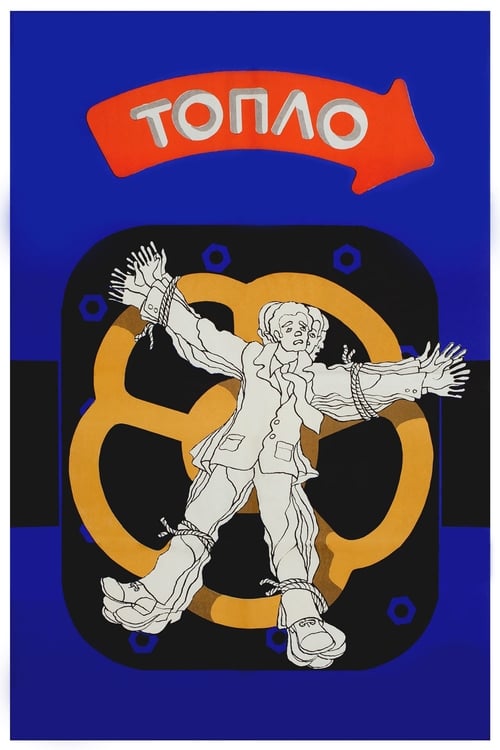
A tenement house needs to have steam heating installed. The residents find the necessary workers to do it, sign the contract and pay them in advance. The workers show up and start their job, but disappear immediately. Panic-stricken, the residents set up to search for them, only to find the workers in jail. Totally desperate, their only chance is to come up with an ingenious plan how to bring the work to the end.
The Central Warmth

Stationed in a secluded Bulgarian village in 1943, Walter – a German Wehrmacht sergeant and artist – lives in almost idyllic distance from the war. Then a transit camp is set up for Jews arriving from Greece. When Ruth, one of the internees, asks Walter to help a pregnant woman, the two form an unlikely bond.
Stars
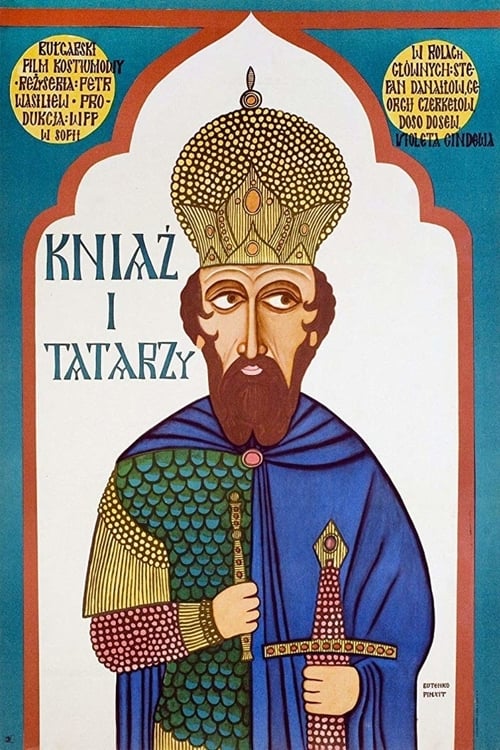
At the end of 13th and the beginning of the 14th century twenty-four-years old, Prince Svetoslav Terter takes the helm of the state. The young Prince engages in a intricate political game, into getting his way by means of court intrigues, and is forced by circumstances. Svetoslav Terter is remarkably shrewd and consistent. He is perhaps the only head of state at this time to take the liberty of impeaching the primate of the country's church. He tries to rally the neighboring Slav people to a joint resistance to the Turkish conquest. Terter lives through a great personal tragedy. He becomes estranged from his dearest person, Mariya, who is too weak to join him on the difficult road of his choice. (written by Georgi Djulgerov)
The Prince
A study in human psychology that uses five disparate characters from clearly defined social positions, this film offers as much insight into the society of a changing Bulgaria, as it does into the minds of individuals in conflict. The story centers around transporting a worker's corpse, in a truck, to the mountain village where he was born. In the truck is: a man who may be suffering from tuberculosis, and who has an unfaithful wife at home; a doctor (the intellectual); a bookkeeper worried over the salaries she pays out; a hermit picked up on the road; and the driver who is a rough-and-ready working-class symbol. The seeds for conflict are set both by the personalities of the five in the truck and by their social background. The director Christo Christov, acknowledges his debt to Henri-Georges Clouzot and the Wages of Fear, for inspiration in the treatment of human conflict, its development through a set storyline, and its resolution in each of the five cases.
The Truck
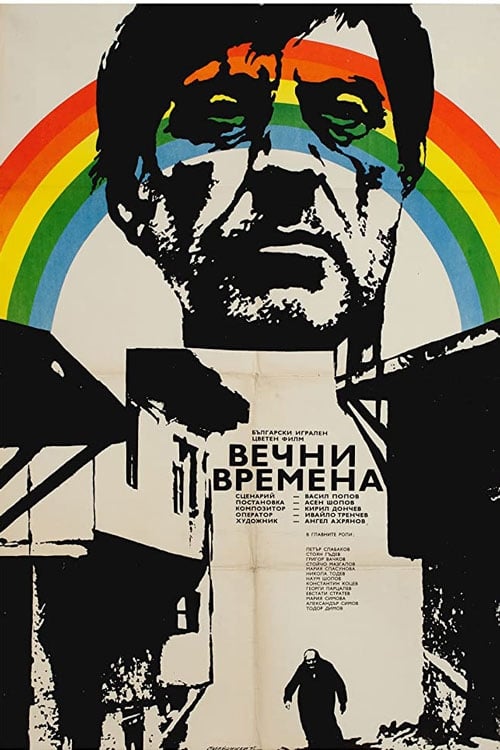
During the socialist regime in Bulgaria, the migration from villages to bigger towns brings a lot of problems and sadness to some of the party activists.
Eternal Times
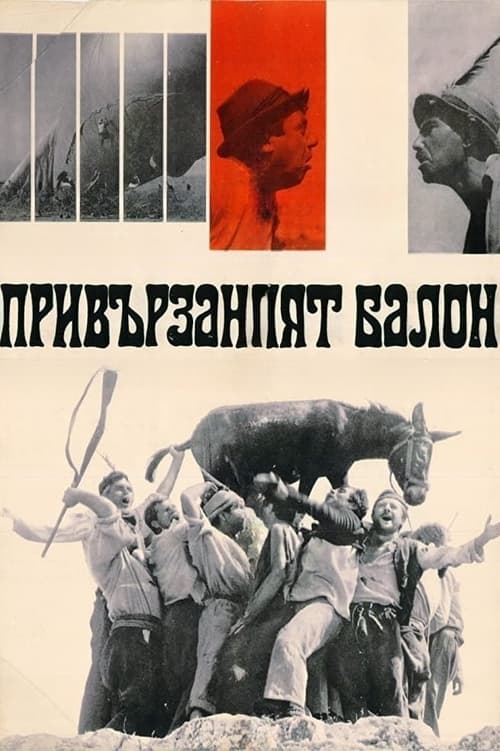
A barrage balloon appears unexpectedly over a Bulgarian village during World War II. The startled villagers decide to knock it down with a fusillade yet the balloon flies off to the mountains. The villagers, armed to their teeth, set off after it. But they are not alone in this undertaking...
The Tied Up Balloon
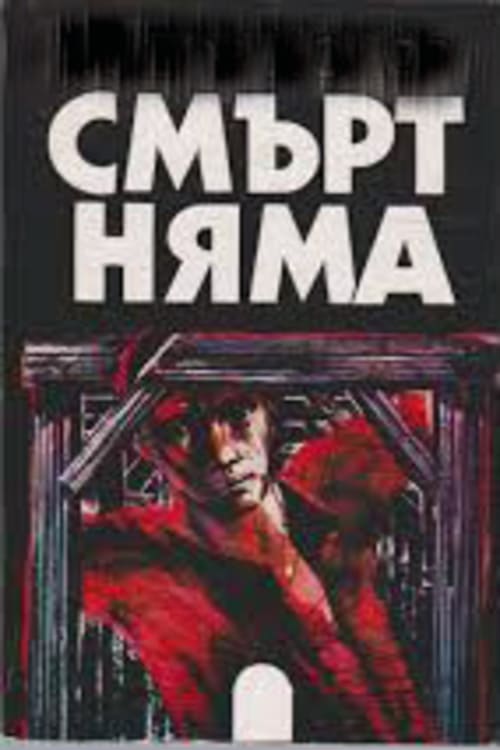
The new supervisor Vasil arrives at the construction site of a dam. Vasil has problems with his men, who mistrust him and reluctantly submit to his perfectionism. He becomes involved with the refreshment bar attendant Lilyana. Vasil, who always wanted children, cannot abandon his childless wife and breaks with Lilyana. When four workers are buried in a tunnel landslide, Vasil makes his way to them and manages to drag them all out, except for Zlatan, a spiteful egocentric, whose legs are caught under a fallen prop. Zlatan begs Vasil to save him, even if it means cutting of his legs. To release the miner's legs Vasil cuts the prop, which is also supporting the roof of the tunnel. Zlatan is rescued. However, Vasil is killed. Since then, the workers say his steps can be heard bellow the dam wall.
There Is No Death

An entire town rallies to help save a young boy after he becomes stuck in a river.
Torrid Noon
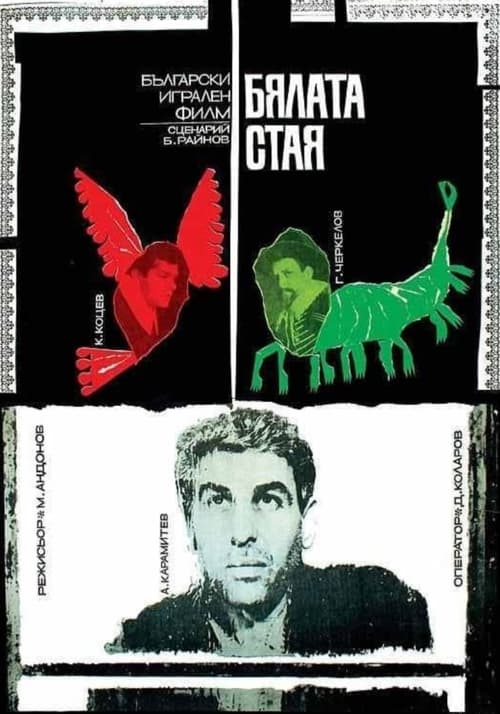
In a white ward in a clinic, a lifetime balance on the verge of death. Memories are herding together in the mind of seriously ill Aleksandrov, a scientist, who evaluates and reevaluates his own life: friendships, loves, career. Images of his youth are crowding in: of his beloved, of his children, of evenings spent with his friends, ups and downs. And no one is able to say if all this made any difference.
The White Room
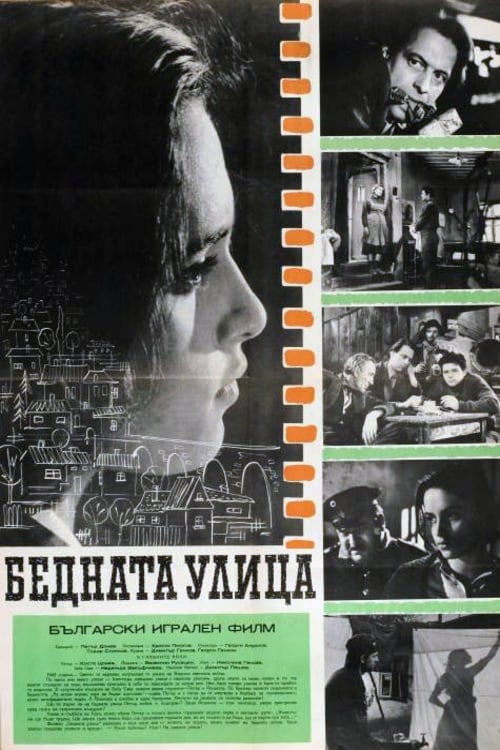
The students Yoshkata and Petar share rooms and wartime privations in a poor man's street. Over a glass of vine, Yoshkata often talks about the stage life of genuine beauty. The student is unaware of the passion with which Vaska, the barmaid at the local pub, burns for him. Petar is a member of an antifascist combat unit. The pupil Katya loves him. Petar carries out a sabotage action and comes home wounded. Yoshkata manages to deceive the Germans who rush into their flat that they have been drinking and playing cards throughout the evening. He saves his friend. However, the secret agent notices the doctor's visits. When the police arrive to arrest Petar, Yoshkata tries to resist them and the agent shoots him dead. Petar goes underground. On the day of the liberation, all the residents of the poor man's street celebrate, and Katya and Petar happily reunited. Vaska is there, too, a baby in her arms, the fruit of her love with Yoshkata...
Poor Street

What happens when a distracted newspaper editor-in-chief initials a "yes" to print a sharply critical feuilleton and a "no" to the feuilleton author's application for leave instead of the other? Well, an incredibly funny mess, which only the screenwriter Radoy Ralin and the director Vladimir Yanchev can mix. Of course, supported by the whole constellation of comedians that Bulgaria had in the early 60's. The commotion occurs when dozens of big and small bosses and directors from all over the country recognize themselves in Karaivanov, the fictional hero of the feuilleton. They all run to the editorial office to demand refutation and punishment of the author. Just watch as they bury themselves in an avalanche...
The Incredible Story
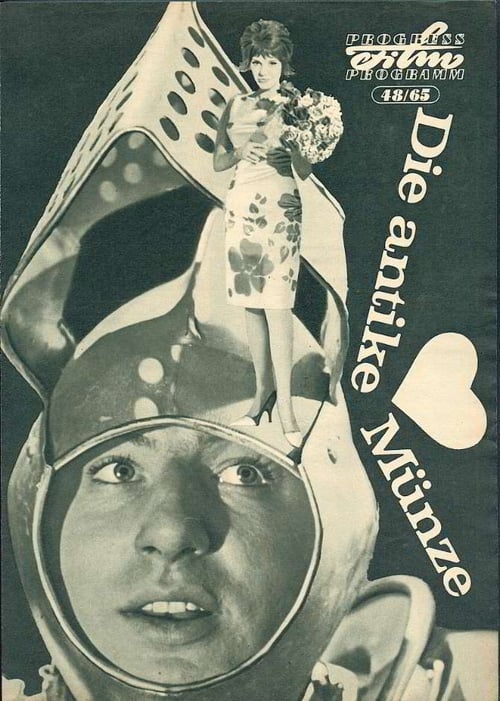
History teacher and coin collector Karl Schneider wants to track down an ancient coin while on vacation in Bulgaria. When he meets a group of musicians, he finds out that their singer Jana Christova is wearing this coin around her neck. He falls in love with her, but the young love soon faces some unexpected troubles. His travel companion, the pop singer Theobald, accompanies the events with music.
The Ancient Coin
American filmmakers associated with the mafia are concerned about the great success of Bulgarian films around the world. They decided to send a big spy, Jesse James, to Bulgaria. His task is to blow up the film studios. But the Bulgarian inspector Lokum Shekerov is at his post.
Jesse James vs. Lokum Shekerov
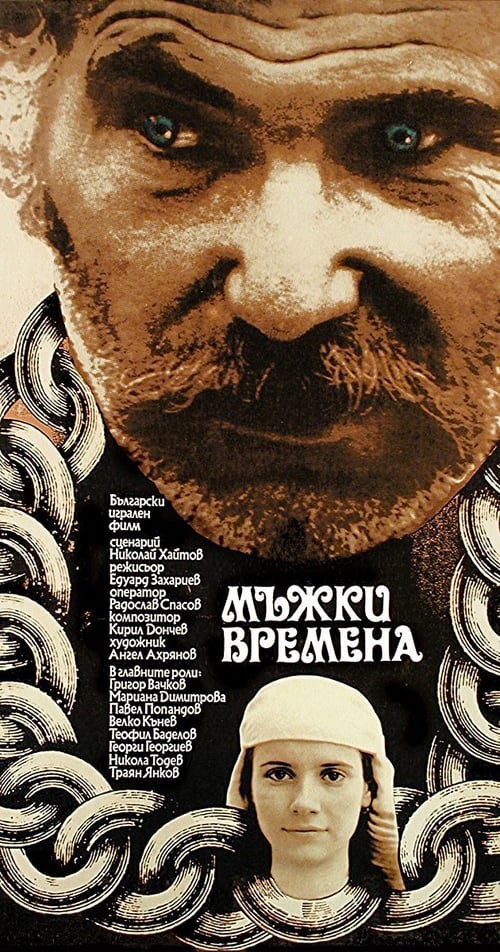
There were times when stealing girls in these lands has been a worthy vocation, was a habit and a sort of custom in Bulgaria. Only the strongest and most experienced men took the profession up. A young and brave Bulgarian highlander was given the job to bring, no matter how, a certain beautiful girl to be married to somebody.
Manly Times
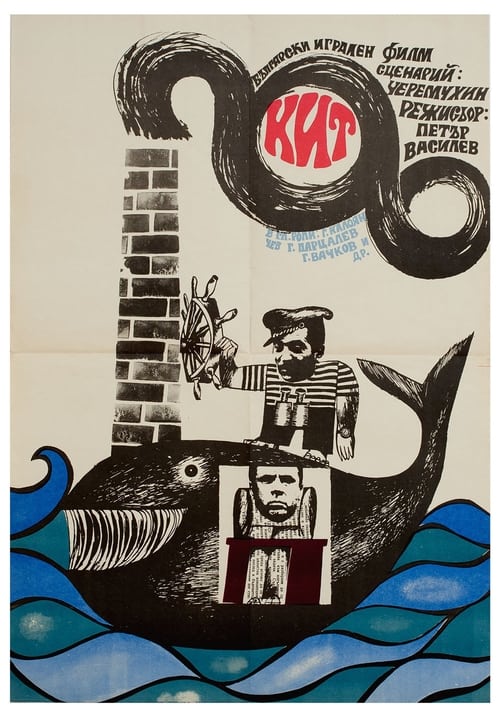
A fishing boat comes back to the port. Fishermen are crestfallen, as they have caught only one very little fish. To save face, they fib they have 300 kilo of mackerel on board the boat. In their will to report a success, the port administration decides to pad out the weight. So, the very little fish is grossly exaggerated into tons of belted bonito, then into dolphin and ultimately, into a whale. Which results in celebrations, honors and awards... There, naturally, is no any whale. Instead of brilliant display of an unprecedented success, the white collars make a brilliant display of their unparalleled foolishness.
Whale
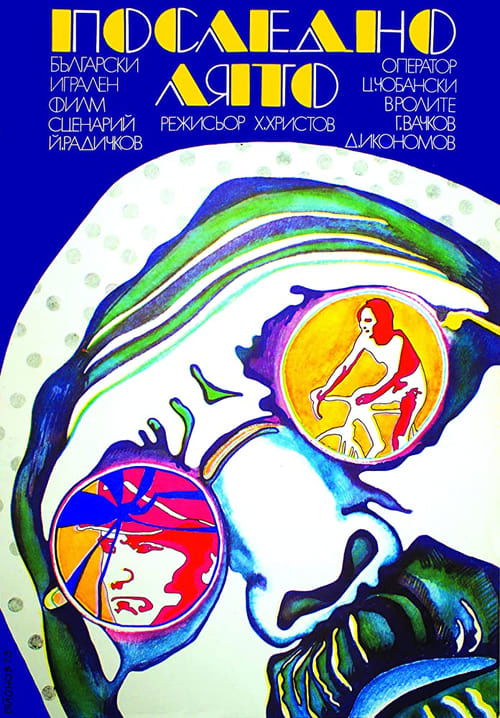
This film is a dramatic, colorful parable about migration from the countryside to the urban areas, revealing the deep-rooted attachment of the peasant Ivan Efreytorov to the patriarchal way of life.
The Last Summer
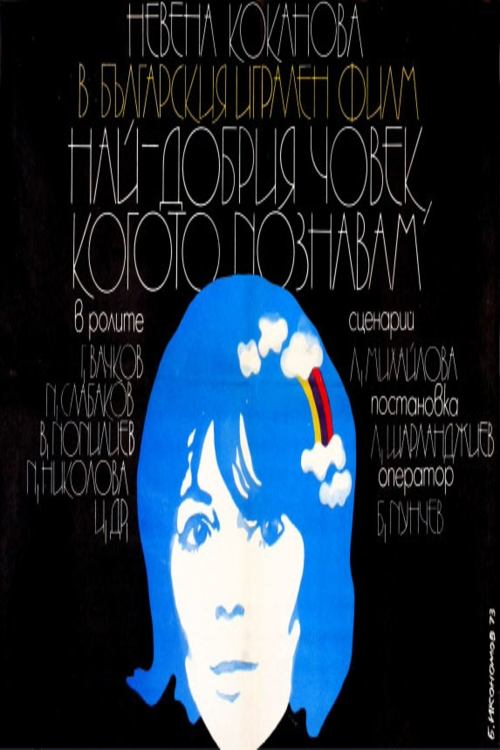
A young literature teacher joins an evening technical school where her students - miners, metallurgists, builders and drivers - clash with her literary ideals. To understand them, she visits their families, workplaces and reads their essays on “The Best Person I Know,” learning their hidden struggles and reexamining her own moral judgments.
The Best Person I Know!
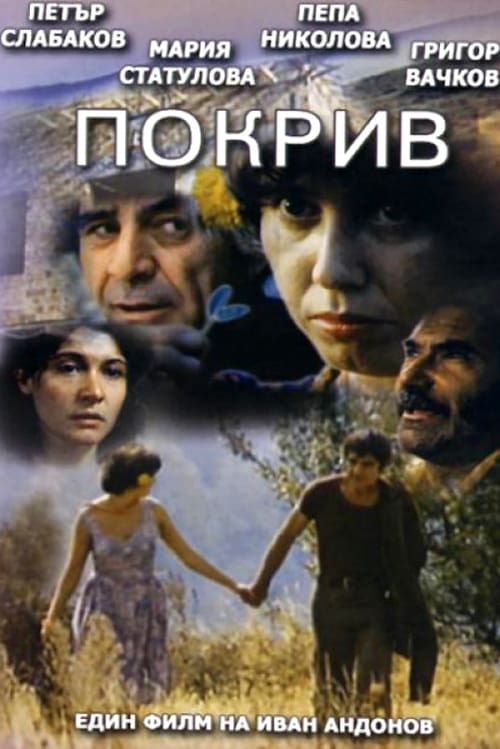
The truck driver Kiril has a dream to build a house for his family. Is this a possible ambition in society of scarcity and envy.
A Roof
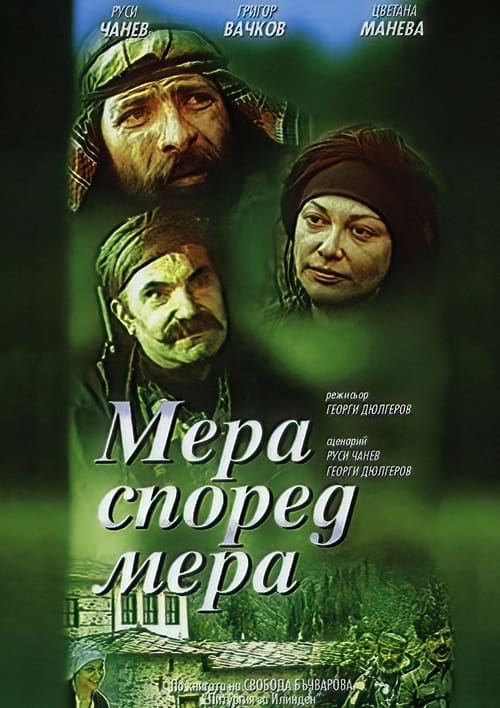
Early 20th century. This is an era of seething passions, aspirations for freedom and national self-identification. Uprising are incited, blood is shed. The picture features national leaders who become heroes as early as in their lifetime. The protagonist is rank-and-file Macedonian who is unwittingly swept by the events. Later, it was his conscious choice. He was a witness of changes, crucial for the nation. He comes across legendary personalities. He gets enchanted and disappointed. He is seeking for the right answers, rethinks what he saw and experienced to tell his story in his simple, but candid and wise words of his own.