Binka Zhelyazkova
Directing
Biography
Binka Zhelyazkova was a Bulgarian film director. She was the first Bulgarian woman to direct a feature film. Her work often reflected her struggles, and four of her nine films were banned from distribution and reached audiences only after the end of communism. Despite her difficulties at home her films won numerous awards outside of Bulgaria.
Known For

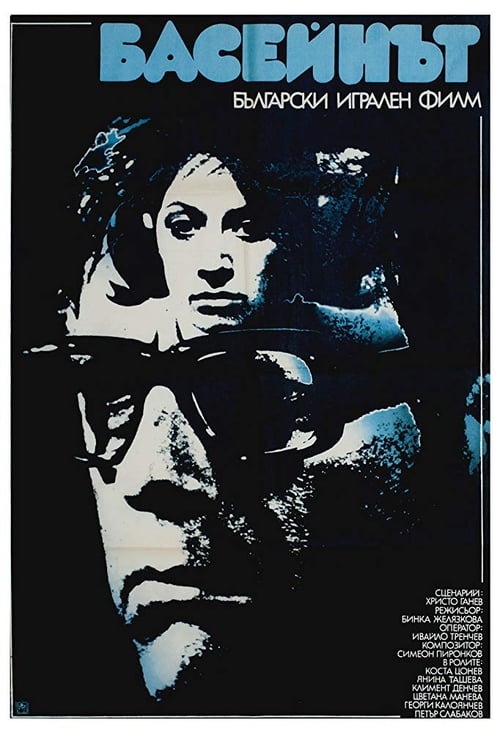
Apostol, an architect on this side of forty, meets by chance Bella at a swimming pool on the night of her graduation party.
The Swimming Pool

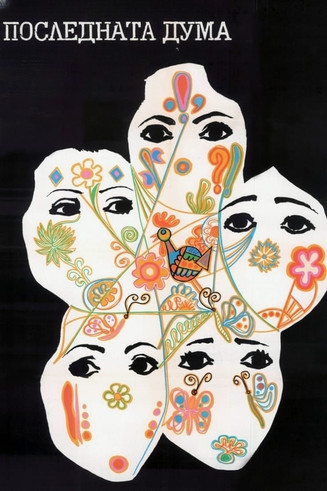
The seven women inmates in Poslednata Duma are imprisoned because they have been associated with partisans opposing the fascist puppet government of the German Nazis. Each of them has the power to save herself if she will betray the others, and each bravely refuses to do so, even though it means they all will die. Despite their grim situation, and the atrocities perpetuated on them as political prisoners, they manage to laugh, and even celebrate a festival.
The Last Word

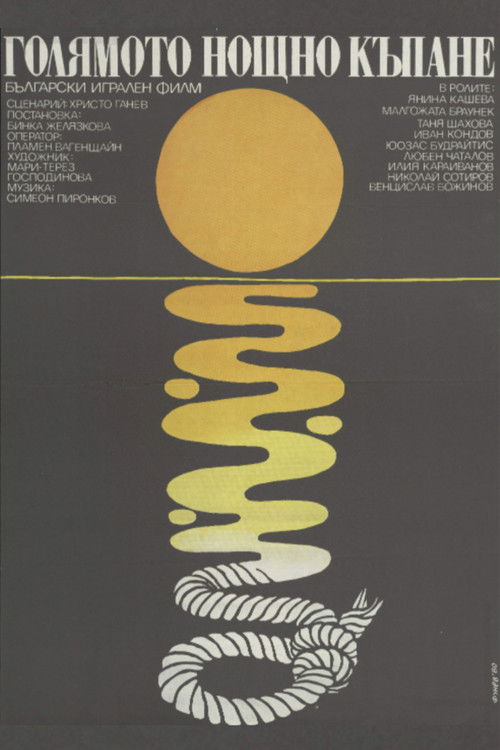
Friends of different generations, practicing different professions, spend together their summer holidays at the seaside every year. It is sunny; they look carefree and happy. They know each other very well, they are used to each other. To such an extent, that bore becomes inevitable. It is boredom that incites them to play a dangerous game. The end is dramatic: a young boy gets killed. It is the moment to draw the bottom line. The question is: Isn't the death of the spirit worse than of the body?
The Big Night Bathe

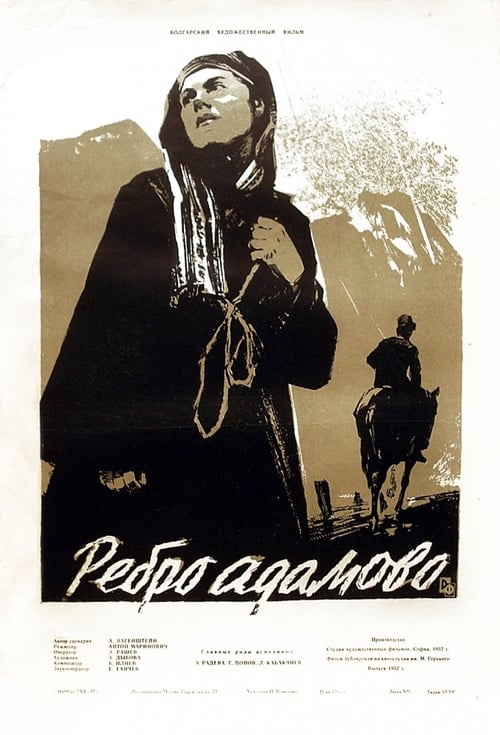
The young Bulgarian Muslim woman Zyulker wants to study and become a teacher. Her father decides to arrange a marriage to her. After the wedding, she runs away and goes to the town. There she starts work in a hostel. Her husband takes her back. He beats and humiliates her. She gives birth to her child prematurely, takes the baby and goes to the school for Muslim in the town. She has to surmount many difficulties. The young woman meets her first teacher Stefanov. The two fall in love. With his help, Zyulker finishes her study successfully and makes up her mind to return to her native village as a teacher. Stefanov follows her and proposes to her. The two embrace.
Adam's Rib

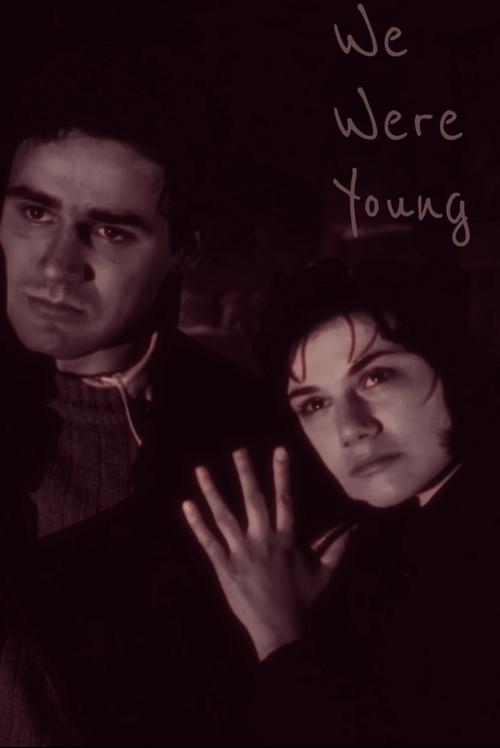
During Second World War a beautiful love between two young people burns out against the background of the Nazi reality.
We Were Young

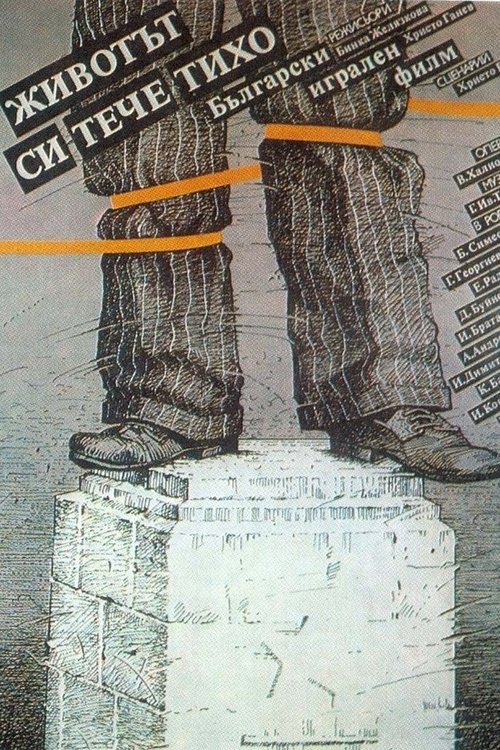
The fortunes of a group of partisans after the triumph of the socialist revolution.
Life Flows Quietly By...

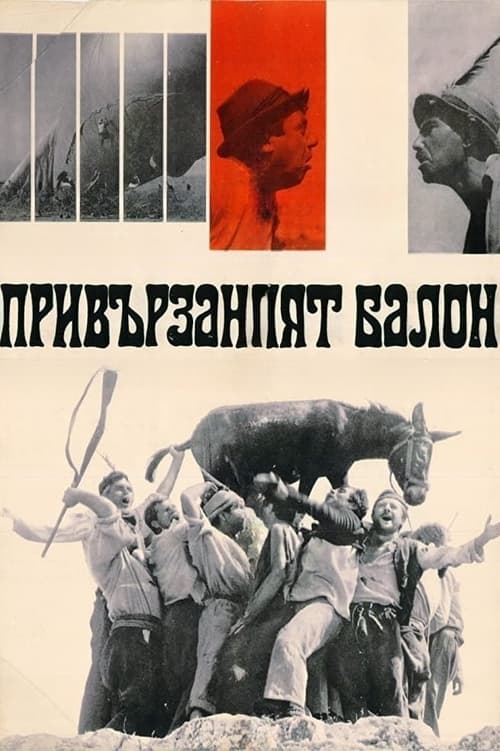
A barrage balloon appears unexpectedly over a Bulgarian village during World War II. The startled villagers decide to knock it down with a fusillade yet the balloon flies off to the mountains. The villagers, armed to their teeth, set off after it. But they are not alone in this undertaking...
The Tied Up Balloon

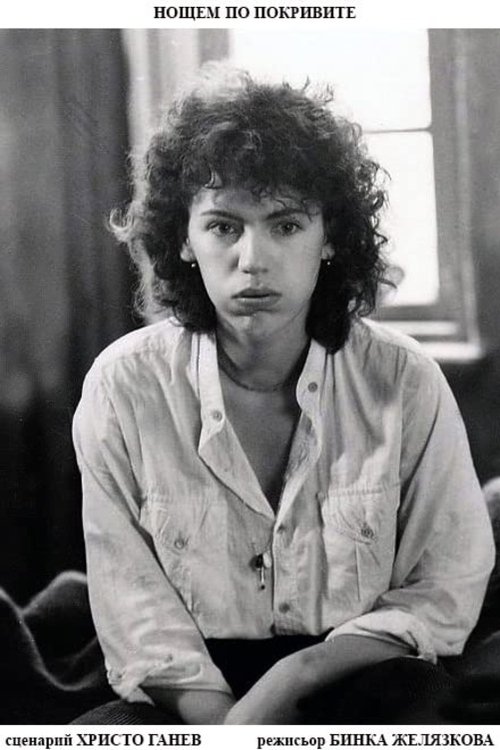
Two girls with the same name—Nadezhda [Hope]—live in the same apartment. Great Nadezhda is isolated from other people. She has no other aspirations than to marry a man much older than her. Over time, she will realize that this is her father, whom her mother is hiding. A small Nadezhda is the complete opposite of a great Nadezhda. She lives for others. Take care of Grandpa. She opposes rudeness and meanness. Gradually, the two girls change places. They become two parts of one whole.
On the Roofs at Night

"Nani-na, sleep tight" is the song Bulgarian mothers sing to their little babies. It is obvious that the same song is sung to the little babies in the women's prison in Sliven where the great Bulgarian director Binka Zhelyazkova made two documentaries, the first one named "Nani-Na" /"Lullaby"/ with the incredible true stories of the prisoners in that facility. Immediately forbidden, this movie plus the other one - "Lice i opako" or "The Bright and Dark Side of Things" also made the same year were shown 8 years later when the socialist regime wrongly named as communist one fell apart in 1989. Sadly, Binka Zhelyazkova made no other movie after 1990 until her death in 2011. Deeply insulted by the Bulgarian authorities she decided to decline from cinematographic work, which is something very frustrating indeed, given that all her movies are now evergreen classics.
Lullaby

The fundamental questions of human life about guilt, repentance, and redemption are posed in the two documentary essay - about the grief of the women from Sliven Prison who give birth to their children behind bars. Binka Zhelyazkova diagnoses the public through the stories of her heroines. The film does not appear on the screens after their creation, but only after the changes in 1989.