Valerian Sidamon-Eristavi
Art
Known For
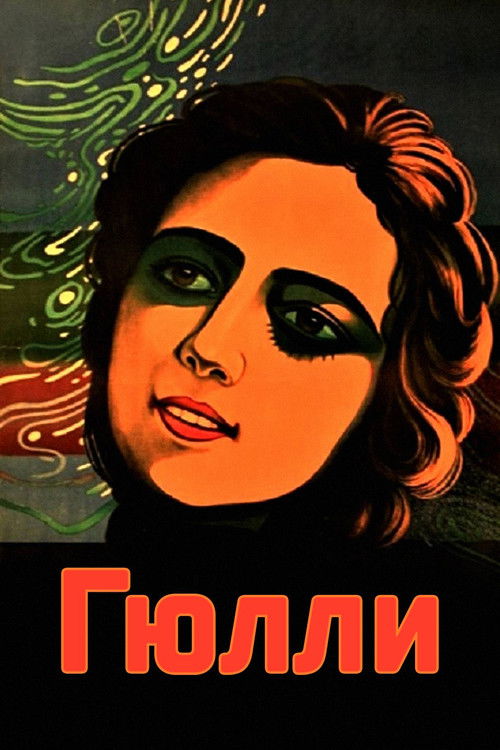
A pretty young Azeri woman Giuli and Georgian guy Mitro are very in love. But because of traditions she can not marry him. Young people run away to get happy together, but without success.
Giuli
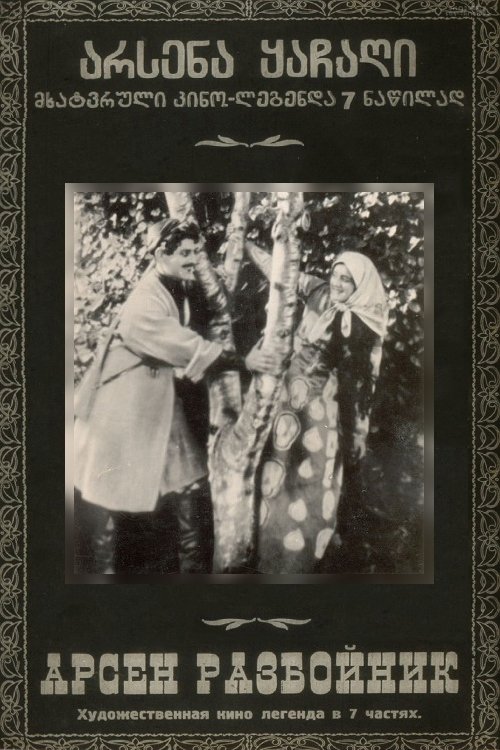
Following an order of the landowner, the bride of Arsena’s fellow villager gets kidnapped and the bride’s father is relentlessly flogged. Arsena tries to rescue the woman but fails and goes to the mountains with his newly married wife. Above all, Arsena learns that his wife is impregnated by the landowner and burns down his house. Arsena gets arrested, but manages to escape and joins the rebel peasants. Arsena feels that with the passage of time the rebels turn into criminals and continues to fight with the oppressors alone.
Arsena, the Brigand
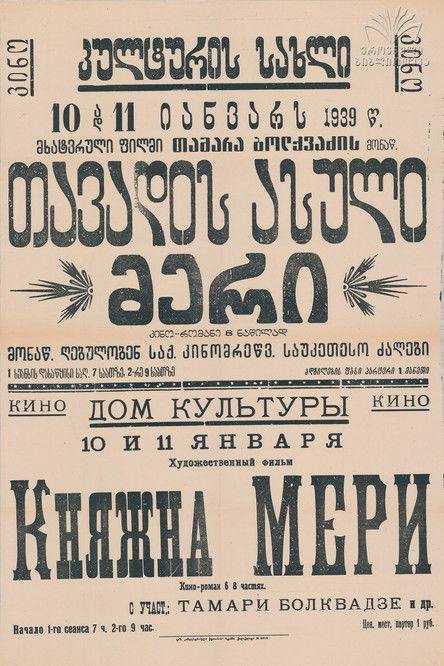
The boring daily life of the high society of Pyatigorsk in the XIX century is revived by the arrival of Pechorin from St. Petersburg. Pechorin’s love affair with Mary becomes the subject of controversy.
Duchess Mary
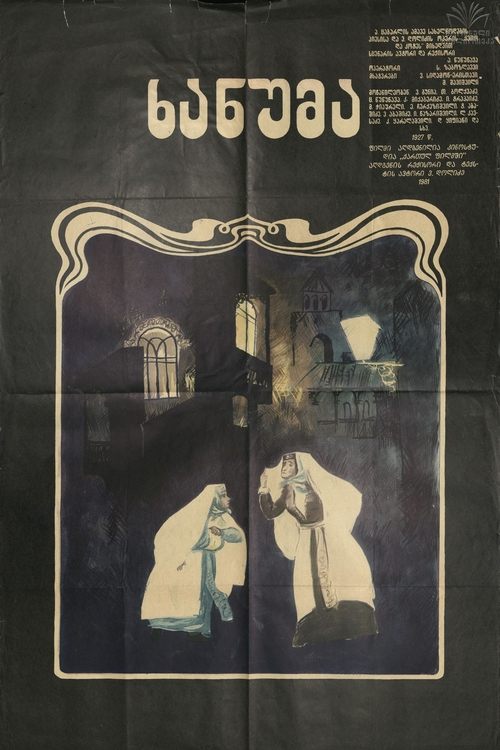
Prince bon-vivant Levan Phantiashvili finds himself in a difficult financial situation. To make his life better he agrees to marry the merchant Adam Varakhidze’s daughter, Elo. The merchant is happy for this move opens the door in a high society for him until he finds out that Elo is not quite happy with his decision.
Khanuma
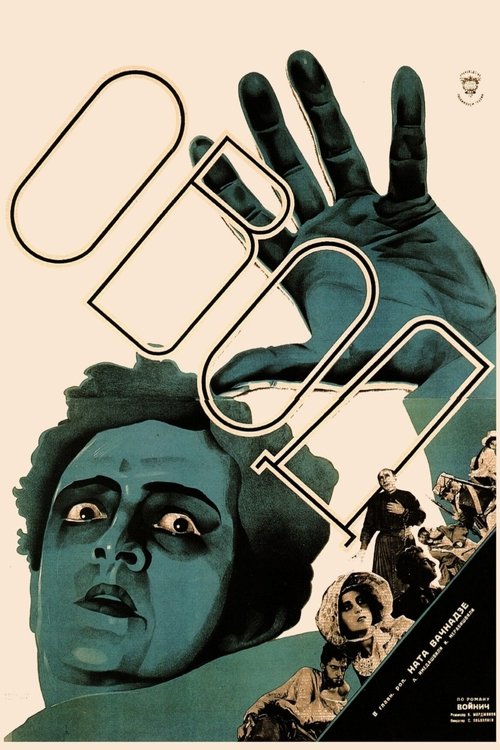
In Italy during the first half of the 19th century, Arthur, a student at a seminary, joined the revolutionary society “Young Italy.” His sincere faith in God compelled him to reveal the society’s secret during confession to his new confessor. However, the confessor denounced the society, leading to the arrest of its members.
The Gadfly

The legend of the Suram Fortress.
The Surami Fortress
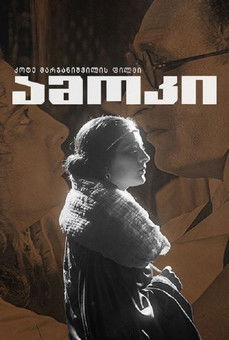
A drug-addicted doctor lives in isolation in Africa. One day, a young, attractive married woman approaches him, seeking an abortion. He agrees to perform the procedure, but only if she submits to his sexual demands. The woman refuses and leaves immediately.
Amoki
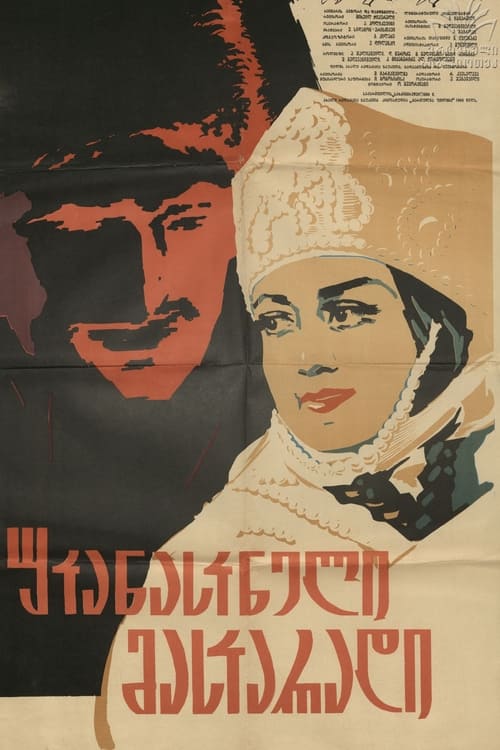
The revolutionary struggle of the Georgian proletariat is the central theme of this story. The narrative follows the life and fate of a young revolutionary named Mito. After the Mensheviks disrupt a railway strike, Mito is sentenced to three years in prison, and his father is executed. During his time in prison, Mito shares a cell with an old Bolshevik, which transforms the hot-headed and unstable young man into a conscious Bolshevik. Soon, World War I begins, and Mito, who has just been released from prison, is sent to war.
The Last Masquerade
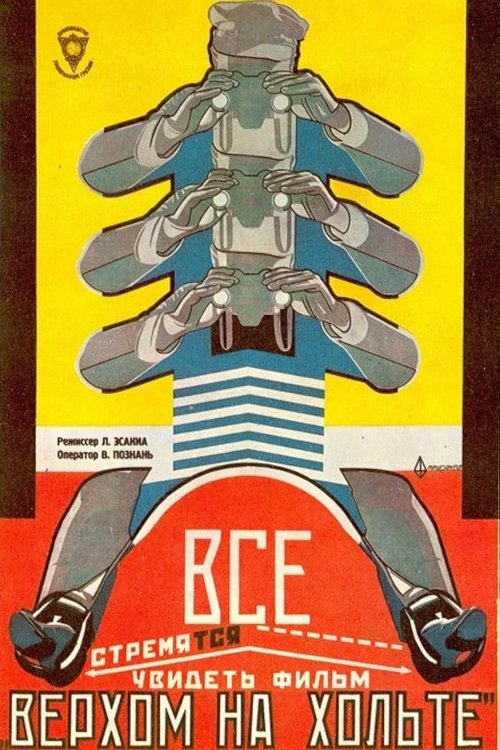
The film deals with the problems of the newly established collective farm. The foreign tractor “Holtze” sent from the city to the village is in great demand.
Holtze
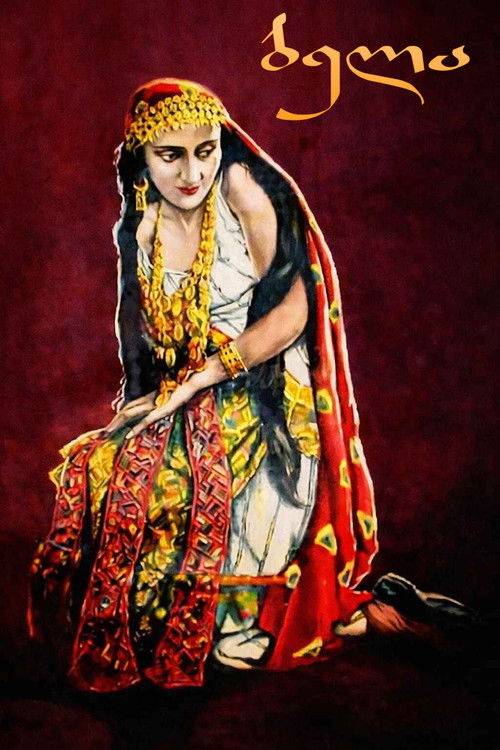
Pechorin is deprived of the officer’s rank and gets transferred to one of the mountain villages of the Caucasus. He gets bored of the everyday life and starts looking for fun. He promises Azamat to help him steal Kazbich’s horse if the former allows Pechorin to marry his sister Bela. Soon Pechorin gets annoyed by Bela’s presence. Kazbich, insulted by the theft of his horse kills Bela. Coldblooded Pechorin is hardly moved by this news.
Bela

Gogi is about to test his flying machine, so everyone better take cover!
Gogi - The Young Pilot

The action of the film takes place in 1905-07. The main characters are a revolutionary who escaped from Metekhi prison and two brothers who hate each other.
Farewell
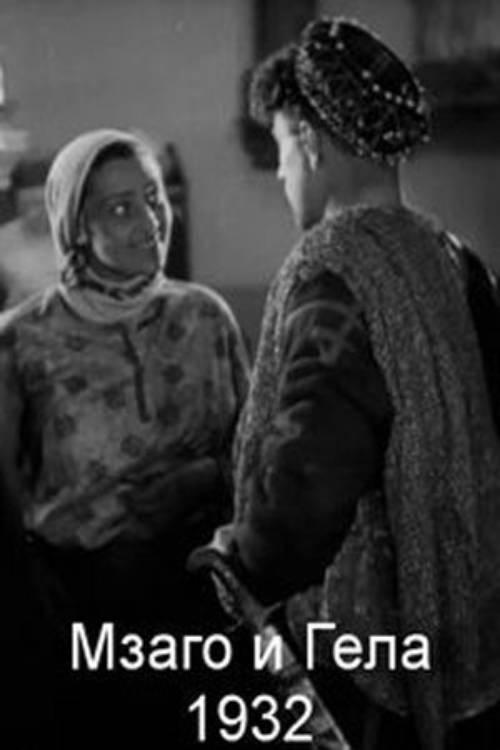
Mzago is an adventurous Khevsurian highlander who is fascinated by the radio, embraces changing times and sets off to the big city. Her suitor, Gela, is a less adventurous Khevsurian who decides to follow her.
Girl of the Mountains
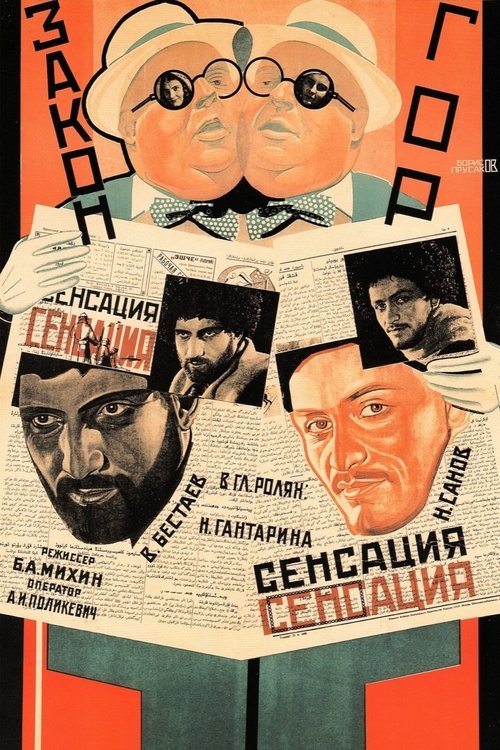
Dolgat and Ismail are friends; they work in 19th century Karachai-Balkaria in wood-industry. Ismail by accident kills brother of Dolgat. He believes that it happens by chance and does not think that his best mate is guilty. But mountain community demands for a vendetta.
Law of Mountain
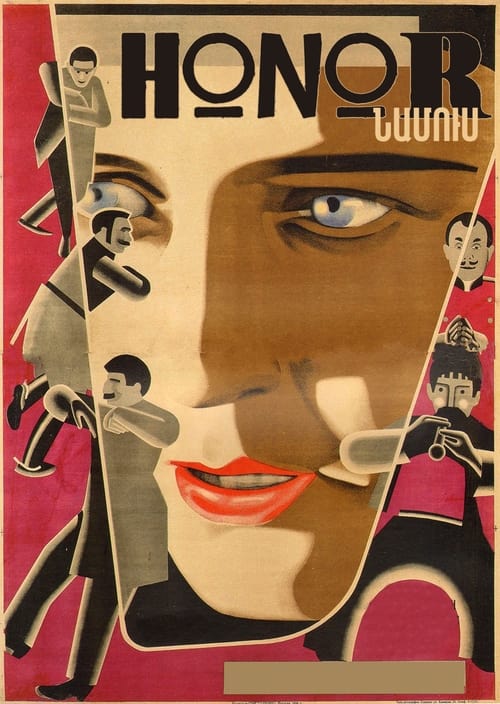
Based on Alexander Shirvanzade's 1885 novel of the same name, the film denounces the despotic rites and customs of Caucasian families. It is widely recognized as the first Armenian feature film.
Honor
In a capitalist country, "Jacob's Trading House" makes money by smuggling cocaine. To hide its shady business, the firm buys up land at cheap prices and leases it to the city's unemployed. But even here, the businessmen create a situation of slavery for the settlers. The manager of the firm marries the girl he seduced to one of the colonists, a former vagrant. The girl suffers greatly from this farce and tries to return home. Her old father fights Jacob. Jacob knocks the old man down. The colonists' patience runs out and they march against the businessmen.
Two-legged
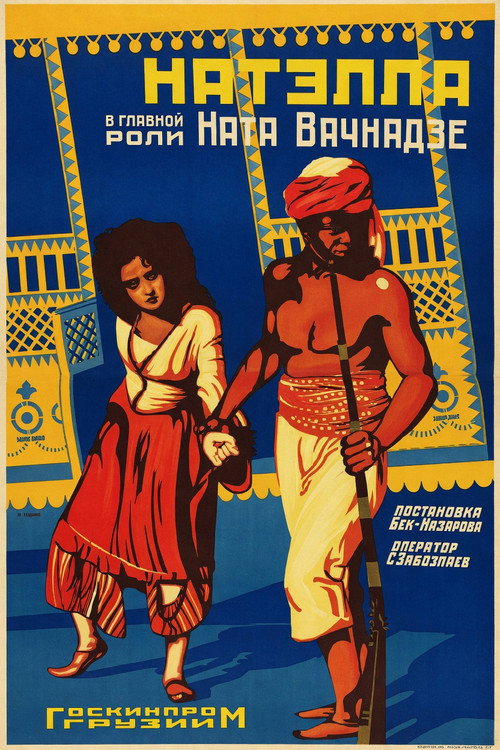
Love, adventure, and revolutionary uprising in 19th century Georgia.
Natela
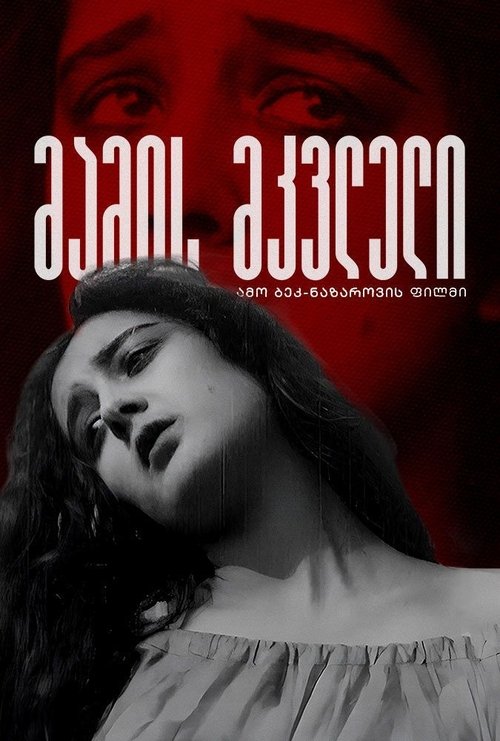
Nunu and Iago are in love with each other. The married guard Girgola wants to get hold of the woman. Girgola gets Iago arrested and makes Nunu marry his retarded brother. On one occasion he finds the woman alone and rapes her. Nunu jumps in the river to commit suicide but gets saved by Iago’s friends. Iago escapes from jail, but Girgola attacks his hideout and haves him killed together with his friends. Girgola also kills Nunu’s old father and accuses Nunu of the murder. Nunu is tied to a pole and dies in the exile.
The killer of the father
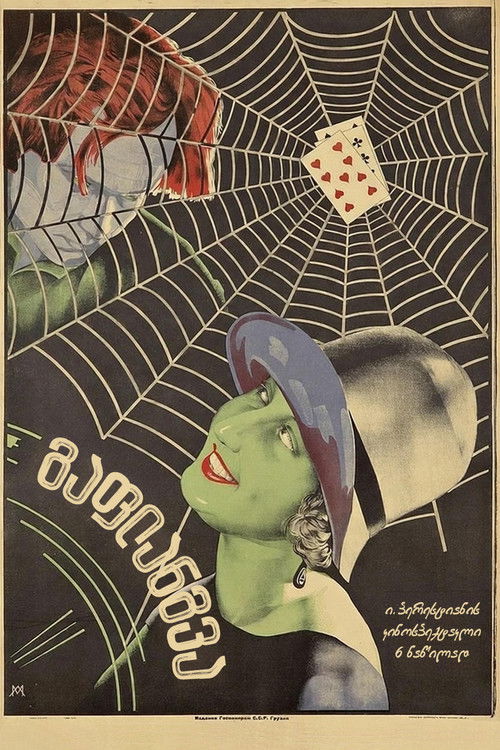
The novice writer Vasil Safonov and his friend, the cashier Apollon Kazachkov, become regular guests at the local casino. Their gambling habits lead them to unwittingly squander state funds. Initially, Kazachkov manages to return the wasted money, but his passion for gambling consumes him, and he loses every penny. This leads to his arrest, leaving Safonov in a desperate situation. Soviet youth, including Muscovite Reztsov and the Komsomol girl Marusya Kostova, come together to help Safonov find his way back on the right path.
Wasting

Komsomol member Mansume Musaeva graduates from university and goes to work in the oil industry in Baku with her husband. The couple engage in cultural and educational work among the backward population, especially among women. They are opposed by old oil workers. At the same time, Efendiev, the head of the militia, approaches Mansume and tries to win her heart. Efendiev tries to subdue the woman by force. During the fight, the woman recognizes in him the commander of the punitive detachment, the Musavat officer who killed her father and burned down the village. The Shinsakhkom organs intervene in the case. In order to save himself, Efendiev sets fire to the oil tower, but he himself dies in the fire.