Editing
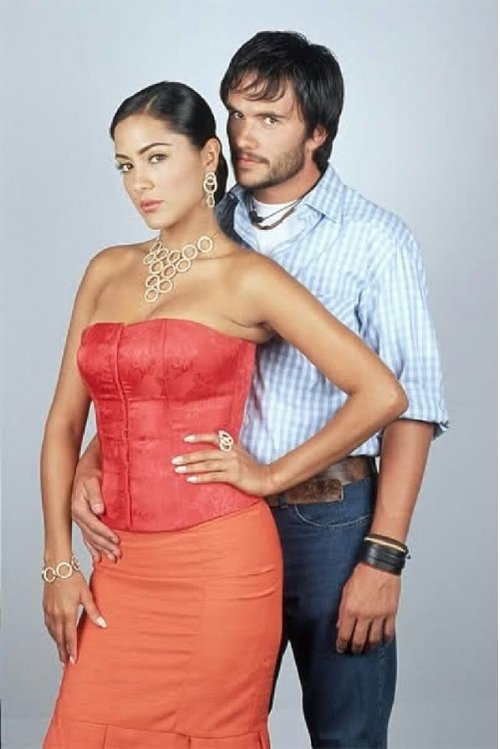
Llovizna is a 1997 telenovela from Venezuela, starring Scarlet Ortiz and Luis Fernandez. It was produced by the now defunct RCTV. This telenovela contained 145 episodes.
Estrambotica Anastasia is a Venezuelan telenovela, produced by Coral International for Radio Caracas Television in 2004. It was written by Martin Hahn, who is known for telenovelas like "La mujer de Judas" y Amor a Palos". It lasted for 146 episodes, and was broadcast Monday to Friday on Radio Caracas Television.
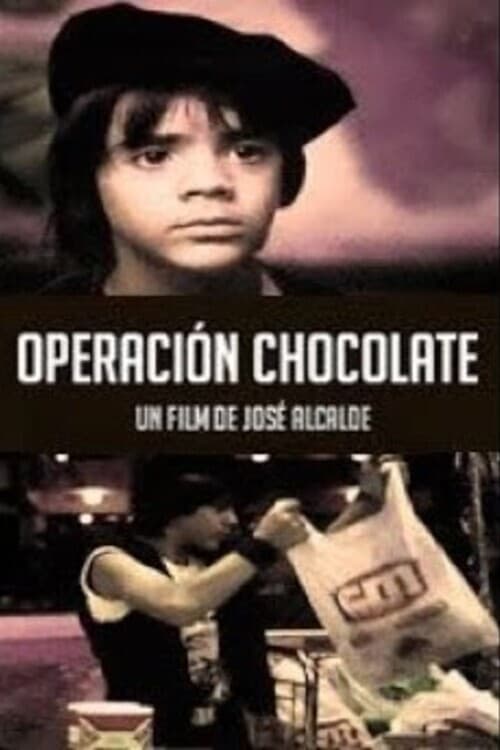
1984, in Venezuela, in a supermarket, young children are used as caddies: they load customers' errands and roll them up to their car. Their leader is Rafa (Amilcar Rivero). Cheo (Alexandra Rodriguez) would like to be caddy and despite the agreement of the chief of staff, Rafa asked him to pass the test of the "little day": spend a night inside the store without getting caught by the guards.
No description available.
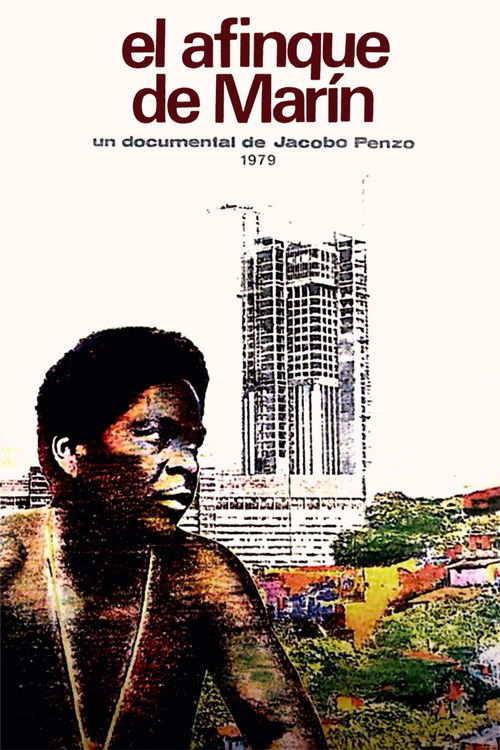
El afinque de Marín (1979) is an iconic Venezuelan documentary directed by Jacobo Penzo that explores the life, culture, and popular music of the Caracas neighborhood of Marín. Far from being merely a film about music, it delves into the social roots and collective identity of the barrio, using rhythm and everyday life as a lens to reveal the bonds, struggles, and shared histories of its inhabitants. Through its intimate portrayal of people, sounds, and spaces, the film becomes a vivid testament to popular culture as a living expression of community and belonging.
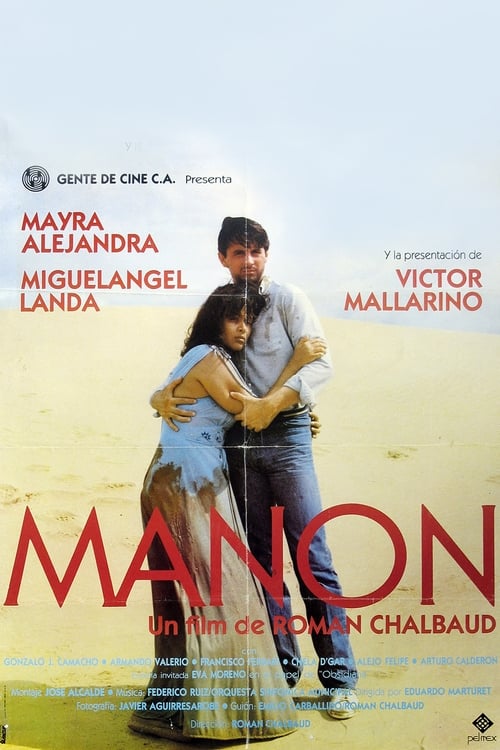
During a bus ride through the Andes, two seminarians encounter with a woman named Manon. Immediately, one of them falls in love and the attraction is mutual, so they decide to flee to capital city to start a new life. But the love of Manon ambitious drags this man to leave his vocation and commit criminal acts to maintain a life of luxury and extravagance.
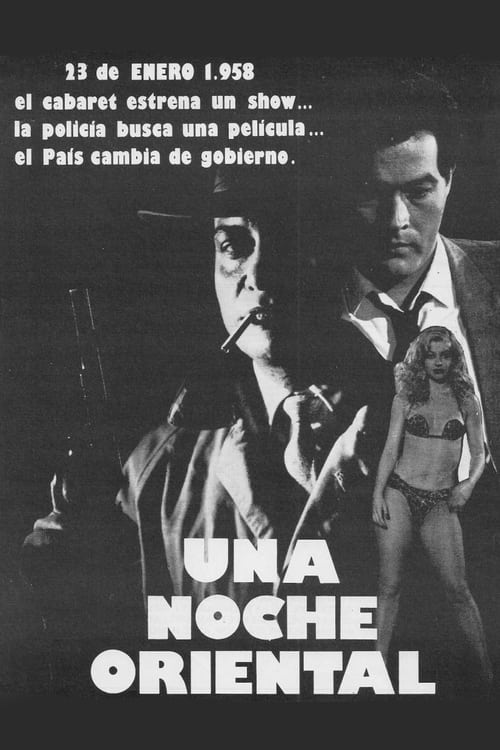
Benito Zamora, a conspirator against the Perezjimenista government, uses Leonor Montes, a young vedette friend of a colonel, to find information. National Security is pursuing Benito to dismantle the plot.
Andrés lives obsessed with the disappearance and possible murder of his family during a violent military coup in his country. The years have aggravated his obsession and he has become a police man as a way of accessing the truth. There is some madness in his life. He won’t rest until he finds the truth which is closer every day.
Set against the turbulent backdrop of Venezuela’s oil industry on the cusp of nationalization, La hora Texaco follows the Montoya family as they struggle with internal crises amid social change. The father, a skilled oilworker, sinks into depression; the mother, both teacher and homemaker, carries on an affair; and their son Bobby is torn between his passion for baseball and his unrequited love for Angélica. Years later, Bobby and Angélica reunite, replaying memories that shine a harsh light on ambition, family, and sacrifice.
Elsa and her married friend Miranda become jealous and violent toward each other as they compete for the sexual affection of the hunk Sergio. Elsa takes comfort in the arms of Miranda's husband Eloy after Sergio and Miranda run away together. Their lustful desires lead to tragedy in this erotic drama.
Two men and a woman are about to experience living as a threesome, this process brings out of them their fears, some moral barriers must be dismantled before the complex process of understanding and accepting each other can succeed.
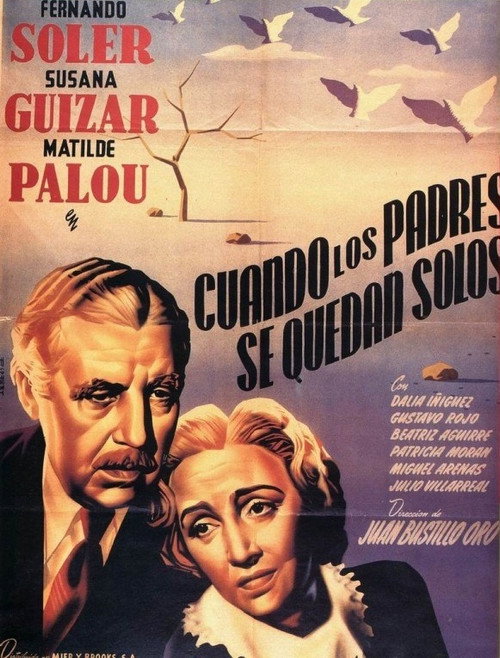
Some elderly people mortgage their house to pay the debts of their children, but they do not return the money and lose their house.
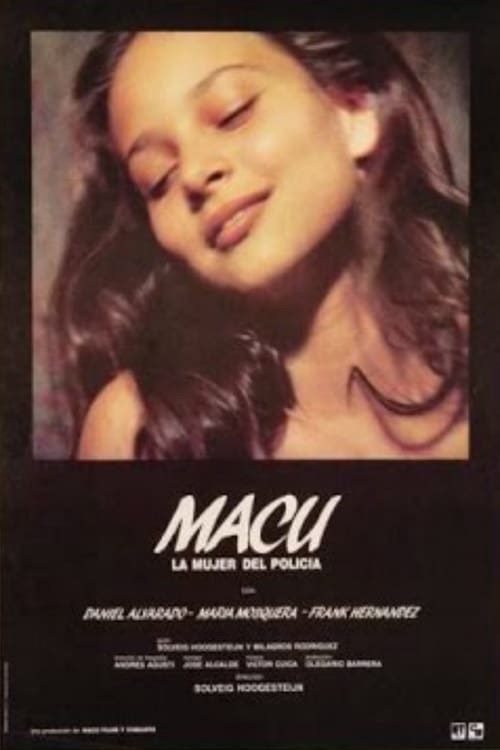
Directed by Solveig Hoogesteijn, Macu, the Policeman's Woman (1987) is a Venezuelan crime drama based on a true story. The film follows Macu, a young woman living in a Venezuelan shantytown, who becomes romantically involved with a local policeman named Ismael. As their relationship develops, Ismael's jealousy intensifies, leading to tragic consequences. The narrative delves into themes of power, control, and the dynamics of abusive relationships within marginalized communities. The film is notable for its exploration of gender roles and societal issues in Latin America.
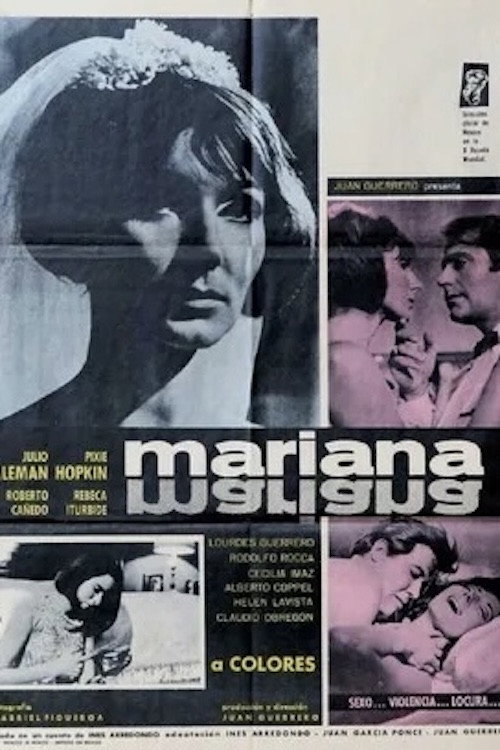
As a teenager and student at a convent school, young Mariana runs away with her boyfriend, provoking the wrath of her father who sends her to Switzerland for ten years.
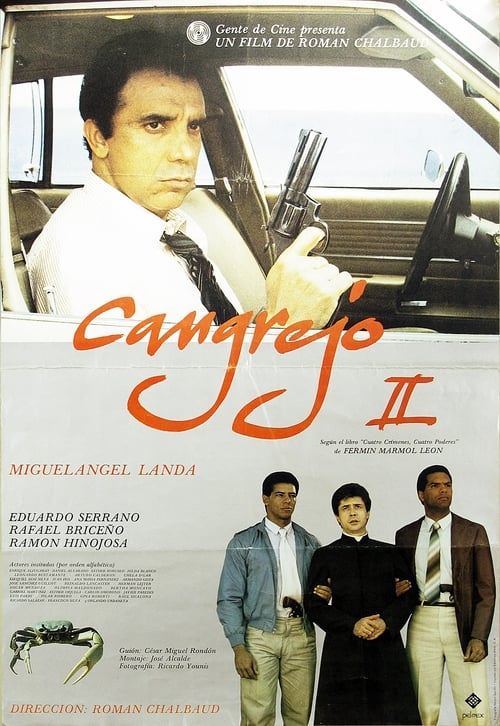
Commissioner Leon (Miguel Angel Landa) investigates the murder of a woman in a population near the capital. The woman was raped before death and the case is complicated when his brother becomes the prime suspect, since it is a priest (Eduardo Serrano). Because of the implications that inquiries might have, Leon is pressured to keep the event as a "crab" (Cangrejo, or a unsolvable case), but he decides to comply with the law.
Victor, a family man, becomes romantically involved with Rosario, a young newly arrived prostitute from the city of Maracaibo. His obsessive love and the desire to share his life with this woman, will lead him to despair.
Adonai Flores, an experienced writer of telenovelas, falls in love with Belén Helena, a girl of low class. Adonay, desperate to keep her with him, abandons his responsibilities and even his dog. After discovering that she is a drug dealer he decides to leave her and recovers his dog