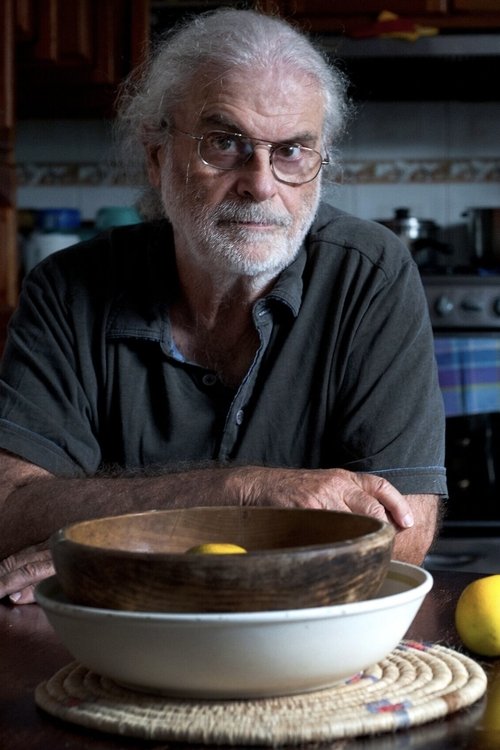
Andrés Agustí
Crew
Biography
Andrés Agustí (Barcelona, July 18, 1956 – Madrid, August 2, 2023) was a Venezuelan filmmaker and doctor in audiovisual anthropology of Catalan origin, known for his cinematography in films such as Macu, la mujer del policía, Jericó, and Bolívar, el hombre de las dificultades, as well as for directing emblematic documentaries like Parque Central, Tisure, and Macadam.
Known For
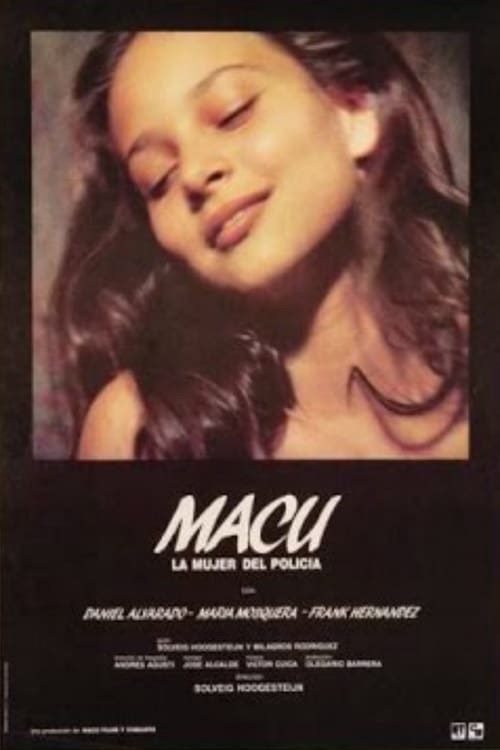
Directed by Solveig Hoogesteijn, Macu, the Policeman's Woman (1987) is a Venezuelan crime drama based on a true story. The film follows Macu, a young woman living in a Venezuelan shantytown, who becomes romantically involved with a local policeman named Ismael. As their relationship develops, Ismael's jealousy intensifies, leading to tragic consequences. The narrative delves into themes of power, control, and the dynamics of abusive relationships within marginalized communities. The film is notable for its exploration of gender roles and societal issues in Latin America.
Macu, la mujer del policía
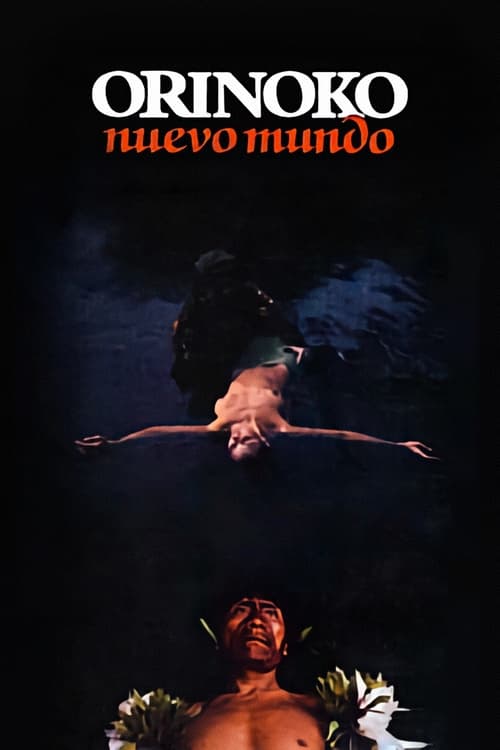
The Orinoko: main character in the film. The first part is set during the pre-conquest and is represented as an earthly paradise. A shaman has precognitive visions: go to Columbus and the Catholic missionary in 1498.
Orinoko, New World
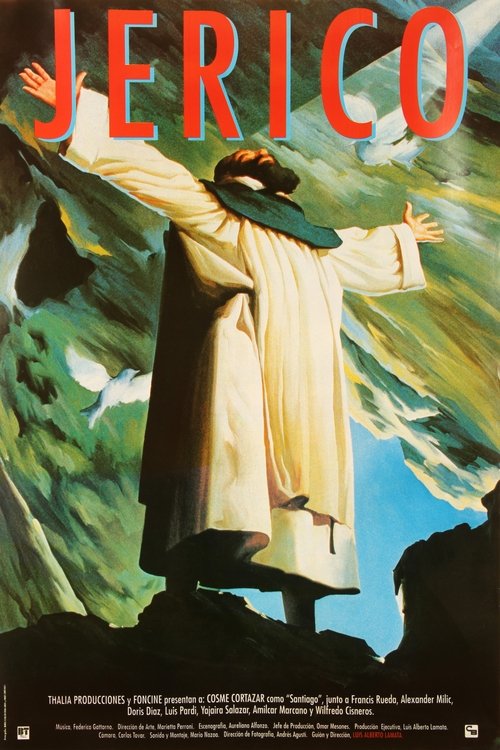
In 16th-century Spanish America, a Dominican friar named Santiago survives a brutal expedition and is absorbed into a Carib tribe. When he flees tribal conflict only to be captured by Spanish forces accused of heresy, he is forced to confront the clash between his ideals and the violence of conquest.
Jericho
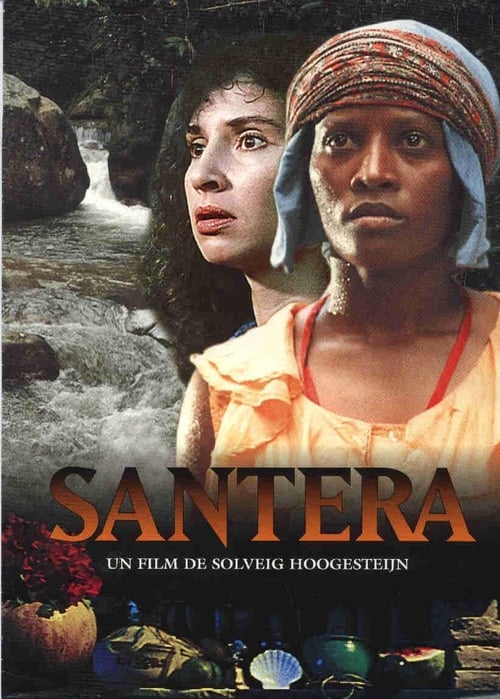
About a mysterious and troubled black woman, a former practitioner of the Santería religion, who must comes to terms with her background whilst in a Caracas jail.
Santera
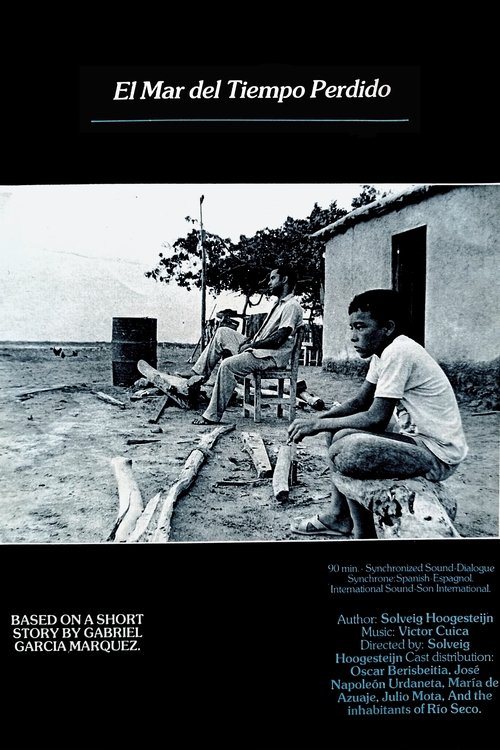
In a coastal town with no name and desolated by poverty, the sea suddenly begins to exhale a scent of roses that transforms the lives of all the villagers.
El mar del tiempo perdido

In Secretaries Day, either you get laid or you get paid.
Cóctel de Camarones. En el Día de la Secretaria

Based on the novel by Venezuelan writer Enrique Bernardo Núñez, the film tells the story of engineer Leiziaga discovering his historical doubles in the context of the colonization of the island of Cubagua in Venezuela. In this way, two stories are intertwined: one that takes place in the 16th century and another in the 20th century. The first story focuses on the life of the Spanish settlers who arrived in Cubagua and the exploitation of the indigenous peoples for pearl extraction; the second story, set in the 1920s, tells of Leiziaga's archaeological expedition, financed by a multinational oil company, in which he visits the island to study the ruins of the Spanish settlement, which leads him to reflect on the passage of time and the destruction caused by human exploitation, and through a game of mirrors, to realize the relationships between the past, present and future.
Cubagua
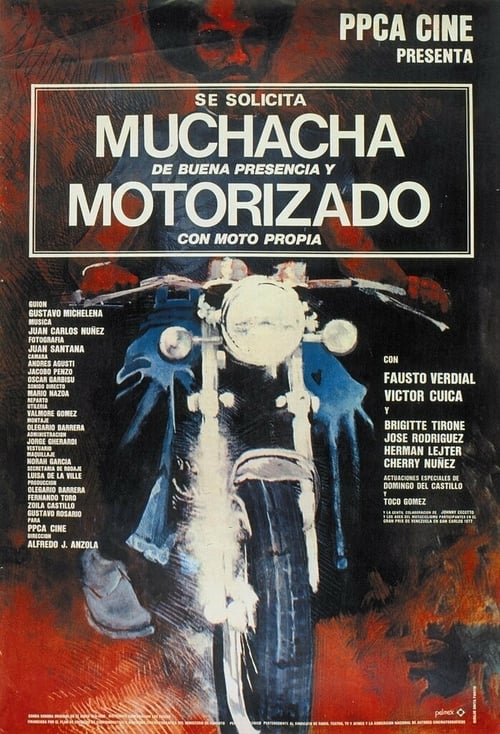
Alexander and her friend Diosa start working in a furniture store, Alexander suspects that the owner is involved in a murky business.
Wanted: Good Looking Receptionist and Messenger with His Own Motorcycle
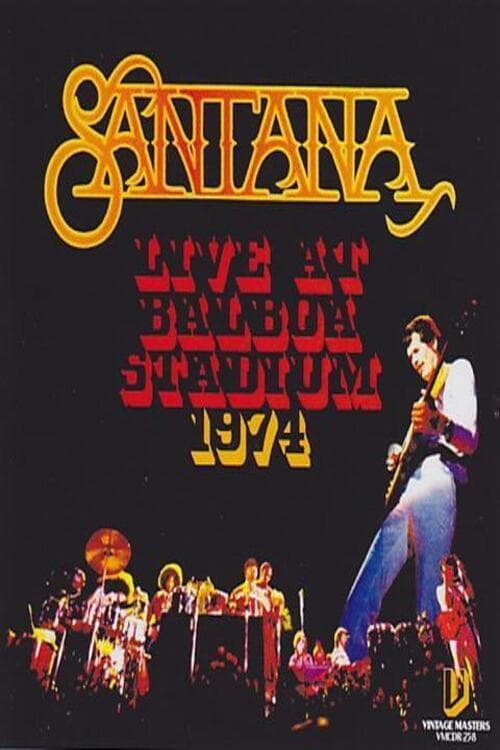
It records the tour of the legendary Mexican guitarist Carlos Santana in Latin America.
Santana
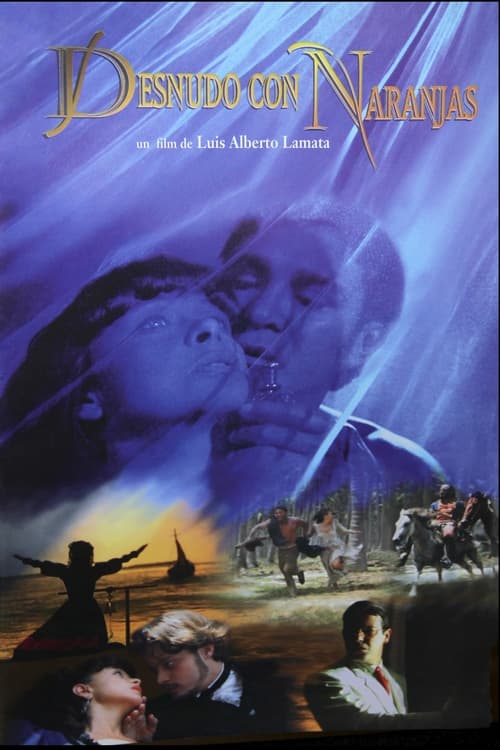
“Nude with Oranges” is a film set during a civil revolt in the mid-19th century where Caribbean myths affect the lives of two characters – an indigenous man enlisted in the Liberal Army and a mute white woman – who develop a mysterious link while seeking a new life.
Nude with Oranges
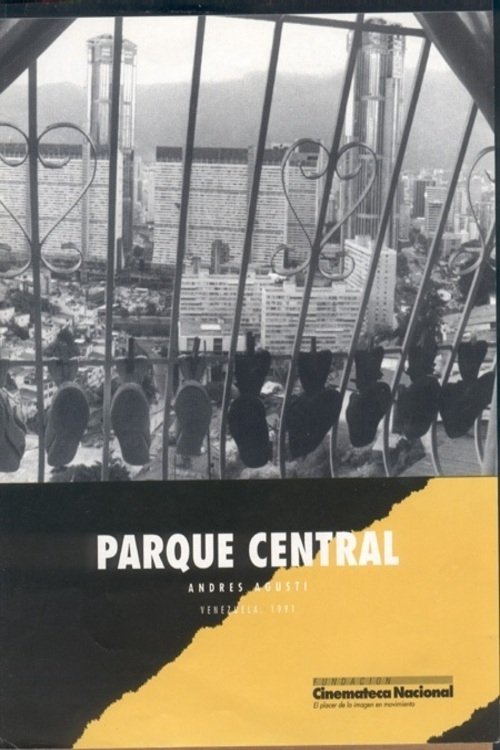
At the geographic center of Caracas stands a mirror-covered tower. It stands out in contrast to other buildings and the lifestyles of its inhabitants. Due to its size, it is visible from almost any point in the city; it is an architectural object that suggests a way of life and can be interpreted in multiple ways. Its panoramic view is schizophrenic; this is not the fault of the tower. The city, in its different times and spaces, is a bit like the people who build it.
Parque Central
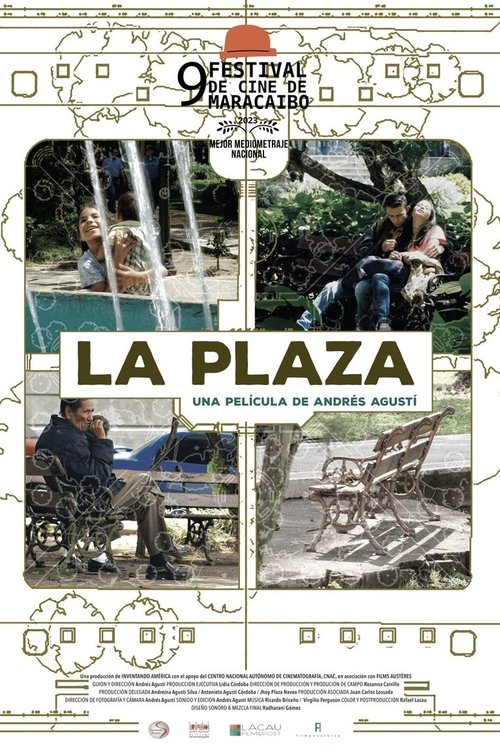
In the small town square of the small Andean city of Merida, Venezuela, there is a singular combat between space and time, from which the only way out is by having written a mythical pact between the synchronic and the diachronic; ethnographic cinema knows these contradictions very well, between good form and good content, between seeing and saying, which transforms the qualitative of a gaze into a necessarily quantitative measure. This film is about a square, but it is also about the problems involved in describing spaces that have become sites.
La plaza

It tells the story of an architect named Fructo Vivas, a communist who builds a church. It tells the irony of a boy who had no toys but as a profession, builds houses for people with money.
Fructuosamente
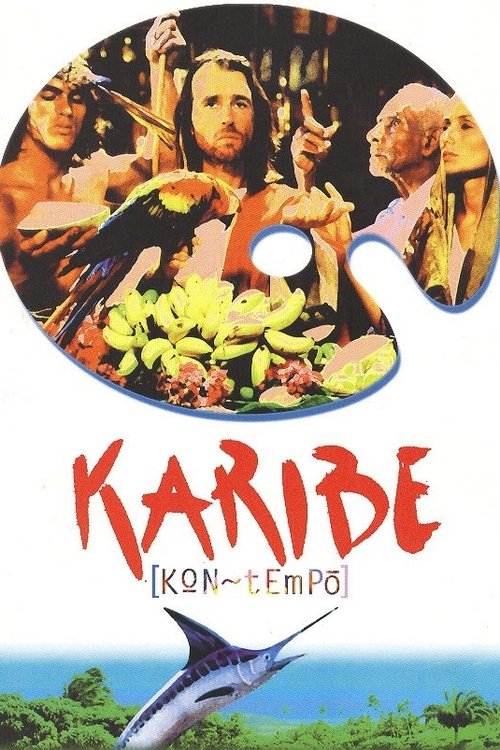
An homage to the painter Armando Reveron, this is the story of a contemporary painter who chooses to live in isolation in a hut alongside the Caribbean Sea. Along with Claudia, his muse, he works using nature as his source of inspiration. Alfredo, a friend and art connoisseur, forces the painter to create a series of paintings for an exhibition in New York that aims at achieving fame and putting him on the contemporary art market. The film presents a tropical perspective of the dilemma between artist and the commercializing of his work.