Directing
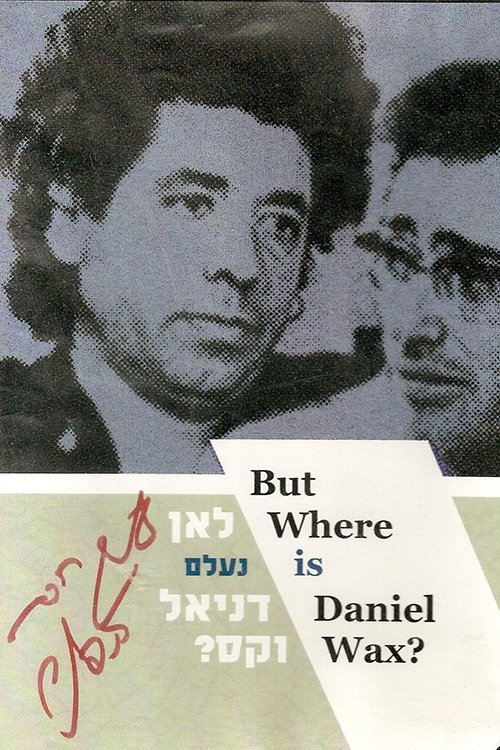
10 years after he left Israel and "played it big-time in America", Benny Shpitz returns for a visit, self-exploring his youth, friends, dreams, beliefs and idol, Daniel Wax, who symbolized the "beautiful Israeli". Shpitz finds out his friends are melancholic, unsatisfied with marriage life, hiding a vast hole in their sole. In a wider context, Israel post 67' will no longer be the society that it was meant to be.
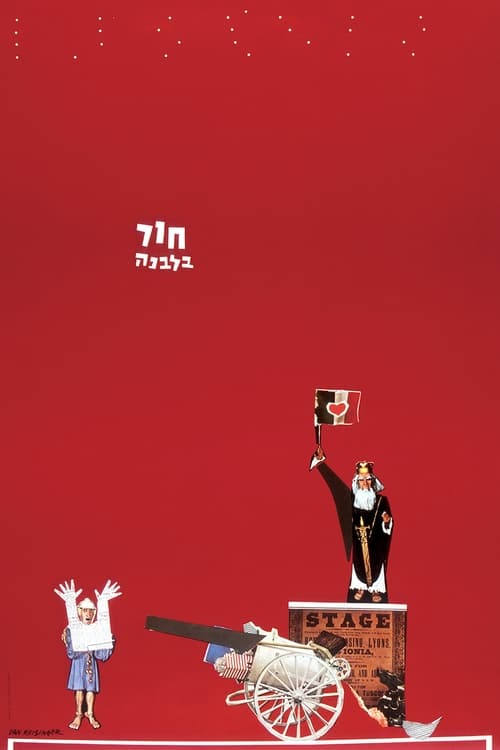
Fifty years after Slow Down by Avraham Heffner won a prize at Venice Film Festival, top alumni of the Jerusalem Sam Spiegel Film School challenge the 1968 legendary black and white
An Israeli drama
The movie, set in the Israeli 1969 War of Attrition, tells the story of a prestigious military band, and the tensions and ego crises new band members cause when joining the band. Will the band survive?
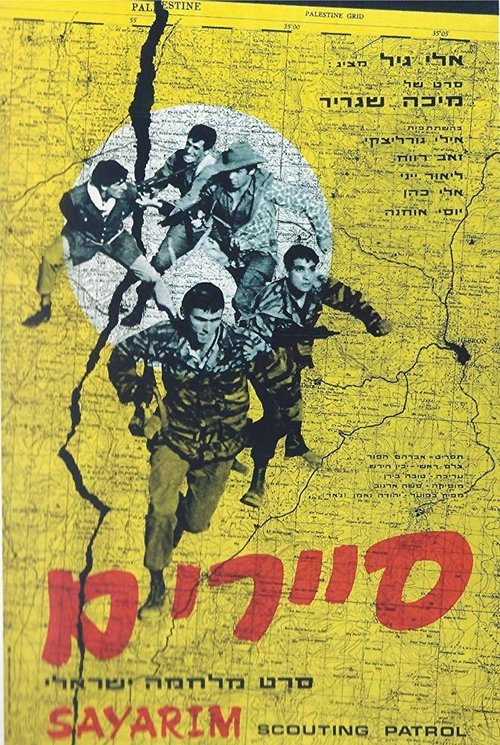
Israeli soldiers cross the border into hostile Arab territory to kidnap an enemy terrorist. After the man is captured, the Israeli unit receives warning of an enemy counter attack, and the unit is forced to trek through the desert on foot.
In December 1987, the (first) Palestinian Intifada broke out and the Occupied Territories were set alight with a mass wave of demonstrations, protesting the ongoing Israeli occupation – the largest scale, longest-running ones seen in the area since 1967. The IDF was sent in to quash the uprising and before long, TV screens across the country were inundated with footage of burning tyres, stones thrown about, and baton-wielding Israeli soldiers chasing after teens and children. In the face of this new reality that made the question of the Occupied Territories the single most pressing issue of the time, the Jerusalem Film Festival went ahead and commissioned the following project. The result is a classic, Heffner-esque film – an intelligent labyrinth containing the most fundamental of Israeli tropes: The Holocaust; Arabs; us vs. them – all of which find themselves clashing and intermingling, and ultimately rendering the viewers helpless and cringing with awkwardness.
A Quebec architect, working in Israel, visits a psychoanalyst to learn why he has an insatiable libido.
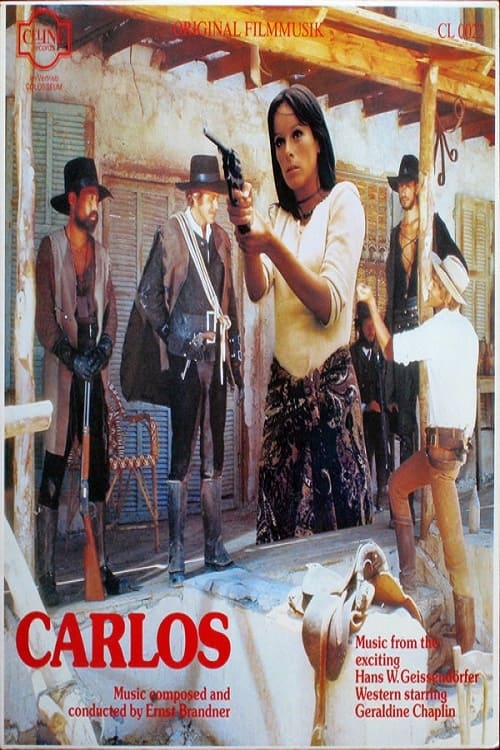
In the Southwest of 1915 Carlos backs an intended uprising of the common countymen against his father Phillip, a despotic landowner who exploits the rural poors in his silver mines. But Carlos' indecision and his love for his young and beautiful stepmother leads into a failure.
At the start of the 1967 Six-Day War (June 5-10) between Israel and the surrounding Arab nations, a team of eight Israeli commandos, with their female boat captain in tow, are sent on a suicide mission deep into the Sinai to destroy an important Arab radar station at Sharm El Sheikh to pave way for the main invading Israeli forces.
A comic and episodic satire, the film uses improvisation to illustrate the clash between fantasy and reality in real life. Although conceived in the style of Mekas’ “Hallelujah the hills” (1962), it’s an authentically Israeli satire, an openly rebellious and individualistic expression that poked fun at the sacred myths of earlier zionist films. The technique of film within the film is used to portray cinema as reflection of the imagination, a miracle based on dreams and fantasies that take on concrete characteristics – parallel to the miracle of Israel, the dream that has become reality. Although not a commercial success, its importance is beyond any measure, though it remains a unique experiment, boldly uncommercial and subversive, out of any context in that patriotic, ideological epoch.
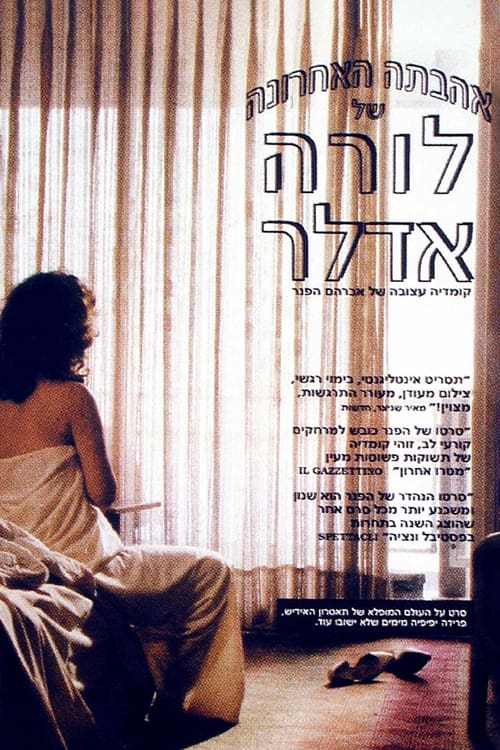
Yiddish live theater, a formerly lively theatrical form, is barely sustained by a few aging aficionados and its loyal but aged audience. Laura Adler is a big star of one of these troupes. She is attractive, middle-aged and quite content to spend her days performing obscure theater in her backwater town. One day, however, she learns that she is being considered for a part in a major U.S. film, and, while she is absorbing that news, she has an affair with a young man. Later, when she learns that she has terminal cancer, she decides to spend her remaining days onstage with her theatrical friends and family.
Clara, a polish born Jew, living in Tel Aviv of the 1970's, has her ideas about how people should behave, and runs everybody's life accordingly: her husband, her sisters, their husbands, their children, her brother who lives in London (probably because it was the only way to get away from her...). Whenever something "improper" does happen, Clara's way of handling it is simply to shove it under the carpet and ignore it completely, as if it never happened. 3 basic rules, are, of course: 1. Never marry some one "under" your class (Or the class you think you are). 2. Never become pregnant out of wedlock and 3. No Abortions. As one may expect, everything crumbles when her niece gives her no option, but to break at least one of those rules
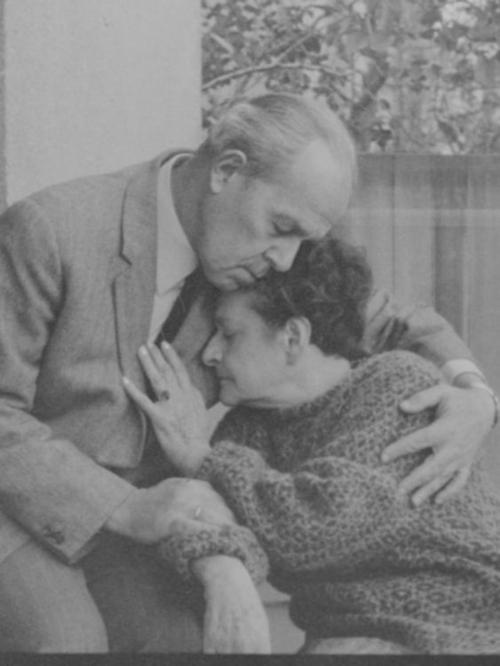
The essence of a quarrel and reconciliation between an elderly couple in Tel Aviv in 1967. Inspired by L'âge de discrétion by Simone de Beauvoir.