Paulo Brandão
Sound
Known For
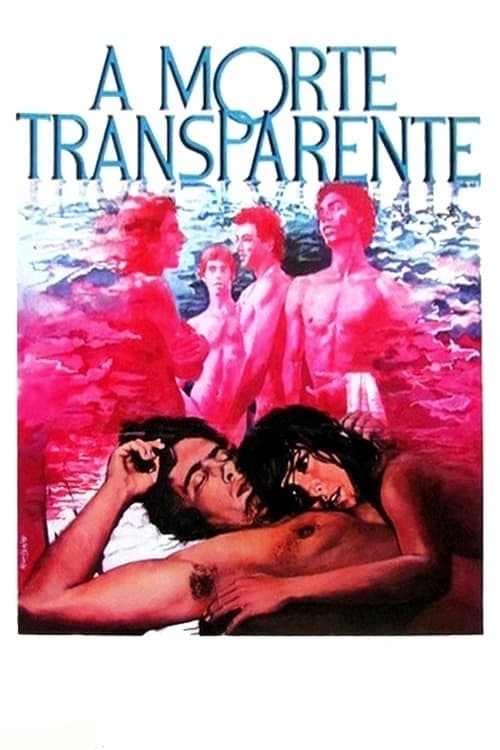
Beto, a young gigolo playboy, convinces his friends to break into a house to rape Marlene, a wealthy woman. They can not complete the mission, but the woman fall in love with Beto, who returns to become her lover. The case of the two, eventually involving the husband of Marlene, causes problems that the two can't solve.
Runnin' After Love
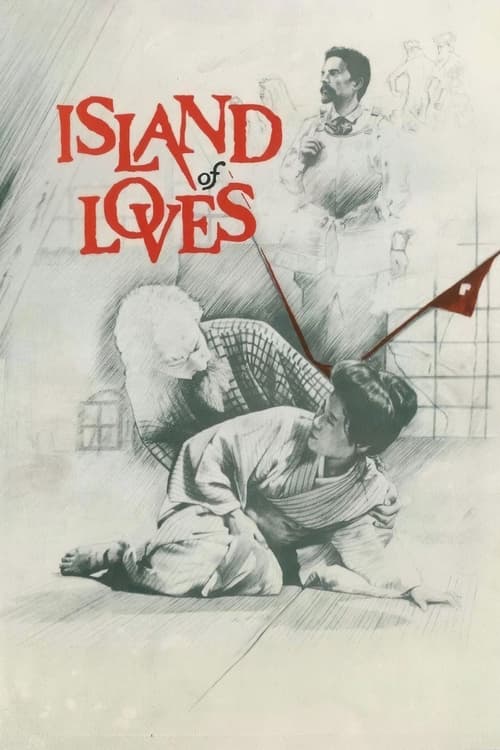
This film depicts the life of the 19th-century Portuguese writer Wenceslau De Moraes by means of nine ancient ballads from China. The writer married a Chinese woman after he left his wife and family to go live in Macao. Later, he moved to Japan where he fell in love with a Japanese woman, staying in Japan for the rest of his life. Mixed in with the career and loves of Moraes is the history of Portugal at home and in its colonies.
Island of Loves

In the heart of the forest, Pedro hears a beautiful chant and meets Iara, the Mother of the Waters.
Iara
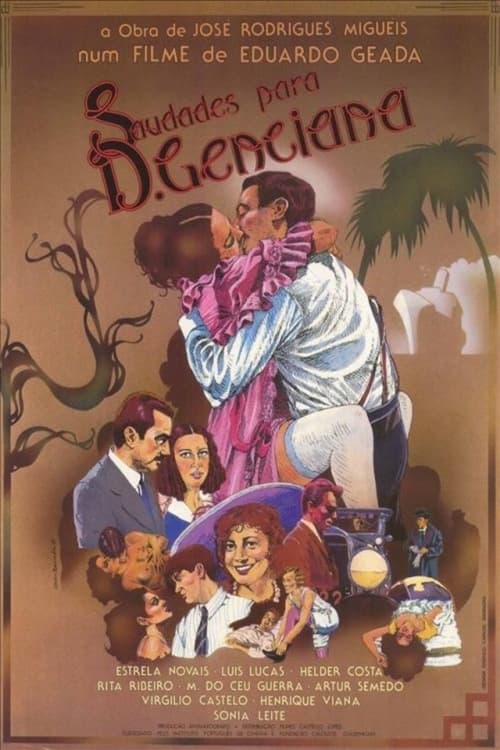
Dona Elvira promises to get a job from José through the typical Portuguese wedge. In parallel, they are bizarre aspects and eccentric figures of the city life, including the tragedy of the actress Maria Alves.
Saudades Para Dona Genciana
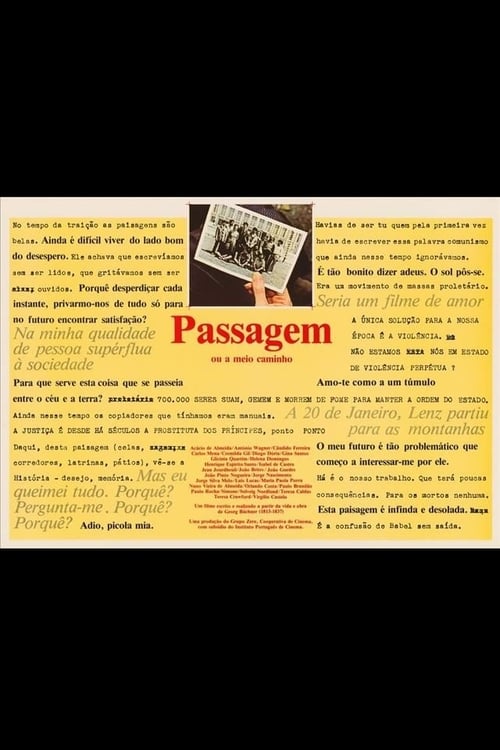
Ambulatory history, freely inspired by Georg Büchner's biography (1813-37) and the reasons that led him first to political intervention and then to strict isolation. With students of unidentified present time (1968? 1970?), the themes developed, in Büchner, are triggered by the publication of "The Messenger of Hesse", a pamphlet addressed to the peasants, urging them to revolt. Their misunderstanding, as well as the repression of the young revolutionaries, leads Büchner to a particularly skeptical and painful attitude...
Passagem ou a Meio Caminho

This film, made as a "twin" of A ilha dos amores, was planned as a poetic documentary on the enigmatic life of Wenceslau de Moraes (1855-1929), the great Portuguese writer who lived in the Far East. Verbal testimony, photographs, manuscripts, images of Lisbon, Macao, Kobe and Tokushima in Moraes' time are set side by side with A ilha dos amores and with de Moraes' writings. The director, Paulo Rocha, visited places where Moraes was still remembered, interviewed the writers descendants, consulted archives, rummaged through memories, appointment books, postcards, diaries and calendars from the private life of the 19th century. And above all he set out on a new journey, from Lisbon to Macao to Kobe until he reached Tokushima, where Moraes lived through the final ruin of his life and where Rocha tracks down, between the city and the cemetery, the living presence of places and the memories of individuals.
A Ilha de Moraes

No description available.
Disque Quilombola
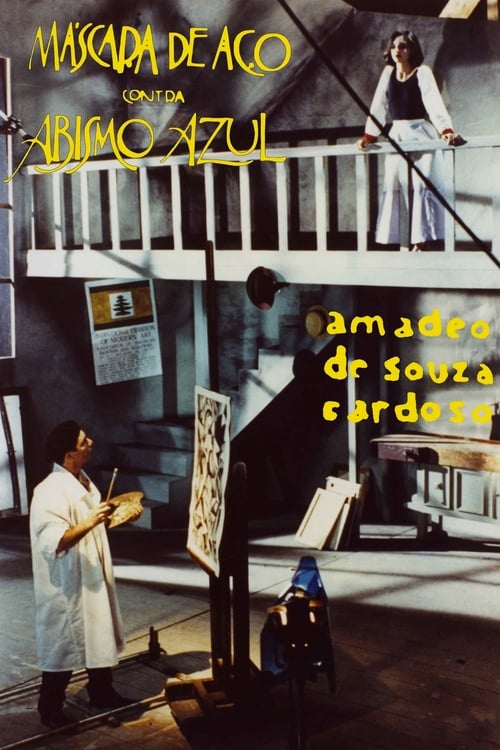
A world of strong colours between documentary and fiction, centered on the life and work of modernist painter Amadeo de Souza Cardoso.
Steel Mask Versus Blue Abyss

Dina (Maria Santiago) is a teenager brought up by her grandmother, employed as a housekeeper for a fairly well-off family. Since Dina only has her grandmother, she spends her time fantasizing about her life and reading comic-book love stories -- activities that do nothing to improve her dim perspective of reality. Due to these handicaps and her own inexperience, she gets involved with Django (Luis Lucas), a shady character who decides to use her as bait to attract men and then rob them. One day when both are in a taxi with robbery in mind, the driver gets suspicious so Django shoots him, and so does Dina. She escapes and runs away -- though it seems like she has learned too little too late. This story unfolds against a time of upheaval in Portugal (mid-1970s) when the military government is formulating a constitution and social changes are happening everywhere.
Dina and Django

After a robbery, a thief, a worker and a street boy have their ways crossed.
Rota de Colisão

A group of young, working children are terrorized and robbed by their stepfather.