Raphael Montañez Ortíz
Directing
Biography
Raphael Montañez Ortíz (b. 1934, New York) is a multidisciplinary artist perhaps best known for his radical performances of the 1960s as part of the Destructivist movement which he helped to articulate. Not many know that he is also a pioneer of found footage cinema who deserves greater recognition within the American filmic avant-garde. Starting in 1957, he produced a number of singular works by subjecting 16mm prints of commercially- or institutionally-produced films to a cut-up method inspired by Yaqui shamanic practices, a kind of ritualistic chance operation intended to break down their structure and thoroughly undermine their discursive power. In the mid-1980s, Montañez Ortiz continued his critical deconstructions of commercial cinema, this time exploring a novel format: the laser disc. Having created a special interactive setup at the computer lab of Rutgers University, the artist transformed micro-moments from classic films into looping, stuttering choreographies that, through obsessive repetition, reveal the tacit gestualities and subconscious inner dynamics of these seemingly innocent Hollywood scenes.

Known For

An associative view of the days, nights and characters that enclosed the life of Arthur Janov, which defines in the conclusion "It's never too late to have a happy childhood". Arthur Janov (1924-2017) was a classic instance of being the right charismatic therapist at the right time - the zeitgeist. Dr. Janov first heard about the embryo to the primal scream through one of his patients when he performed conventional psycho dynamic therapy. It was an absurd theatre performance by Raphael Montañez Ortiz called "Mommy, Daddy" presented in London, 1966. The birth of Primal therapy happened when Arthur Janov's book, "The Primal Scream" was published early 1970.
Arthur Janov's Primal Therapy

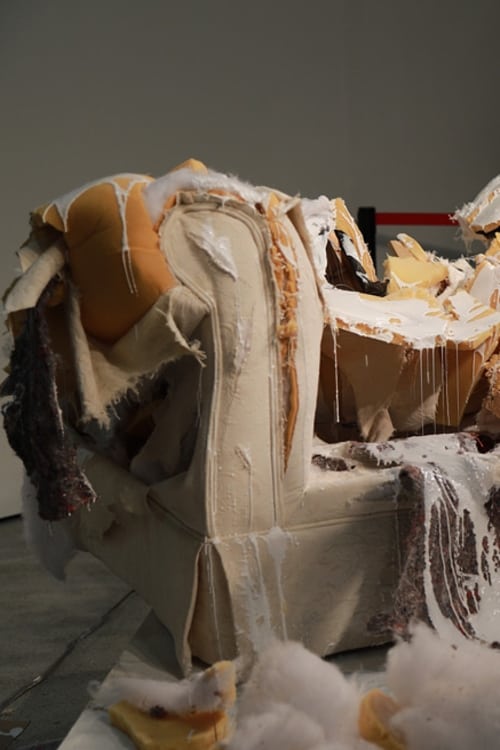
Raphael Montañez Ortiz tells a story about an elderly Jewish couple that didn't watch television or listen to the radio. Instead they used to talk lovingly to each other for every day of their long marriage. And in a sense there was a glow around them. When the couple were young their daughter died from polio. And so this energy or glow, in a kabbalistic sense, was their guardian angel, their daughter. Therefore...
Couch Destruction: Angel Release

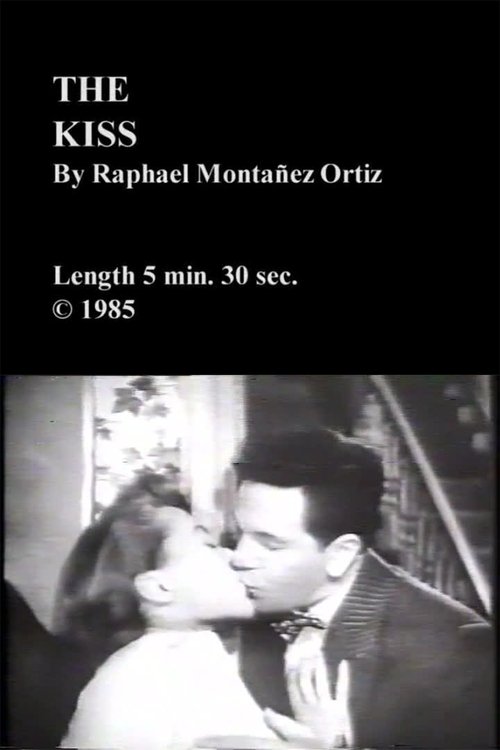
In his film work from the early 1980s, the artist used an Apple computer hooked up to a laser disc player. He scratched the laser disc, creating a stammering image, and a disconnection between time and space.
The Kiss

The same year that Bruce Conner completed his famed A Movie, Montañez Ortiz destroyed a 16mm print of a banal Western, Winchester '73, with a tomahawk. He then placed the scraps of film in a medicine bag "to release the evil," intoned a ritual chant he had learned from his Yaqui grandfather, and spliced together the exorcised fragments in a random order.
Cowboy and "Indian" Film

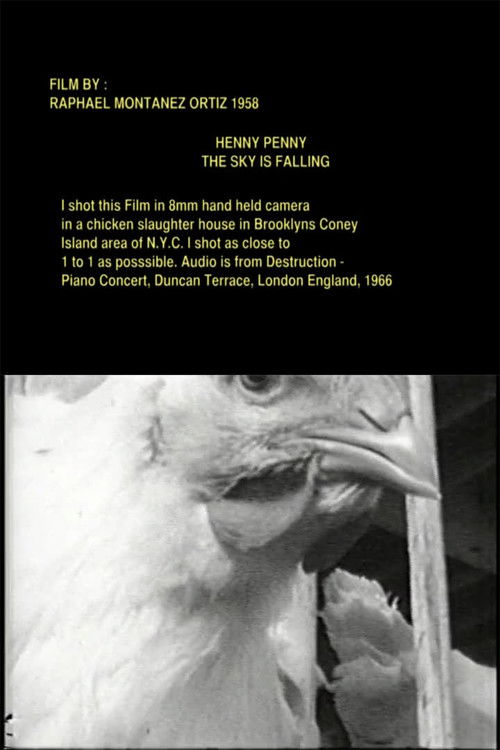
Metaphor on the massacre with the help of diverted images and a very varied soundtrack. The soundtrack was added in 1962.
Henny Penny: The Sky Is Falling

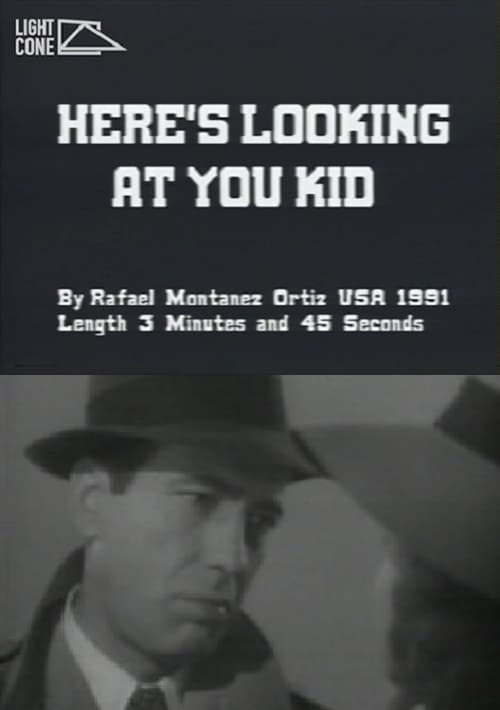
A remix film combining elements of found footage and structural filmmaking by combining Humphrey Bogart's quote from Casablanca with found footage of explosions, emphasized by repetition.
Here's Looking At You Kid
In his film work from the early 1980s, the artist used an Apple computer hooked up to a laser disc player. He scratched the laser disc, creating a stammering image, and a disconnection between time and space.
Dance Number

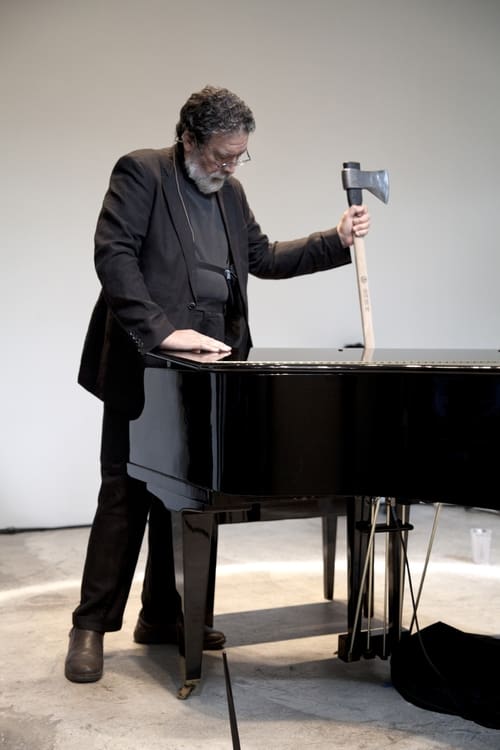
The concept of ritual-theater has been important since the early sixties in its production. It consists of the staging of violence through real acts that appeal to equally real and live emotions with an audience, that is, the action and the reaction that it provokes in the public happen simultaneously. This art of destruction represented by Raphael Montañez Ortiz is the theatricalization of a daily destruction, which we live in day to day.
Piano Destruction Concert: Dada con Mama

An experimental video based on repetition and crazy rhythm.
Dance Number 22

Starting in 1985, Montañez Ortiz begins a series of what he calls “digital/laser/videos”; he makes a large number of these “arresting, provocative and suggestive” works
You Bust Your Bunns

Randomly spliced pieces of a newsreel featuring notable news from 1946.
Newsreel

1996 / U-Matic / color-b&w / sound / 1S / 12' 00
The Conversation

In the mesmerizing Beach Umbrella, 1985, a shapely woman in a white bathing suit tears across the sand at a panicked clip, pursued by the Technicolor trio of the Three Caballeros. When the woman at last collapses, the cartoon characters descend, seething in a manic swarm over her body, a scene somewhere between a feeding frenzy and a gangbang. Once satisfied, the trio zoom off, allowing the woman time to stand before they begin the chase anew.
Beach Umbrella

Similar to the work of Martin Arnold, this outré and charged video-work employs footage from a Stroheim vehicle with film of a woman sexually straddling a mechanized pommel horse to suit its own message.
Our Thoughts Are Made of Clay: The Horsewomyn of the Apocalypse

With the aid of the Computer Department at Rutgers University, Montañez Ortiz devised a software interface that allowed him to digitize a videotape by scratching it forward and backward, completely disrupting its temporality.
What Is This
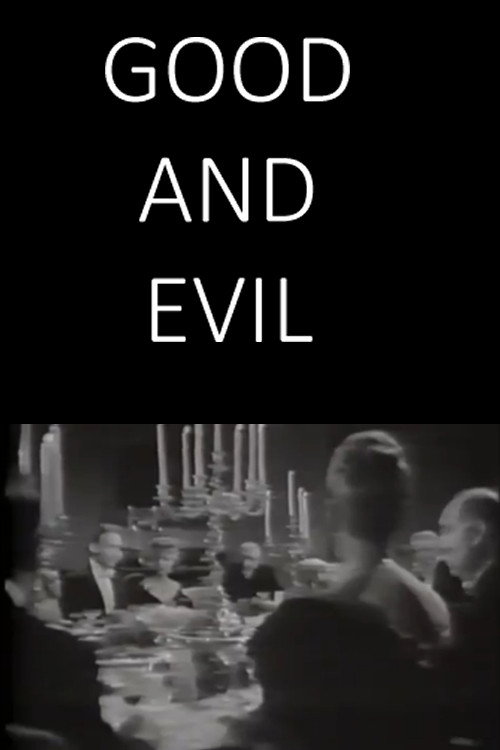
A selection of works from the late 1950's - late 1980's which begins with one of a number of piano destruction concerts performed at the DESTRUCTION IN ART SYMPOSIUM held in London England in 1966
Introspective: Ortiz Art-Work Late 1950s - Late 1980s

1991 / U-Matic / b&w / sound / 1S / 3' 00
Gonna Get Me a Gal

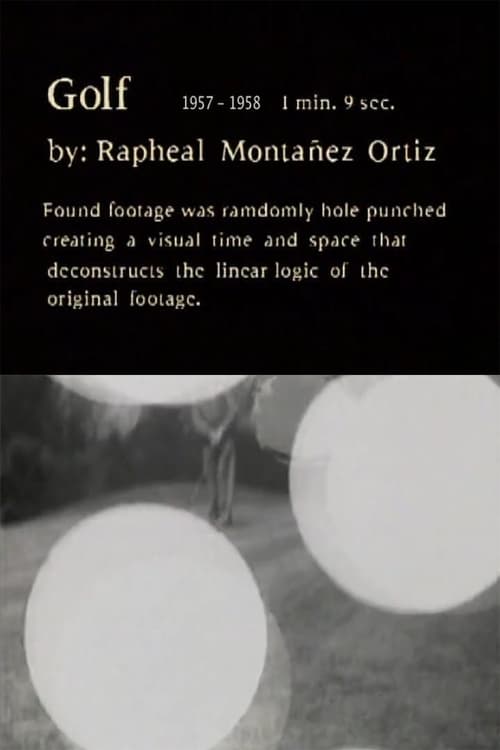
An 80-sec excerpt of the edge-to-edge scan of Raphael Montañez Ortiz’s 1957 film "Golf"s 16mm celluloid print with punched holes across the frame lines and on the original soundtrack.
Ritual Destruction of "Follow Through"
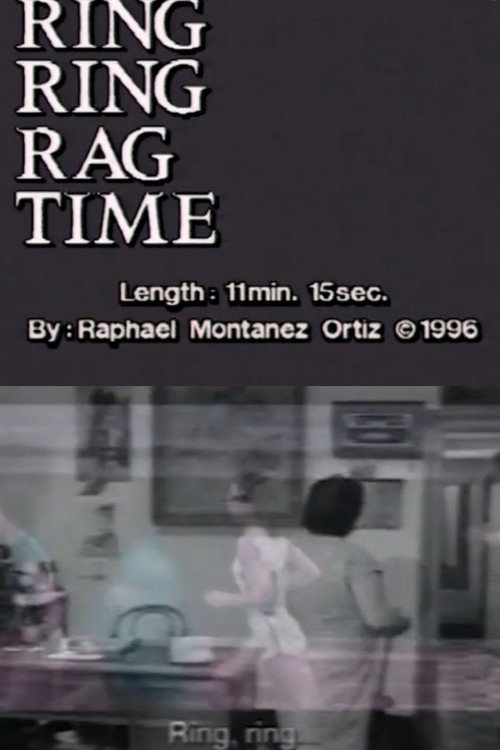
by Raphael MONTAÑEZ ORTIZ 1996 / color-b&w / sound / 1S / 11' 15
Ring Ring Rag Time
Performed at the Whitney Museum of American Art