Acting
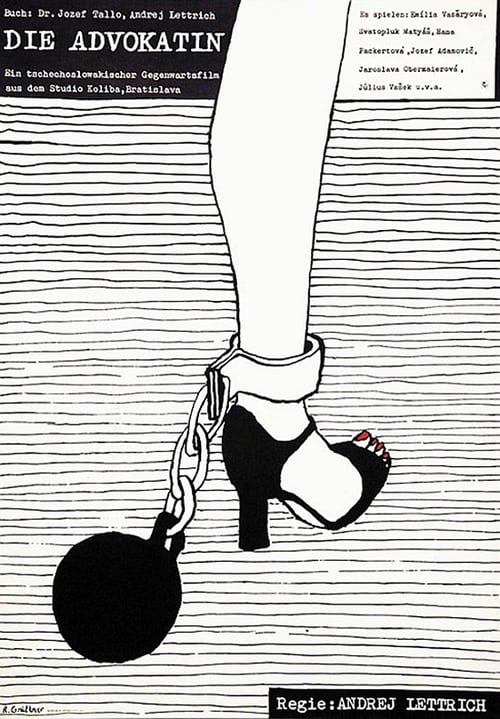
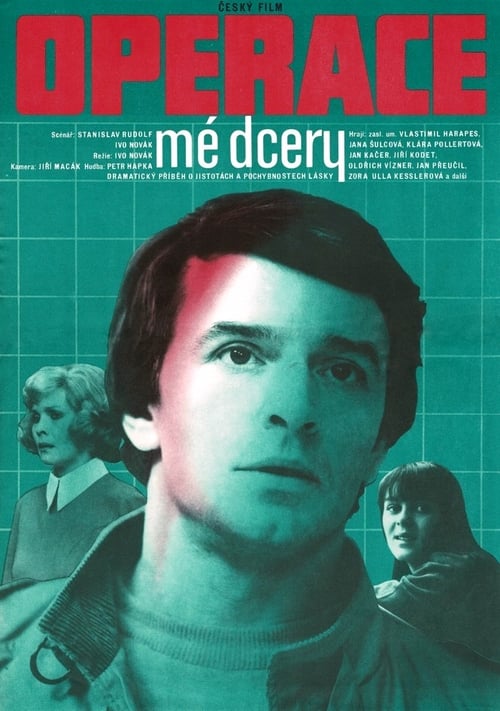
The story of a young lawyer who finds herself in a difficult situation when she encounters troubles in her burgeoning career and complications in private her life.
No description available.
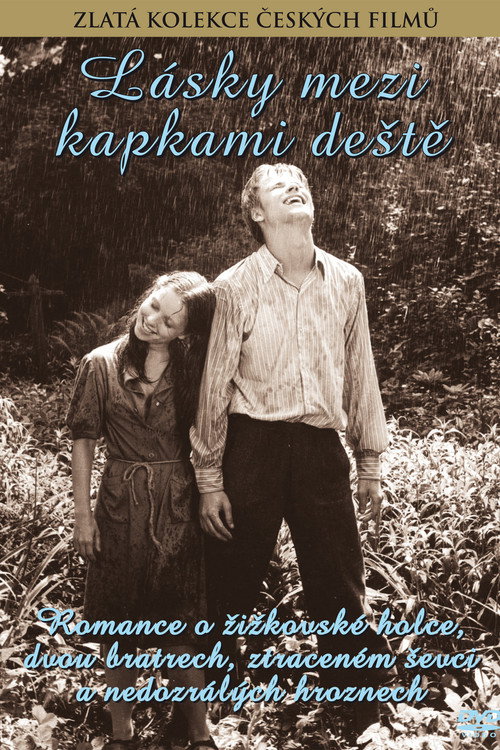
Set in Prague during the years leading up to World War II, this family saga tells the story of a cobbler named Vincenc Bursik (Vladimir Mensik), who uproots his clan from the country to the city, only to suffer the loss of his wife and the failure of his shoe business within months. When his daughter moves away to go live with a wealthy businessman as his mistress, Vincenc is left to take care of his two sons, who spend their days in a secret garden vying for the affections of a teenage girl.
During the First World War, the crooks Scholef and Krumka sell weapons on the black market. After the collapse of the monarchy they try their hand at speculation on a grand scale.
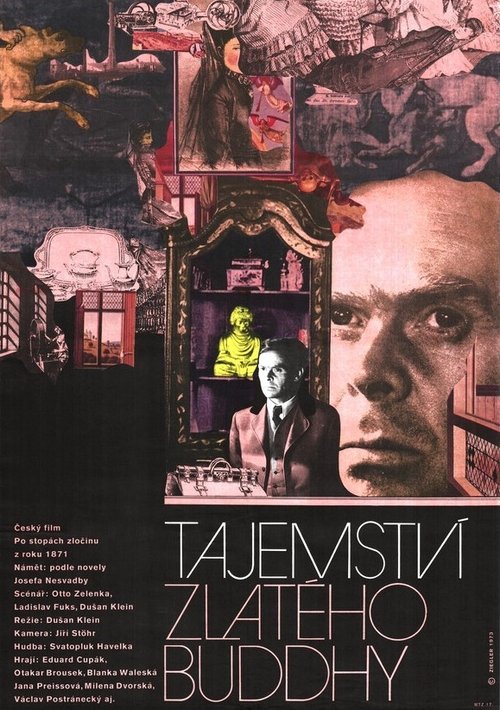
A crime story set in the second half of the 19th century. Krasl, a Prague schoolteacher, is searching for a statue of the Golden Buddha, which is supposed to contain compromising materials on the factory owner Riessig.
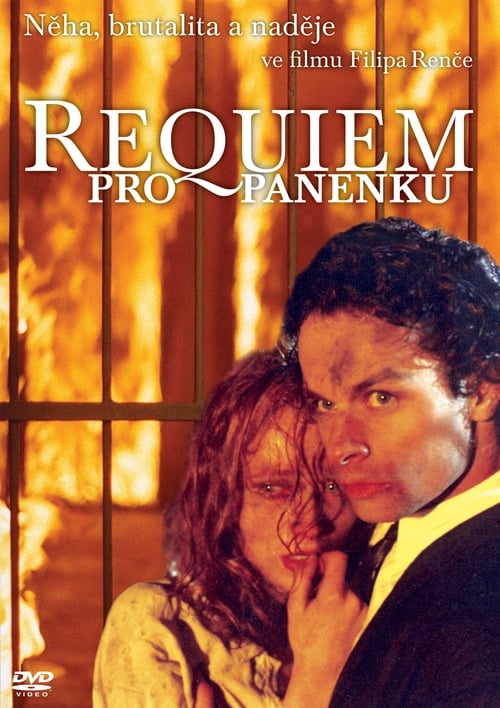
A fourteen-year-old girl isplaced in an institution for mentally ill instead of a foster-home due to an official mistake. Here she gets a most cruel treatment which is governed by high-handedness of the spineless and perverse nurses. The girl attempts a desperate escape.
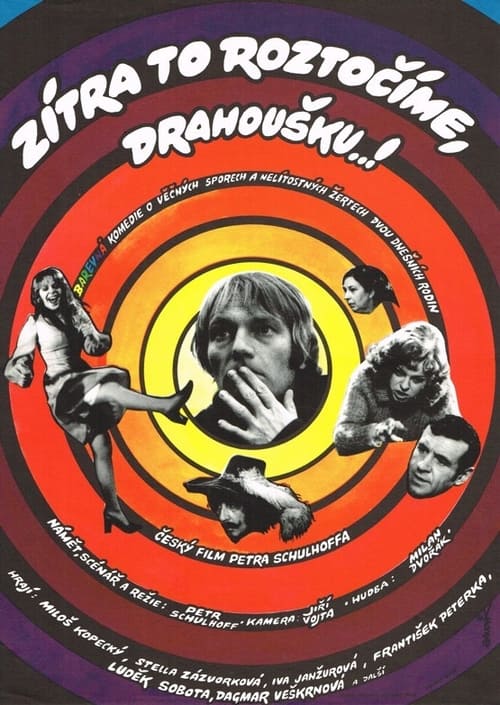
Mr. Novak tells a lie to his neighbor Mrs. Bartackova that her husband is unfaithful to her and that is how it all started.
The story of the film is based on the classical tale about seven naughty sons, whom their mother cursed in anger and thus turned into ravens. When their youngest sister grew up, she decides to find her brothers and to free them. However, she falls in love with a young Prince.
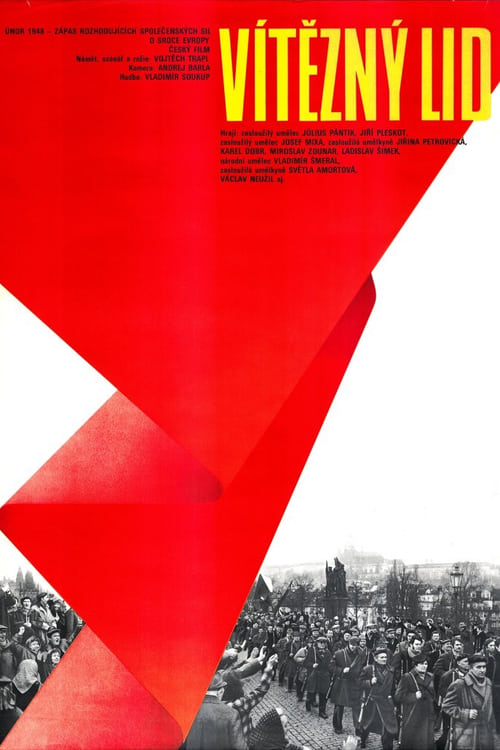
February 1948. The struggle of decisive social forces for the heart of Europe.
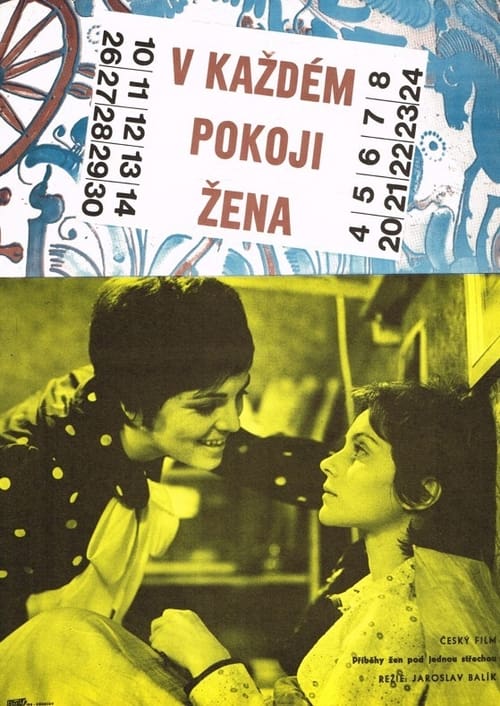
The plethora of heroines living in the makeshift former Women's Homes share one feature - they mostly feel lonely. Some of them got used to this state and resigned, others still believe in a happier future...
The story of a young man who found the meaning of love and a place in life at the cost of a loss.
A directors autobiography about his debut during the rise of socialism.
Three arias from Antonín Dvořák´s fairytale opera Rusalka turned in to a movie, sung by Gabriela Beňačková (Rusalka), Libuše Márová (Witch), René Tuček (Hunter).
Journalist E. E. Kisch tells crime stories from old Prague, which he himself experienced in the years before World War I and recorded in his reports and stories: he participated in the discovery of the real murderer of a rich innkeeper, attended the wedding of a beggar's son with the daughter of a complacent rich man, and witnessed the mysterious murder of a money-changer's uncle.
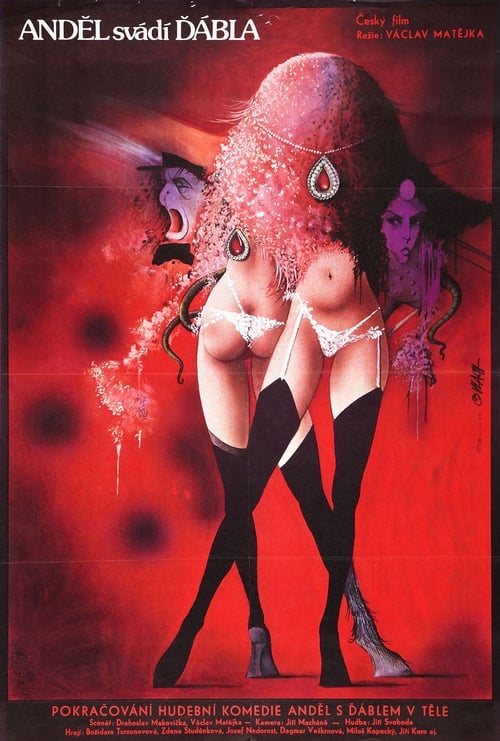
Once again, you can take a look behind the scenes of the Riviera Chateau on the Prague periphery, where a brothel for the socialites is hidden under the guise of an exclusive nightclub. The story takes place in 1930 and although several years have passed since the events of the first volume, the passions unleashed by the intrigues of the time have not cooled down. Once again you meet Renata, called Angel, formerly a prostitute, now the wife of the banker Justice and owner of the Riviera. The elegant Madame, who owned the business before and now works there as a mere manager, is plotting new schemes to get back everything she has...
A satiric tragi-comedy about two women and their lover Robert who is an emigrant that keeps coming back. This film shows chaotic post-communist Europe after the fall of totalitarianism. Two opposite characters, women, meet during the Velvet Revolution in November 1989. Intellectual dissident Nona and a Communist secret police boss’ mistress Ester. They meet at an anti-regime demonstration and become friends. They don’t want anything to do with politics, both want to get married and have kids, but also get rich. Crazy plans and risky attempts to realize their shared dreams land them in many sticky situations in the post-revolution chaos. Too much money gets in the way of the power of friendship.
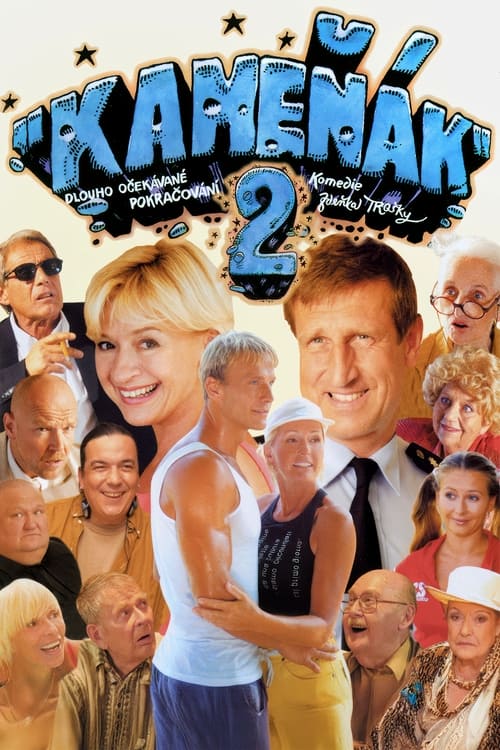
Kameňák 2, inspired again by well-known and less well-known stone jokes (director Zdeněk Tročko received an incredible sixty thousand of them from the audience!) directly follows the first part, which ends with the gushing of a blue erectile spring from the rock at the Kameňákov castle. The miraculous effect of the blue spring on potency causes an unprecedented uproar in the town, and even old Kropáčková experiences its beneficial power. However, as suddenly as the spring appeared, it also disappeared. But did it really disappear? And where? The insidious granny Kropáčková knows this best, who in the second part becomes a terror to the young men in the town. The disappearance of the blue spring of a lucrative business has not let even the local mafia sleep. All traces lead unmistakably to the Kropáčková house in the manor house...
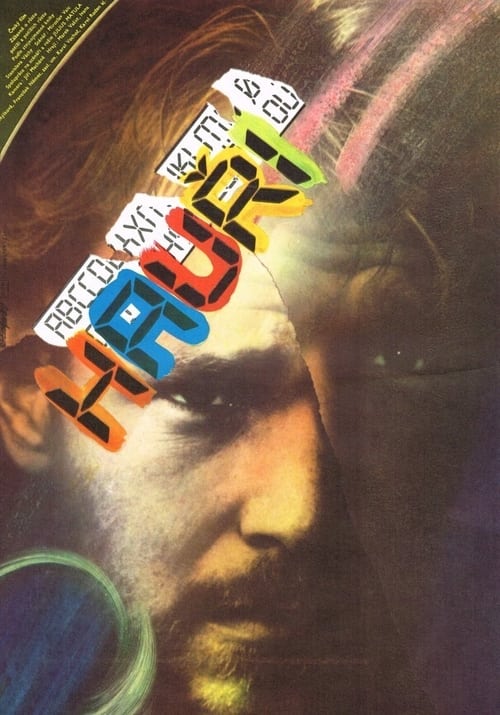
Building themes, however modified, permeated the nationalised cinema throughout its existence. This time, director Július Matula has focused on a young engineer who, with high hopes, accepts a position in a famous agricultural cooperative. However, he soon discovers that behind the proclaimed phrases there is in fact hypocrisy and protectionism. The authors criticise the fact that incompetence is often covered up, that shortcomings end up being cleverly camouflaged, that the social mood favours the mediocre and the adaptable. The hauers present a statement that is courageous, so to speak, within the limits of the law, and call for increased work consciousness.
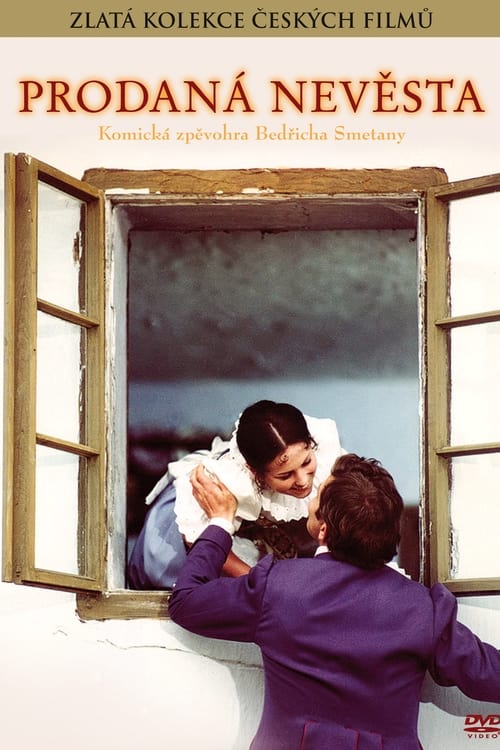
Set in a South Bohemian village, this faithful film version of Smetana’s opera follows farmer Krušina’s plan to marry his daughter Mařenka to wealthy Vašek. Mařenka loves Jeník, a stranger. Through matchmaking schemer Kecal’s plots and revealed identities, true love triumphs in a festive village wedding.
Josef Laufer portrays Egon Erwin Kisch in two daring journalistic adventures: in “Zuřivý reportér,” Kisch goes undercover in a poverty lodging house, uncovers a tattoo’s dark backstory and deciphers a secret telegram hinting at war via the legend of the black rose; in “Lovci senzací,” he pursues sensational leads and exposes hidden truths, proving why he was rightly called “the raging reporter.”