Acting
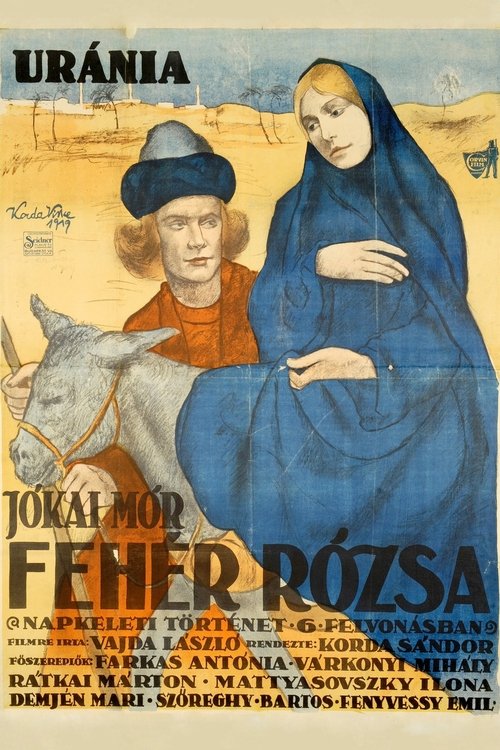
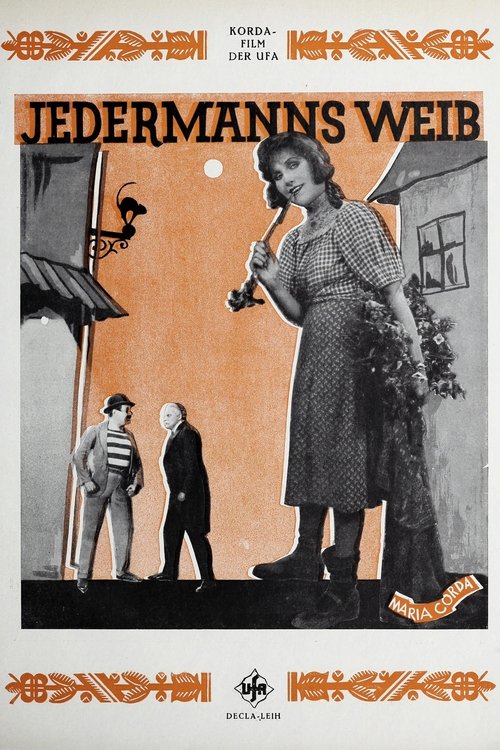
A drama based on the novel by Mór Jókai.
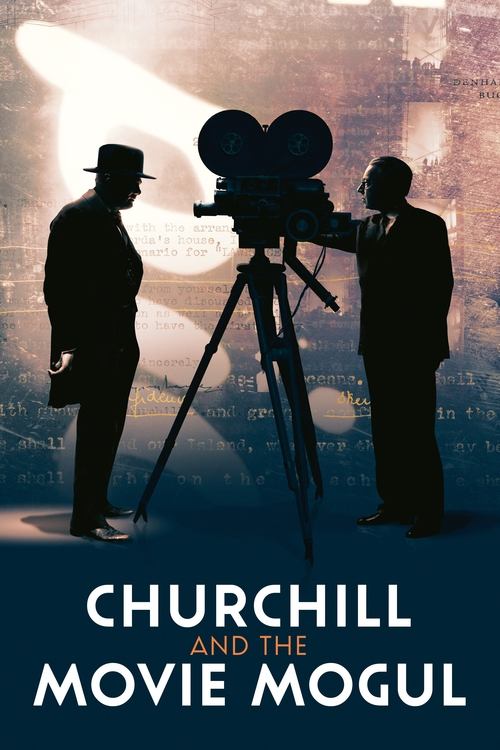
Winston Churchill understood the power of films, but the true extent of his use of cinema as a propaganda tool is rarely explored. In 1934, one of Britain's most celebrated film producers, Alexander Korda, signed Churchill up as a screenwriter and historical advisor. It was the start of a unique collaboration. Churchill provided script notes for Korda's productions and penned an epic screenplay. When war broke out, their collaboration took on national importance. Korda was sent on a mission to Hollywood to help bring America into the war, with positive results. With access to previously undiscovered documents, this film documentary examines that mission and a friendship that underpinned a unique, creative partnership.
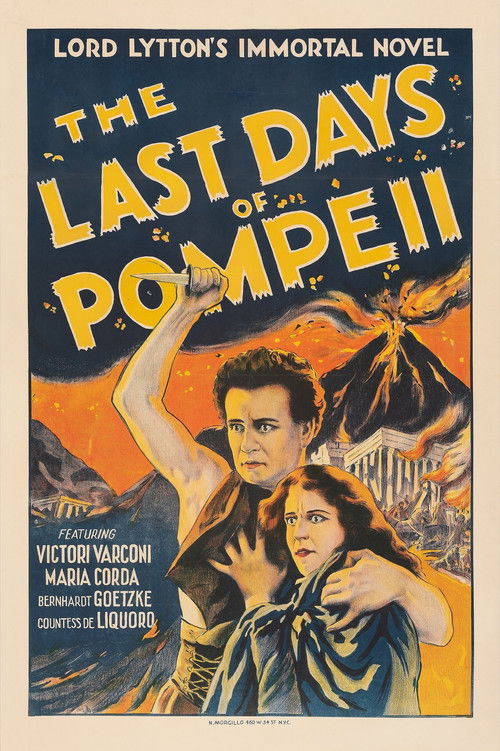
Carmine Gallone and Amleto Palermi’s The Last Days of Pompeii 1926 stages in sumptuous colour tinting the epic fall of the ancient city buried by Mount Vesuvius’ eruption. Adapted from Edward Bulwer-Lytton’s love story, the film was innovative in its special effects and an early major box-office hit. A beautiful tinted restoration print was prepared using photochemical processes by Centro Sperimentale di Cinematografia-Cineteca Nazionale in the mid-1990s and the premiere screening of the restoration print was held in the amphitheatre in Pompeii, followed by a screening at the major restoration festival ‘Il Cinema Ritrovato’ in Bologna in 1998.
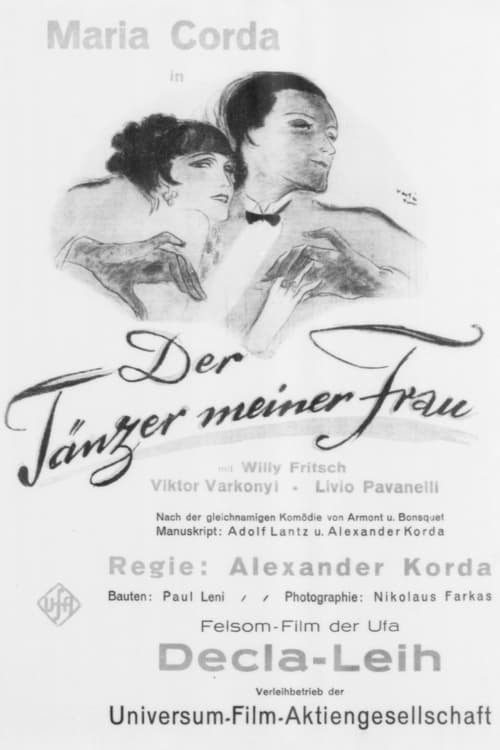
A melodrama about a virtuous wife unjustly abandoned by her husband, who get him back with the help of a Hindu mystic.
No description available.
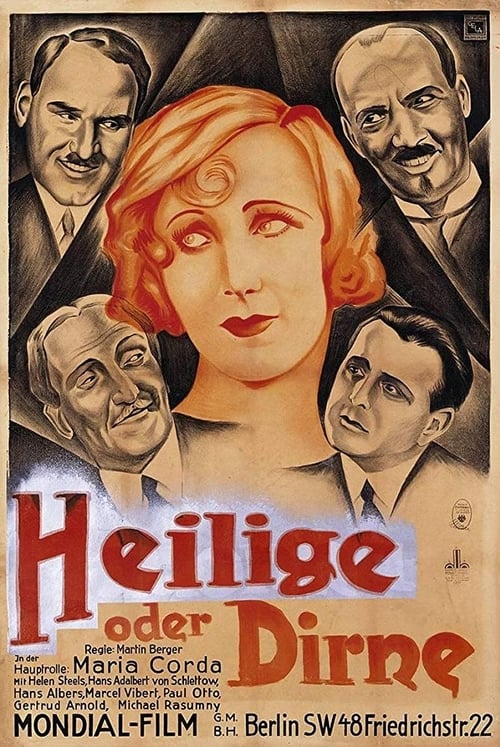
The wealthy Frenchman Raoul lives with his mother and his cousin Therese in a magnificent villa on the Riviera. Therese is deeply in love with her relative, but he seems to reciprocate only "brotherly" affection. One day, a visitor arrives: the lustful Lydia, a friend of Therese's, known as a man-eating and amoral woman. It isn't long before Raoul, the master of the house, falls completely under the spell of the blonde siren from abroad, and the two become engaged and eventually married.
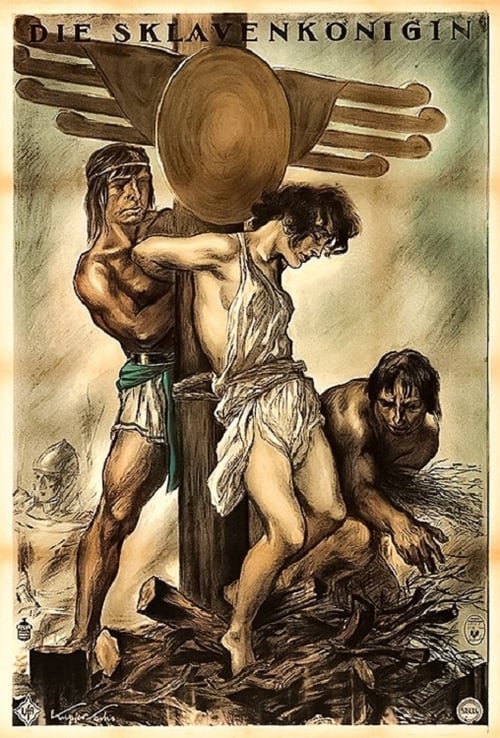
A Jewish slave girl falls in love with the Pharaoh's son during the Exodus.
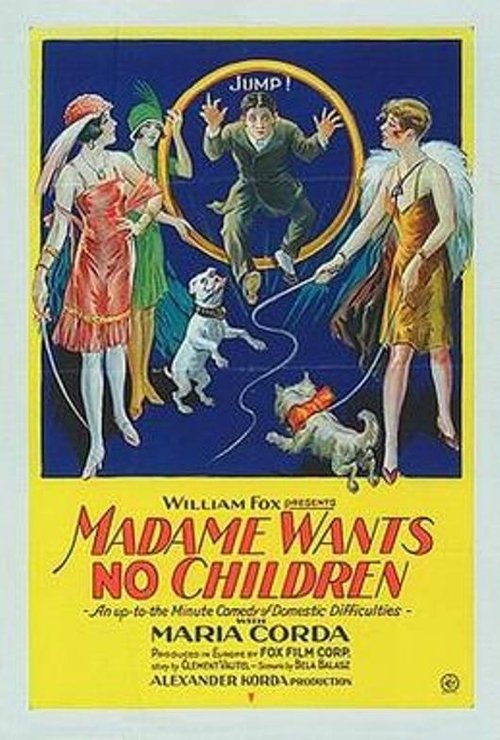
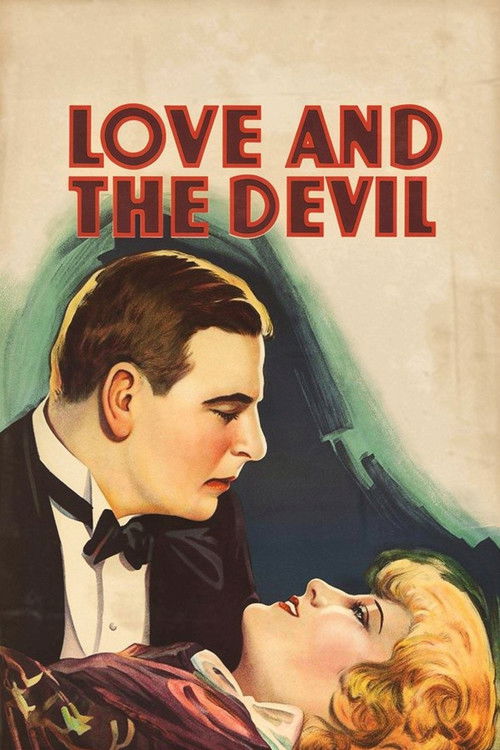
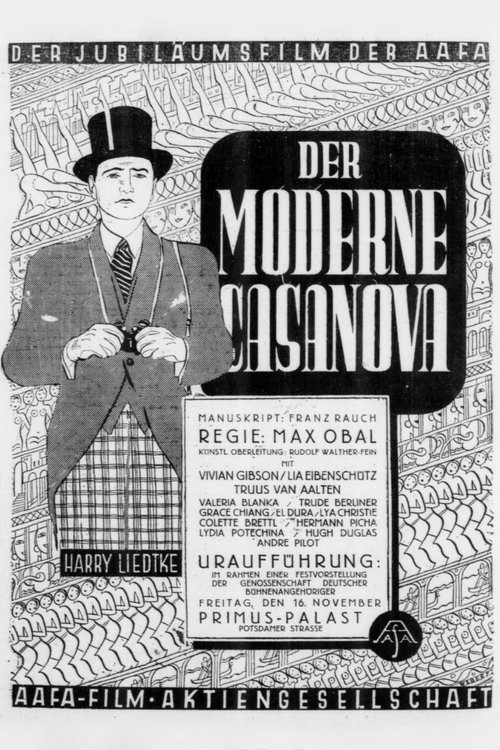
Playboy Paul Le Barroy, weds Elyane Parizot because he is ready for children, and his mistress, Louise Bonvin, is not. After the honeymoon, Elyane informs Paul that she doesn’t want children, either. When Paul leaves her, Elyane blames Louise and confronts the ex-mistress with a gun.
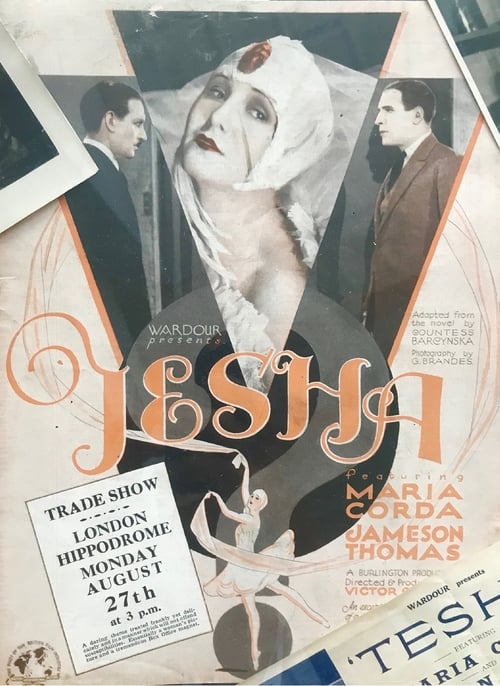
The luminous Maria Corda stars as the eponymous Tesha, a celebrated Russian dancer who marries an Englishman (Thomas). The couple long for a child but after five years of happy marriage, remain childless. On a trip to Southampton Tesha succumbs to a brief fling with a stranger (Cavanagh), unleashing a barrage of unforeseen consequences and emotional turmoil. The superb cinematography is by the great German cinematographer Werner Brandes who worked on dozens of prestige British productions in the 1920s. Originally shot silent, sound was added in 1929.
A young woman leaves behind her job, home and family to try to make it in the movie business. Features cameos from about three dozen German film stars of the era.
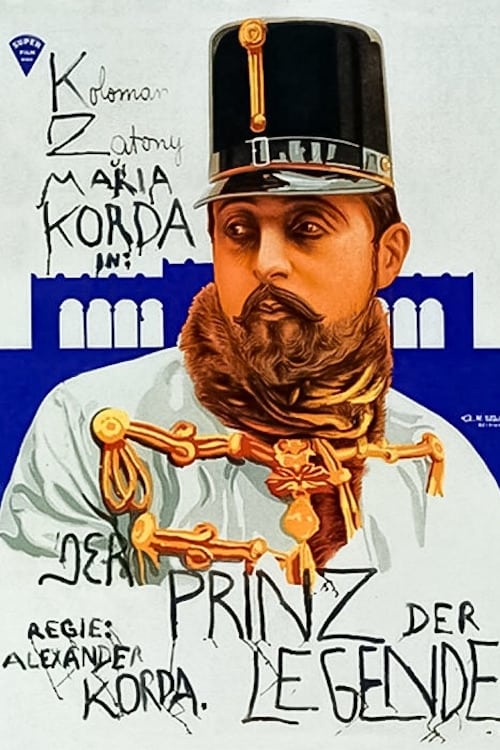
The story tells of a family tragedy that is based (not always factually accurate) on a well-known tragedy involving the ruling family of Austria-Hungary in 1889. Various names have been changed.
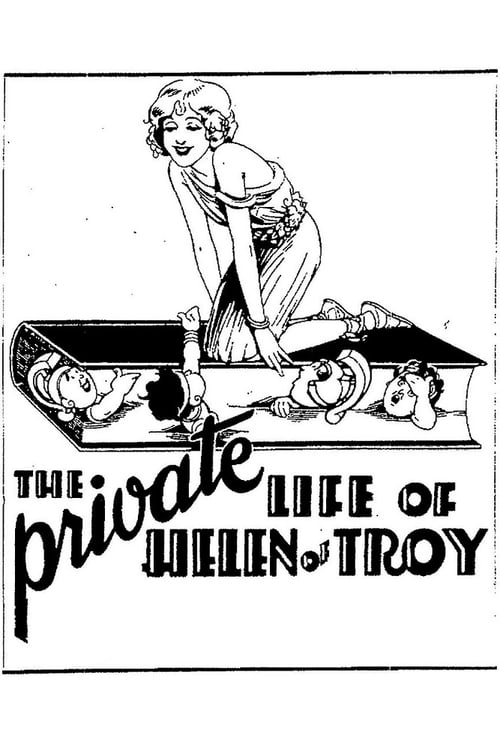
Setting the standard for his later light-hearted biopics The Private Life of Henry VIII and Rembrandt, producer-director Alexander Korda steadfastly refuses to take any of The Private Life of Helen of Troy seriously. Maria Corda, wife of the director, plays the title character as a fetchingly underdressed coquette, oblivious to all the political turmoil she's causing when she allows the handsome Paris (Ricardo Cortez) to kidnap her. Meanwhile, poor King Menelaus (Lewis Stone), Helen's husband, stands by in stoic silence, just as he's done on previous occasions when his wife succumbed to the charms of various sexy suitors (one of whom is played by future cowboy star "Wild Bill" Elliot). Finally galvanized into action, Menelaus reclaims his bride, who seems none the worse for wear for her experiences.
A famous Venetian opera singer marries a rich, but very jealous man. After moving to London with him, she misses the opera and all the attention she used to get. Once back in Venice, an old lover shows up causing trouble.
a silent movie by Robert Wiene
One of the first epic films made in Austria, as in some of the similar Cecil B De Mille entries, a fusion of a biblical story with a modern update.