
Jean-Gabriel Périot
Directing
Biography
In his youth, Jean-Gabriel Périot assiduously frequents the dark rooms. At fourteen, it's the click, he decides that his job will be to make movies. His passion for archives, visual or sound, and history comes during a work done at the Center Georges Pompidou at the end of his studies. He discovered the possibilities offered by archival images, a rich material that makes it possible to elaborate new visual narratives1. However, before beginning in cinema, he teaches and proposes installations in the field of contemporary art.
Known For
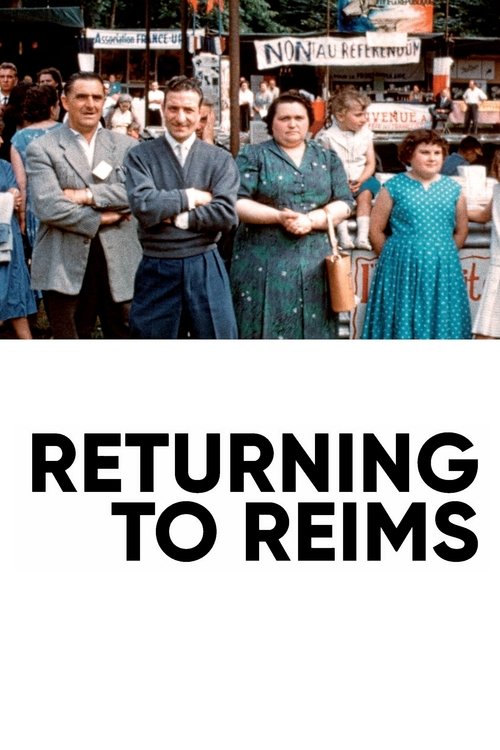
An intimate and political history of the French working class from the early 1950s to the present day.
Returning to Reims
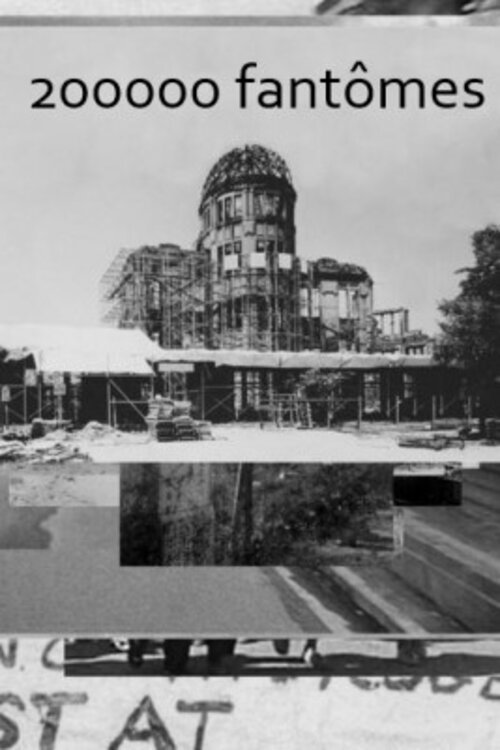
In 1914, the Czech architect Jan Letzel designed in the Japanese city of Hiroshima Center for the World Expo, which has turned into ruins after the atomic bombing in August 1945. “Atomic Dome” – all that remains of the destroyed palace of the exhibition – has become part of the Hiroshima memorial. In 2007, French sculptor, painter and film director Jean-Gabriel Périot assembled this cinematic collage from hundreds of multi-format, color and black and white photographs of different years’ of “Genbaku Dome”.
200,000 Phantoms
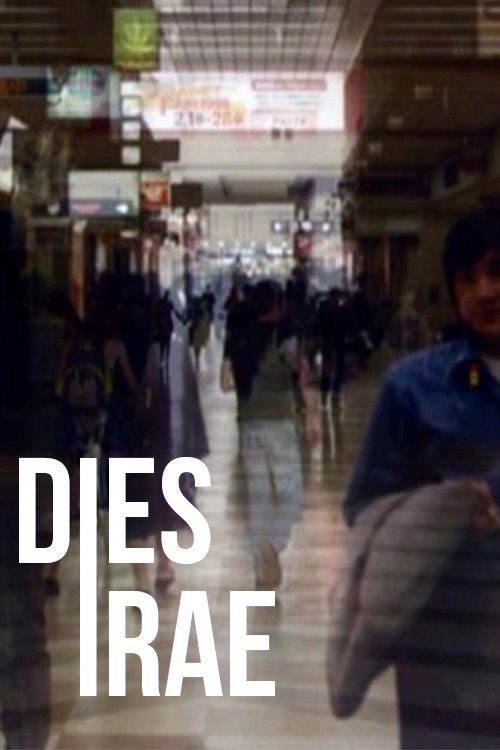
A beautiful, elegiac cycle expressing the boundless hope and infinite nostalgia of the voyage, consisting entirely of still images and painstakingly assembled into a emotionally moving pictorial essay. Periot: 'Remember that I am the cause of your journey. Don't lose me along the way.'
Dies Irae
No description available.
Si jamais nous devons disparaître ce sera sans inquiétude mais en combattant jusqu'à la fin
No description available.
Ô mon amour
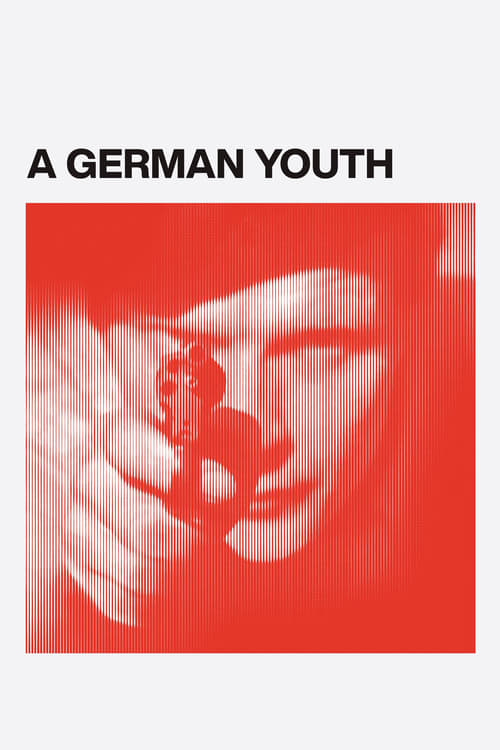
At the end of the 1960s the post-war generation began to revolt against their parents. This was a generation disillusioned by anti-communist capitalism and a state apparatus in which they believed they saw fascist tendencies. This generation included journalist Ulrike Meinhof, lawyer Horst Mahler, filmmaker Holger Meins as well as students Gudrun Ensslin and Andreas Baader.
A German Youth
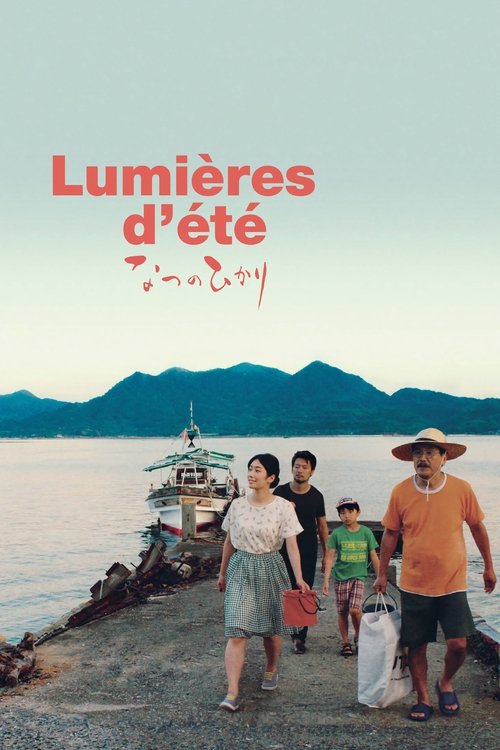
On the 70th anniversary of the atomic bombing of Hiroshima, Akihiro, a native Japanese filmmaker living in Paris, travels to Japan to interview survivors for a documentary commemorating the victims of the attack. Deeply moved by the interviews, he decides to take a break to wander through the city during which he meets Michiko, a merry, enigmatic young woman. Michiko takes him for a joyful and improvised journey from the city towards the sea where the horrors of the past are mingled with the simplicity of the present.
Summer Lights
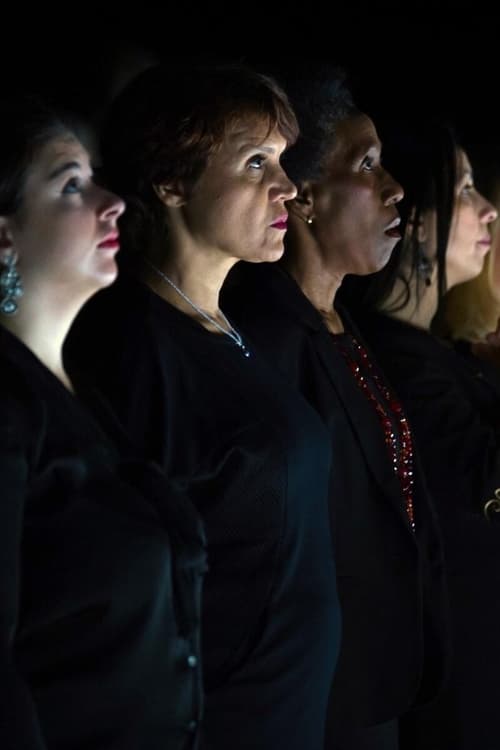
Jean-Gabriel Périot sketches the portrait of a group of women for whom music is a means of resistance and of escaping isolation.
There Is Joy in This Struggle
Documentary short about the Black Panther movement.
The Devil

No description available.
Même le vent semble pleurer
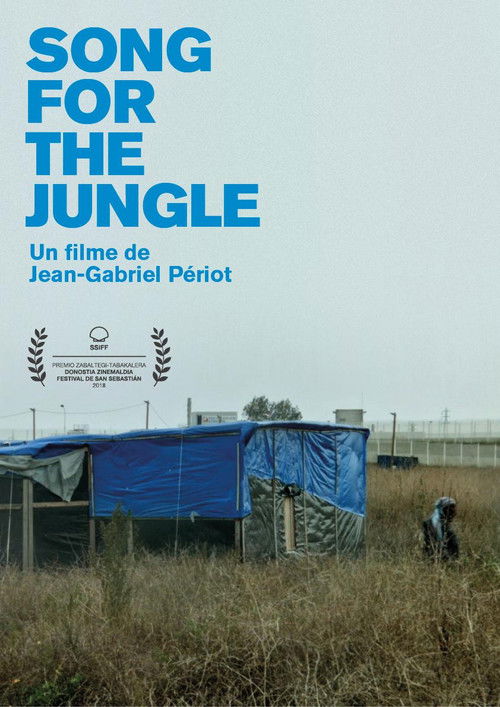
Calais, a few weeks before its clearing.The 'Jungle' is a place where thousands of migrants live and wait to go to England, or just that somebody takes care of them. And they wander in this deserted place, maybe to survive to our indifference.
Song for the Jungle
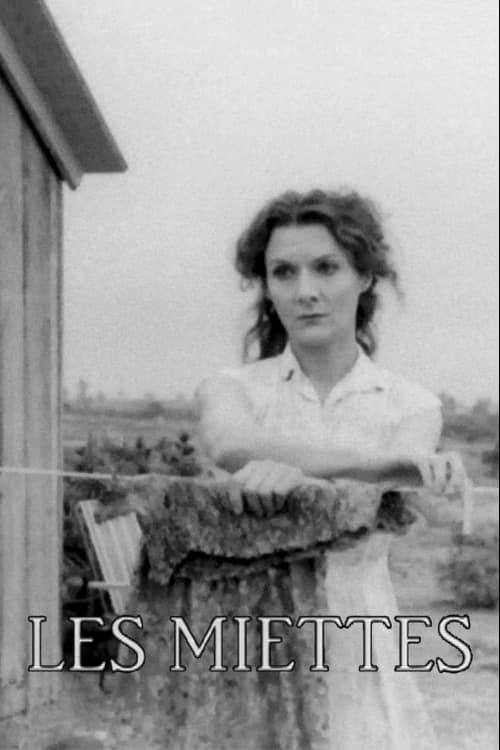
A worker woman lives in her little house, works in a factory, shops in a market. One morning, the factory starts moving and gets out of the field…
Crumbs
"An investigation of the intimate and the political. An inventory of our contemporary state of resignation, self-sacrifice and emptiness. An inventory of (my?) pessimism. A desire for confrontation. Faces. Portraits of happy people. Insurmountable thoughts. States of mind. And public space. Bringing intimate words back into the city. Bringing political discourse back to the city." - Jean-Gabriel Périot
Pointing Out the Ruins
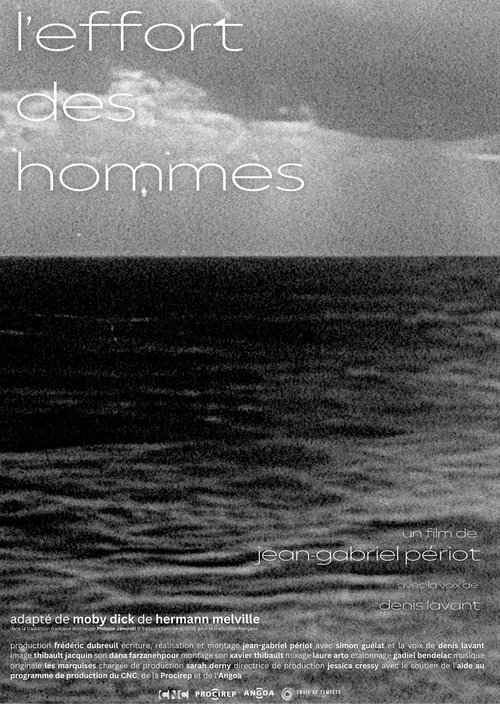
Whaling has been around for centuries. It seems to be the fruit of man’s violence, destroying himself by destroying nature. Accompanying the rise of capitalism, the practice survives today, reflecting humans’ eternal destructiveness of nature and the creatures unable to resist them.
All Effort of Men
Today's been sad. Tomorrow won't get any better. Let's un-do it all over again
Undo
The story is adapted from Baader-Meinhof by Don DeLillo and it depicts the mysterious meeting between a woman and a man in an art gallery.
Looking at the dead
A young man, looking for a job...
Between Dogs and Wolves
"We knew the world would not be the same. A few people laughed. A few people cried. Most people were silent."
We Are Become Death
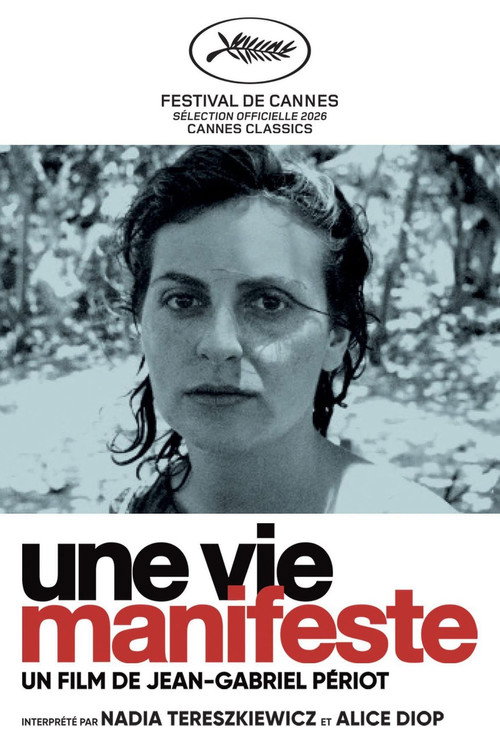
The life of Michèle Firk, a trailblazing French journalist, film critic and anti-colonial activist who rose to prominence in the 1960s and 1970s.
A Life, A Manifesto

By going back into the cinema of the 1968 era and going forward with present-day interviews of young people who replay excerpts of films jumping out from the past, Our Defeats draw the portrait of our current relations with politics. Our Defeats, or do we keep enough forces to confront ourselves with the chaos of today?