Henri Storck
Directing
Biography
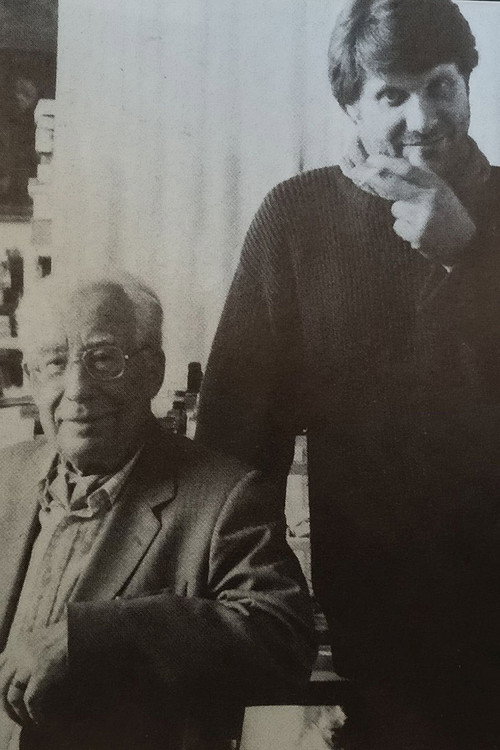
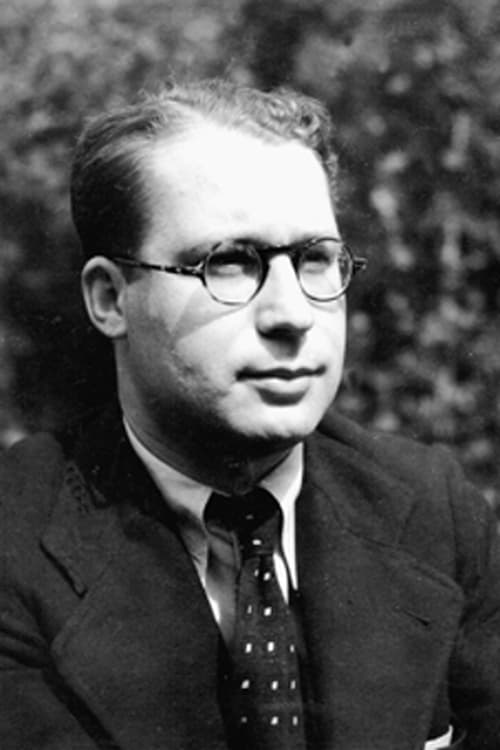
From Wikipedia, the free encyclopedia Henri Storck (1907, Ostend – 17 September 1999) was a Belgian author, film-maker and documentarist. In 1933, he directed, with Joris Ivens, Misère au Borinage, a film about the miners in the Borinage area. In 1938, with Andre Thirifays and Pierre Vermeylen, he founded the Cinémathèque Royale de Belgique (Royal Belgian Film Archive). He was an actor in two key films of the history of the cinema: Jean Vigo's Zéro de conduite (1933) in the role of the priest, and Chantal Akerman's Jeanne Dielman, 23 Quay Commercial, 1080 Brussels (1976) in the role of a customer of the prostitute. Jacqueline Aubenas wrote about him, in her expository work, It's been going on for 100 years: a history of the francophone cinema of Belgium: "There emerges forcefully the personality of a cineaste who is not a militant in the sense that this term had in the 1930s for Soviet directors who held an ideology, but in the sense of a generous man who will never choose the wrong side and who will be, in ethics as well as in esthetics, in the first line of battle". Description above from the Wikipedia article Henri Storck, licensed under CC-BY-SA, full list of contributors on Wikipedia.
Known For

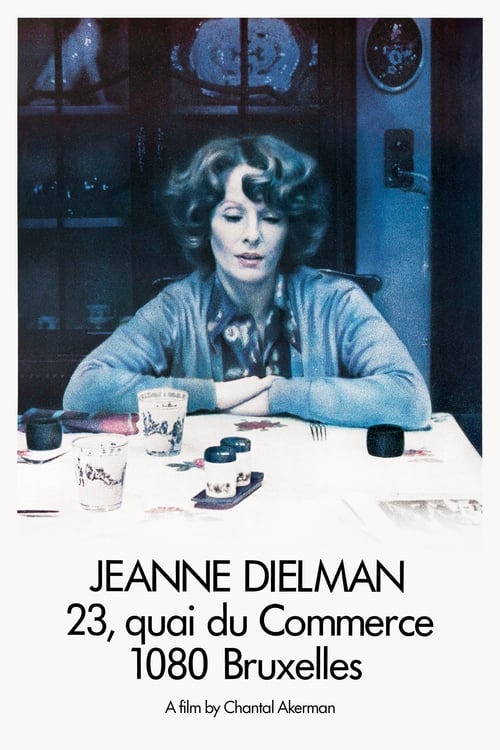
A lonely young widow lives with her son following an immutable order: while the boy is in school, she cares for their apartment, does chores, and receives clients in the afternoon.
Jeanne Dielman, 23, quai du Commerce, 1080 Bruxelles

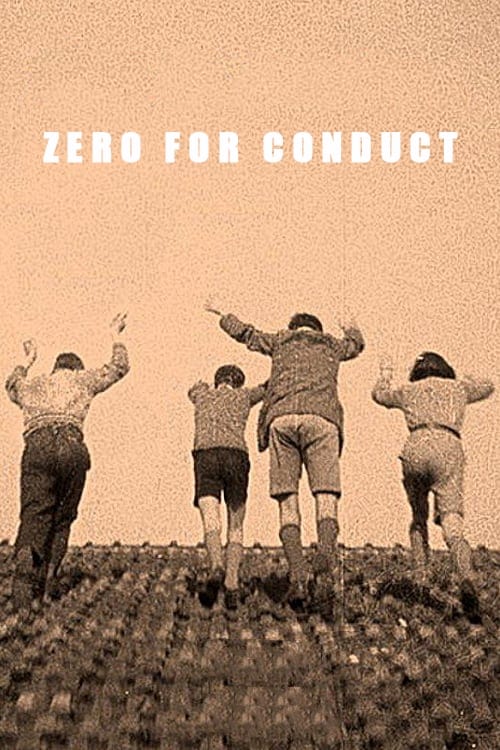
In a repressive boarding school with rigid rules of behavior, four boys decide to rebel against the director on a celebration day.
Zero for Conduct

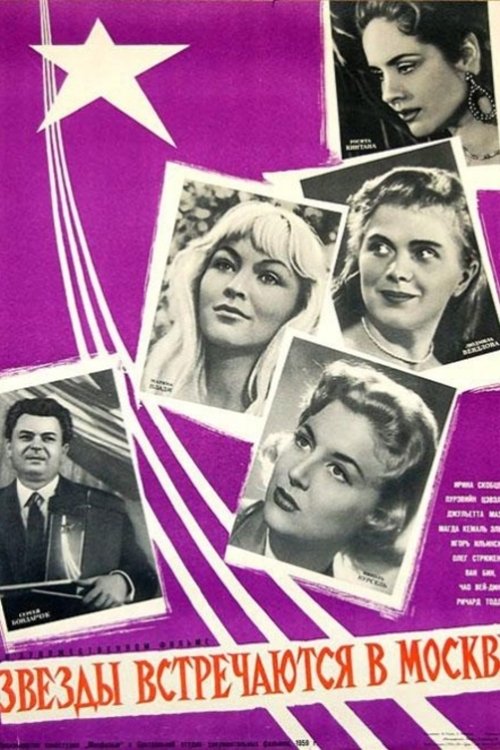
Documentary essay about the First Moscow International Film Festival, held in August 1959, about its participants and guests - Soviet and foreign actors, directors who came to the film forum.
Stars Meet in Moscow

Smuggler's Ball is the English-language title for this French-Belgian seriocomedy. The action takes place along the borders separating Belgium, Holland and France. It is here that the worldly Pierre (J. P. Kieran) carries on a profitable smuggling operation, all the while romancing Siska (Christian Lenier), the daughter of a local customs official. Various subplots and secondary characters weave in and out as the plotline guides the viewer through the WW II years. Towards the end, the story shifts gears when the Benelux Frontier Agreement eliminates all government regulations. The film's screenplay is by Charles Spaak, himself the descendant of a Belgian political family, and thus well-versed in bureaucracy and red tape.
Smuggler's Ball

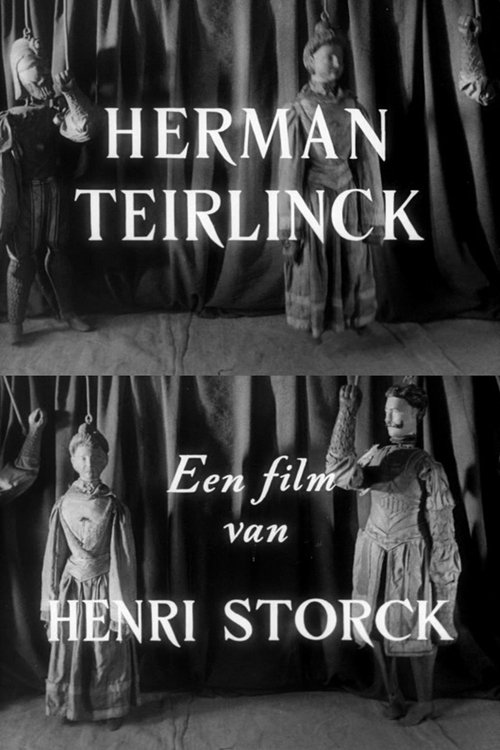
A portrait of the belgian writer Herman Teirlinck by Henri Storck.
Herman Teirlinck

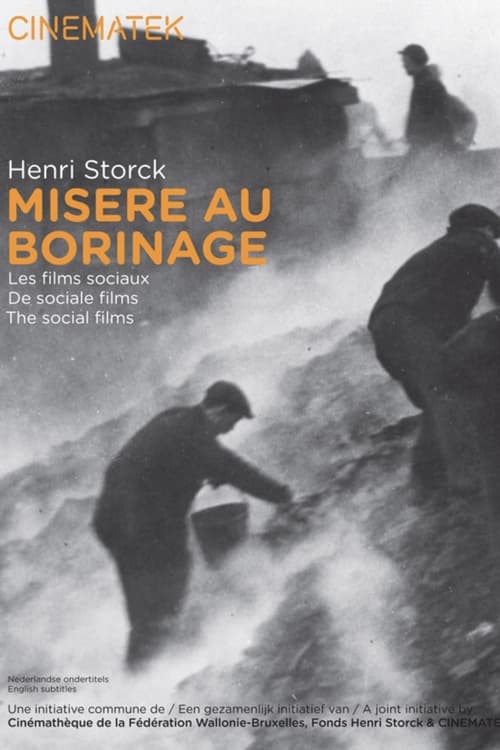
Henri Storck and Joris Ivens’ landmark of social documentary, blending staged scenes with locals and on-the-spot reportage to depict the 1932 miners’ strike in Belgium’s Borinage—evictions, hunger, and police repression—transforming outrage into a call for solidarity.
Borinage

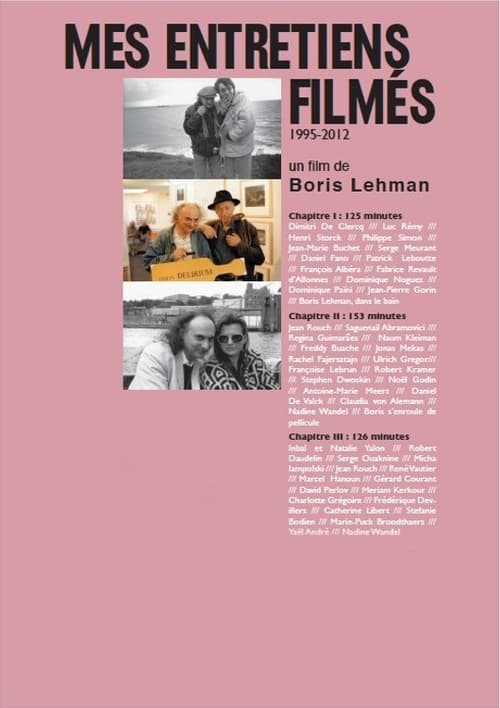
This distinctly personal journey into the artistic possibilities of independent film is not to be missed. Jonas Mekas, Jean-Pierre Gorin, Robert Kramer and many other visionaries and mavericks of the silver screen – as well as a book seller, a critic and a psychoanalyst – discuss what cinema has meant to them, what it is and what it could be and, implicitly, how it has changed over the 18 years in which this film was shot. Director Boris Lehman leads the charge, drawing in moments of absurdist humour and inventive camera work; he keeps things raw and spontaneous. His encounters with the now much-missed Jean Rouch and Stephen Dwoskin are particularly touching and stand testament to their personal playfulness and candour. An engaging, absorbing, epic odyssey of a movie.
My Conversations on Film

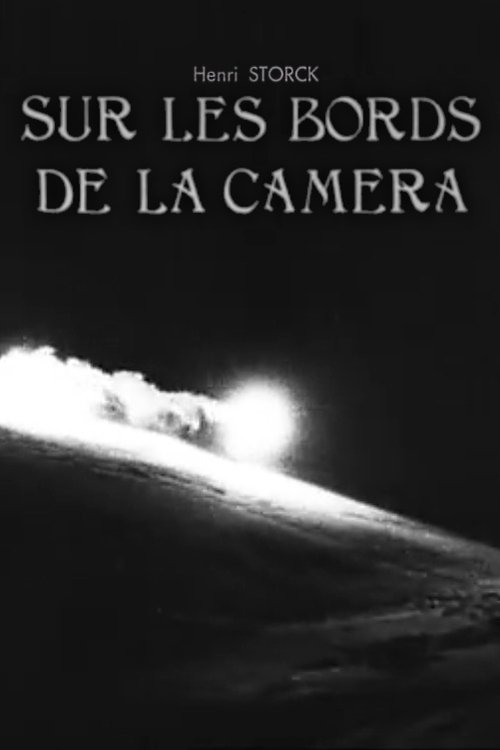
A montage of images from newsreels; Storck's edit contains comical, poignant, even chilling juxtapositions.
Outside the Border of the Camera

This surreal abstract film falls into three sections, or movements, the first taking place on the ground, the second in the air and the third again on the ground. In the first movement various motifs or themes are introduced, which are again picked up and developed in the third movement. Six spheres, evolved in the first movement, become the sole subject matter–or “dancers”–of the second movement, which consists of a simple type of ballet using the floor-plan choreography or traditional ballet as a basis of interest.
Rubens
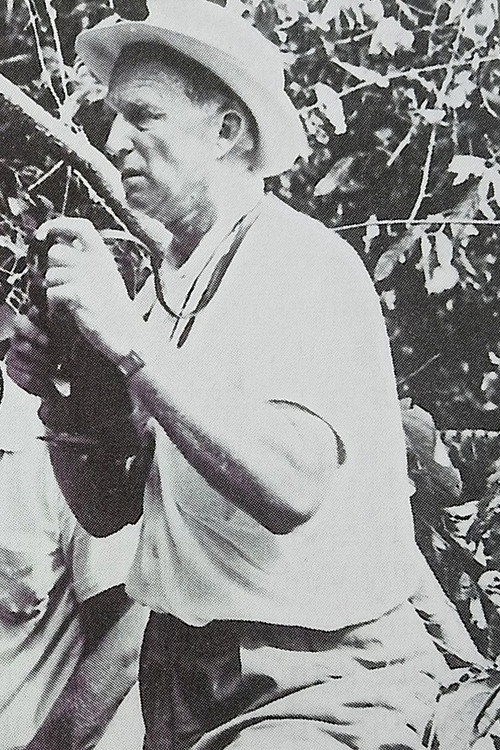
Documentary about the inhabitants, both human and animal, of the Belgian Congo.
Lords of the Forest
Three pioneers of documentary filmmaking – Joris Ivens, Henri Storck, and the man behind the camera, Jean Rouch – recall the early days of the documentary genre and speak about their creative methods and sources of inspiration. This lively discussion between the directors is shot in cinéma vérité style and spliced with footage from their older films.
Ciné-mafia

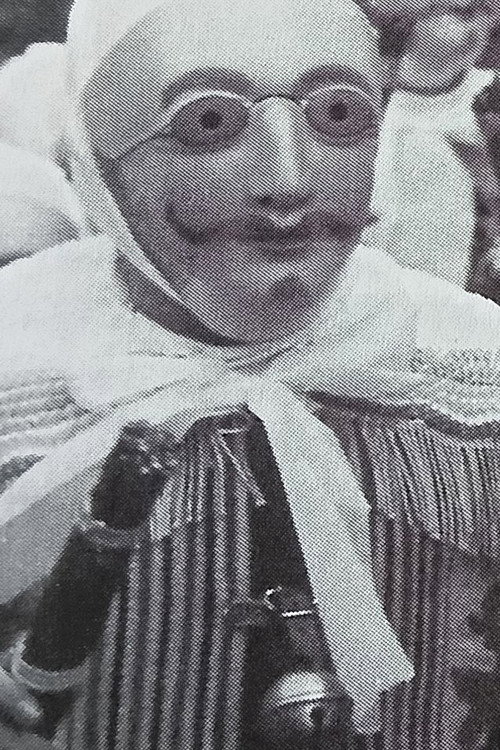
After three weeks and a long, hot voyage across the Pacific, an ocean liner finally arrives at its destination, Ecuador. That evening, the event is marked by a masked ball and a magic show.
Dainah the Mixed

A bitter-sweet story of a young sales assistant and a truck driver trapped between their dreams and the economic depression.
Thursday We Shall Sing Like Sunday
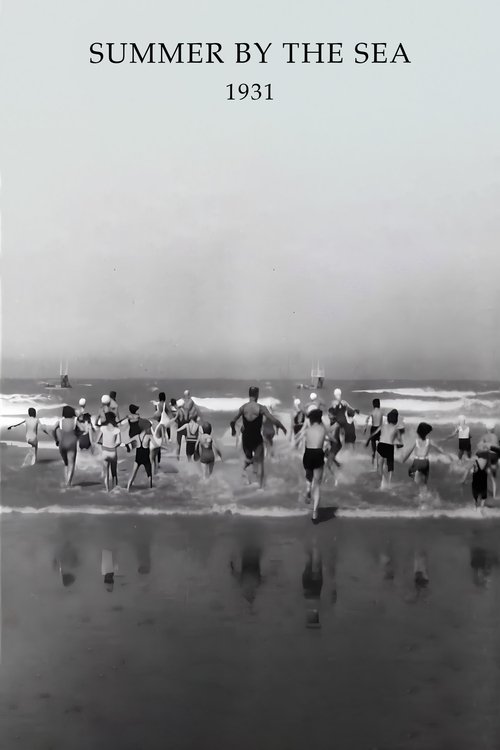
Structured in visual chapters: the port, anchors, the wind, the spray, the dunes, the North Sea… A series of images that need no anecdote or explanation. Storck offers a glimpse of Ostend, aspects that order its multiple constitutive elements; The water, the sand, the waves, vital cinematic language displayed in simple pictures. A poetic and kinetic shock, without fiction or sound, which relieves film from its narrative obligation and restores it to the world of sensations that it can alone carry.
Images of Ostend
The first Easter Island documentary, filmed in 1935 when the Belgian naval ship Mercator came to collect Drs. Henri Lavacherry and Alfred Métraux, who had arrived six months before to carry out archaeological and ethnological work. The film, directed with melodramatic gusto and featuring a full orchestral score by Maurice Jaubert (who also did the narration), shows islanders, the monuments, and a public dance. A theme of decay and decadence characterizes the film, the motif portrayed gruesomely by extensive close-ups of the inhabitants of the leper colony there at the time. The film suited a romantic image of a mysterious lost civilization, the survivors eking out a pitiful existence on a barren rock. (Grant McCall)
L'île de Pâques

A documentary celebrating 25 years of flemish subsidised cinema.
Janssen & Janssens draaien een film
An UN produced French documentary attempting to illustrate the many causes of juvenile delinquency with particular reference to adverse environmental influence.
Crossroads of Life

"Pour vos beaux yeux" (For Your Beautiful Eyes) is an eight-minute surrealist short by Henri Storck, conceived from an idea by Félix Labisse. In just 75 shots, it follows a young man who discovers a glass eye in a park, becomes consumed by its strange allure, and tries in vain to rid himself of it by mailing it away. Featuring Henry Van Vyve in the lead role, with cameo appearances by Labisse and his sister Ninette, the film stands as a playful yet unsettling exploration of obsession and absurdity—released only a year after "Un Chien Andalou."
For Your Beautiful Eyes

The second part of "Le monde de Paul Delvaux" (1944/1946)
Paul Delvaux or the Forbidden Women

Found footage using Chantal Akerman's Jeanne Dielman.