Acting
The adventures of The Doctor, a time-traveling humanoid alien known as a Time Lord. He explores the universe in his TARDIS, a sentient time-traveling spaceship. Its exterior appears as a blue British police box, which was a common sight in Britain in 1963 when the series first aired. Along with a succession of companions, The Doctor faces a variety of foes while working to save civilizations, help ordinary people, and right many wrongs.
Omnibus was an arts-based BBC television documentary series, broadcast mainly on BBC1 in the United Kingdom. The programme was the successor to the long-running arts-based series 'Monitor'. It ran from 1967 until 2003, usually being transmitted on Sunday evenings. During its 35-year history, the programme won 12 Bafta awards. Among the series' best remembered documentaries are Cracked Actor, a profile of David Bowie, and Rene Magritte, a graduate film by David Wheatley, 'Madonna: Behind the American dream', a film produced by Nadia Hagger, and a profile of the British film director Ridley Scott. For a season in 1982, the series was in a magazine format presented by Barry Norman. The series was replaced by 'Imagine' hosted by Alan Yentob.
Roguish comedy drama following the misadventures of small-time crook Arthur Daley.
Theatre 625 is a British television drama anthology series, produced by the BBC and transmitted on BBC2 from 1964 to 1968. It was one of the first regular programmes in the line-up of the channel, and the title referred to its production and transmission being in the higher-definition 625-line format, which only BBC2 used at the time.
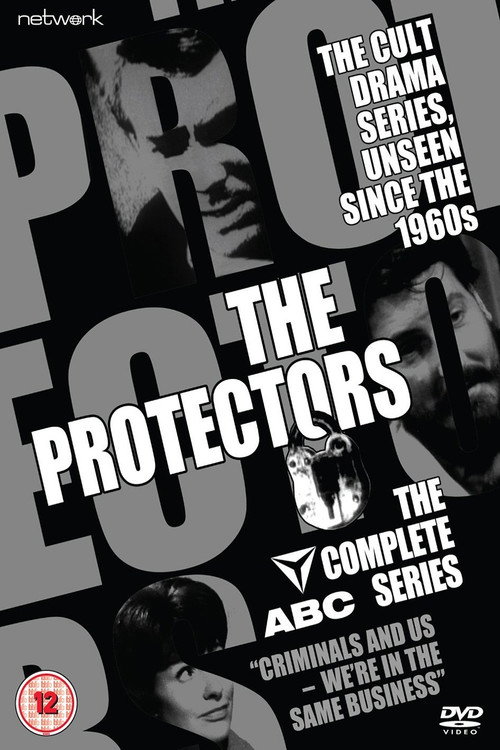
World War II drama about covert organisation Lifeline helping allied airmen escape after being shot down in occupied Europe, working with the Resistance and hiding from the Gestapo.
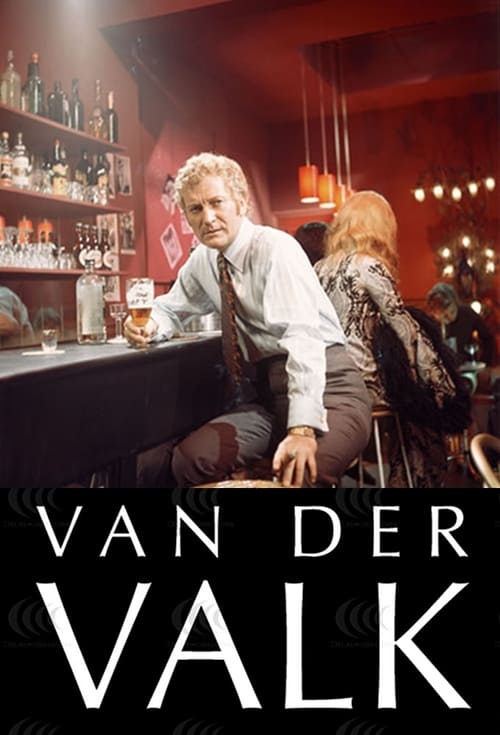
Van der Valk is a British television series that was produced by Thames Television for the ITV network. It starred Barry Foster in the title role as Dutch detective Commissaris "Piet" van der Valk. Based on the characters and atmosphere of the novels of Nicolas Freeling, the first series was shown in 1972.
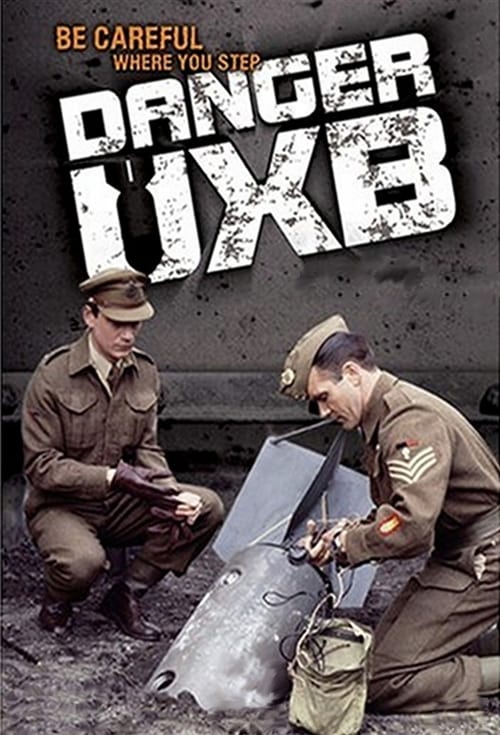
Danger UXB is a 1979 British television series developed by John Hawkesworth and starring Anthony Andrews as Lieutenant Brian Ash, an officer in the Royal Engineers. The programme is titled and partly based on the memoirs of Major A. B. Hartley, M.B.E, RE, Unexploded Bomb - The Story of Bomb Disposal, with episodes written by Hawkesworth and four screenwriters. The series chronicles the exploits of the fictional 97 Tunnelling Company which, as a result of thousands of unexploded bombs in London during the Blitz, has become a bomb disposal unit. As with all his fellow officers, Ash must for the most part learn the techniques and procedures of disarming and destroying the UXBs through experience, repeatedly confronted with more cunning and deadlier technological advances in aerial bomb fusing. The storylines were primarily military, with a romantic thread between Ash and an inventor's married daughter, and other human interest vignettes.
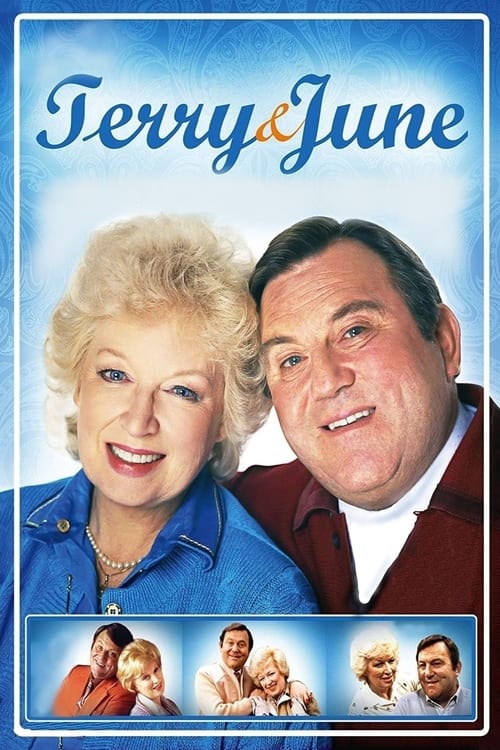
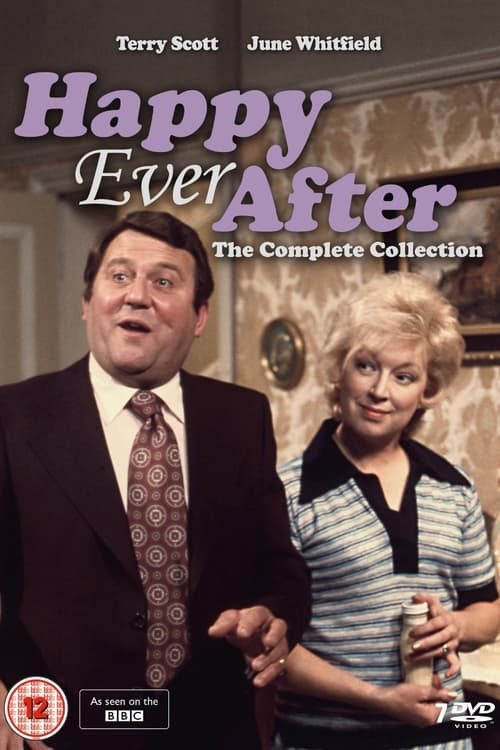
Middle-aged Terry and June Medford are beginning to find the trials of life more difficult as they try to succeed in their daily lives. The couple have just moved to Purley, south-east London... Aunt Lucy and the mynah bird have disappeared, as had the occasionally visiting daughters. Terry and June now mixed with friendly next door neighbour Beattie; Terry's chatty work colleague, Malcolm; and their gruff boss Sir Dennis Hodge. Otherwise, things were much as before, with Terry's pigheaded childishness causing no end of problems, usually thwarting June's attempts at leading a cosy life.
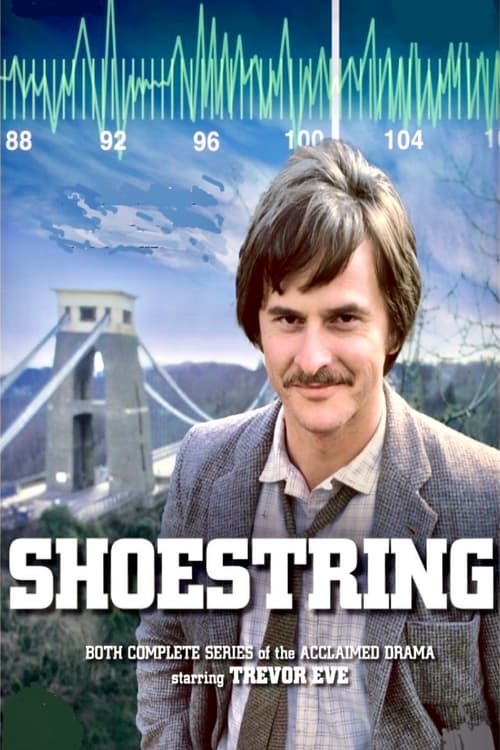
Shoestring is a BBC detective drana set in Bristol and starring Trevor Eve as private detective Eddie Shoestring, who operatee his own show on Radio West, the local radio station. The programme ran between 30 September 1979 and 21 December 1980, in two series with 21 hour-long episodes. Eve opted not to return after two series, as he wanted to diversify into theatre, so the production team changed the setting to Jersey and created Bergerac, also following a detective returning to work after a bad period in his life.
Story Parade specialized in adaptations of modern novels. It was broadcast on June 5, 1964 and repeated on August 28, 1964. The teleplay was by Terry Nation (who invented "Blake's 7" and the Daleks in Dr. Who), and Elijah Baley was played by the late Peter Cushing. It also starred John Carson John Carson as R. Daneel Olivaw and Kenneth J. Warren. The master tapes of the program were erased, however a few clips from the production have turned up in various documentaries about Isaac Asimov's work.
A strand of annual British short television adaptations of classic ghost stories, referencing the oral tradition of telling supernatural tales at Christmas. First broadcast on BBC One from 1971 to 1978, and revived in 2005 on BBC Four.
Middle-aged, middle-class couple Terry and June Fletcher expect to settle down in domestic bliss when their children leave home and they are left with a quiet, peaceful house. Their peace, however, is short-lived when ditzy Aunt Lucy decides she’s moving in.
Ex-insurance investigator Ian Souter sets up his own security agency — the SIS (Specialists in Security) — alongside ex-cop Robert Shoesmith and secretary Heather Keys - and fight crime.
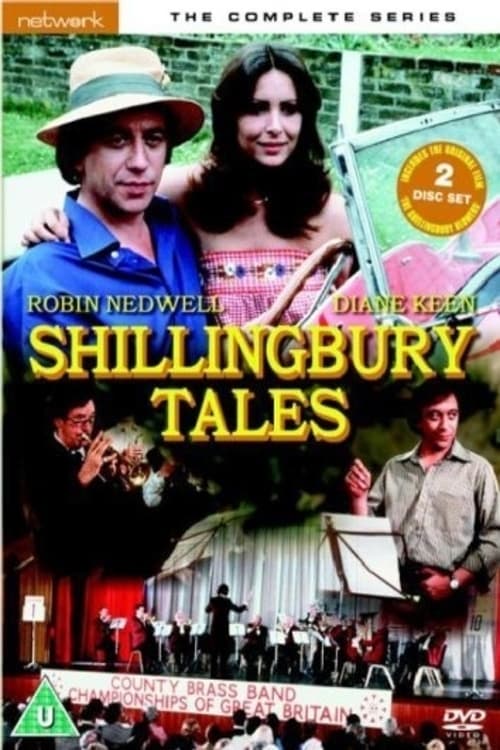
Shillingbury Tales is a 1980–81 British sitcom produced by Associated Television for ITV. Comprising a single feature length pilot and six one-hour episodes, the series deals with life in an idealised fictional English village and stars Robin Nedwell, Diane Keen, Nigel Lambert, Jack Douglas, John Le Mesurier, Bernard Cribbins and Trevor Howard. The series was written by Francis Essex and directed by Val Guest. Unusual for the time, it was shot entirely on location in the village of Aldbury in Hertfordshire on 16mm and consequently there was no laugh track. The show ended when ATV lost their licence to broadcast and their replacement Central declined to continue production.
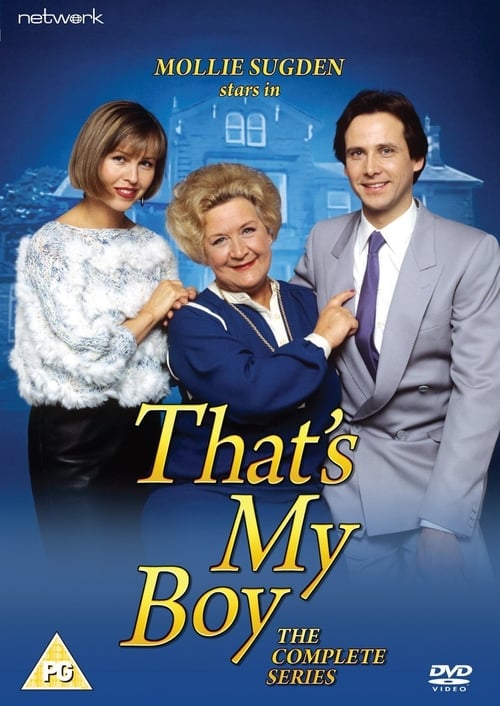
That's My Boy is a British sitcom produced by Yorkshire Television for ITV from 1981 to 1986. It stars Mollie Sugden as Ida Willis, who takes a job as a housekeeper for her son, whom she gave up for adoption years earlier.
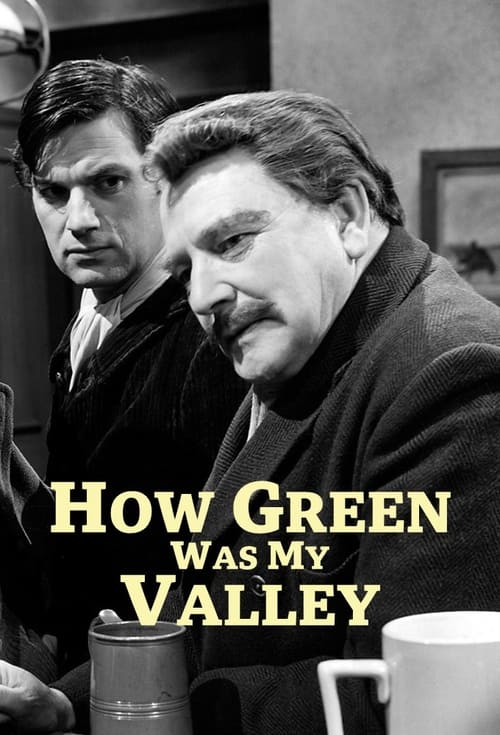
How Green Was My Valley is a six-part television miniseries adapted by Elaine Morgan, based on Richard Llewellyn's eponymous 1939 novel. The serial is produced by the BBC and 20th Century Fox Television for BBC Two—the latter's involvement is due to their ownership of the rights to the novel and its subsequent Oscar-winning 1941 film. Huw Morgan, the academically inclined youngest son in a proud family of Welsh coal miners, witnesses the tumultuous events of his young life during a period of rapid social change. At the dawn of the 20th-century, a miners' strike divides the Morgans: the sons demand improvements, and the father doesn't want to rock the boat.
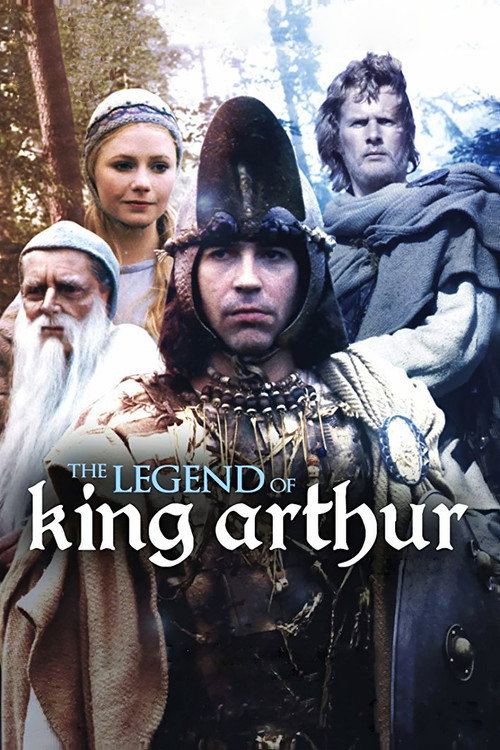
Dark Ages wizard Merlin, weary of the barbarism around him, creates a new order of enlightenment and justice with a youthful Arthur at its head. Merlin gifts Arthur with the magic legendary sword Excalibur to help him defeat the nobles who oppose his rule. But Arthur must also beware his half-sister Morgan, a sorceress who has sworn to kill him to avenge her father's death. As Morgan intensifies her plans for revenge, she uses magic to draw Lancelot and Guinevere into a passionate affair. However, it is the still more traitorous Mordred who will ultimately determine the fate of Arthur's rule.
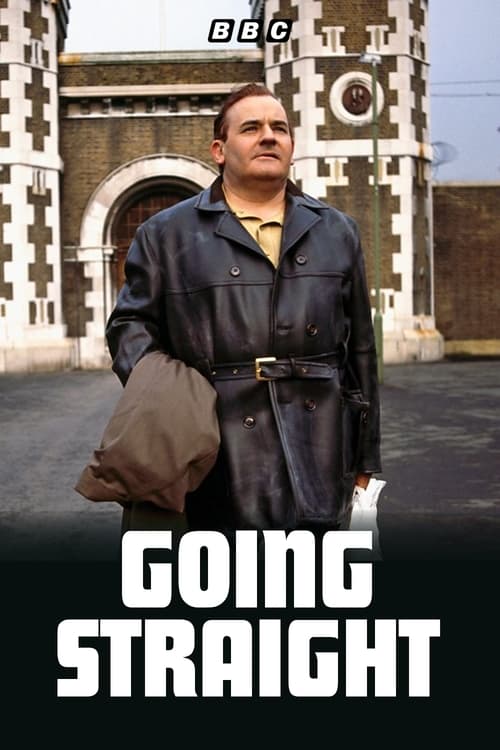
Going Straight is a BBC sitcom which was a direct spin-off from Porridge, starring Ronnie Barker as Norman Stanley Fletcher, newly released from the fictional Slade Prison where the earlier series had been set. It sees Fletcher trying to become an honest member of society, having vowed to stay away from crime on his release. The title refers to his attempt, 'straight' being a slang term meaning being honest, in contrast to 'bent', i.e., dishonest. Also re-appearing was Richard Beckinsale as Lennie Godber, who was Fletcher's naïve young cellmate and was now in a relationship with his daughter Ingrid. Her brother Raymond was played by a teenage Nicholas Lyndhurst. Only one series, of six episodes, was made in 1978. It attracted an audience of over 15 million viewers and won a BAFTA award in March 1979, but hopes of a further series had already been dashed by Beckinsale's premature death earlier in the same month.
A Shakespearean actor takes poetic revenge on the critics who denied him recognition.
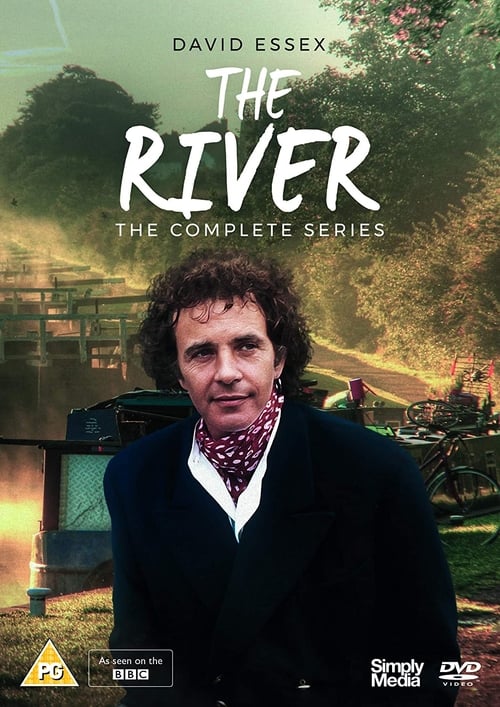
The River follows the tranquil life of lovable, Cockney, ex-convict Davey Jackson who is lock keeper on the canal near the village of Chumley-on-the-Water.