Acting
No description available.
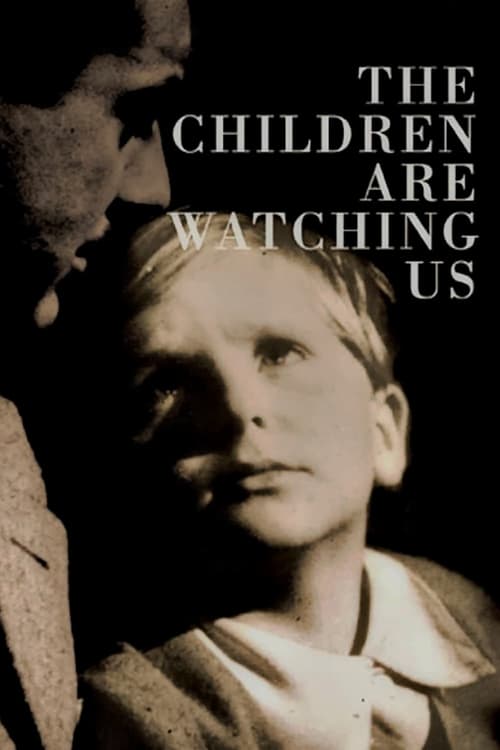
In his first collaboration with renowned screenwriter and longtime partner Cesare Zavattini, Vittorio De Sica examines the cataclysmic consequences of adult folly on an innocent child. Heralding the pair’s subsequent work on some of the masterpieces of Italian neorealism, The Children Are Watching Us is a vivid, deeply humane portrait of a family’s disintegration.
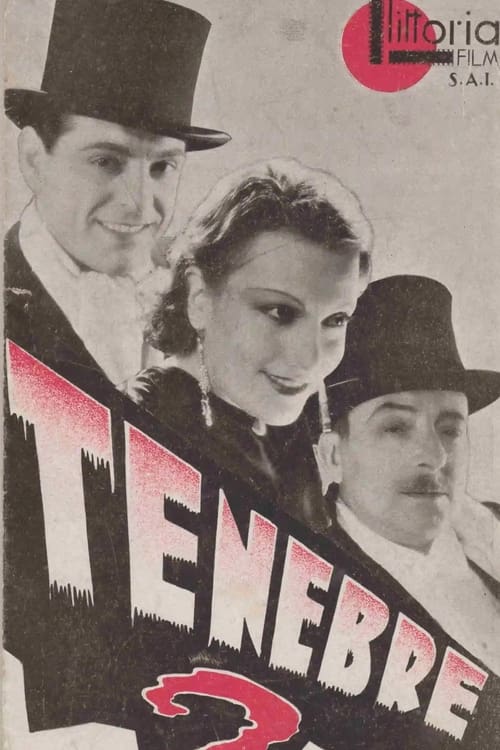
A crime novel writer is experiencing writer's block while writing his latest book. Then a woman is murdered in his home, and this crime gives him inspiration to finish his novel. Without noticing, he even founds the real culprit.
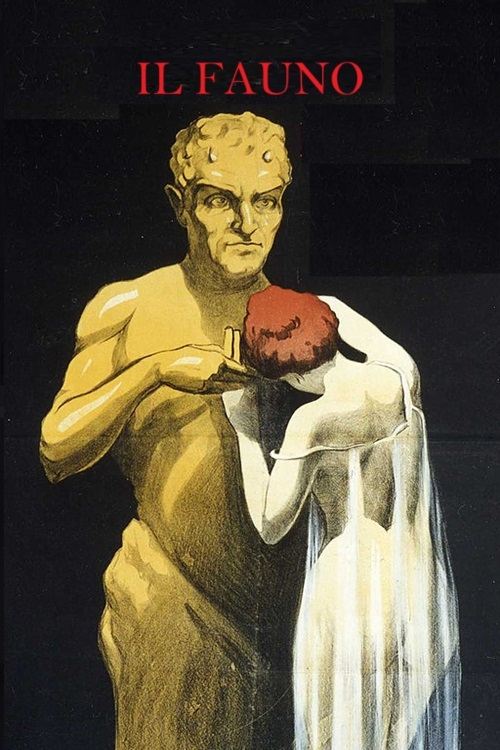
The model Fede loves the writer Arte, but he is enmeshed by the beautiful Femmina. Fede takes comfort in the Faun, a mythological creature who becomes animated from the stone sculpted by Arte. The love story with the Faun represents a return to a dreamt wildness impossible by now, for the modern man, to reach and maintain.
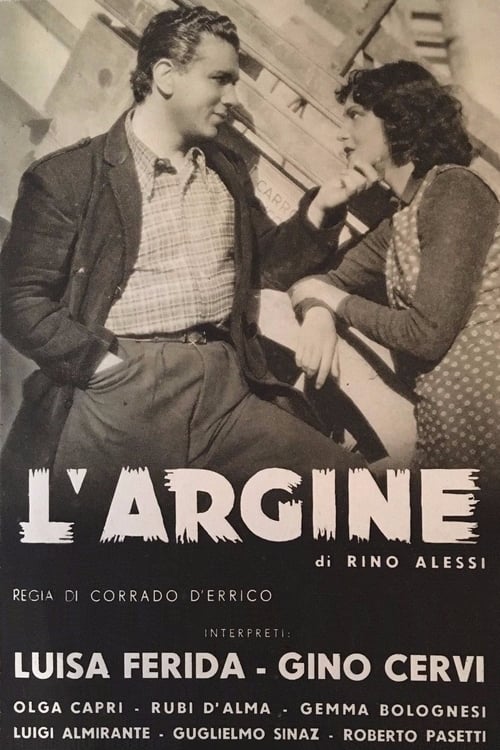
A ferryman assists a woman who had a car accident and falls in love with her. When she leaves suddenly, he sets out to find her.
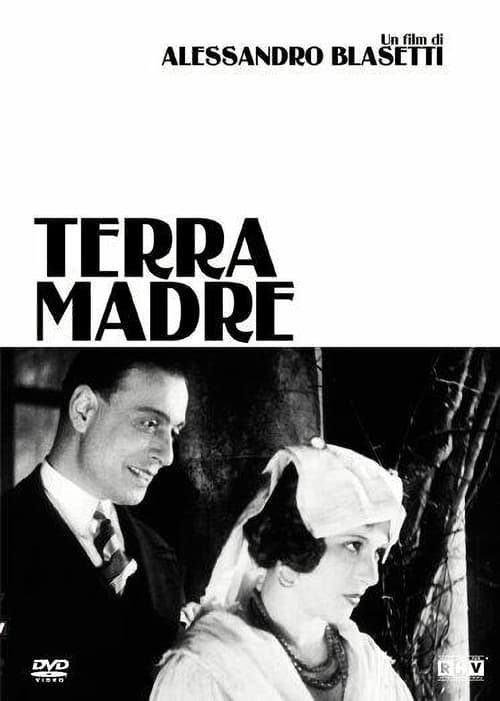
The Duke Marco visits to his country side estate after many years absence. His farmers wants him to stay and run the place while his lover wants him to sell it. All while a farmers daughter also enters his life.
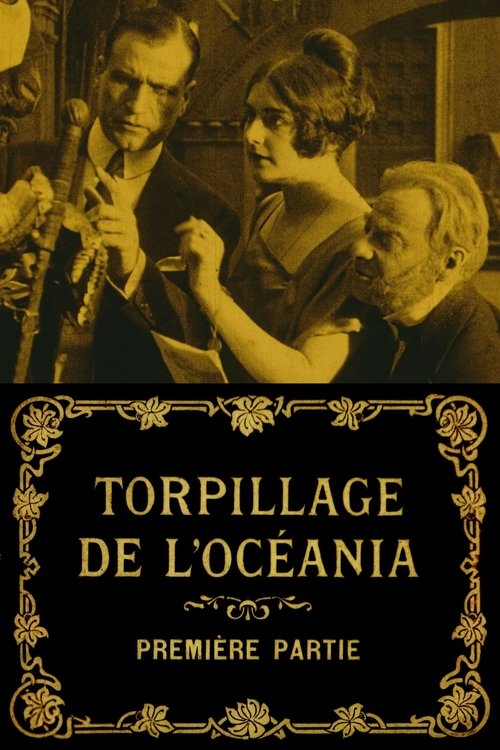
There’s a war on, yet the last days of October pass by “sunny and tranquil” as warm rays light up an expansive ocean. The grand liners Titan and Oceania cross the Atlantic to Europe. Yet under the seemingly placid surface of the water looms the threat of submarines, “vipers of the sea”. The Oceania is torpedoed and quickly sinks. After the dramatic intensity of the opening, however, Il siluramento dell’Oceania seems to swiftly abandon the echoes of the Lusitania and its burden of tragedy, channeling itself into the more frivolous tides of the typical adventure drama fashionable at that time, unafraid of either improbable coincidences or clichéd characters. Cecil Tryan plays the heroine, a beautiful heiress unjustly banished with her mother from her ancestral castle. She weeps at the thought of no longer being able to order seven dresses in one go from her tailor, and ultimately falls in love with the courageous captain, also a survivor, who saves her life and fortune.
A businessman marries Maria, the daughter of the rich professor, not for love but for personal gain. He betrays and humiliates her but she hides his despicable character from both her father and society at large and takes comfort in the company of a ship’s lieutenant. They fall in love but agree to interrupt their impossible relationship. Pregnant with her lover’s child, Maria decides to follow her heart and join him at sea but a series of dramatic events awaits them.
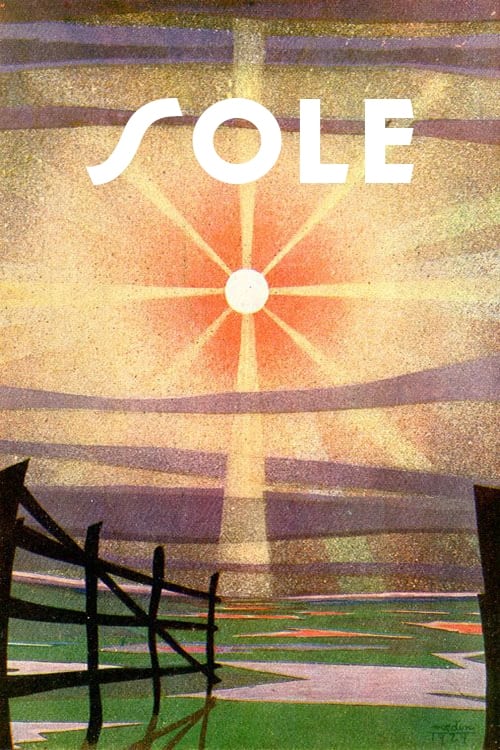
Sole is the first film by the great Alessandro Blasetti and bears a complex relationship to the reclamation of the Pontine Marshes, a seminal event in Fascist political history.
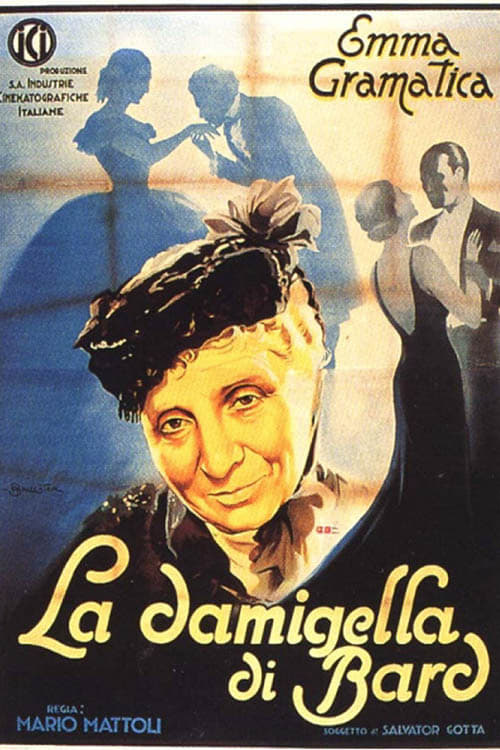
The Turin noblewoman Maria Clotilde di Bard, the sole and elderly heir to an ancient Savoyard title, is reduced to living in the attics of the palace due to the embezzlement of a dishonest administrator. The young lady, who has always been alone due to a great love that never led to marriage with Baron Nigra, befriends the daughter of the palace owner, who tells her about her love for an aeronautical engineer: an unhappy love, because her father is against it. Maria Clotilde discovers that the young man is her brother's illegitimate son, taken away at an early age and never recognized, and therefore the sole heir to the Bard name. The shady administrator also ruins the new owners, who find themselves penniless. But in a trunk kept by the damsel there is years of correspondence between her and Baron Nigra, whose immense historical value restores the Bard family to its former glory and thus allows for a happy ending with the marriage of the two young people.
Pierrot and Pierrette fall in love. But soon, Pierrette meets another man... Only the first part of the movie (282m, 16min) is preserved.