FEEL IT.STREAM
?

João Carlos Gorjão

Editing

Known For

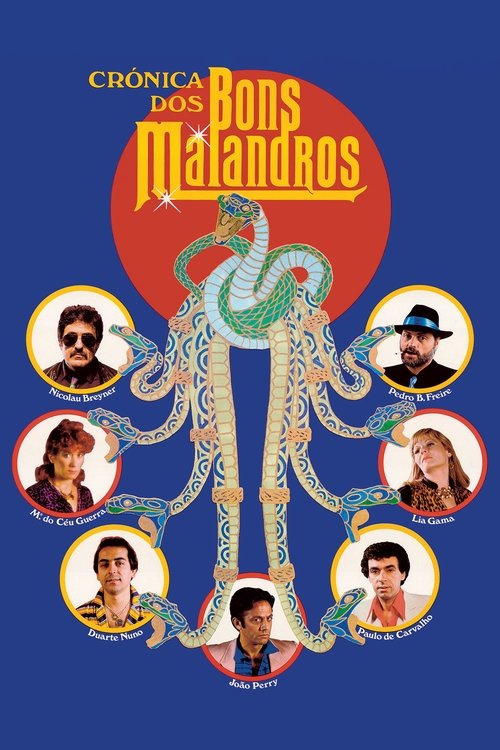
Chronicle of Good Hoodlums
6.0

This exaggerated mockery of crime cinema tells the story of a gang lead by "Renato, o pacíficio" (Renato, the peaceful) and their attempt to steal precious jewels from the Gulbenkian Museum in Lisbon. The weapon of choice? Bees!

Chronicle of Good Hoodlums

1984
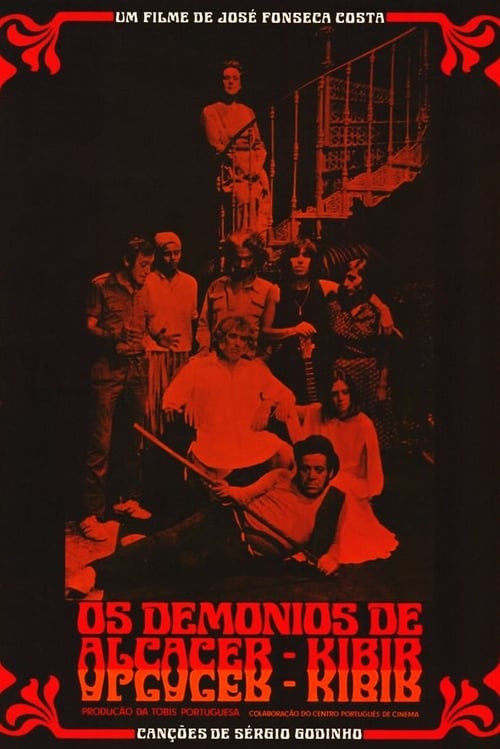
The Ghosts of Alcacer-Kibir
6.3

Alentejo 1975. The Police associate a group of traveling players with a strike of agricultural workers. The action takes place in the open space and harsh heat of the Alentejo. With the connivance of Lianor, the troupe enters the palace of Don Gonzalo an old aristocrat. The gentleman is obsessed by visions of great past deeds in a universe of ghosts. This was the first example of militant cinema in Portugal after the end of the Estado Novo dictatorship, exploring the world after the Carnation Revolution and its contradictions.

The Ghosts of Alcacer-Kibir

1976
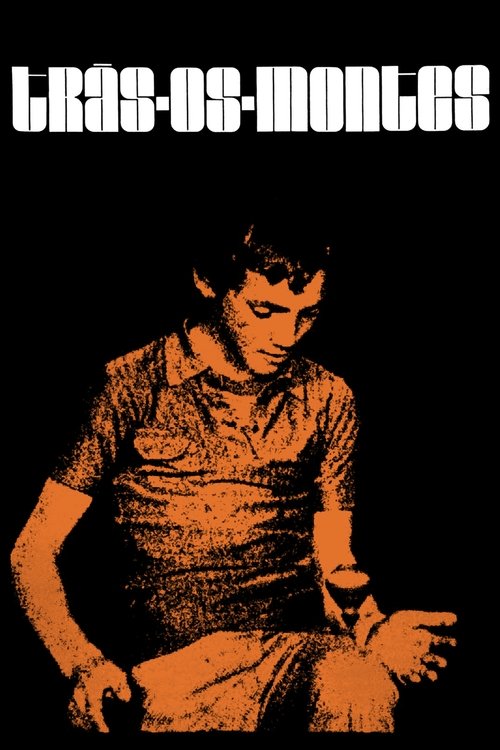
Tras-os-Montes
7.1

The first feature in António Reis and Margarida Cordeiro’s trilogy is a journey through this almost mythical region of north-east Portugal, a tapestry of micronarratives where past, present and future become intertwined.

Tras-os-Montes

1976
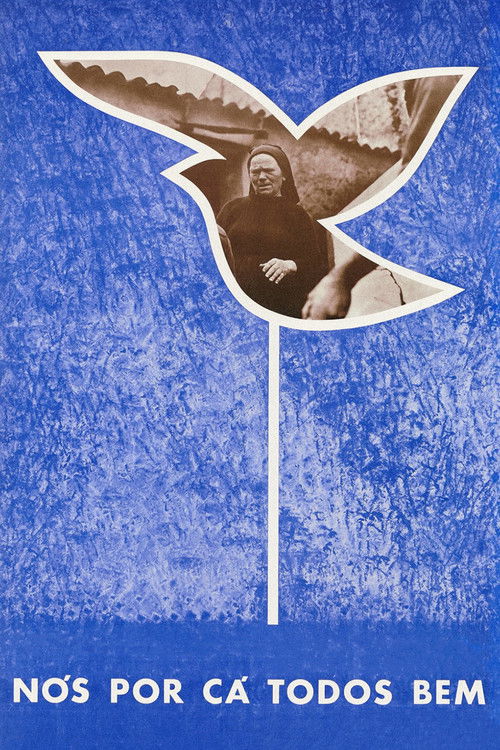
Nós Por Cá Todos Bem
6.8

In his childhood haunts, in the village of Várzea dos Amarelos, the filmmaker films peasant life with its seasonal and daily rituals: a festive meal, the slaughter of a pig, bread-making. The film slides into imagination and blends with fiction: memories and dreams, imagination and reality intermingle in this work full of enthusiasm that has an enormous freedom of form and a zest for life and discovery of the world. With a strong documentary element, it mixes professional actors with the inhabitants of a small village, telling the story of a small film crew in a village living day to day.

Nós Por Cá Todos Bem

1978
No image
10.0

Part of the medium-length films for TV Lisboa Sociedade Anónima, O Banqueiro Anarquista is a fine example of what a fabulous script (by Pessoa), exuberant set design, attentive camera work, and an actor (Santos Manuel) at his most daring and accomplished can achieve. The result is a cynically entertaining film, markedly representative of the First Republic, where for almost an hour the viewer is delighted (and unsettled, of course) by the fallacies of a script to which Santos Manuel gives the weight of a body and a voice, that is, he brings it to life. The Anarchist Banker is a brilliant satire on political discourse, of unfailing intelligence and ferocity.

O Banqueiro Anarquista

1981
Habitat-Un Défi
N/A

Short film by Fernando Lopes, decisive figure of the Portuguese New Wave.

Habitat-Un Défi

1976
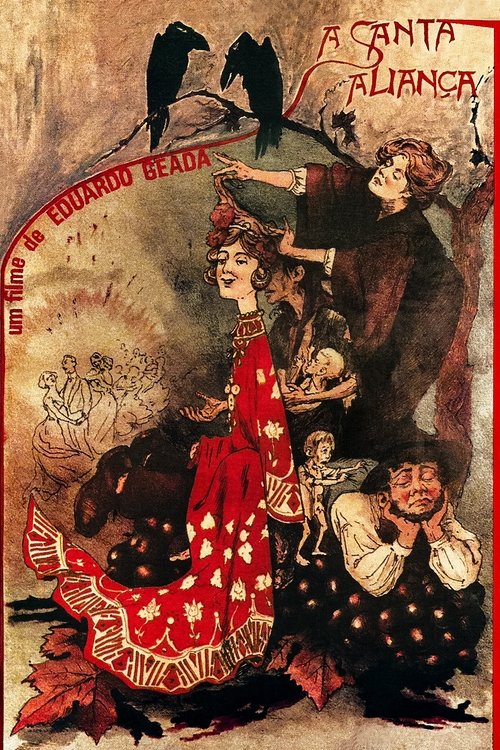
The Holy Alliance
7.0

In 1974, not long after the death of Portuguese dictator Salazar, who had ruled Portugal from the early '30s to the late '60s, a group of disgruntled Army officers held a coup. They were even more disgruntled when they realized how the coup was being manipulated by leftist officers to instigate genuine elections and establish a constitution for the first time in Portuguese history. Though their intent was to form a radical socialist state, circumstances prevented this, and a genuine parliamentary democracy emerged. This film explores the circumstances of a right-wing businessman during those times. The man is an old-fashioned authoritarian, whose attentiveness to the needs of his mistress, wife and son is crude where it exists at all.

The Holy Alliance

1980
No image
N/A

Short film by Fernando Lopes, decisive figure of the Portuguese New Wave.

Sounds and Colours of Portugal

1977