Fernando Coni Campos
Directing
Biography
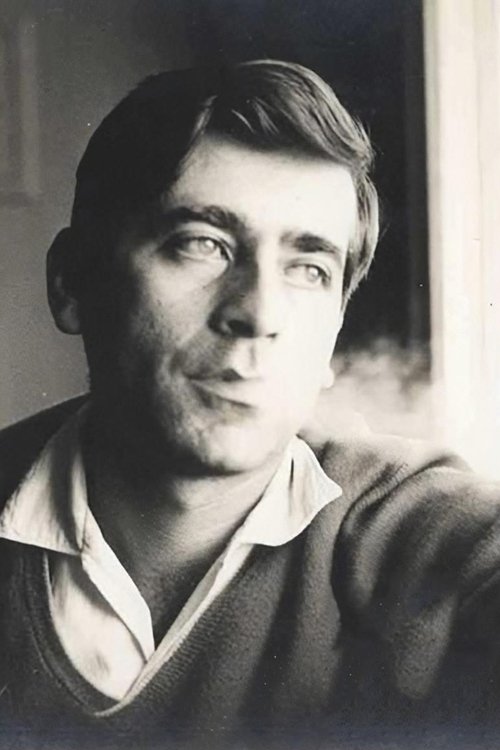
Fernando Coni Campos was born on April 15, 1933 in Conceição do Almeida, Bahia, Brazil. He was a director and writer, known for O Mágico e o Delegado (1983), Viagem ao Fim do Mundo (1968) and Um Homem e Sua Jaula (1969). He died on December 24, 1988 in Rio de Janeiro, Rio de Janeiro, Brazil.
Known For

When a prominent U.S. Nobel Laureate arrives in Salvador, Bahia, the city with the largest black population in Brazil, he stirs emotions by championing a long-forgotten local writer named Pedro Archanjo, who believed that humanity would be improved only through miscegenation.
Tent of Miracles
Powerful magician goes to jail for creating illusion of affluence in Brazilian town.
The Wizard and the Sheriff

No description available.
Lua Cheia

After assaulting a Hollywood film crew, a group of residents of a community in Rio de Janeiro decided to produce a film that would express the reality of Brazil - with the theme of Inconfidência Mineira.
Sweet Thieves

The painter Tino, in professional and political crisis, receives a telegram from his mother-in-law, Selma, announcing her return from Europe. After his wife's death, Tino continues living with Selma, with whom he had ambiguous relations, which he now wants to sever. Weak at this impossible love, he asks the maid Enedina to lock him in his room. There, he revives memories through letters, notes and photographs. Selma's son João is waiting for her at the airport and dreams of loving fulfillment in his own mother's arms.
A Man and His Cage

After a man dies under mysterious circumstances, his girlfriend and his gay lover deal with his death in different ways.
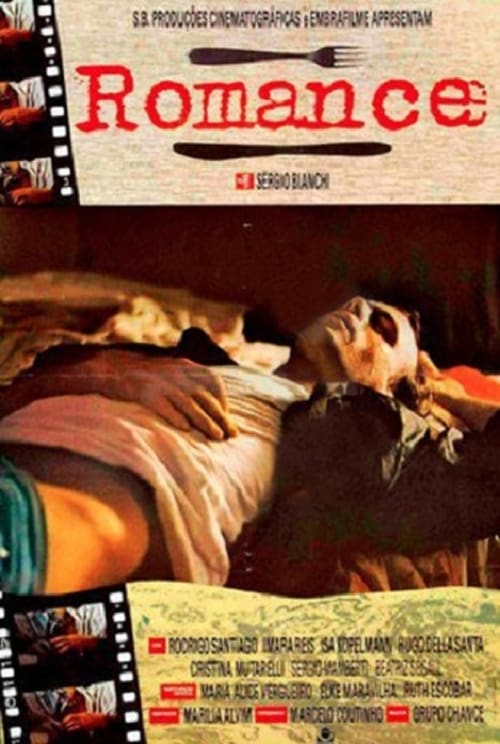
Romance

No description available.
Uma Nega Chamada Tereza

No description available.
Sangue Quente em Tarde Fria

During a flight, passengers confront their aspirations, frustrations, fears, wishes and fears, mixing up reality and fiction.
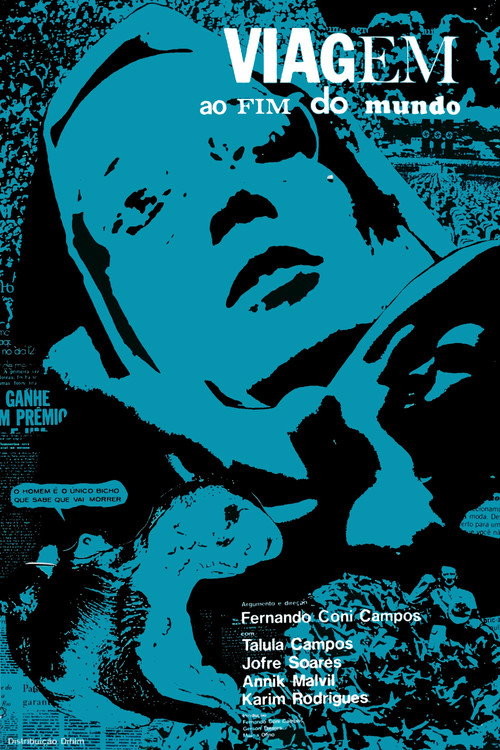
Journey to the End of the World

No description available.
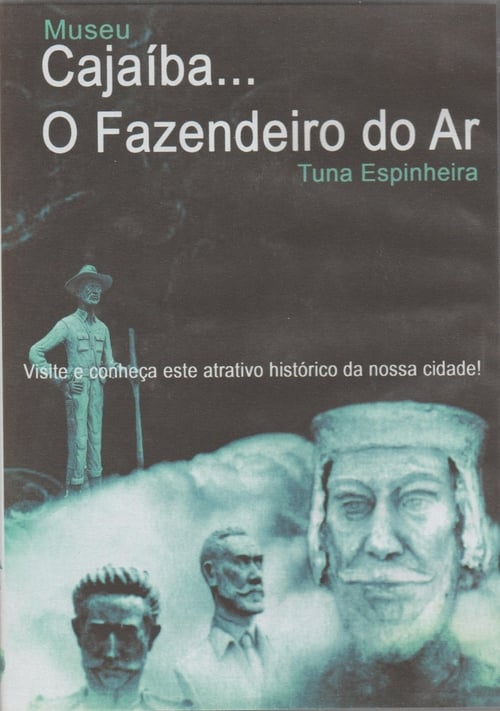
Cajaíba - Lição das Coisas - O Fazendeiro do Ar
The planning of the city, linking its architecture to its topography and the reasons that allow it to have normal and continuous traffic, eliminating the circulation problems of all major cities. Details of the buildings destined for the Government, the residences and the commerce. (Brazilian Cinematheque)