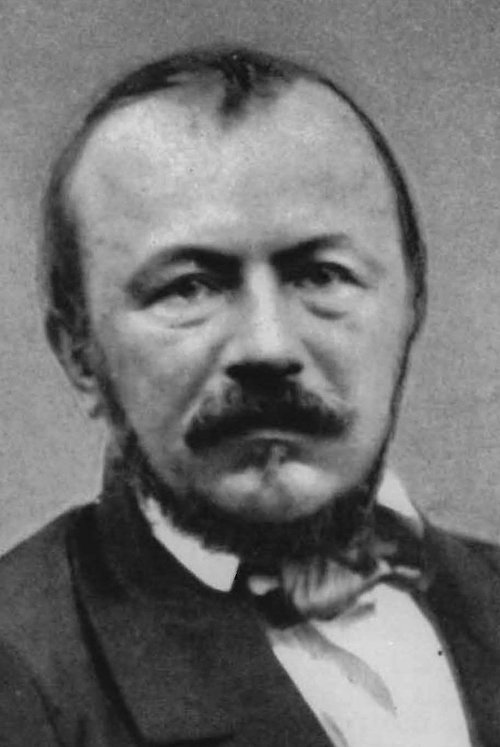
Gérard de Nerval
Writing
Known For
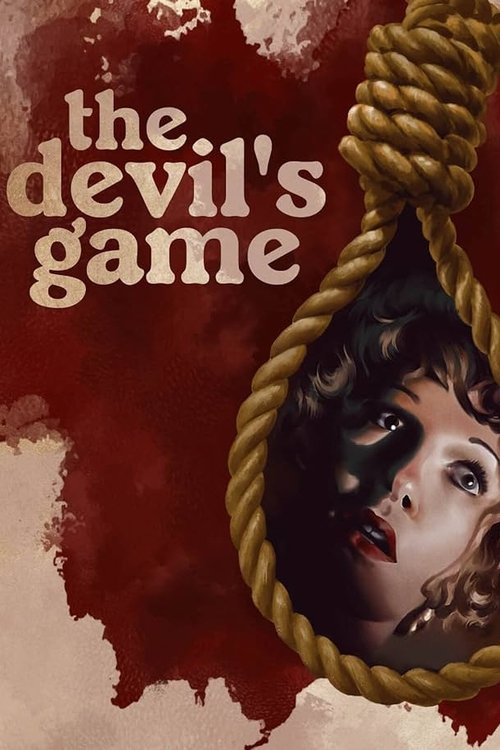
A story about the devil's influence on five people's lives in 20th-century Venice.
The Devil's Game
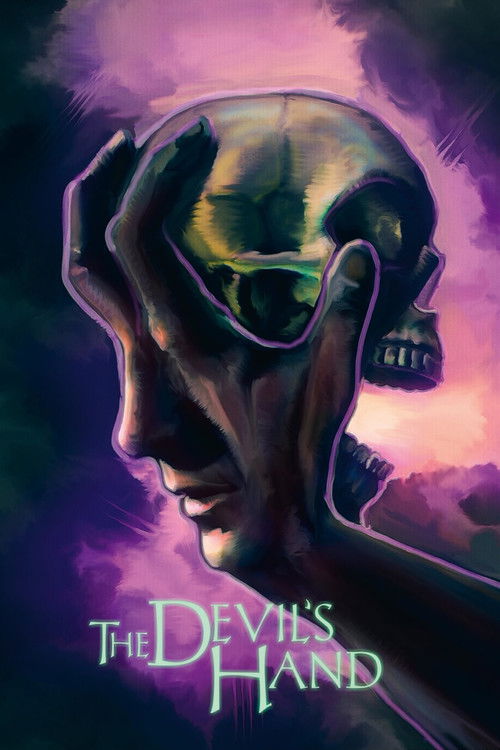
A struggling artist buys a talisman that gives him love, fame and wealth. The talisman is a severed left hand, and it works perfectly, in fact, magically. But of course there is nothing free in this world, and after one year the devil comes and asks for his due.
Carnival of Sinners
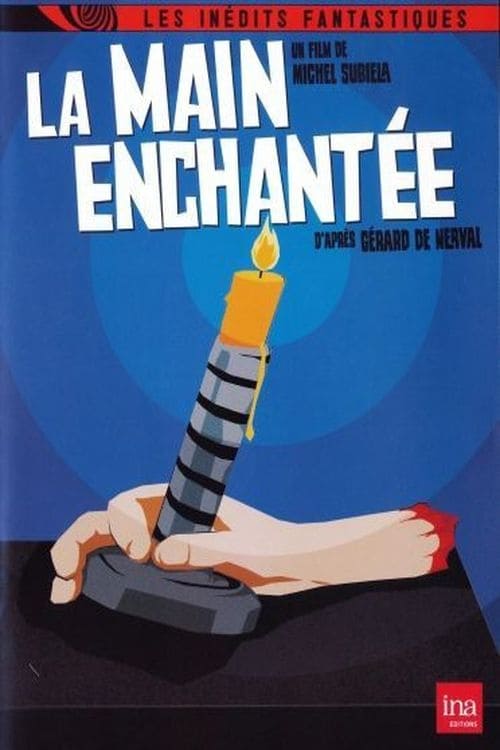
Eustache, a young cloth merchant's clerk preparing to marry Javotte, his boss's daughter, has his fortune told by a strange magician: "You will die greater than you have lived!" he tells him. The prophecy seems wonderful. "But you will die hanged!" he continues. Frightened, Eustache is willing to do anything to escape his fate and agrees to pledge his right hand, renamed the "Hand of Glory," to the magician...
La main enchantée
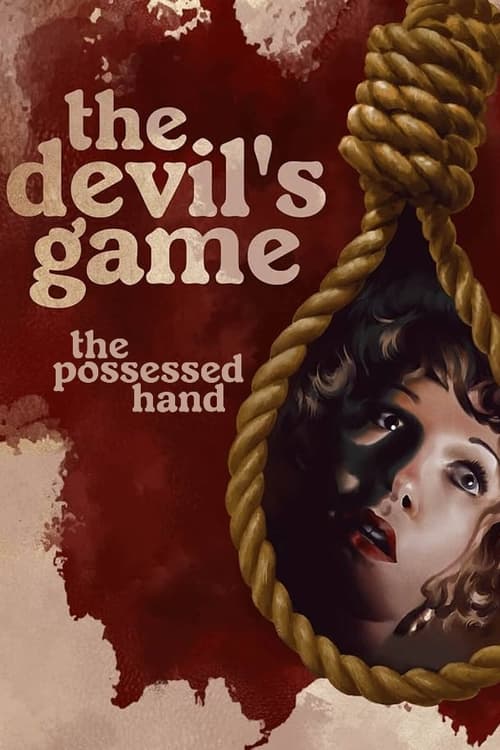
To win a duel, a merchant makes a dangerous pact with an inscrutable spellcaster.
The Possessed Hand
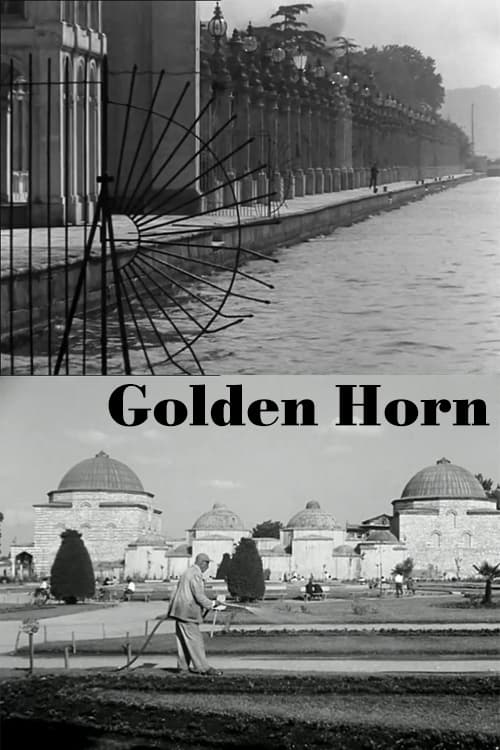
La Corne d'or is mostly concerned with religious ritual, examining the mosque (and former cathedral) discussed in Byzance. As a contrast against Istanbul's status as a center of historical religious conflict, Pialat — drawing here on texts by the French poet Gérard de Nerval — also describes the city as a place of strange ethnic and religious harmony, with representatives of various cultures and religions living in close contact. He emphasizes the city's hybrid culture, its blend of Southern European and Arab influences, reflected in both its people and its very construction.
Golden Horn
Film based on the story by the French writer Gérard de Nerval. A terrifying story that takes us to Paris in the time of the Three Musketeers. The magician Conin enchants evil that afterwards destroys him and a shy love-lorn young man named Eustach.
Revenge
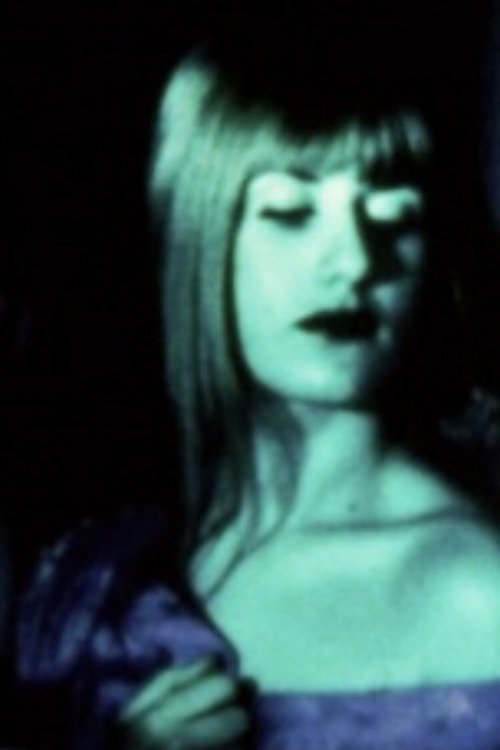
Inspired by the short story Aurélia (1854) by Gérard de Nerval, which will influence André Breton and the Surrealists, the film tells, with a contracted rhythm and visual accelerations / dilations, the daily experience of a woman projecting her into an interior dimension where reality and myth are mixed and fused by a dreamlike syntax. In the "descent into hell" of consciousness, Aurélia ends up by detaching herself from her identity as a woman of today to take on the multiple features prefigured, from time to time, by her imagination. Aurélia's frenetic final dance serves as a ceremony to exorcise evil, the furious rediscovery of the “double” savage buried within each of us, the abrupt awakening of the possessed bacchant, liberated vitalism, myth, explosion of fantastic energies. Aurélia faces a discourse on filmic time: real time is decomposed analyzed accelerated in lightning-fast mental paths from a stream of consciousness.