
Pierre-Augustin Caron de Beaumarchais
Writing
Known For
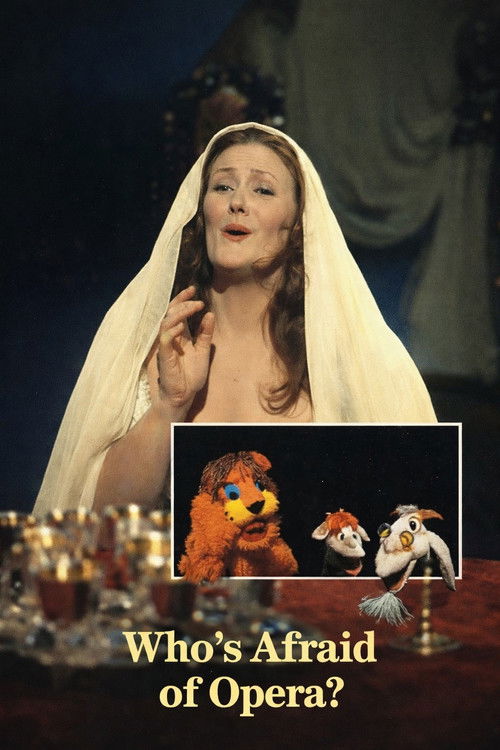
Three zany puppets bring to life our greatest opera treasures, as Joan Sutherland, the world’s most famous soprano, performs their highlights. The puppets make up the audience: Sir William, a wise old goat; Little Billy, his nephew; and Rudi, a rather boisterous lion. Sutherland first introduces them to the story of each opera. Then, backed by the London Symphony Orchestra and a first-rate cast, she moves onto the opera stage, complete with elaborate sets and elegant costumes. After each exquisite aria, the diva comes back to her inquisitive friends and unfolds the plot.
Who's Afraid of Opera?
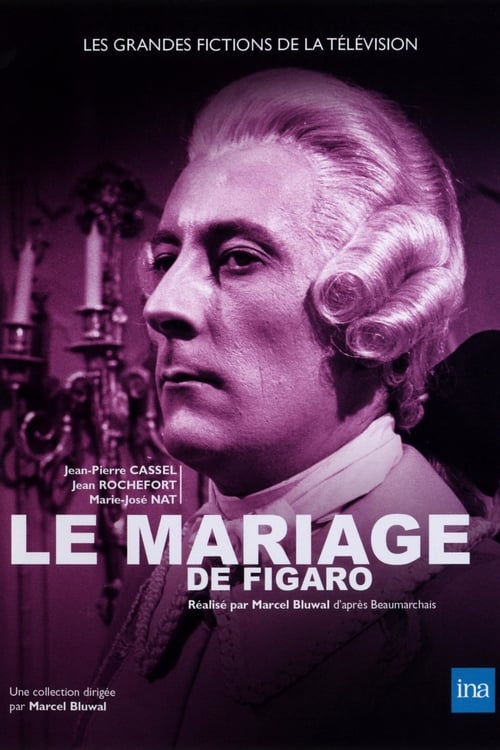
Comedy in five acts by Beaumarchais, filmed by Marcel Bluwal in studio and on location. The cast, in accordance with Marcel Bluwal's wishes, is in keeping with the age and character of the characters, to give it rhythm. At once "a comic baroque play, a bourgeois drama, a chansonnier's number, a social satire, a farce and a very pretty love story" according to Marcel Bluwal, it can also be summed up, according to Beaumarchais, as "the most bantering of intrigues".
The Marriage of Figaro
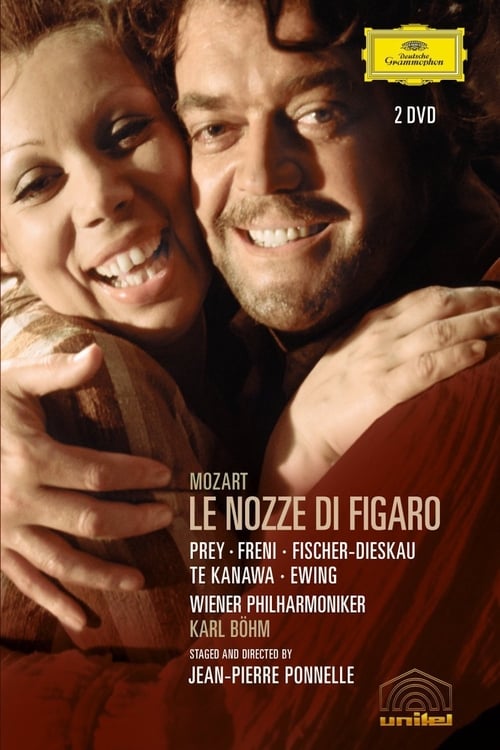
Mozart's Marriage of Figaro is a comedy whose dark undertones explore the blurred boundaries between dying feudalism and emerging Enlightenment. Herman Prey's Figaro is admirably sung in a firm baritone and aptly characterized. So too, is his antagonist, Dietrich Fischer-Dieskau as the Count perpetually frustrated by the scheming wiles of Figaro and Susanna, here the perky Mirella Freni, who sings and acts like a dream. The Countess is creamy-voiced Kiri Te Kanawa, and the Cherubino, Maria Ewing, looks just like the horny, teenaged page she's supposed to be. The all-star leads are complemented by worthy supporting singers, the Vienna Philharmonic at the top of its form, and the experienced Mozartian, Karl Böhm conducting a stylishly fleet performance.
The Marriage of Figaro
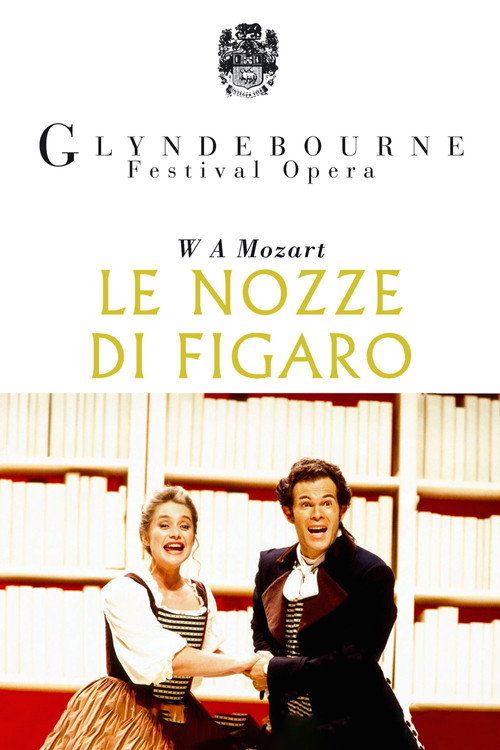
Live from Glyndebourne 1994. The first production to be filmed Live in Glyndebourne´s new opera house May 1994. The Marriage of Figaro is a continuation of the plot of The Barber of Seville several years later, and recounts a single “day of madness” in the palace of the Count Almaviva near Seville, Spain. Rosina is now the Countess; Dr. Bartolo is seeking revenge against Figaro for thwarting his plans to marry Rosina himself; and Count Almaviva has degenerated from the romantic youth of Barber into a scheming, bullying, skirt-chasing baritone. This follows the Count trying to obtain favours from Susanna, Figaro’s bride to be, under the nose of the Countess.
The Marriage of Figaro
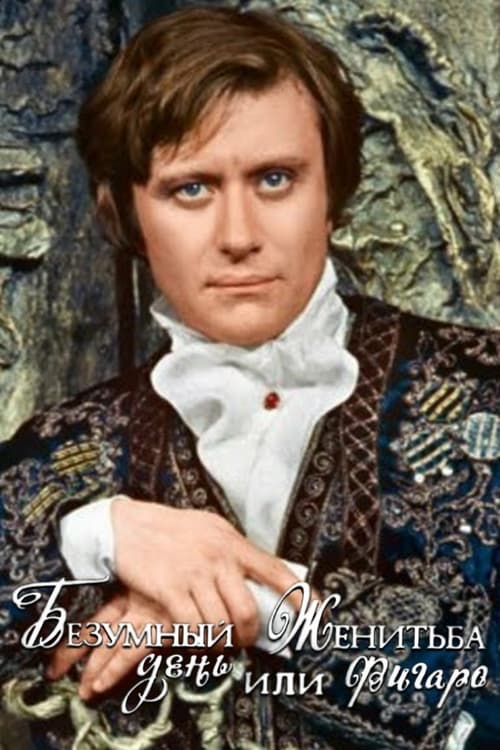
The servant of Count Almaviva, the jolly and joker Figaro, is going to marry the maid of the Countess Rosina - Susanne. But the count wants to upset the wedding and make the girl his lover.
Mad Day or Figaro Wedding
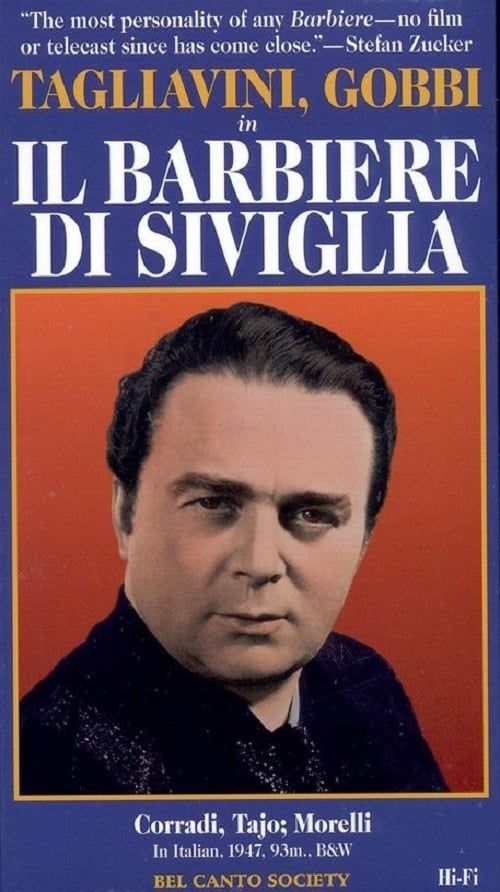
A crafty barber acts as a go-between for a count in disguise and rescues Rosina from marriage with her guardian. An operatic comedy.
The Barber of Seville
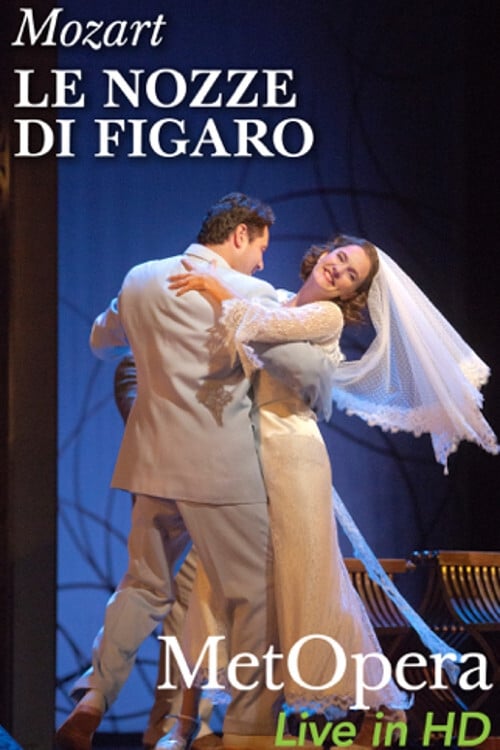
Richard Eyre’s elegant production, which opened the Met’s 2014–15 season, sets the action of Mozart’s timeless social comedy in a manor house in 1930s Seville. Ildar Abdrazakov leads the cast as the resourceful Figaro set on outwitting his master, the philandering Count Almaviva, played by Peter Mattei. Marlis Petersen sings Susanna, the object of the Count’s affection and Figaro’s bride-to-be, Amanda Majeski is the Countess, and Isabel Leonard gives a standout performance as the pageboy Cherubino. Music Director James Levine on the podium brings out all the humor, drama, and humanity of Mozart’s score.
The Metropolitan Opera: The Marriage of Figaro
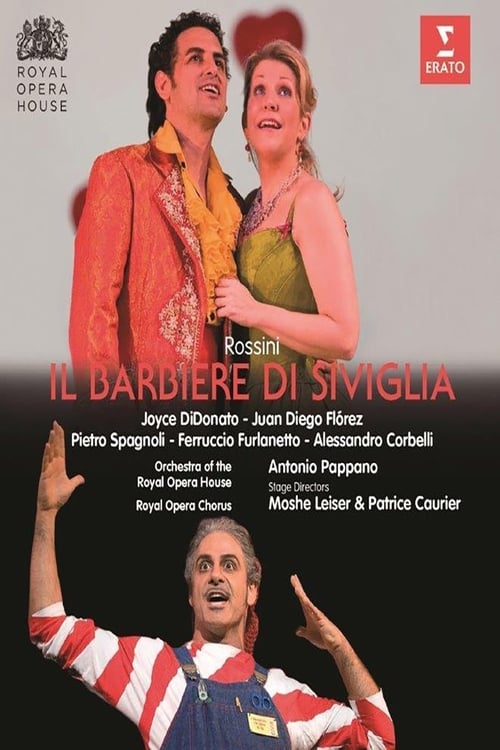
23-year-old Gioachino Rossini completed his masterpiece IL BARBIERE DI SIVIGLIA incredibly quickly – legend has it in just 13 days – which Rossini attributed to ‘facility and lots of instinct’. The opera, characterized by youthful energy and bold wit, has all the ingredients for comic chaos: an imprisoned young woman, her lecherous guardian and a young noble suitor. Skilfully plotting behind the scenes is Figaro, an irrepressible and inventive character in whom many have seen a resemblance to the young Rossini himself. The score fizzes with musical brilliance, from Figaro’s famous entrance aria to the frenzy of the Act I finale. This recording sees Joyce DiDonato (Rosina) bring literal meaning to the old theatrical motto Break a leg! She did just that in an earlier show but was determined to finish her commitment and was re-staged into the production to allow for the additional challenges that come when a leading lady in a lively physical role must wheel around the other performers...
The Barber of Seville
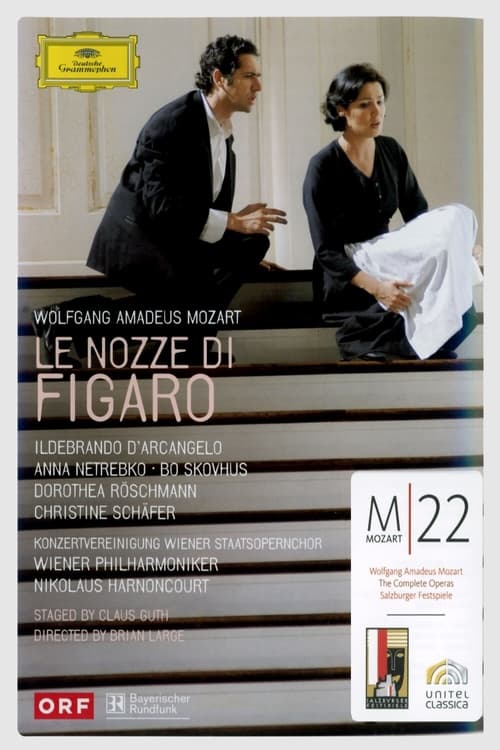
This release contains the celebrated 2006 production of Mozart's Nozze di Figaro that was directed for the stage by Claus Guth at that year's Salzburg Festival. Ildebrando D'Arcangelo takes the title role, and gets support from Anna Netrebko as Sussanna, Bo Skovhus as Il Conte Di Almaviva, and Dorothea Roschmann as La Contessa. Nikolaus Harnoncourt conducts the orchestra.
The Marriage of Figaro
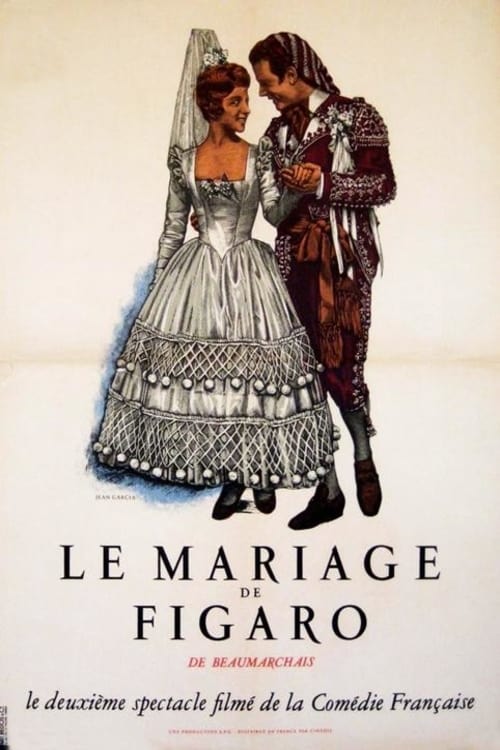
It's the day of Figaro's marriage to Susanna, but first he must help the Countess divert the Count's attention away from Susanna and back to her, while arranging the betrothal of Cherubino and Barbarina.
Marriage of Figaro
Cinematic version of Rossini's opera in which Count Almaviva wins the heart of beautiful Rosina with the help of Figaro, the barber of Seville.
Figaro, il barbiere di Siviglia
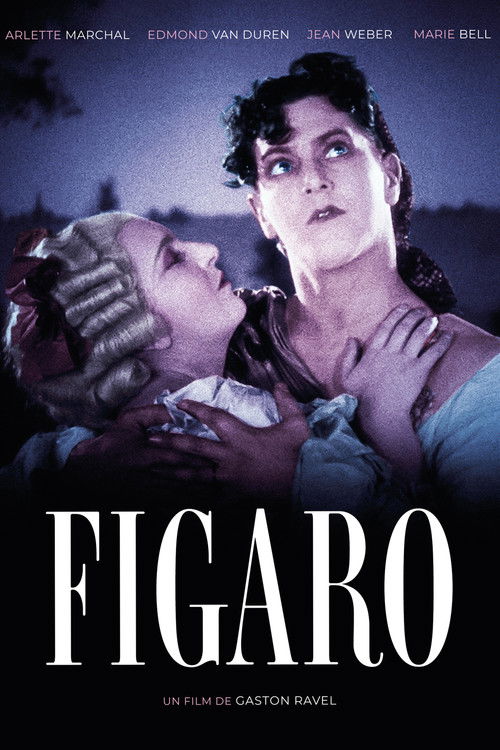
A silent adaptation of the 1778 Beaumarchais play The Marriage of Figaro, with material also used from its two sequels.
Figaro
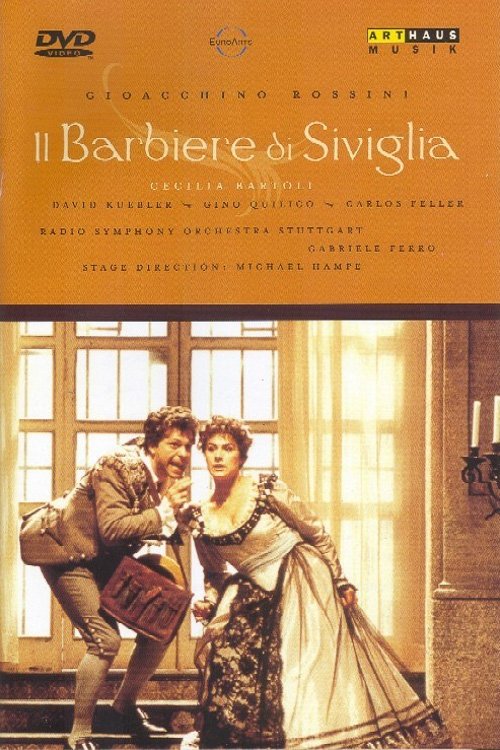
Live performance from Schwetzinger Festspiele, 1988. What sets this IL BARBIERE DI SIVIGLIA apart from all others available is its elegant realism. None of its visuals are the least bit cartoonish or blatantly designed for comedy. Dr. Bartolo’s house is a stark, stern-looking structure of plastered brick with a comfortable yet plain, white-curtained interior, while the costumes are highly realistic 18th century garb in subdued colors. Yet despite its fairly austere appearance the production is delightful, thanks to its performers and staging. The stage business is lively, witty and free of excessive slapstick, and every singer brings his or her character to life, all offering rich, vibrant characterizations that strike a perfect balance between comedy and humanity.
Il Barbiere di Siviglia
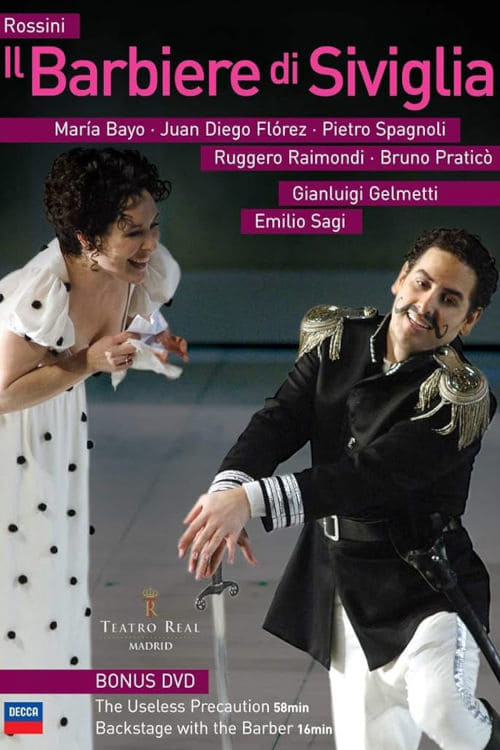
Stage director Emilio Sagi's production of the legendary Barber of Seville is enriched by a bright distribution. Maria Bayo returns to one of her signature role as Rosina, opposite Juan Diego Florez, the Rossini expert tenor. The title role is embodied by the Italian baritone Pietro Spagnoli, while Ruggero Raimondi and Bruno Pratico reconcile the audience with Don Basilio and Don Bartolo.
Il Barbiere di Siviglia
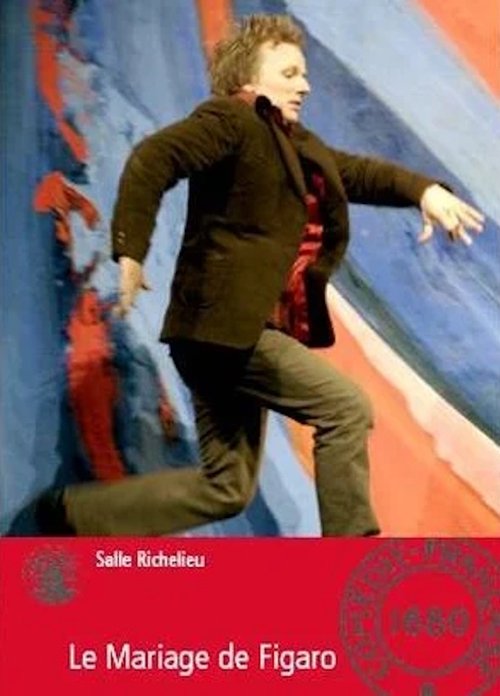
A staging of Beaumarchais's play "The Marriage of Figaro" by Christophe Rauck.
Le Mariage de Figaro

Conductor Joana Mallwitz makes her Met debut leading an extraordinary cast in Mozart’s comic masterpiece. Bass-baritone Michael Sumuel stars as the clever valet Figaro, opposite soprano Olga Kulchynska as his betrothed, the wily maid Susanna. Baritone Joshua Hopkins is the skirt-chasing Count, with soprano Federica Lombardi as his anguished wife and mezzo-soprano Marianne Crebassa as the adolescent page Cherubino. This live cinema transmission is part of the Met’s award-winning Live in HD series, bringing opera to movie theaters across the globe.
The Metropolitan Opera: The Marriage of Figaro
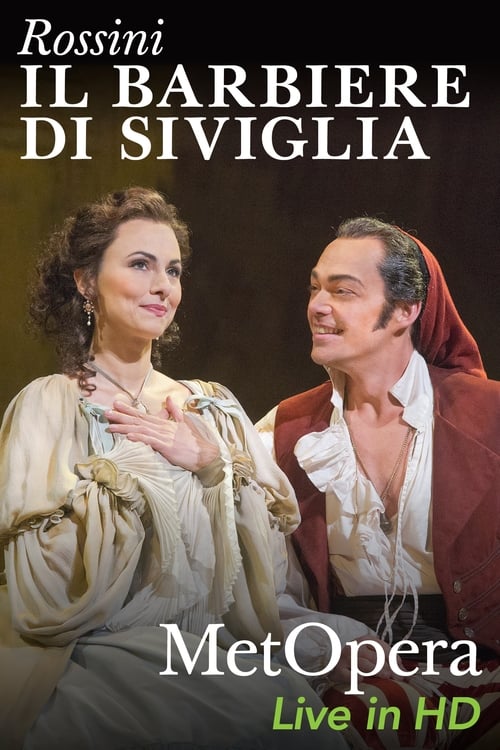
A youthful cast brings Rossini’s immortal comedy to sparkling life, led by Christopher Maltman as Figaro, the resourceful barber and man-about-town of the title. The lovely Isabel Leonard is Rosina, the clever young woman at the center of the story, and Lawrence Brownlee sings Count Almaviva, the man who loves her and—with Figaro’s help—rescues her from the house of her elderly and smitten guardian, Bartolo, played by Maurizio Muraro. Paata Burchuladze is the bumbling music master Basilio, and rising conductor and bel canto specialist Michele Mariotti leads the Met’s musical forces in Bartlett Sher’s lively production.
The Metropolitan Opera: Il Barbiere di Siviglia
With the opera "Le nozze di Figaro" commenced the remarkably successful cooperation between Mozart and his librettist Lorenzo da Ponte. The first night of "Figaro", presumably Mozart's most perfect musical comedy, was held in Vienna on May 1st, 1786. It is based on Beumarchais' "scandalous" comedy "La Folle Journée ou Le Mariage de Figaro" which, after its first staging in the pre-revolutionary Paris of 1784, soon became a huge success throughout Europe. For the opera, the revolutionary content of the intricate comedy of love and conspiracy against the background of noble capriciousness was actually toned down but not completely abandoned. The extensive ensemble scenes, the treatment of the orchestra and the delicately nuanced musical profiles of the characters hit the target and, looking back, proved to be pioneering for following generations of musicians.
Salzburg Marionette Theatre: The Marriage of Figaro
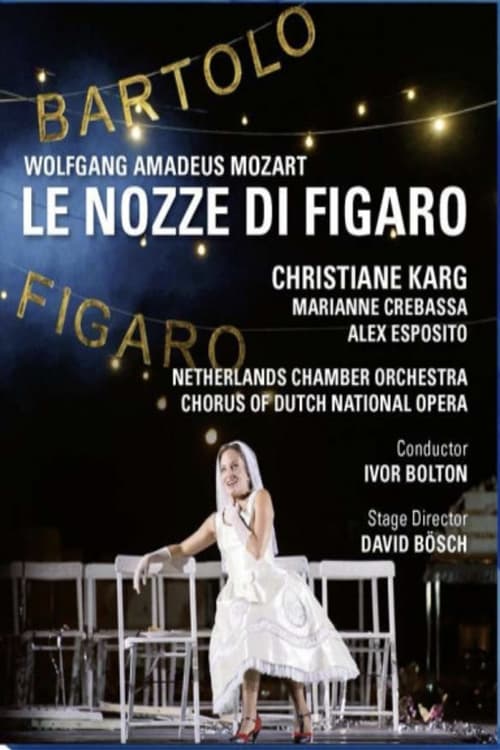
The Marriage of Figaro is a continuation of the plot of The Barber of Seville several years later, and recounts a single "day of madness" in the palace of the Count Almaviva near Seville, Spain. Rosina is now the Countess; Dr. Bartolo is seeking revenge against Figaro for thwarting his plans to marry Rosina himself; and Count Almaviva has degenerated from the romantic youth of Barber into a scheming, bullying, skirt-chasing baritone. This follows the Count trying to obtain favours from Susanna, Figaro's bride to be, under the nose of the Countess.
Mozart: Le nozze di Figaro
No description available.