Rithy Panh
Directing
Biography
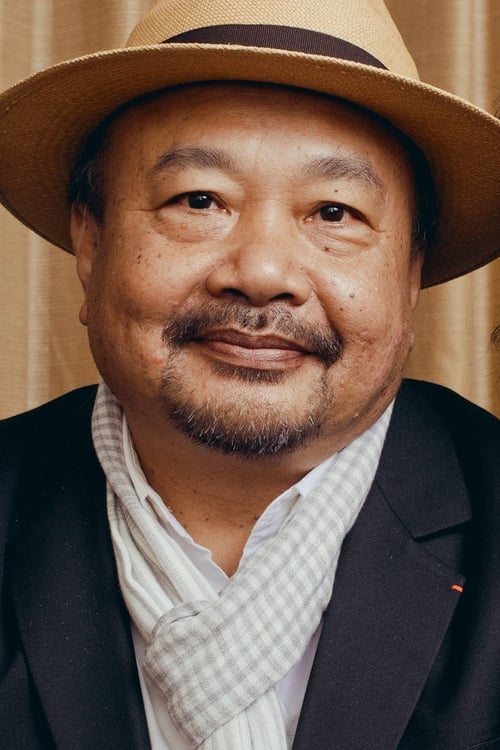
Rithy Panh (Khmer: ប៉ាន់ រិទ្ធី) is a French-Cambodian director, film producer, screenwriter, editor, actor and writer. During the years 1975 and following in Cambodia under the Khmer Rouge regime, he lost his parents and part of his family, and young Rithy witnessed the worst atrocities. He survived in 1979 where he managed to reach the Mairut camp in Thailand then arrived in France in 1980. Rithy Panh is the author of numerous works which all have as a backdrop a Cambodia which is having difficulty dressing its pieces of theater and Where Rithy demonstrates his talent for immortalizing slices of life in which the protagonists give the impression of engaging while forgetting the camera. His work is imbued with the work of memory and the pain of survivors of the Pol Pot regime. He tries to rediscover Cambodian culture through cinema.
Known For

No description available.
Kulturplatz

A 5-year-old girl embarks on a harrowing quest for survival amid the sudden rise and terrifying reign of the Khmer Rouge in Cambodia.
First They Killed My Father

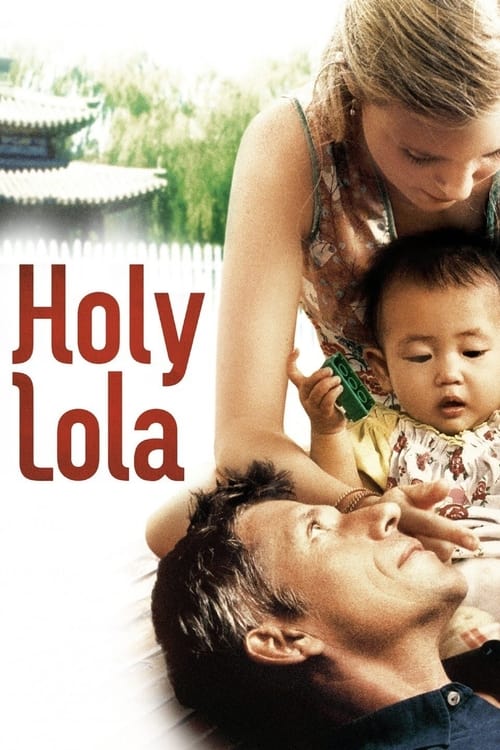
The story of a young couple, Pierre and Geraldine, and their desire for a child, which leads them on a journey of initiation to Cambodia. On their difficult and transformative adventure, they must contend with obstructive authorities and the jealousies and mistrust of a small community of would-be adoptive parents.
Holy Lola

Over 30 filmmakers and friends of Strand Releasing have come together to honor the company’s indelible contribution to independent cinema over the past thirty years. The participating filmmakers have each created a short film for the project, all shot on iPhones.
30/30 Vision: Three Decades of Strand Releasing

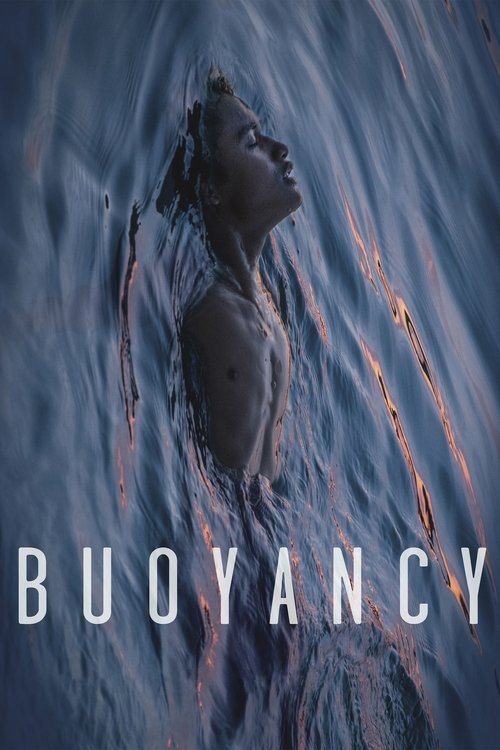
An innocent Cambodian boy is sold to a Thai broker and enslaved on a fishing trawler. As fellow slaves are tortured and murdered around him, he starts to wonder if his only hope of freedom is to become as violent as his captors.
Buoyancy

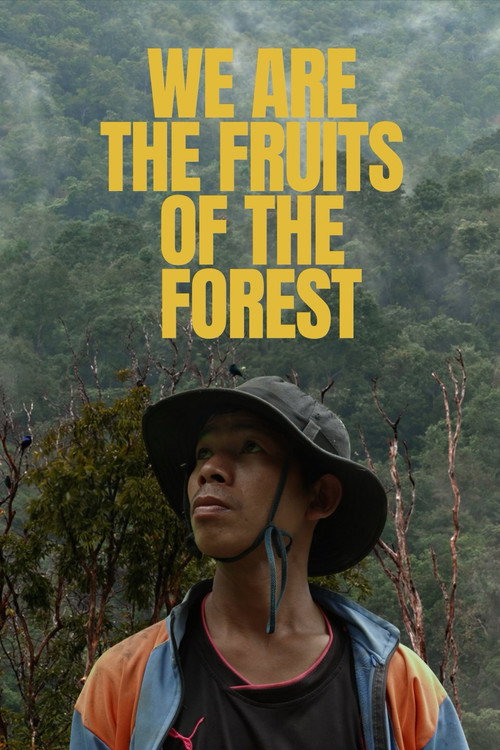
The Indigenous Bunong practice agriculture by hand and end up in conflict with Cambodia's lucrative trade in CO2 certificates, losing the forest of whose ownership they have no conception. Now and then, split screen. A visual firework display.
We Are the Fruits of the Forest

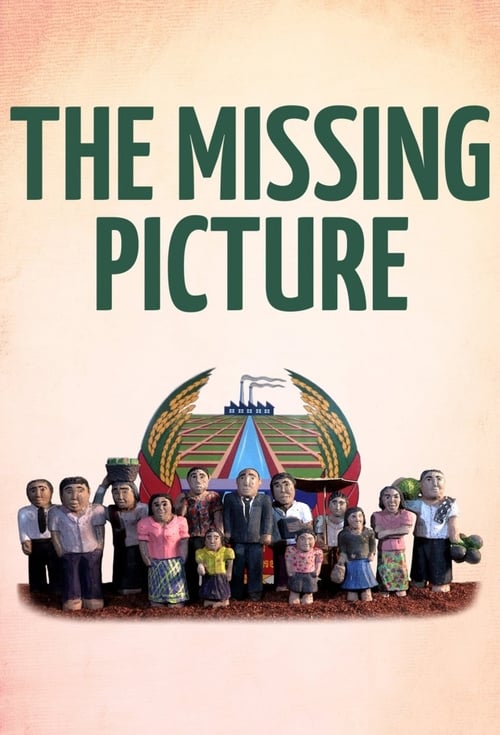
Rithy Panh uses clay figures, archival footage, and his narration to recreate the atrocities Cambodia's Khmer Rouge committed between 1975 and 1979.
The Missing Picture

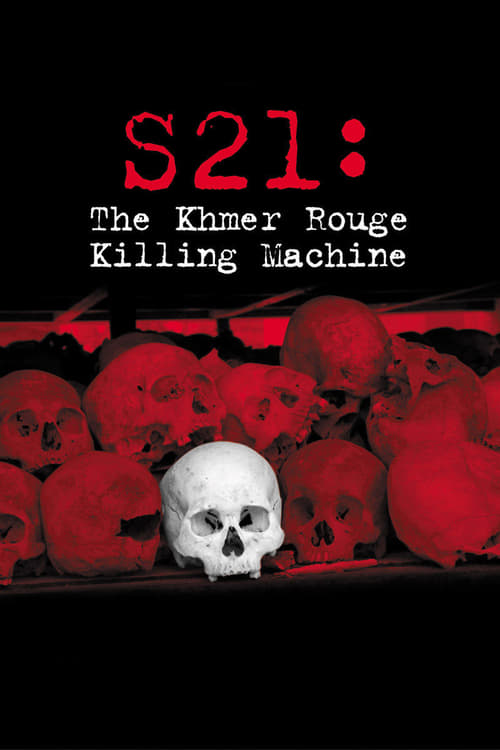
Documentary of the S-21 genocide prison in Phnom Penh with interviews of prisoners and guards. On the search for reasons why this could have happened.
S21: The Khmer Rouge Killing Machine

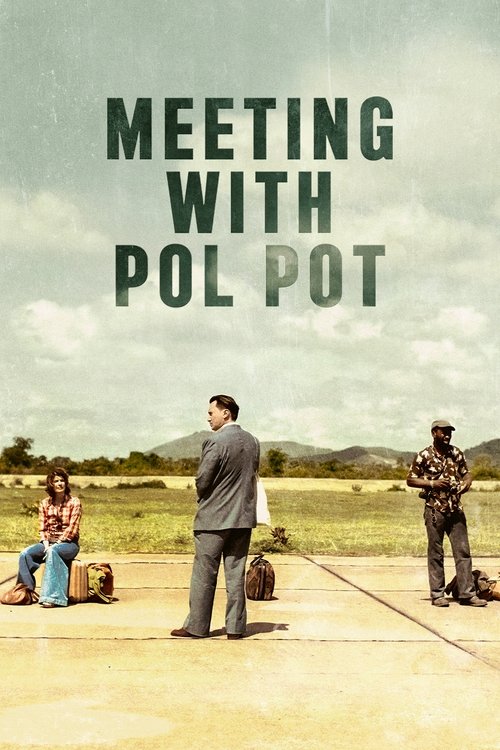
Democratic Kampuchea (Cambodia) - 1978. Three French journalists are invited by the Khmer Rouge to conduct an exclusive interview of the regime's leader, Pol Pot. The country seems ideal. But behind the Potemkin village, the Khmer Rouge regime is declining and the war with Vietnam threatens to invade the country. The regime is looking for culprits, secretly carrying out a large scale genocide. Under the eyes of the journalists, the beautiful picture cracks, revealing the horror. Their journey progressively turns into a nightmare.
Meeting with Pol Pot

A film about people who have survived the irradiation of war and recommended to those who believe they are immune to it.
Irradiated

"Life in 24 Frames a Second" is a film about hardship, misfortune, perseverance and triumph. The personal stories of John Woo (The Killer), Anurag Kashyap (Sacred Games), Rithy Panh (The Missing Picture) and Lav Diaz (The Woman Who Left), who survived extreme poverty, disease, sexual abuse, genocide and civil war to go on to become maestros of world cinema. 'Survivors' united by their abiding love of the movies.
Life in 24 Frames a Second

During the last half-century, Cambodia has witnessed genocide, decades of war and the collapse of social order. Now, documentary filmmaker Rithy Panh looks at an irreparable tragedy that is less visible, yet no less pervasive: the spiritual death that results when young women are forced into prostitution. Angry and impassioned, PAPER CANNOT WRAP UP EMBERS presents the searing stories of poor Asian women whose lives were violated and their destinies destroyed when their bodies were turned into items of sexual commerce.
Paper Cannot Wrap Up Embers

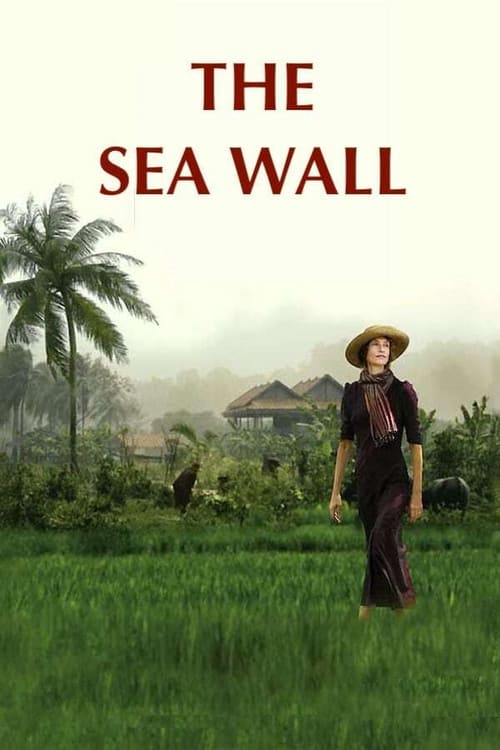
The film centers on a young French widow and her two adolescent children as they attempt to carve out a meager life for themselves by farming rice fields alongside the ocean in French Indo-China in the 1930s. Their efforts are hampered each year by the presence of the sea, which invariably floods the fields with saltwater and wipes out the crops. In desperation, the mother realizes that their only hope lies in the construction of a sea wall to prevent continued flooding, but the mother must cut a swath through the local bureaucracy in an almost Sisyphean attempt to make this happen. Meanwhile, her obstinate daughter, Suzanne, draws the romantic obsessions of a well-to-do Chinese gentleman, Monsieur Jo. Though he could easily provide a way out, the possibility of a romantic relationship between Jo and Suzanne could just as easily fall prey to local racial prejudices that would damage or ruin the lives of both.
The Sea Wall

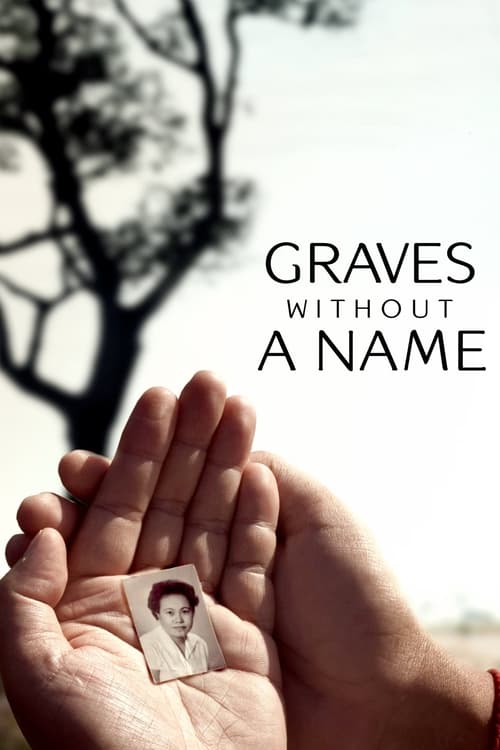
After The Missing Picture (Un Certain Regard winner 2013 and Oscar nominee for the Best Foreign Language Film in 2013) and Exile, Rithy Panh continues his personal and spiritual exploration. S21 the Khmer Rouge Killing Machine and Duch, Master of the Forges of Hell analyzed the mechanisms of the crime. Graves Without a Name searches for a path to peace. When a thirteen-year-old child, who lost the greater part of his family under the Khmer rouge, embarks on a search for their graves, whether clay or on spiritual ground, what does he find there? And above all, what is he looking for? Spectral trees? Villages defaced beyond recognition? Witnesses who are reluctant to speak? The ethereal touch of a brother or sister’s body as the night approaches? A cinematic movie that reaches well beyond the story of a country for that which is universal.
Graves Without a Name

A blend of fact and fiction, based on the actual lives of the actors, the film depicts a troupe of actors and dancers struggling to practice their art in the burned-out shell of Cambodia's former national theater, the Preah Suramarit National Theater in Phnom Penh.
The Burnt Theatre

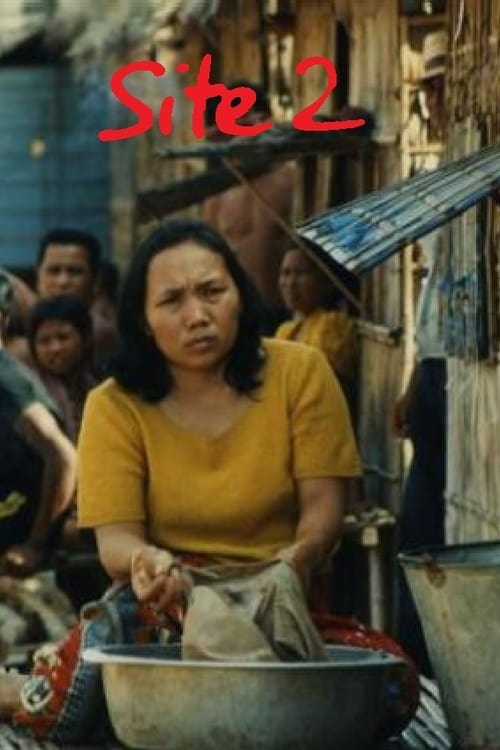
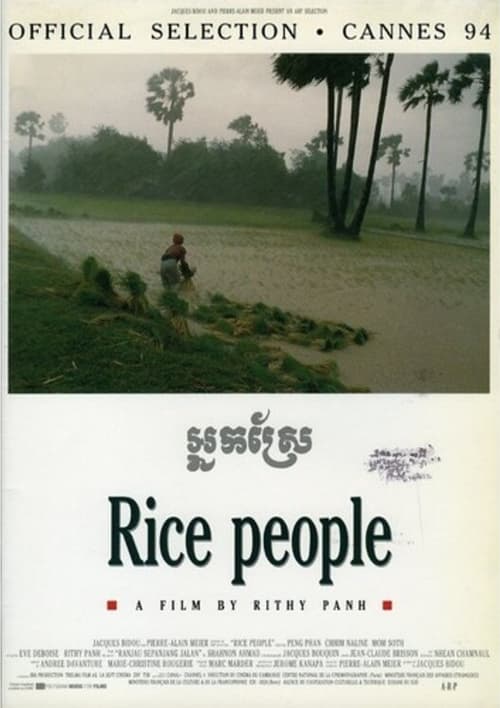
A poor, rural Cambodian family slowly disintegrates during the cycle of a single rice crop.
Rice People

In Ratanakiri, a province in the northeast of Cambodia, Khlek, an 11-year-old boy, lives on the rubber plantation where his parents work. Coming from the Kreung ethnic minority, they are tappers.
The Rubber Tappers

Under the Khmer Rouge regime, Kaing Guek Eav, known as Duch, directed the M13 prison for four years, before becoming the head of S21, the terrifying death machine that eliminated Khmer Rouge opponents. Some 12,280 Cambodians met their deaths here. In July 2010, Duch was the first Khmer leader to appear before an international court, which sentenced him to 35 years in prison. He appealed the sentence. While Duch waited for his new trial, Rithy Panh questioned him in depth.
Duch, Master of the Forges of Hell
In 1999 a fibre-glas wire was installed from Thailand to Vietnam straight trough Cambodia. Rithy Panh shows us the work done in Cambodia to connect Khmer-society to "modern world". Farmers, soldiers and children work for a living there and unearthen skulls and bones -their remains from PolPot-regime you can see. The fear in their mind is portrayed by Rithy Panh in this documentary. As the other work done by Rithy Panh this deals with his people. I like it very much! The movie was awarded 1999 at "Visions du Réel" in Nyon (Switzerland) and at "Cinéma du Réel" in Paris.
The Land of the Wandering Souls
Set in the newly-pacified Phnom Penh, this film is about the return to civilian life of Cambodian soldiers.