FEEL IT.STREAM
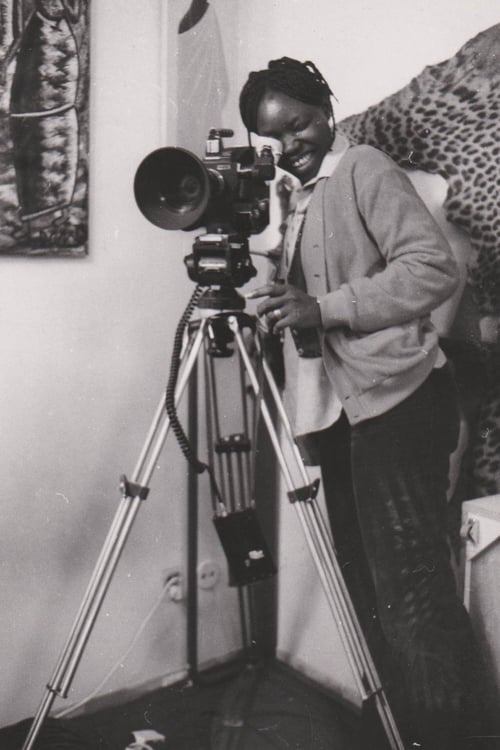
Safi Faye

Safi Faye

Directing

Biography

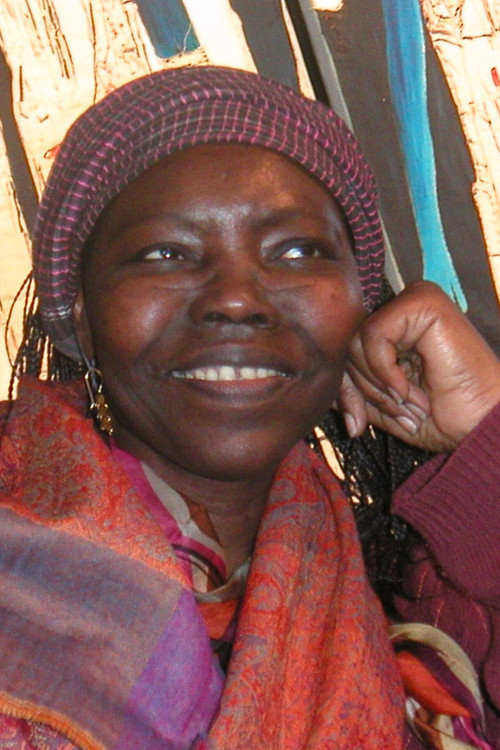
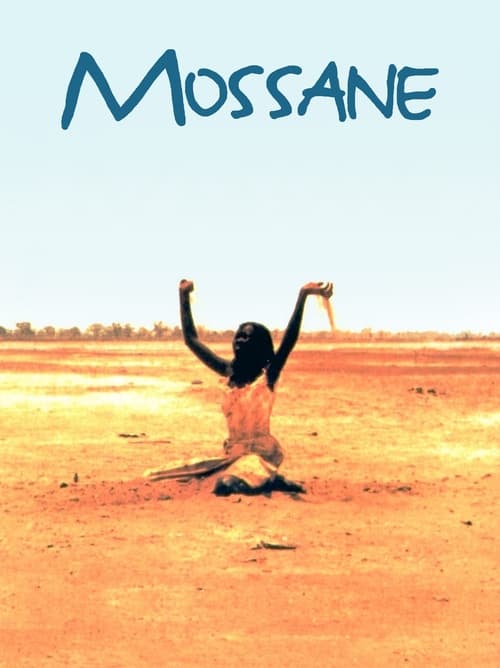
Safi Faye was a Senegalese film director and ethnologist. Faye directed many feature films, and today is recognized as one of Sub-Saharan Africa’s most prominent directors. Her 1996 film Mossane received the Un certain regard award at Cannes.
Known For

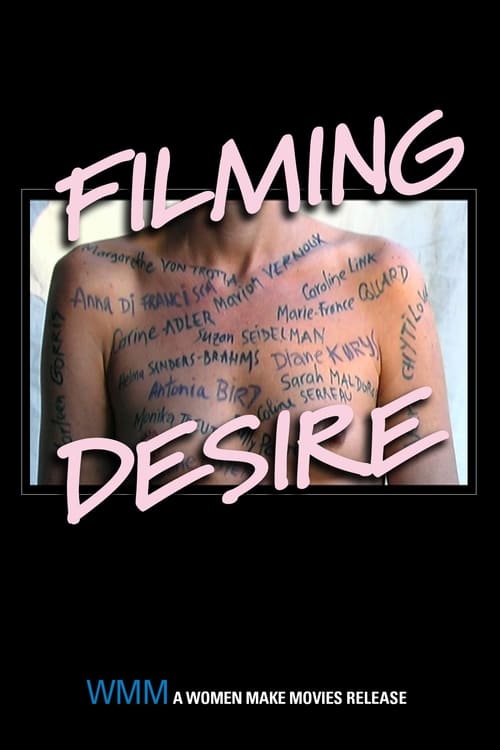
Filming Desire: A Journey Through Women’s Cinema
10.0

The film consists largely of a series of interviews with female filmmakers from several different countries and filmmaking eras. Some, such as Agnès Varda and Catherine Breillat (both from France), have been making films for decades in a conscious effort to provide an alternative to the male filmmaking model; others, such as Moufida Tlatli (Tunisia) and Carine Adler (England), are relative newcomers to directing, and their approaches seem more personal and less political. The film as a whole manages to cover some important topics in the feminist debate about film -- how does one construct a female gaze, how can one film nude bodies without objectifying the actors (of either sex), what constitutes a strong female role -- while also making it clear that “women’s film” comprises as many different approaches to filmmaking as there are female filmmakers.

Filming Desire: A Journey Through Women’s Cinema

2000
Mossane
6.8

A beautiful 14-year-old girl has just reached marriageable age in a village in Senegal. She has many suitors; however, she is in love a poor student who has returned to the village while the university is on strike. At birth, she had been promised in marriage to Diogoye, who went away to work in France. Diogoye, who supplied her parents with many things over the years, has now sent a dowry, and asked that she be married to him in the village in his absence; she would then be sent to France.

Mossane

1996
No image
N/A

No description available.

Ouaga

1988
Letter from My Village
7.5

Ngor is a young man living in a Senegalese village who wishes to marry Coumba. Ongoing drought in the village has affected its crop of groundnuts and as a result, Ngor cannot afford the bride price for Coumba. He goes to Senegal's capital city, Dakar, to try to earn more money and is exploited there. He returns to the villagers and shares his experiences of the city with the other men. The story, which shows the daily lives of the villagers, is told in the form of a letter to a friend from a villager, voiced by Faye.

Letter from My Village

1976
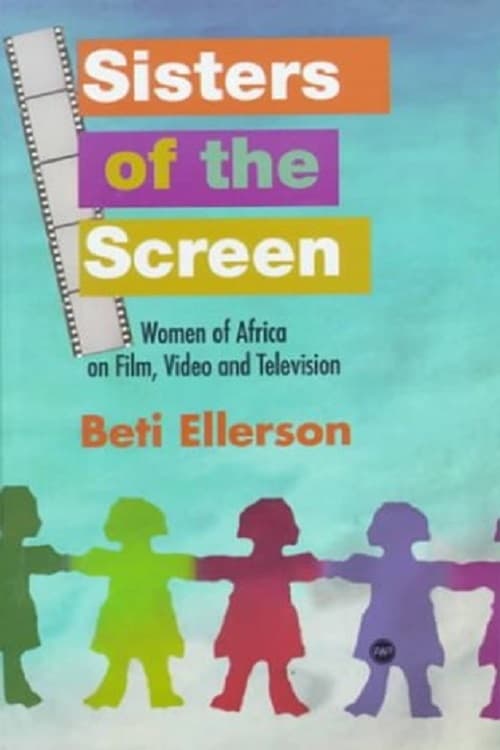
Sisters of the Screen - African Women in the Cinema
N/A

Exploring the extraordinary contributions of women filmmakers from Africa and the diaspora, Beti Ellerson’s engaging debut intersperses interviews with such acclaimed women directors as Safi Faye, Sarah Maldoror, Anne Mungai, Fanta Régina Nacro and Ngozi Onwurah with footage from their seminal work. With power and nuance, Ellerson also confronts the thorny question of cultural authenticity by revisiting the legendary 1991 FESPACO (Pan-African Festival of Cinema and Television of Ouagadougou), in which diasporian women were asked to leave a meeting intended for African woman only. This film is both a valuable anthology and a fitting homage to the pioneers and new talents of African cinema.

Sisters of the Screen - African Women in the Cinema

2002
Selbe: One Among Many
N/A

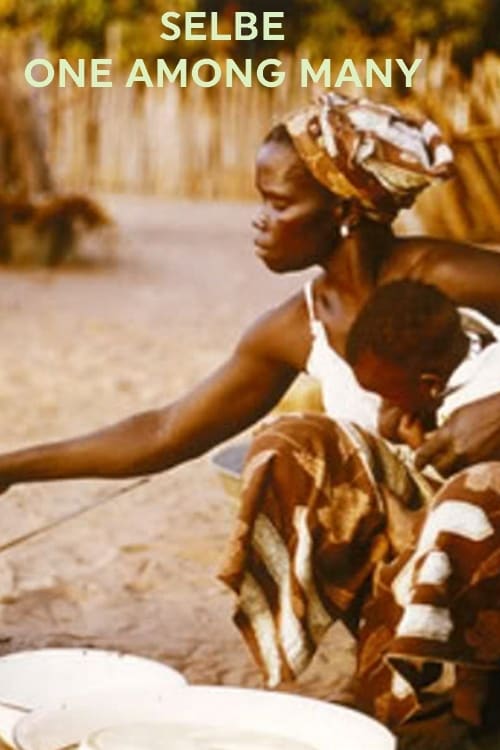
This revealing documentary offers a rare view of daily life in West Africa. Shot in Senegal, Selbe focuses on the social role and economic responsibility of women in African society. Because men often leave their communities to earn money in the city, women are left with sole responsibility for their families. Through the character of Selbe we observe how one woman's personal struggle reflects the broader issues faced by many women in developing countries.

Selbe: One Among Many

1983
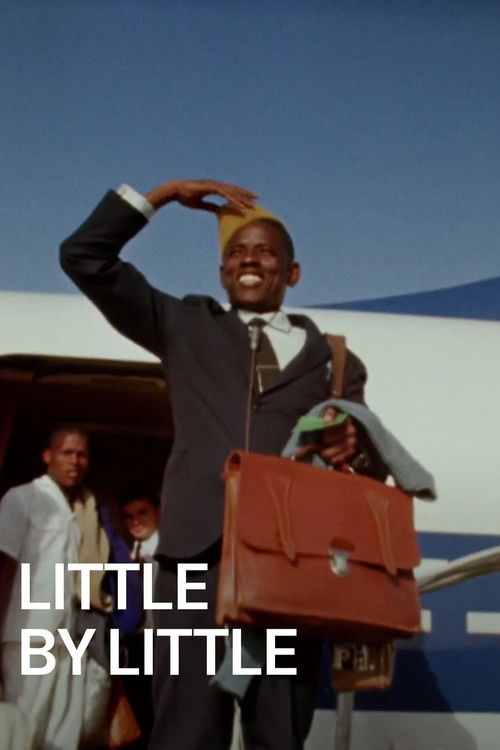
Little by Little
7.1

An African travels to Paris to learn about the construction of tall buildings, but is soon taken up with the oddities of French life.

Little by Little

1970
As Kineastas
N/A

Based on interviews with 15 women, including directors, producers and film actresses, a journey around the world is made, seeing the wars waged by each one against economic and political repression, bombs, police dogs, censors, etc. Images from England, New York, Brazil, South Africa.

As Kineastas

1986
No image
N/A

No description available.

Elsie Haas, Femme Peintre, Cinéaste d'Haïti

Come and Work
5.9

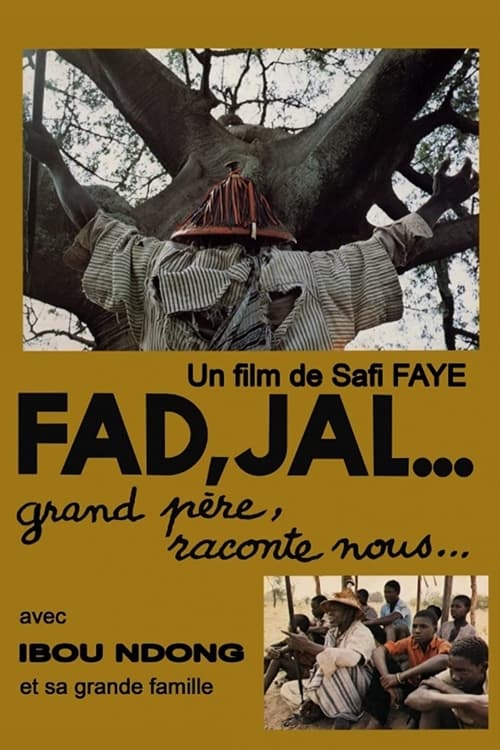
The story of a Serer village in the groundnut basin of Senegal. Using the words of their ancestors passed on by oral folklore, the villagers trace the history of their village and their difficulties in working their land and living off their produce. Fad'jal is an extraordinary boundary defying film that interweaves ethnographic footage, intimate observation of everyday village life and fictionalised historical scenes. With it, Faye carefully encourages the viewers to reflect both on African history and storytelling, and on the intersection of fiction and documentary.

Come and Work

1979
I, Your Mother
N/A

“Sooner or later, I’ll return to where my other self is.” The everyday experiences of a Senegalese student in West Berlin are marked by a sense of uneasiness in Europe and his family’s expectations in the form of a constant stream of letters.

I, Your Mother

2023
No image
N/A

No description available.

Leçon de cinéma avec Safi Faye

2009
Tesito
N/A

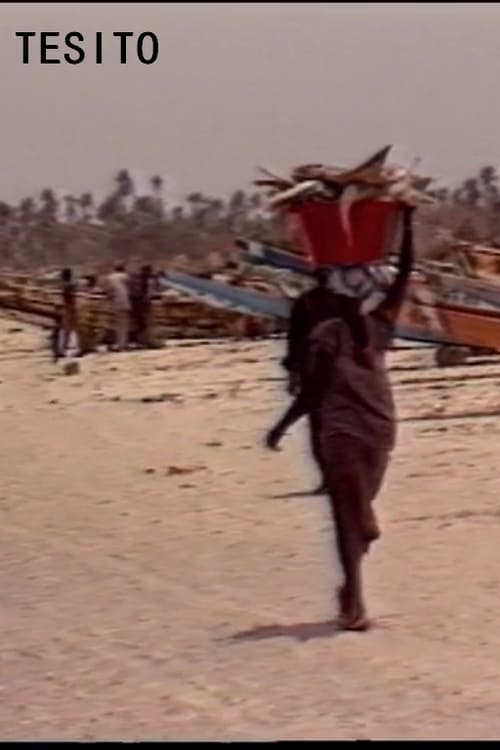
In 1989, this film was part of the PAMEZ project in Senegal which was part of the sea program of the CCFD, Catholic Committee against Hunger and for Development. It presents the economic and social role of women in the Casamance region for the development of fishing. These women who process and market fish, who are responsible for management, have a voice and express their opinion.

Tesito

1989
No image
N/A

No description available.

Ambassades Nourricières

1984
Souls in the Sun
N/A

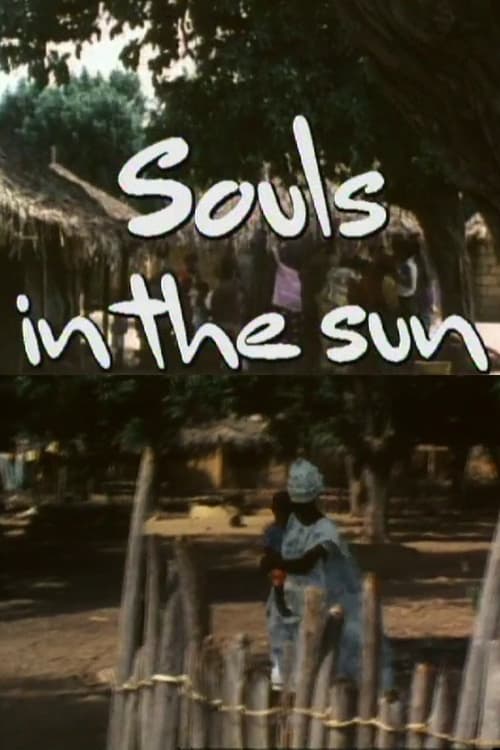
Souls in the Sun takes an honest look at some victims of the world's neglect - a few individuals among the teeming masses of poor people.

Souls in the Sun

1981
No image
7.0

As a young African woman arrives in Paris and walks past two men, one French and one African, the men admire her beauty and fantasize. The European man dreams of taking the woman out for dinner in a restaurant while the African man imagines the woman preparing him a meal at home. Through their dreams, both men reflect the ways in which their differing cultural backgrounds impact their interactions with women. Inspired by the poem 'À une passante' by Charles Baudelaire

La passante

1972