Fernando Larruquert
Directing
Known For

In 1963, the businessman Juan Huarte Beaumont, art patron, collector and founder of X Films, a film production company based in Madrid, invited the Basque artists Nestor Basterretxea and Jorge Oteiza to make a promotional short about his companies. Certain conditions were attached to the commission: the artists were each to present finished scripts without any contact with each other about them. Huarte chose Basterretxea's script, and Basterretxea directed the film, which was given the title 'Operación H' in postproduction.
Operación H
In this short documentary film about Basque pelota, in addition to showing the different modalities (basket ball, handball, paddle, ratchet...), well-known pelota players of the time take part.
Pelotari
An ethnographic documentary which looks at the relationship between music and work in predominantly rural cultures. It depicts the lives of fisherman, shepherds and farmers and their relationship with music. The film also describes Basque ancestral instruments, with special emphasis on the origin and history of ‘bertsolarism’ (Basque verse singing) as a form of oral communication.
Euskal herri-musika
No description available.
Las encantadas
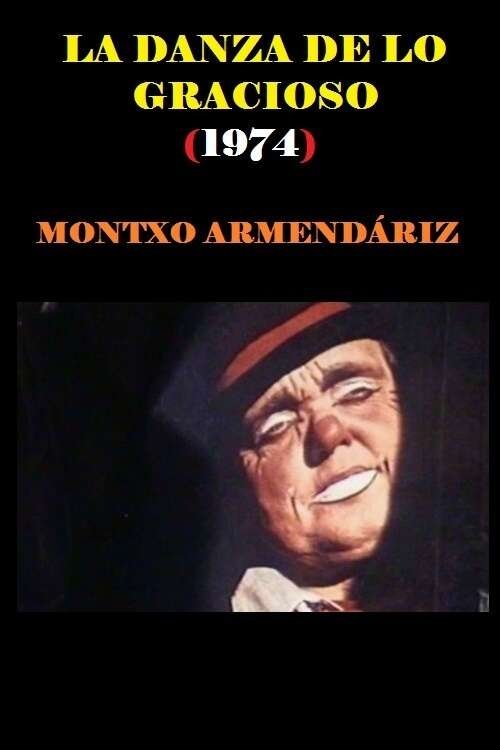
Monologue of a clown in front of a camera. Constant interruptions, which at first he accepts coily, prevent him from finishing his tale. The director interrupts him to insert some images representing a cliched reflection on the passage of time; the cameraman leaves him out of the shot to include bucolic Basque landscapes, and the producer interrupts him a third time.
La danza de lo gracioso: Barregarearen dantza
During the awards ceremony of school paintings, a girl remembers how she ended up painting the picture she presented to the contest. Several people from her environment influenced, with their opinions and advice, the final result.
Ikusmena

A documentary exercise on the lives of the last basque representatives of this ancestral trade: charcoal burners.
Nafarrako ikazkinak
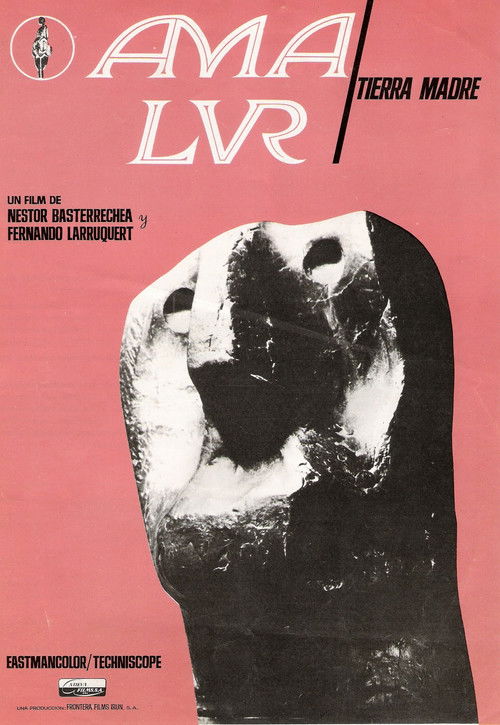
'Ama Lur' is a documentary, directed by Nestor Basterretxea and Fernando Larruquert, that premiered in San Sebastián in 1968, and it is considered the foundation of Basque cinema.
Mother Earth
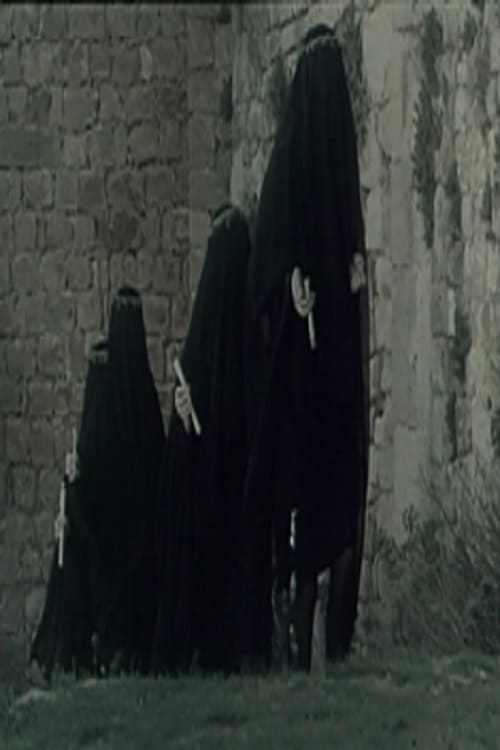
In the foothills of the Pyrenees in the province of Huesca lies the medieval village of Alquézar. The film takes a journey through this religious site using images of the Colegiata de Santa María church, the paintings it houses and the capitals in its cloisters. It also draws on images of narrow and steep empty streets, the Semana Santa procession and sculptures of Christ on the cross.
Alquézar, retablo de pasión
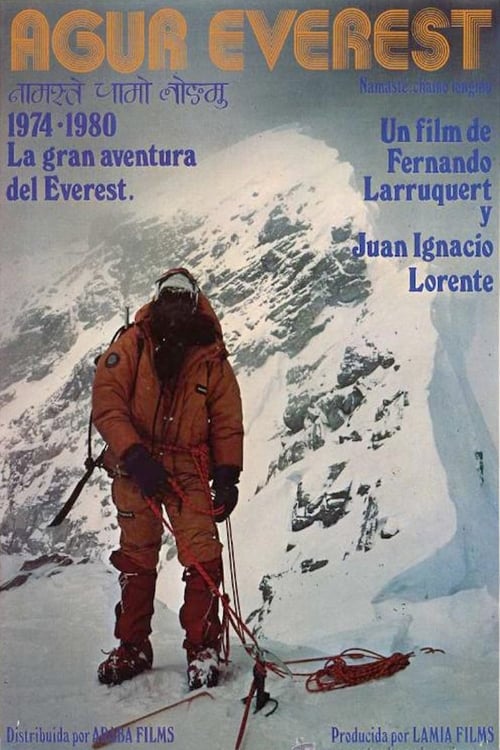
In 1974, a Basque expedition had to withdraw 300 meters from the summit of Everest due to the monsoon. In 1980, another expedition reached the summit to the 'summit of the world.' This film includes images from both expeditions. The first was shot in 35mm by Fernando Larrukert and Angel Lerma, and the second in Super 16mm by Lorente, Martin Zabaleta and other members of the expedition.
Agur Everest
An experimental film set during the transition period after the death of Franco that explores Basque identity and state oppression of the Basque population.