Jan Otčenášek
Writing
Known For
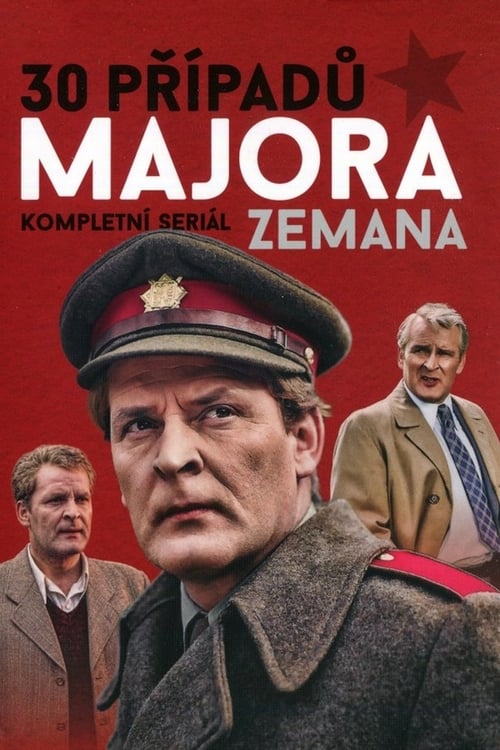
Thirty Cases of Major Zeman is a Czechoslovak action-drama television show intended as a political propaganda to support the official attitude of the communist party. The series were filmed in the 1970s. Each episode encompasses one year, and investigations are stylized to that year. Most are inspired by real cases. The series follows the life of police investigator Jan Zeman during his career from 1945 to 1975.
Thirty Cases of Major Zema
No description available.
Dnes v jednom domě
No description available.
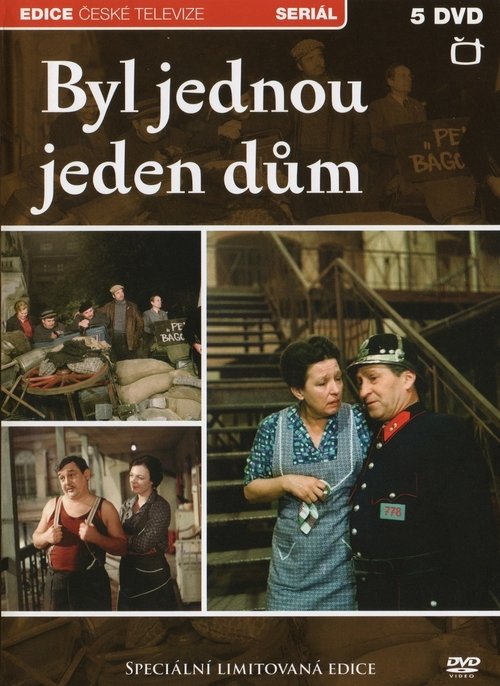
Byl jednou jeden dům
People in Czechoslovakia perceive the events of February 1948 differently. This movie tells how they behave depending on their views, beliefs and character.
Jarní povětří
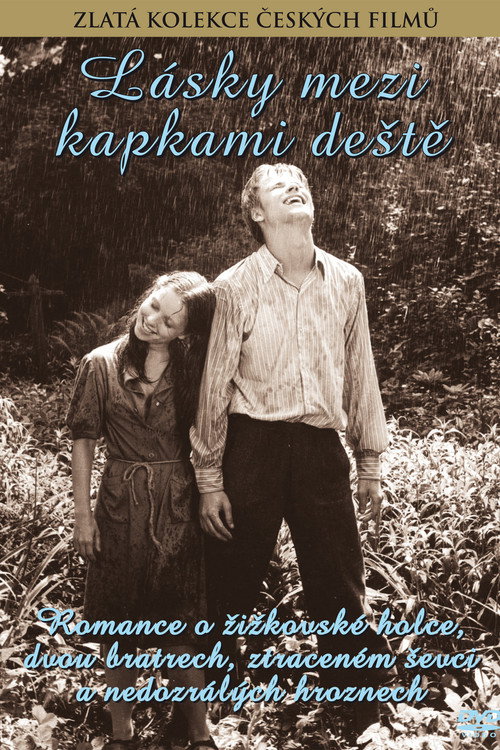
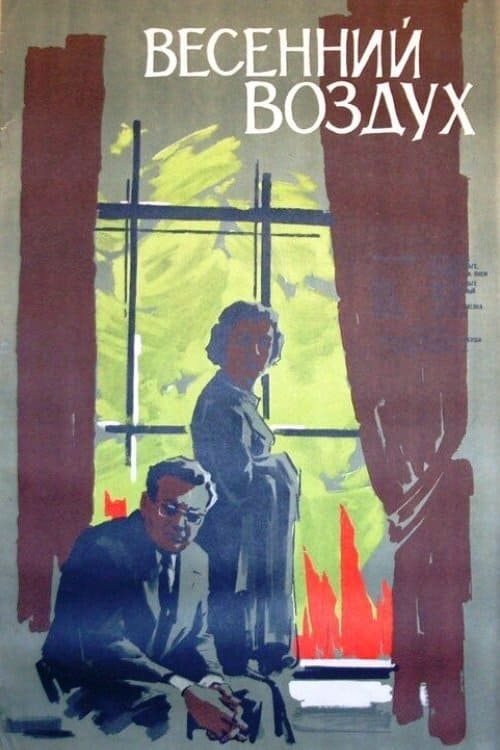
Set in Prague during the years leading up to World War II, this family saga tells the story of a cobbler named Vincenc Bursik (Vladimir Mensik), who uproots his clan from the country to the city, only to suffer the loss of his wife and the failure of his shoe business within months. When his daughter moves away to go live with a wealthy businessman as his mistress, Vincenc is left to take care of his two sons, who spend their days in a secret garden vying for the affections of a teenage girl.
Love Between the Raindrops
No description available.
Kosmas a paní Božetěcha
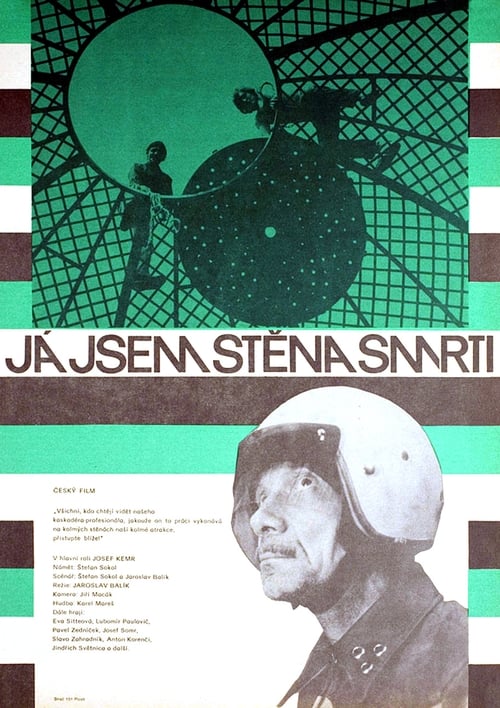
An aging street stuntman plans new equipment to make his motorcycle stunts even more impressive, but his daughter wants to end his nomadic life in a camper van.
Já jsem Stěna smrti
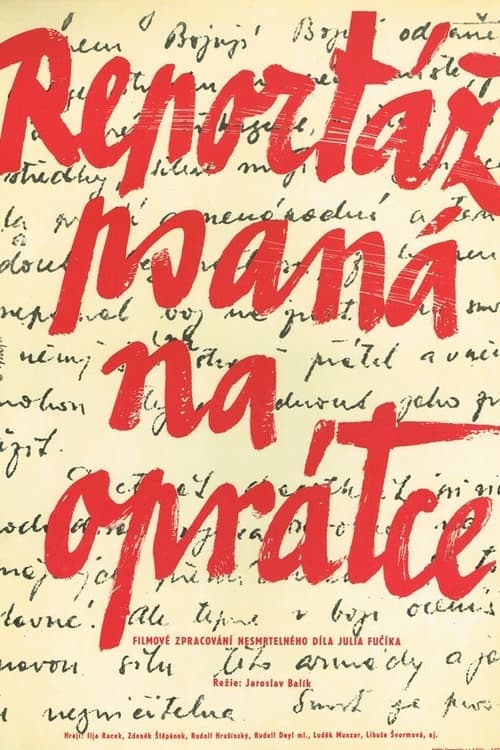
Screen adaptation of Julius Fucik's story about communist fighters.
Reportáž psaná na oprátce
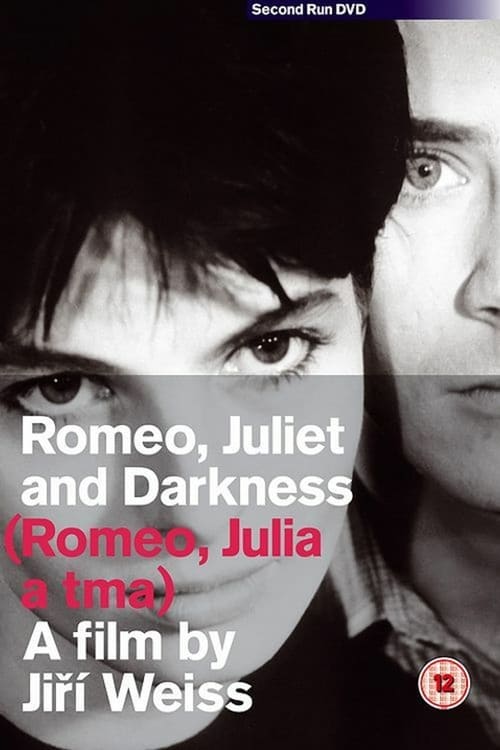
Pavel, a young student living in Prague in 1942, hides a Jewish girl in his apartment building's attic. Amidst the brutality of the occupying German army, love blossoms between the two. He is her only link to the outside world. Then the two are discovered by Pavel's mother, who forces the residents of the apartment building to decide whether Hana can remain.
Romeo, Juliet and Darkness
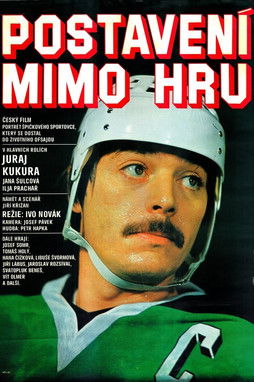
The psychological story of a young top athlete - hockey player, showing the downside of the all-round care that top athletes enjoy. On the one hand, there are the exceptionally favourable living conditions, but on the other, human envy, the fickleness of the public's favour, gossip, bribery and other vices that can negatively affect a less solid character...
Postavení mimo hru
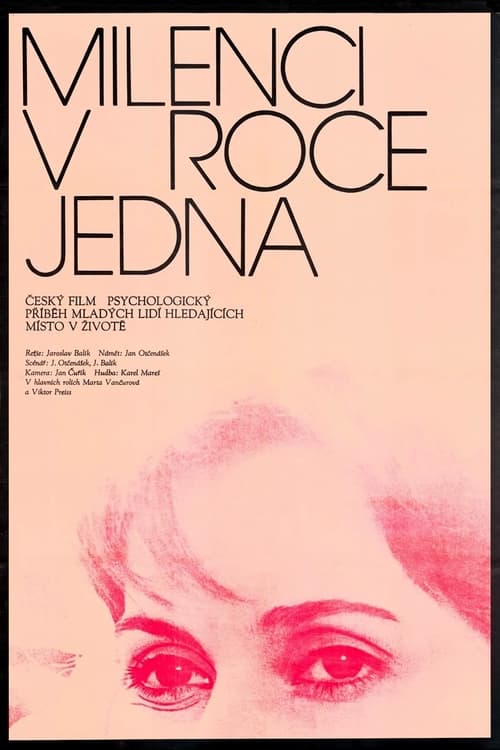
It is the summer of 1945. A party of young people are enjoying the beginning of a new life to the full. For them this is the year one. One of them, law student Pavel, is more attracted to film than to law. With his eight-millimeter camera, he films everything that catches his attention. One day he captures an interesting face on film, a girl with an air of mystery. Pavel visits the girl, whose name is Helena, and meets hers and her elder energetic sister Olga. From Olga, he learns that the girls have spent the years of German occupation in a concentration camp and cannot forget the horrors they have lived through.
Lovers in the Year One
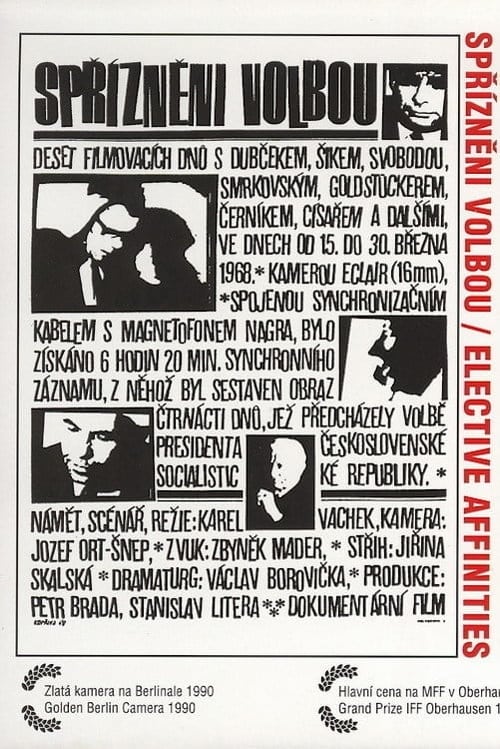
Documentary showing the Czechoslovakian political landscape in March 1968, when president Antonin Novotny, a hardline Stalinist, stepped down and moderate communist Ludvik Svoboda was elected. Five months later, in August 68, the Prague Spring would end with the military intervention of the Warsaw Pact.
Elective Affinities
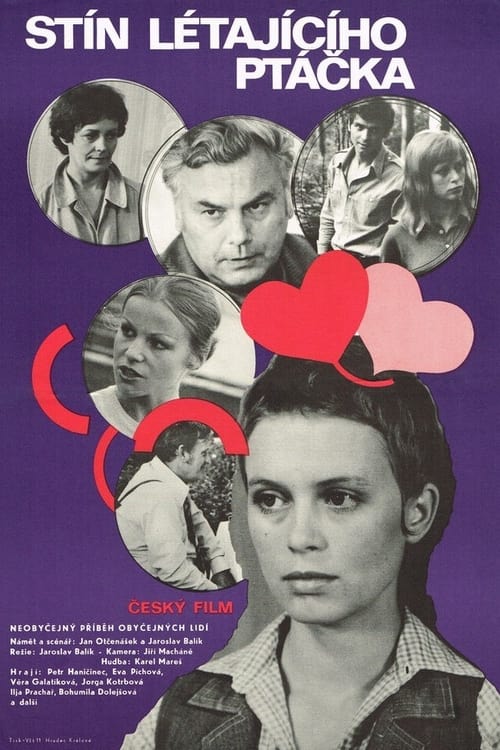
It doesn't help to have an exacerbated situation like a family losing their only son - killed in a motorcycle accident. His parents, however, don't know the girl who survived, now being treated at a local hospital. Especially the honest and principled father, presented as a model worker and responsible official, cannot come to terms with her superficiality and carelessness, with her dubious life values...
Shadow of a Flying Bird
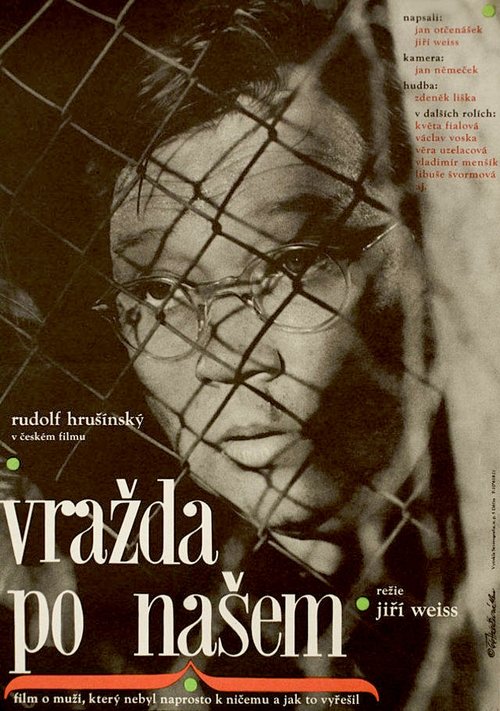
The protagonist (Rudolf Hrusinsky) is a dull, fat, shy government clerk indulging in voyuerism and ego fantasies. In love with another clerk (Kveta Fiolova), he is urged on in his pursuit by a commiserate executive. The story is told in a flashback sequence as the cuckolded Hrusinsky attempts suicide by gassing himself in his bathtub. The "Murder" of the title is not a murder as such, rather the murder that Hrusinsky remembers planning upon discovering his wife's unfaithfulness with his supposed friend and advisor. Both plots failing in his mind, he loses himself in fantastic reveries of his funeral and of hypocritical mourners. ' Deciding (perhaps) that this is not the way out either, he gives up the attempt and imagines a life of reconciliation and eventual affluence.
Murder Czech Style
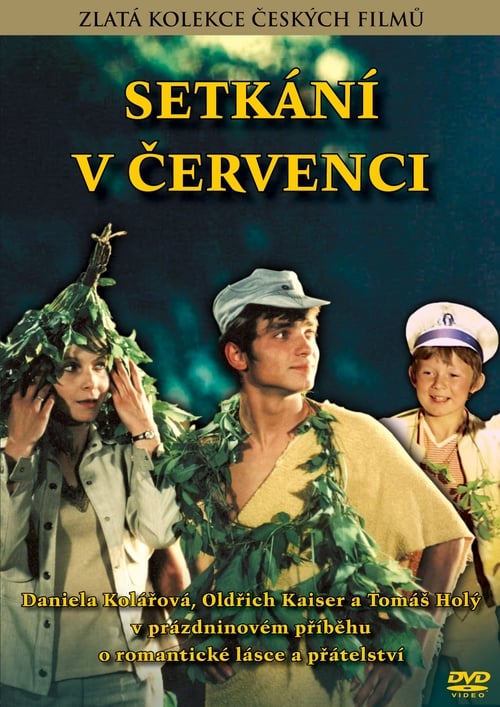
A romantic story about Jakub, a student in the summer camp, and his teacher Klara.
Meeting in July
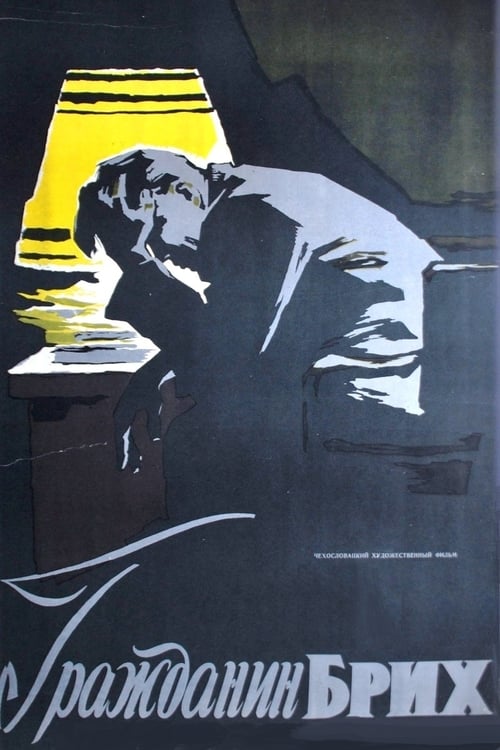
František Brych, a principled lawyer, refuses to back the new Communist regime at his factory and grows increasingly alienated, even as his former love Irena, unhappily married to factory owner Ondřej Ráž, seeks his understanding. When he helps plan an escape over the Šumava border, the group’s panic and violence lead to murder, prompting Brych to abandon the scheme and return home with Irena.
Občan Brych
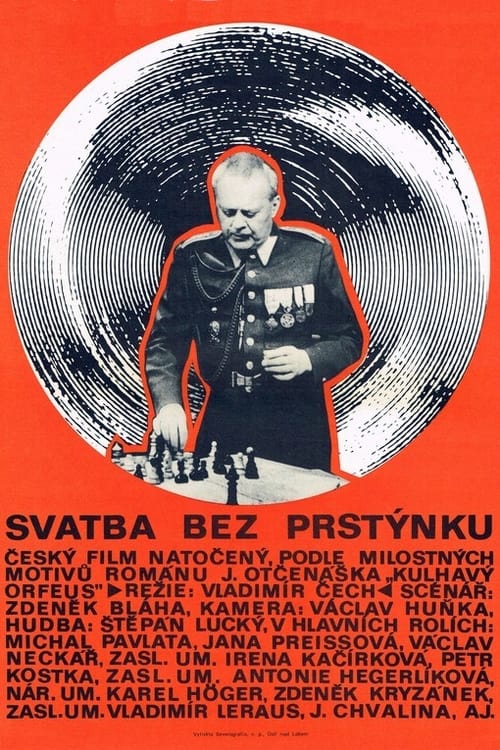
At the end of the occupation, Vojta, a young worker, marries the daughter of a rich builder to protect her from being deployed to the German Reich. Vojta agrees because he secretly loves Alena. But when the newlywed's family learns that Vojta is suspected of anti-German actions in the foundry, the marriage is over...
Svatba bez prstýnku
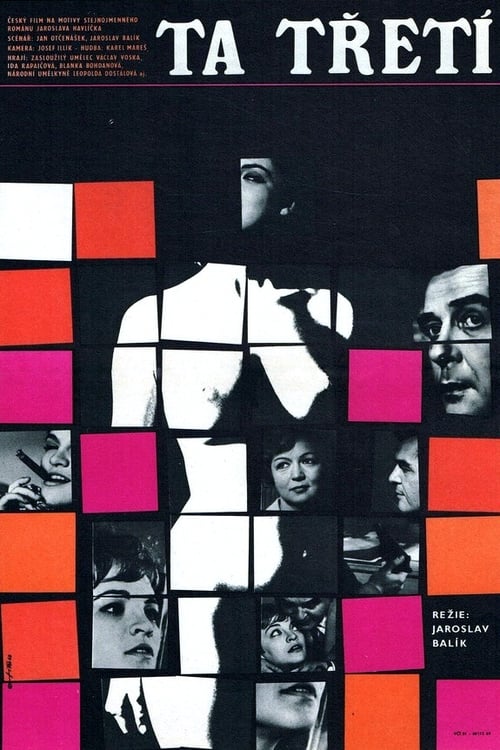
At the funeral of his schoolmate, the nearly-fifty-year old architect Jirí Mánek (Václav Voska) meets his former close acquaintance - physician Jarmila (Blanka Bohdanová). They both are still single. Jarmila has recently returned to Prague after years of work on the frontier. Jirí leaves for a business trip. As a conservationist, he is to grant permission for an adaptation of a Baroque château to office spaces. On the road, a pretty young hitchhiker named Eva (Ida Rapaicová) stops him. Eva is Slovak and her spontaneous behavior enchants Jirí. He thus does not mind making a short detour and takes Eva all the way to the luxurious cottage of her parents. A romance develops between the two people, so different in age and temperament.
Ta třetí
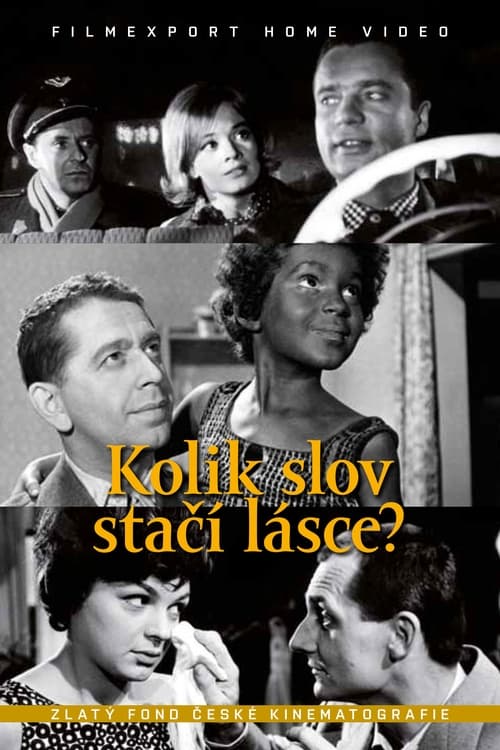
1. A taxi driver barely finishes his coffee before a young woman asks for a ride to impress her boyfriend, only to reveal her beau’s ramshackle “plan” beside his sleek car. He then smooths over a quarreling couple, helps a frustrated engineer solve his machine’s fault in a dream, and delivers a masked father’s gifts for his estranged daughter. 2. Mr. Kalina, an airport employee, fulfills a flight attendant’s plea by taking in an orphaned African girl for the night. He ensures her safe transfer to a children’s home the next day. 3. Zaza, a coquettish milliner’s assistant, juggles the attentions of a shy tailor and her stern salon manager. After a humiliating fall on the runway, the tailor comforts her and stages a private reprise, revealing where her heart truly belongs.
Love Without Words
An outdated fireclay factory is due to close, but its long-time employees can't imagine stopping what has fed them all their lives and what they do best...