Acting
No description available.
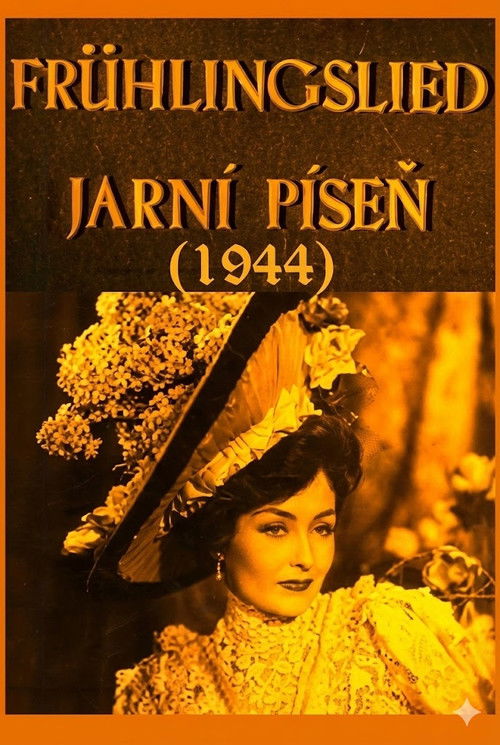
A Carl Lamac directed movie based on a novel by Karel Václav Rais.
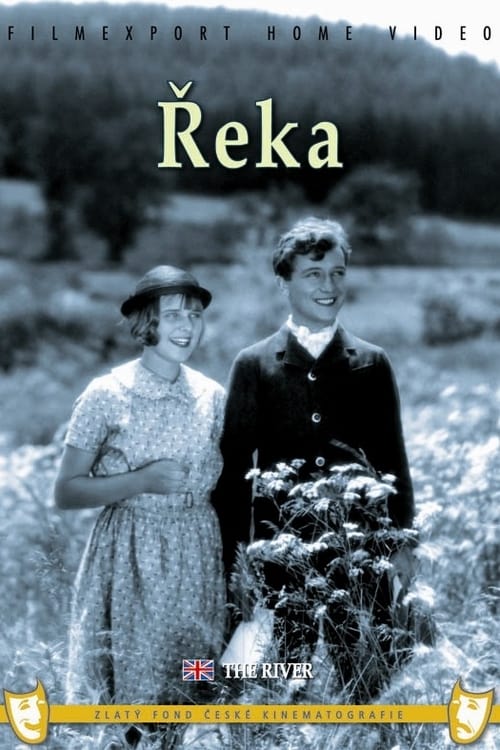
The story of love, between a sturdy village boy and a gentle country girl, filmed with a movingly genuine charm.
Ríša, a student of law, neglects his studies in favour of parties and pranks. His angry father refuses to continue helping him out of his debts. Ríša, however, is not entirely beyond hope. He decides to go and stay for a while with his uncle, a priest, who lives in Moravia, in order to prepare for his exams. He meets Helenka, the timid daughter of the local gamekeeper, at a village ball and is enchanted by her. The days pass and their idyllic relationship begins to tire Ríša. He begins to tell Helenka about his former debauched life the about the broken hearts of beautiful women. Helenka is hurt and refuses to see Ríša anymore. His uncle, the priest, is incensed at his behaviour and orders his nephew out of the house. Ríša tries desperately to find Helenka so he can make it up to her.
Ten-year-old Martin attends religion at school and is always an altar boy at church. That's the wish of his mother Anci, a bigoted believer. However, Martin encounters hypocrisy at every turn and begins to doubt that God exists. His older brother Eda steals money from his father with impunity, his father steals materials from the cooperative building, and even Martin's best friend Kovajs "sins" without scruples. Pastor Hornof tries in various ways to maintain his influence over his sheep, but is hindered by people with a "progressive" socialist mindset. When Martin's beloved Angora rabbits, who have done nothing wrong to anyone, die, the boy's faith is clear. He decides to join a pioneer organisation. All that's left is to keep it a secret from his mother...
The catastrophically dry weather of 1947 causes immense problems in the countryside. In the small village Klícov, only farmers Hánek and Bervida and the old Hromádka have water. The others must queue every day for a drop for themselves and their cattle. All the villagers lament over their previous decision to turn down the cooperative chairman Kouba's proposal to built a new village water-supply system.
A spring is hidden in the Iron Mountain but the people of Arzen cannot get to it and they are suffering from thirst.
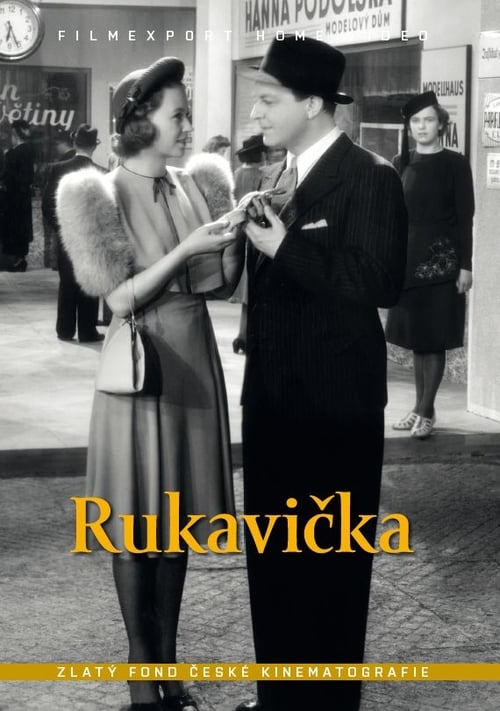
A lost lady's glove that connects several human destinies. The focus here is not on the lost part of the wardrobe, but on piano virtuoso Arne Brant, a man armed with a charming smile and surrounded by women, two of whom have particularly influenced his life. The first is the daughter of a famous can-can star, dancer Pavlína Doré-Zejdová, the second is Mařenka Berková, the main character of the film and a kind of Kristián in skirts. An orderly and well-bred daughter from an honorable family who lives her second life as a lady of high society. The lost glove complicates the situation for all of them considerably, but in the end she finds her rightful place, just like the heroes of the film...
Tóna Bohácek has been a great worry to his mother, Mrs Bohácková. All his friends equal in age are already married and some of them even have children - only Tóna still has nothing. Mother Bohácková thus publishes an ad in the Lonely Hearts column on behalf of her son. From among the girls who responded, she picks out Janicka, a girl from the neighboring village, and then forces Tóna to go to have a look at her and bring her home. The date of the two young people, however, does not turn out well due to the embarrassment on both sides, and Tóna returns home drowning in the feeling of ridiculousness. On the way, he picks up hitchhiker Kveta from Prague. Only then, he realizes that the mother with her festive dinner is waiting for him and Janicka at home and thus asks Kveta to substitute for the girl from the ad.
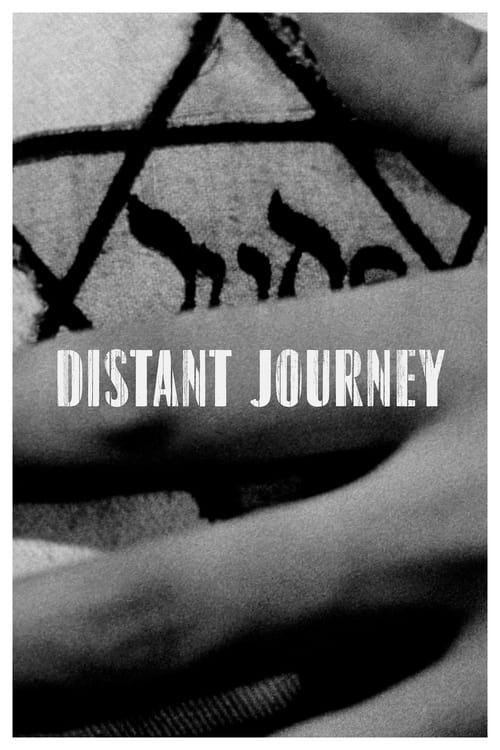
Prague, during World War II. Hana Kaufmann, a Jewish ophthalmologist, marries Dr. Antonín Bureš, a Christian man. When her family is sent to the Theresienstadt concentration camp, their romance turns into a struggle for survival.
Innovator Ludvík Zach is in love with his technical data and improvement proposals and does not believe that women could be able to understand these problems. However, on his way back from a conference, he meets Jarmila, an electromechanic, and arranges a meeting with her. He would prefer to talk to her about technology, but he discovers that Jarmila is more interested in poetry and music...
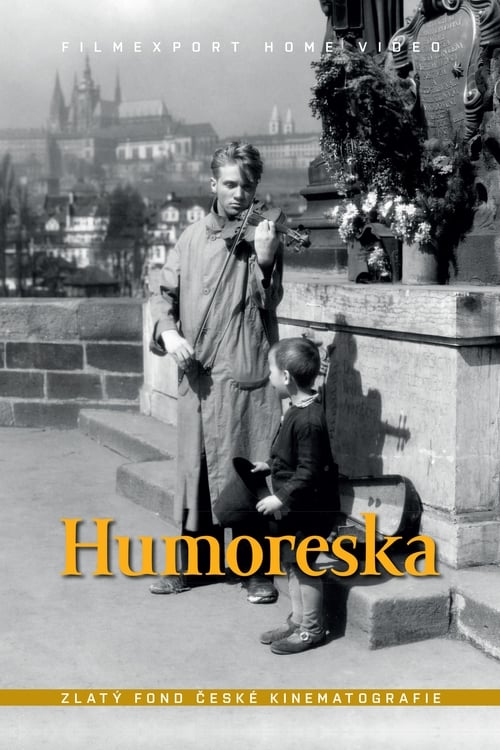
Dvořák's well-known composition reappears again and again in the serious moments of the lives of the father and son Hupeks - talented non-professional musicians for whom music gives them the opportunity to rise above difficulties and problems...
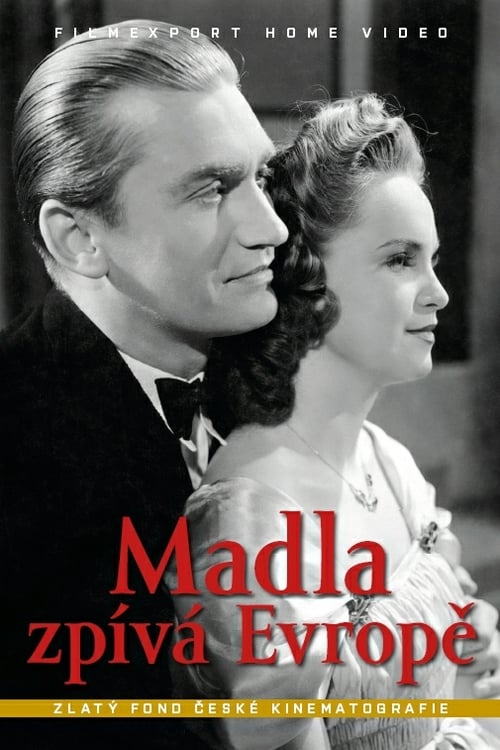
Folk song collector Dr. Šerk arrives in the remote village of Lesov. He is enchanted by the singing of sixteen-year-old Madla Satranová and he records her songs for radio broadcast. Šerk's friend, composer Jaroslav Klán, takes care of a group of orphans, from whom he has formed a choir. Šerk brings the orphaned Madla to him. The teenage girl begins to help the housewife Nána with the care of the children.
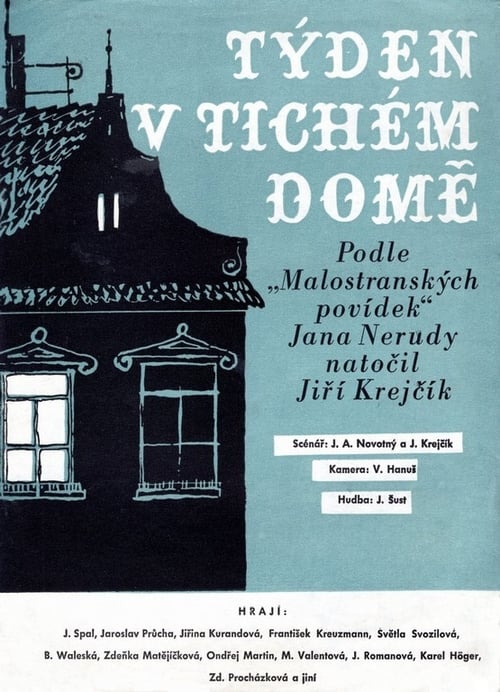
A sometimes humorous, sometimes more serious look at the hustle and bustle of a house in Lesser Town with a diverse array of tenants living there, and often petty quarrels that break out between them. Behind the facade of the house in Lesser Town "U dvou slunců" (Two Suns) there is life. The Bavors live here, eternal slaves to the grocery store. The Ebros, who need to marry their daughter off at a good price. The bachelor Dr. Loukota and other interesting Nerudov characters.