Acting
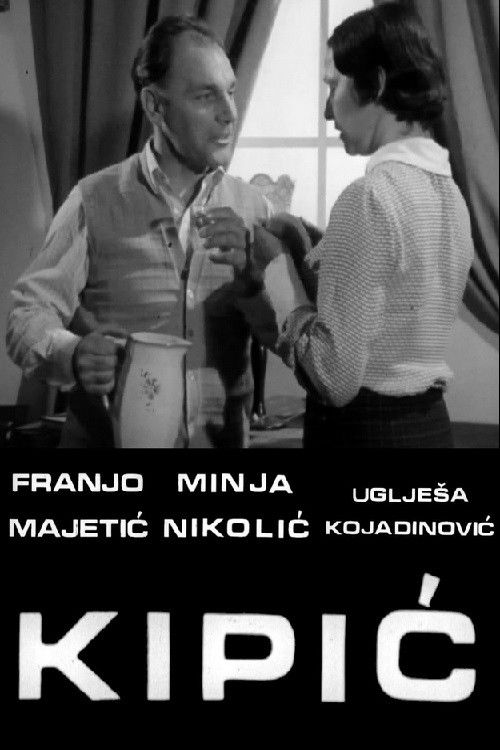
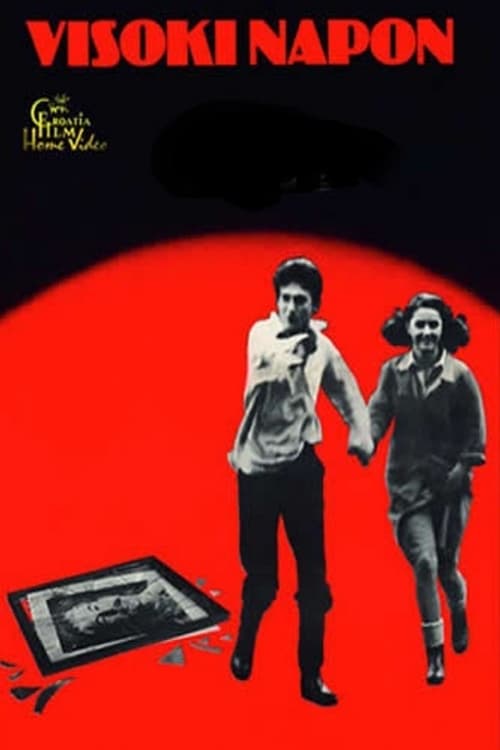
In the center of the story is an old bachelor, honest man who is unable to prove his honesty because his only proof, a statuette, has been broken. The film is set in the earliest days of socialism after the WW2.
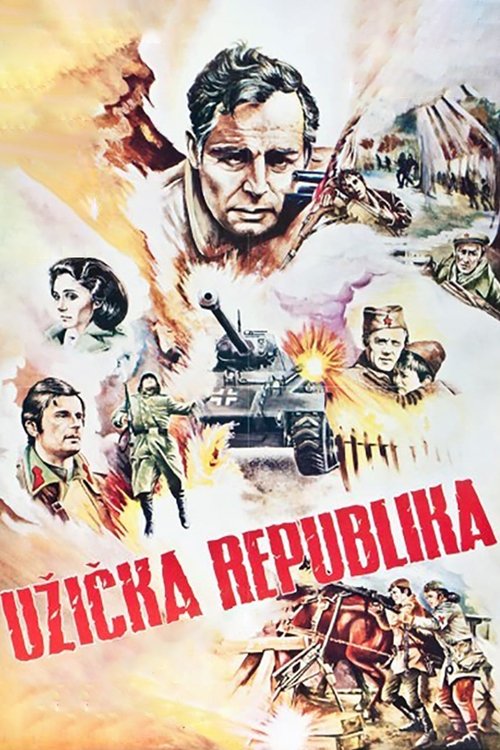
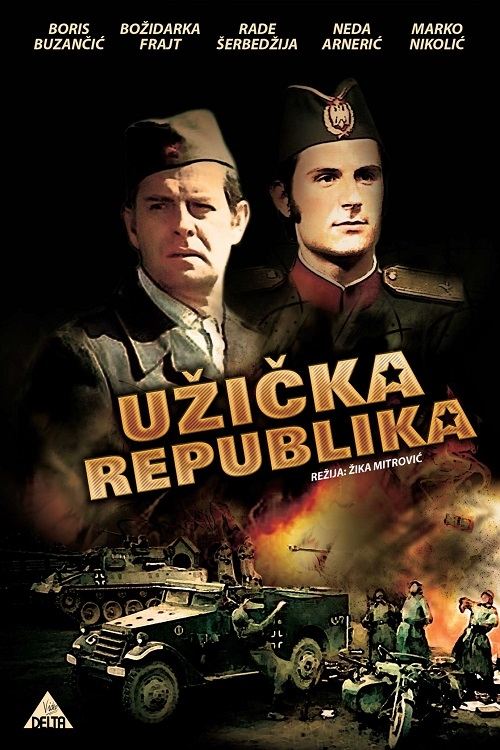
In 1941, a few months after German tanks forced Yugoslav Royal Army to capitulate, organized resistance is turning into massive uprising against occupying forces. Partisans, led by the Communist party, manage to chase Germans from huge territory later known as the Uzice Republic. However, forces loyal to King have some other ideas.
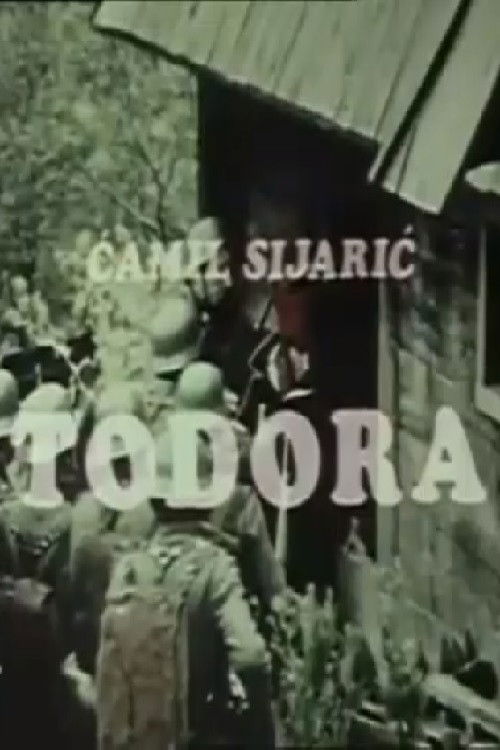
Tragic story of the brave woman Todora. Germans penetrated into the village. Villagers flee into the forest and a brave Todora rushes to the German tank and crosses the ball screen. Soldiers captured, and raped her. Her father Radul dispels the Germans, kills some of them and gets killed himself. Freedom arrives, Todora gives birth to son. Farmers despise the evaded, and her father intends to creates a memorial statue.
Božidarka Frajt (playing herself) is an actress who is unsuccessfully looking for a job in Zagreb. The film follows her everyday life: she spends time with her friends and colleagues, shoots a television commercial, goes to a party, remembers her difficult childhood as a war orphan, and contemplates her professional and personal failures. Finally, she visits theatre manager Vjeran Zuppa in his office and asks for a job.
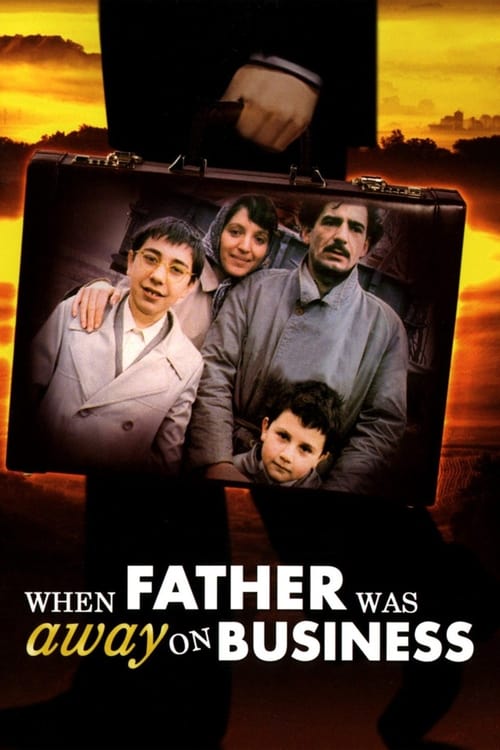
In a post-WWII Yugoslavia still under Stalinist rule in the 1950s, six-year-old Malik is oblivious as to why his father, Mehmed, has suddenly disappeared. In truth, Mehmed has been sent to a labor camp as punishment for acts of sexual indiscretion involving young girls. Malik's mother, Senija, however, has no answers, and the family must cope in the father's absence.
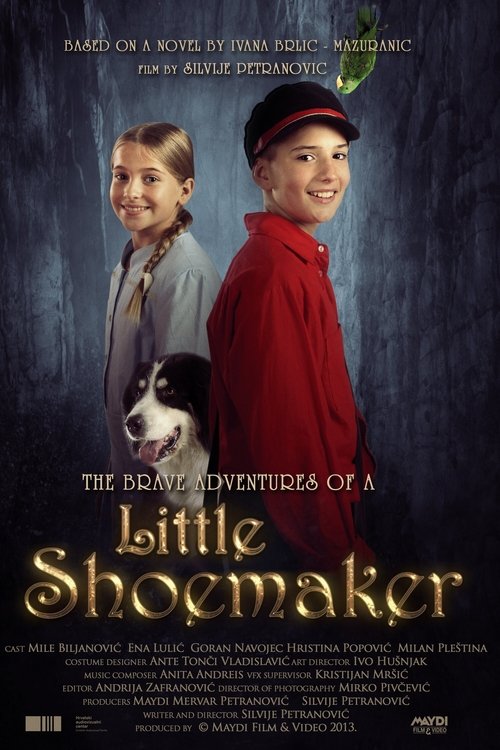
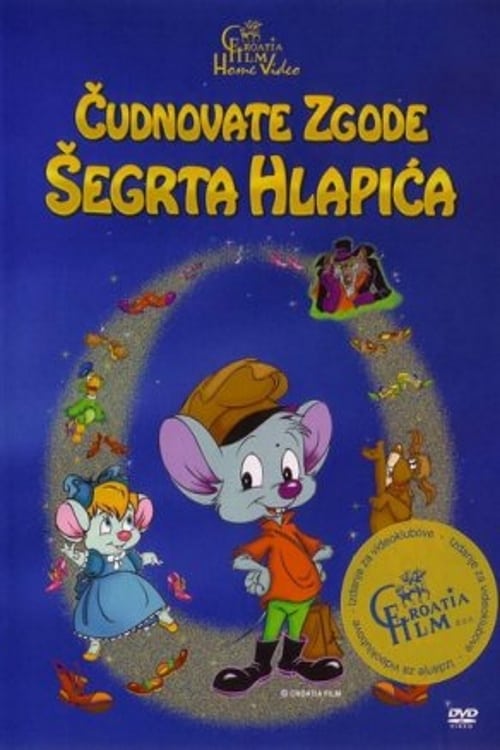
Apprentice Lapitch, the little shoemaker sets off on a journey after experiencing injustice from the cruel Master Mrkonja. On his journey he meets Gita, a beautiful little circus girl who is an orphan just like him. They share adventures and experience problems during their journey. They have nowhere to sleep, no food and are poorly clothed, but nothing scares them. They are bold and happy, willing to help everyone. On the night of the full moon something terrible happens, and changes everything...
It is a movie about survive in war time (WW1 East front). In dark colors, with interesting characters, mixture of ash and sand, puzzle of stories, cynic, precise, harsh, bitter, Rubick cube of times and events.
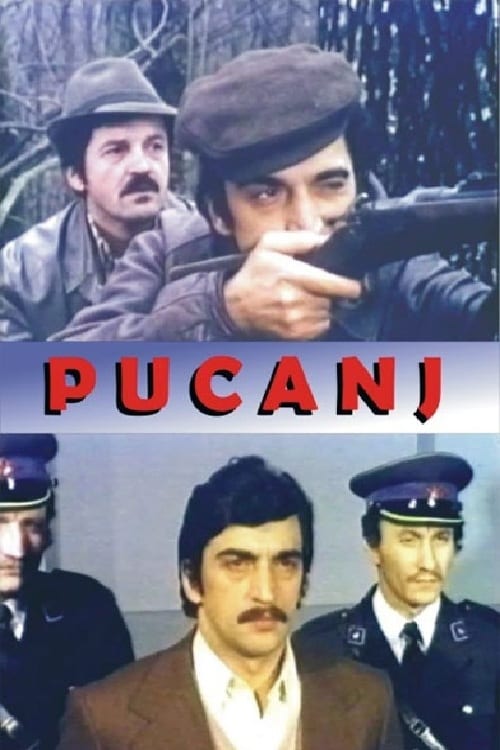
In a village of heterogeneous ethnic composition (populated by Serbs and Croats), the local hunter gets wounded by an accidental shot which stirs up passion among the two communities.
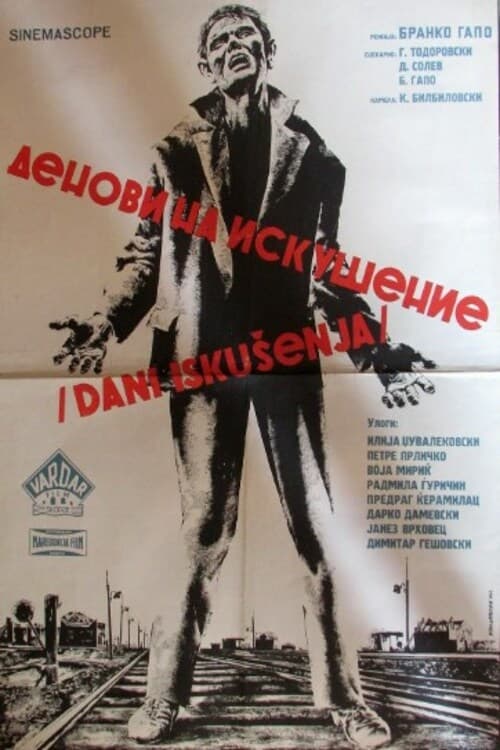
In 1918, after the end of the Balkan Wars and the First World War, hundreds of Macedonians immigrated to Bulgaria. Among them there were pro-Bulgarian Macedonians who wanted to exploit the emigrants for their own political purposes. A number of decent freedom fighters were eliminated. The victim of one of the assassins in Sofia was Djorche Petrov. His assassin is a young boy who doesn't even know that he is shooting dead the man who is one of the last real fighters for the freedom of Macedonia. By discovering that he has been unknowingly involved in the pro-Bulgarian organization and has been used for an execution of this vile act, it means the death sentence for the young boy.
Post-war Zagreb, 1995. University student Jagoda lives in a decaying apartment with her sickly mother, alcoholic brother and depressed father. She decides to find some peace in a relationship with her boyfriend, a soldier named Zlatko, however, when they decide to take their relationship a step-further, they can't seem to find the time to do so and cracks in their clashing worldviews and personalities begin to show.
Comedy movie.
After WW II many young people arrive to Zagreb, among them a young worker Sonja Kacar. She is supposed to participate in the construction of the first generator in the Rade Koncar factory. Because there aren't enough experts and materials in Yugoslavia, the factory counts on help from fellow communist countries, Czechoslovakia and Soviet Union. However, after the Inform Bureau's resolution this help is no longer available. Sonja experiences a great intimate disappointment because Stjepan, who she is in love with, supports Stalin.
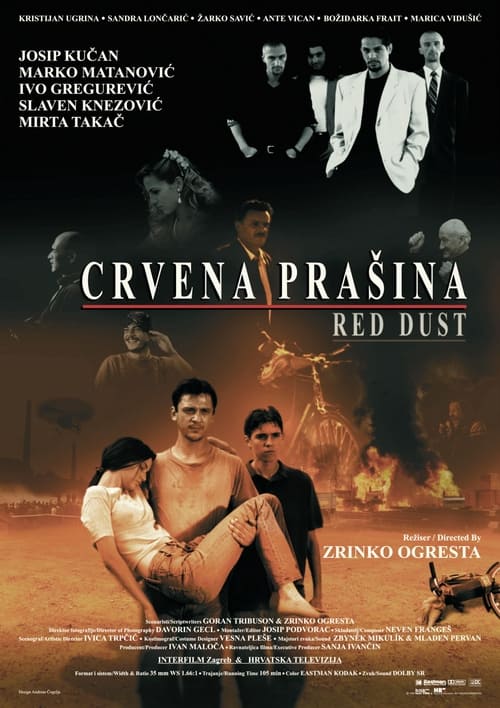
A growing conflict between two criminals over the control of the Zagreb neighborhood of Pešćenica starts mirroring the ethnic and sociopolitical struggles in the world around them.
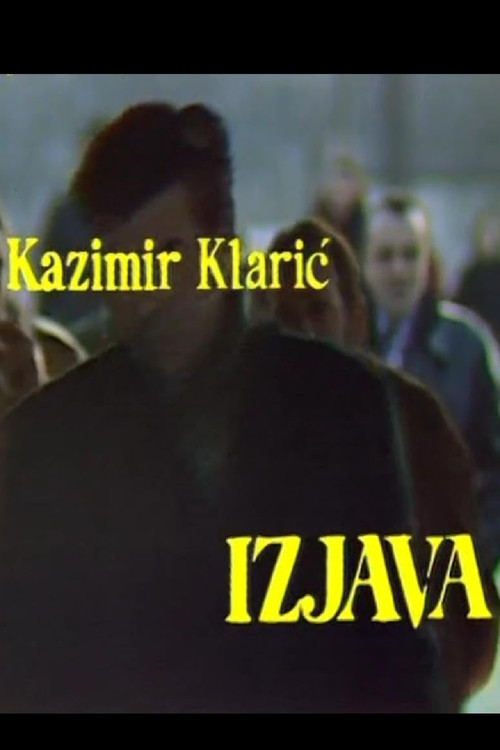
A story about a hard-working man who earns his piece of bread honestly. But this time, his attempt to become head of the workers’ syndicate and his statement will change his and the lives of many workers in the company.
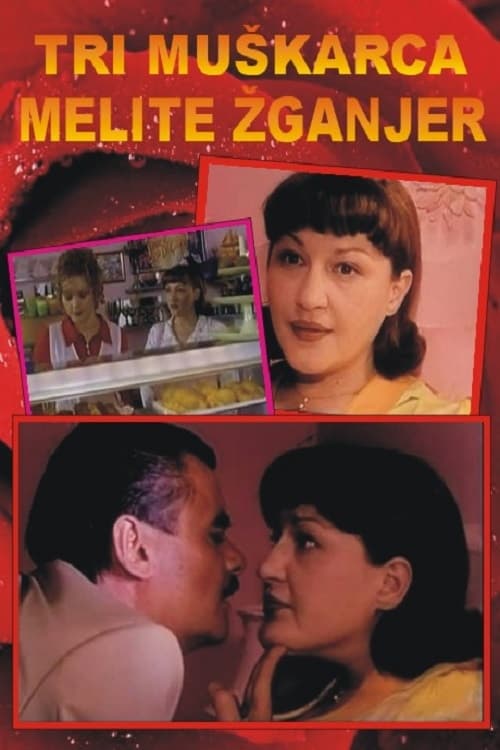
Melita is a young, perky and plumpy pastry shop worker who spends her evenings avoiding social gatherings, watching Latin American telenovelas, putting up with the constant romantic rendez vous of her roommate Višnja and fantasizing about, one day, being in a happy relationship with a mysterious and exotic stranger. What she doesn't realize, however, is that she has a secret admirer, the pastry shop's delivery driver Janko.
A contemporary drama about a woman at a turning point in life, too old to start life all over, but young enough not to decide to try. After a failed marriage abroad, childless and with unfulfilled expectations, Melisa returns to Zagreb longing for her mother, brother, friends and beloved hometown.
Fed up with the harsh treatment his master has given him, a brave little mouse (and later his dog, Brewster) sets off on an adventure.
A tale of two brothers from babies to adulthood told without words. One brother is upstaged by the other from the crib onward. Eventually the tables are turned.
TV series which serves as an extended version of the film of the same title.
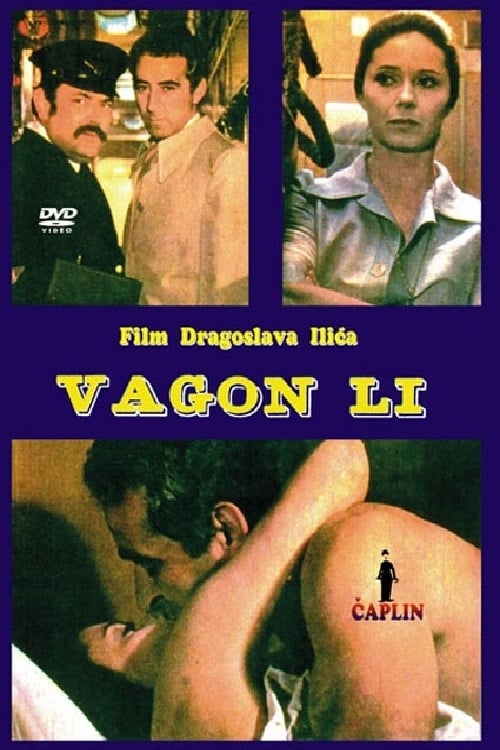
A man and a woman, each with a stable marriage of their own, meet in the wagon compartment. The short encounter of two strangers causes restlessness within their personal views about the world, implying possible romance. Once the train reaches its destination, they go apart without a single word spoken, and return to their world of security.