Dizzy Gillespie
Acting
Biography
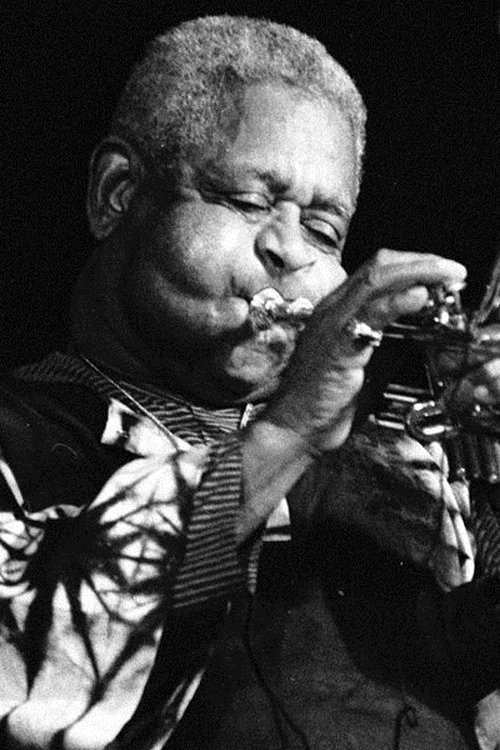
John Birks "Dizzy" Gillespie (/ɡɪˈlɛspi/; October 21, 1917 – January 6, 1993) was an American jazz trumpeter, bandleader, composer, and singer. Gillespie was a trumpet virtuoso and improviser, building on the virtuoso style of Roy Eldridge[2] but adding layers of harmonic and rhythmic complexity previously unheard in jazz. His combination of musicianship, showmanship, and wit made him a leading popularizer of the new music called bebop. His beret and horn-rimmed spectacles, his scat singing, his bent horn, pouched cheeks and his light-hearted personality provided some of bebop's most prominent symbols. In the 1940s Gillespie, with Charlie Parker, became a major figure in the development of bebop and modern jazz. He taught and influenced many other musicians, including trumpeters Miles Davis, Jon Faddis, Fats Navarro, Clifford Brown, Arturo Sandoval, Lee Morgan, Chuck Mangione, and balladeer Johnny Hartman. AllMusic's Scott Yanow wrote: "Dizzy Gillespie's contributions to jazz were huge. One of the greatest jazz trumpeters of all time, Gillespie was such a complex player that his contemporaries ended up being similar to those of Miles Davis and Fats Navarro instead, and it was not until Jon Faddis's emergence in the 1970s that Dizzy's style was successfully recreated [....] Arguably Gillespie is remembered, by both critics and fans alike, as one of the greatest jazz trumpeters of all time". From Wikipedia, the free encyclopedia
Known For

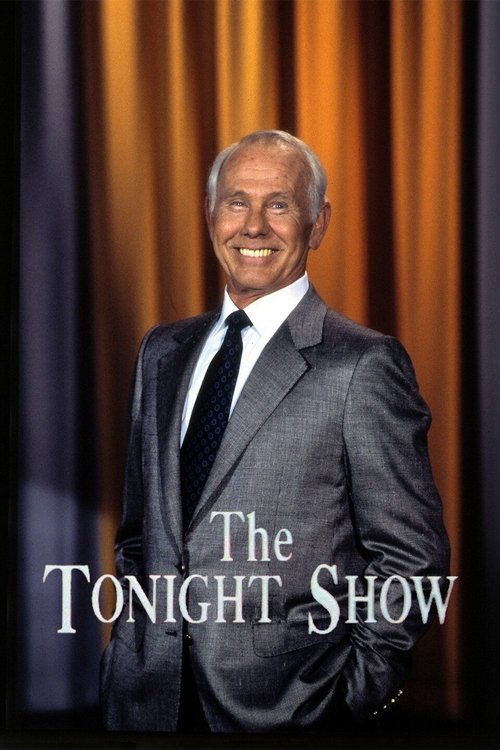
The Tonight Show Starring Johnny Carson is a talk show hosted by Johnny Carson under The Tonight Show franchise from 1962 to 1992. It originally aired during late-night. For its first ten years, Carson's Tonight Show was based in New York City with occasional trips to Burbank, California; in May 1972, the show moved permanently to Burbank, California. In 2002, The Tonight Show Starring Johnny Carson was ranked #12 on TV Guide's 50 Greatest TV Shows of All Time.
The Tonight Show Starring Johnny Carson

The Mike Douglas Show is an American daytime television talk show hosted by Mike Douglas that originally aired only in the Cleveland area during much of its first two years on the air. It then went into syndication in 1963 and remained on television until 1982. It was distributed by Westinghouse Broadcasting and for much of its run, originated from studios of two of the company's TV stations in Cleveland and Philadelphia.
The Mike Douglas Show

The best in the performing arts from across America and around the world including a diverse programming portfolio of classical music, opera, popular song, musical theater, dance, drama, and performance documentaries.
Great Performances

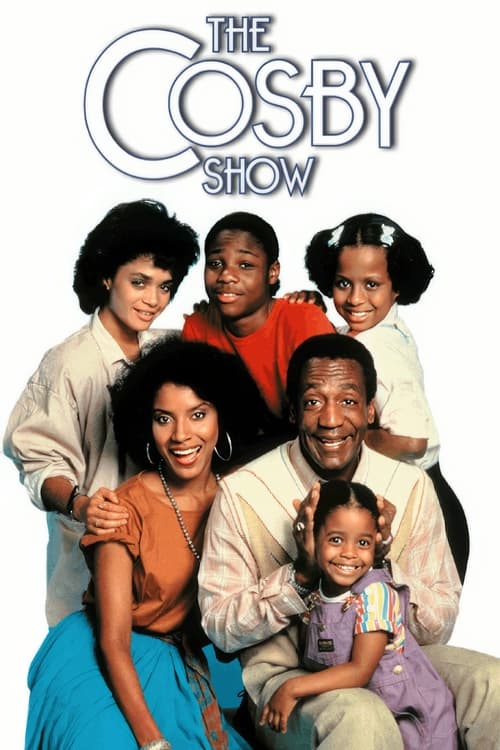
The Cosby Show is an American television situation comedy starring Bill Cosby, which aired for eight seasons on NBC from September 20, 1984 until April 30, 1992. The show focuses on the Huxtable family, an upper middle-class African-American family living in Brooklyn, New York.
The Cosby Show

The Dick Cavett Show has been the title of several talk shows hosted by Dick Cavett on various television networks.
The Dick Cavett Show

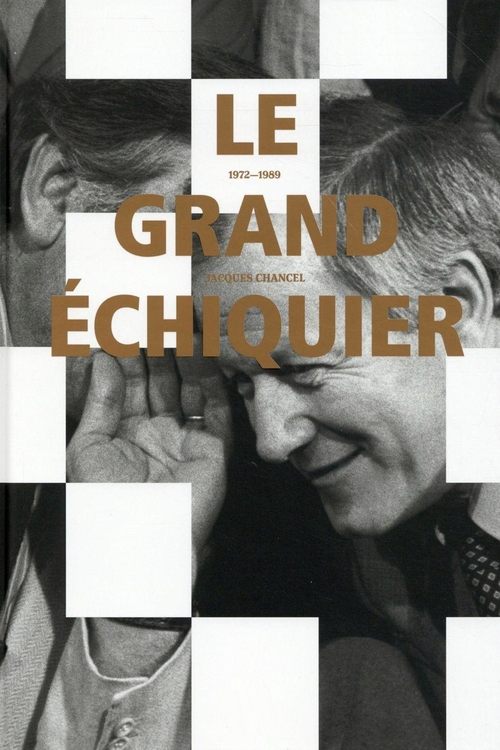
Le Grand Échiquier is a French variety television program created and presented by Jacques Chancel. It aired at 8:30 pm on the first channel of the ORTF from January 12, 1972 to July 12, 1972, then on the second color channel of the ORTF from September 1972 to December 1974, and finally on Antenne 2 from January 1975 to December 21, 1989. The program returned to France 2 on December 20, 2018 and is hosted by Anne-Sophie Lapix.
Le Grand Échiquier

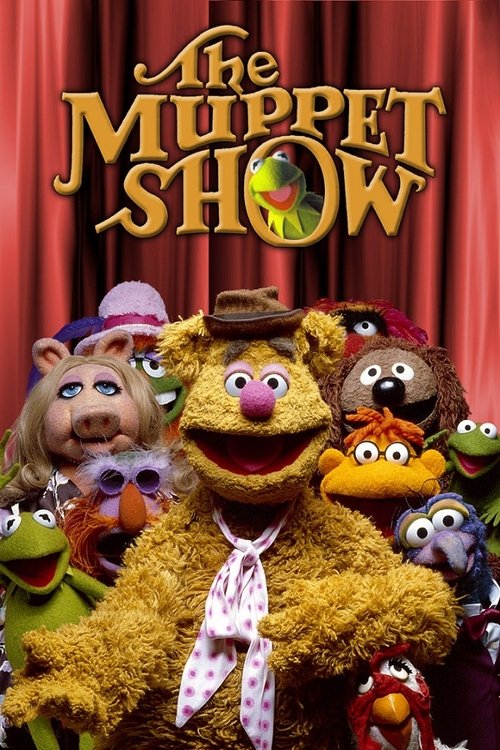
Go behind the curtains as Kermit the Frog and his muppet friends struggle to put on a weekly variety show.
The Muppet Show
No description available.
Bei Bio

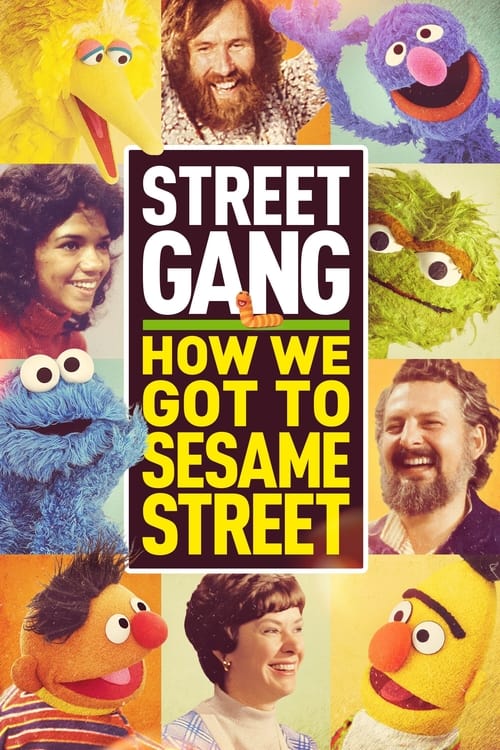
Take a stroll down Sesame Street and witness the birth of the most influential children's show in television history. From the iconic furry characters to the classic songs you know by heart, learn how a gang of visionary creators changed the world.
Street Gang: How We Got to Sesame Street

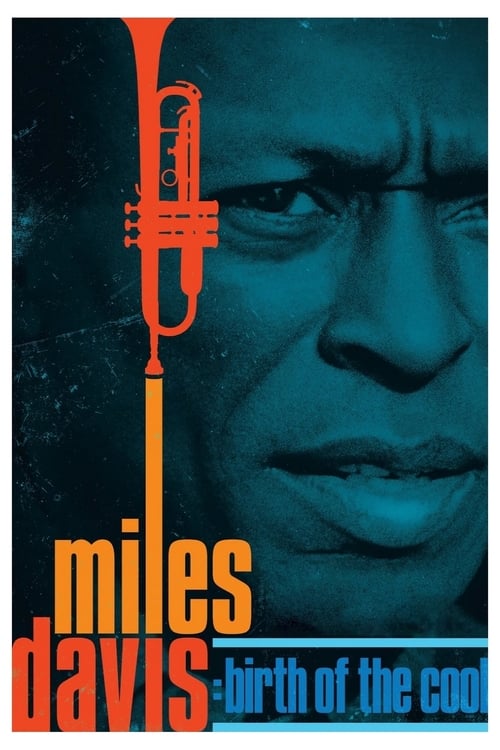
An immersive look at the eventful life and brilliant artistic career of visionary American jazz trumpeter Miles Davis (1926-1991).
Miles Davis: Birth of the Cool

This rockumentary-style presidential portrait shows how Jimmy Carter reinvigorated a post-Watergate America—with the music of the counterculture, including the Allman Brothers, Bob Dylan, Willie Nelson, and Jimmy Buffett.
Jimmy Carter: Rock & Roll President

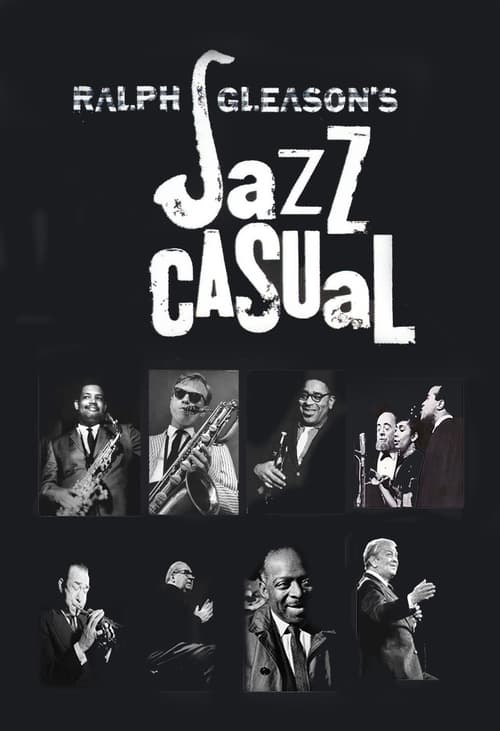
Jazz Casual was an occasional series on jazz music on National Educational Television, the predecessor to the Public Broadcasting Service. The show was produced by Richard Moore and KQED of San Francisco, California. Episodes ran for 30 minutes. It ran from 1961 to 1968 and was hosted by jazz critic Ralph Gleason. The series had a pilot program in 1960, however the episode has been destroyed. 31 episodes were broadcast; 28 episodes survive. Most episodes included short interviews with the group leaders.
Jazz Casual

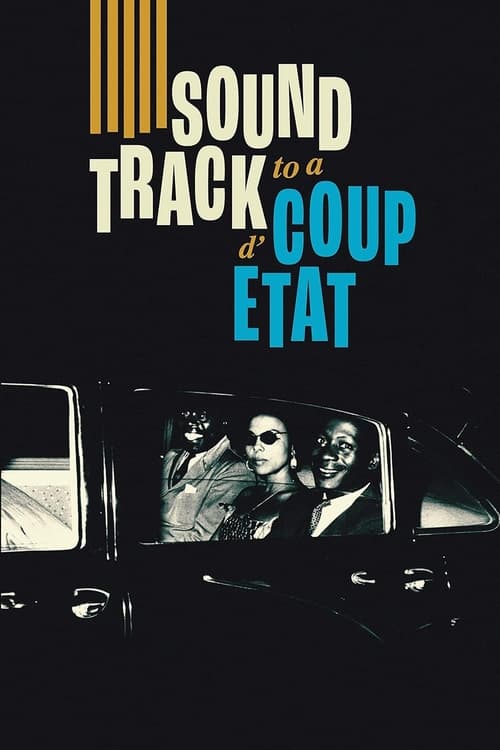
Jazz and decolonization are intertwined in a powerful narrative that recounts one of the tensest episodes of the Cold War.
Soundtrack to a Coup d'Etat
Originally broadcast on CBS April 11, 1976, under the title THE ORIGINAL ROMPIN' STOMPIN' HOT AND HEAVY, COOL AND GROOVE ALL-STAR JAZZ SHOW, this concert ran as part of the "Lively Arts for Young People" series. As staged at the Ed Sullivan Theater and directed by Gary Keys, it features performances by a who's-who of jazz legends who were still active at the time, including Lionel Hampton, Count Basie, Dizzy Gillespie and Stan Getz. In the process, Keys also uses such elements as narration by host Dionne Warwick, and dance performances, to follow the evolution of jazz from classic American spirituals through the styles that became en vogue in the 1970s.
All-Star Jazz Show: Live from The Ed Sullivan Theater

Earth is visited by a race of aliens, who issue an ultimatum: either peace or complete destruction.
The Cosmic Eye

Art Kane, now deceased, coordinated a group photograph of all the top jazz musicians in NYC in the year 1958, for a piece in Esquire magazine. Just about every jazz musician at the time showed up for the photo shoot which took place in front of a brownstone near the 125th street station. The documentary compiles interviews of many of the musicians in the photograph to talk about the day of the photograph, and it shows film footage taken that day by Milt Hinton and his wife.
A Great Day in Harlem
No description available.
Hugh Hefner: Once Upon a Time

Half a century ago, Brazilian composer and musician Antonio Carlos "Tom" Jobim (1927-1994) introduced bossa nova to a worldwide audience with "The Girl from Ipanema." This relaxed, cool, sensuous music blended jazz and samba. After recording an album of songs by his friend Jobim, Frank Sinatra is reported to have said, "I haven't sung so quietly since I had laryngitis." Naturally, "The Girl from Ipanema" and Frank Sinatra are featured in this musical collage of countless seamlessly edited excerpts of concert footage that cover decades of events all over the world: from Rio de Janeiro to Lisbon, Paris, Copenhagen, Jerusalem, Tokyo, Montreal, New York and back to Rio.
The Music According to Tom Jobim

This riveting music documentary traces the history of Jazz piano legend Oscar Peterson, from his early days as Montreal's teenage Boogie-Woogie sensation through his meteoric rise to international celebrity with Norman Granz and the ground-breaking Jazz at the Philharmonic and beyond. In this award-winning autobiographical portrait, legendary jazz pianist Oscar Peterson narrates his story, from his beginnings in smoke-filled Montreal clubs to hallmark performances with jazz greats. Concert footage includes an unforgettable combo -- Nat King Cole with Jazz at the Philharmonic and the Oscar Peterson Trio Wall reunion. Quincy Jones, Ella Fitzgerald and Dizzy Gillespie are interviewed, among others.
Oscar Peterson: Music in the Key of Oscar
Profile of Duke Ellington featuring performances and interviews with the legendary bandleader. The performance footage was recorded in a number of places from The Basin St. West Jazz Club, the 1965 Monterey Jazz Festival, and his first Concert of Sacred Music at Grace Cathedral. This program was described by Ellington in his autobiography as the best film about Duke Ellington ever made...