Camera
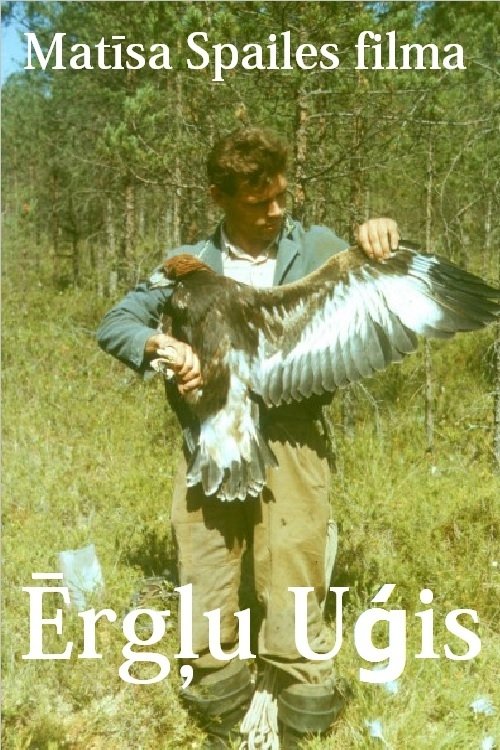
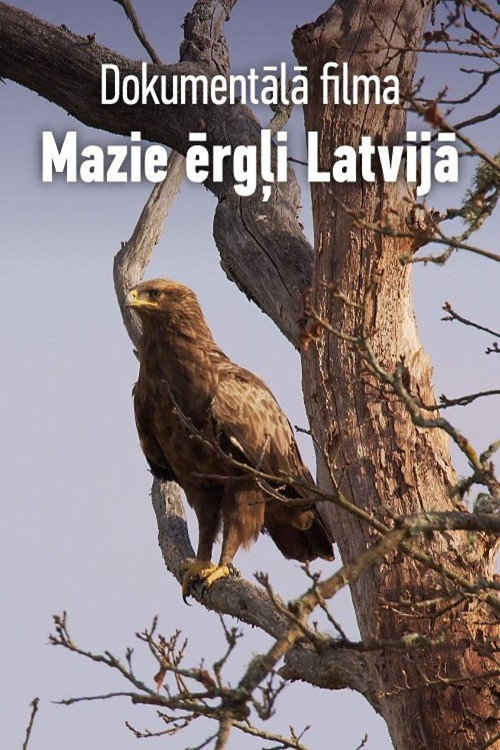
Latvia is home to almost one fifth of the world’s population of the lesser spotted eagle, yet their number is endangered. Uģis Bergmanis is one of Latvia’s best-known ornithologists, and he does his best to save the eagles in Latvia. He also has another passion – he hunts wolves. He can sit for hours in freezing temperatures until meeting his prey eye to eye. There are many stories in this man. And some of them are going to be told.
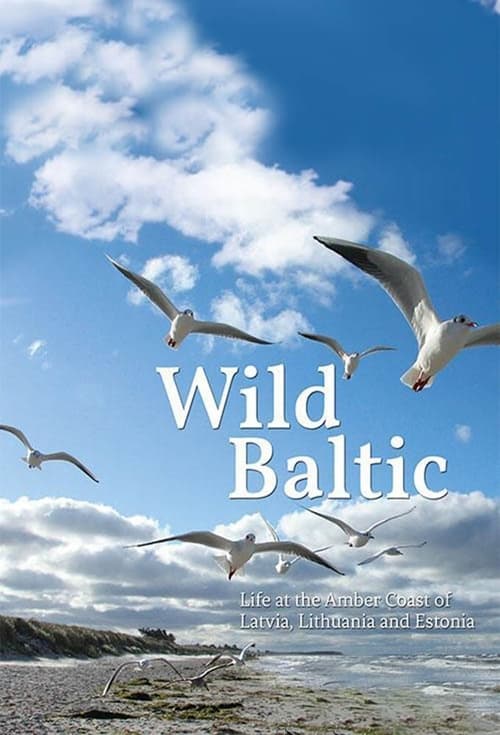
The Baltics are rich in superlatives: a fifth of the world's spotted eagle stocks breed here. One of the largest courtship arenas for snipes is located here in the floodplains of Latvia. More than 1000 wolves go on the hunt in Latvia's forests. Lithuania is the land of storks - with over 13.000 pairs, no other region in the Baltic States has more white storks.
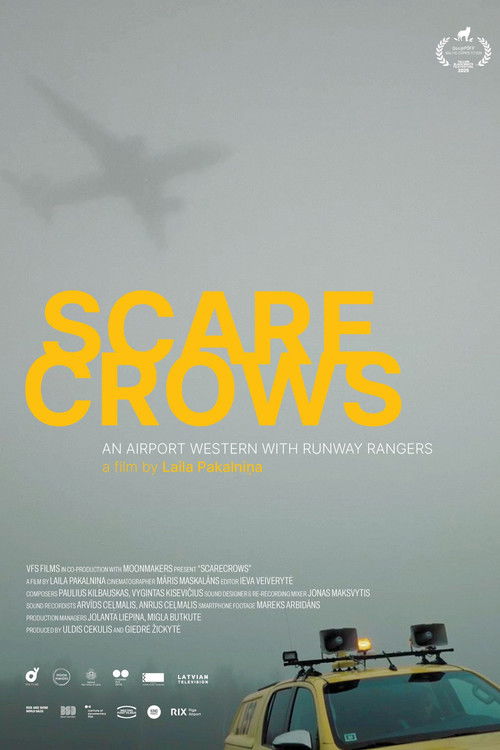
Those of us who fly in airplanes probably don’t think about those who fly through Riga Airport on their own wings. But on any given day, up to 30,000 birds might visit the airport. And it would only take one… Airport wildlife control employee Mareks would like to go to church and light a candle for luck before he goes to work every day. In fact, all of us need that luck – it’s just that we’re not aware of it. Maybe that’s a good thing. Understanding wildlife that might turn up at the airport and making sure that the paths of birds, animals and airplanes don’t cross is a very real job.
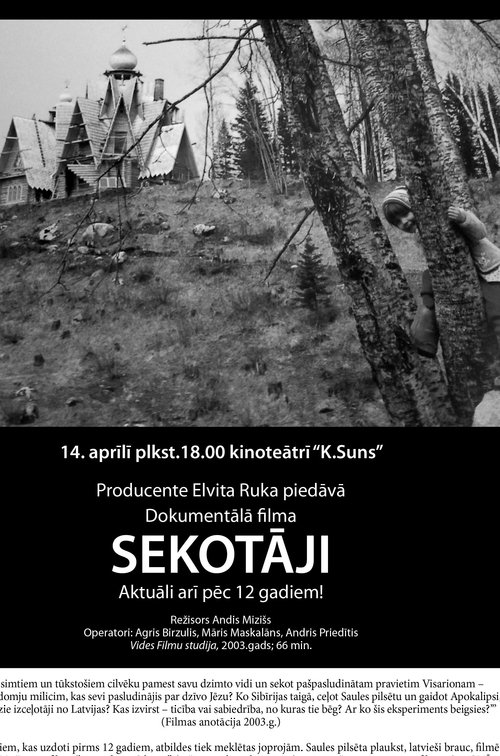
What draws thousands of people to leave everything behind and venture out into Siberian taiga, following Visarion, an ex-agent of the Soviet police who proclaims to be Jesus? The film tries to answer this question, showing the construction of the New Jerusalem, a resettlement «destined» to become the birthplace of a new civilization after the imminent apocalypse takes place.
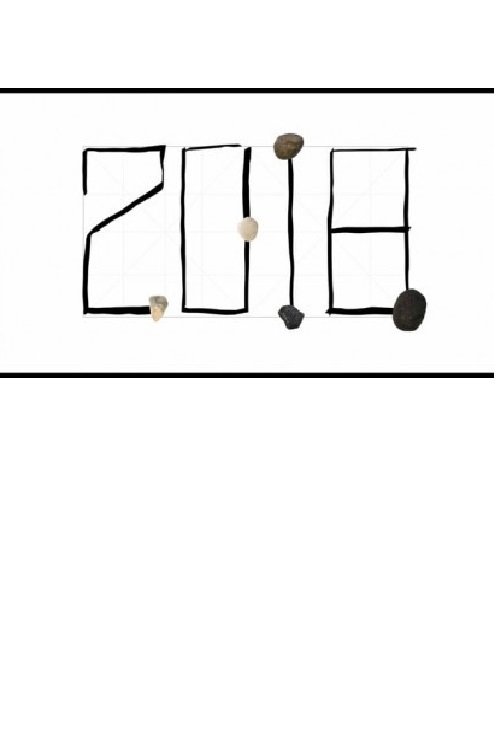
During Latvia’s centennial year, 15 filmmakers created each his own film portrait of a person living in Latvia on the background of centenary events. Documentary 2018 combines these stories into a unique poetic vision based on analogy with the documentary 235 000 000, a classic of the Riga school of poetic documentary cinema. This film is an attempt to make sure whether the codes of the poetic cinema are still relevant and accessible today.
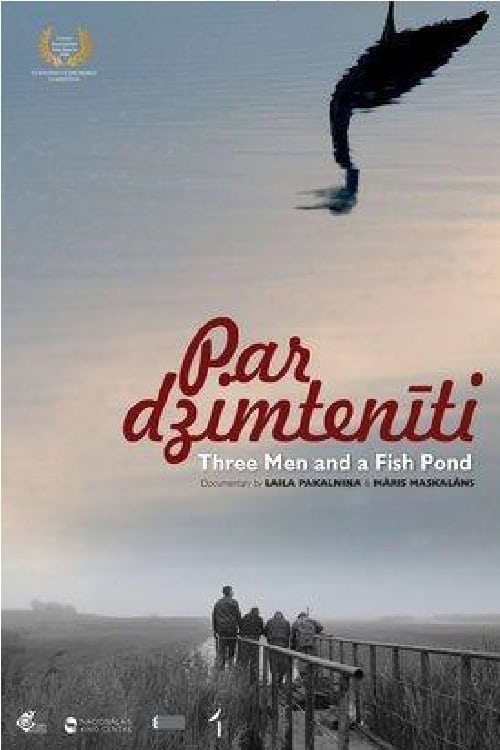
Three elderly country bachelors idle away their time amidst semi-wild nature, closer to birds and pond fish than to humans.
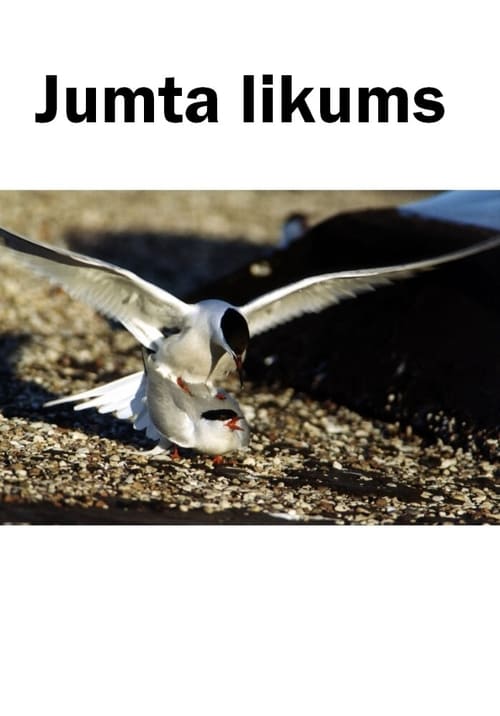
In the early 1980’s two hundred pairs of common terns (Sterna hirundo) were forced to abandon their last natural nesting place on a river island near a major European capital Riga. Looking for a new habitat, the birds chose the flat pebbled roof of a concrete island – a printing house – in the middle of the city. The first generation of birds to grow up on this roof and fly to Southern Africa every winter have covered the distance from the Earth to the Moon. During the film various human attitudes towards the terns will emerge. The attitude of the birds is clear – they view things form above.
An artist, a zoologist, a nature scholar, and a sheep farmer working in the IT sector, who also happens to be an astronomy enthusiast, all view the demise of biological bodies differently. Forest carrion, larvae under tombstones, sheep in the barn, layers of feathers and bones, and shimmering green flies on decaying flesh – amidst all this is a human trying to understand their place in cosmology. In this grand tapestry of transformation, what is the human species: part of a cycle or more akin to superhuman?
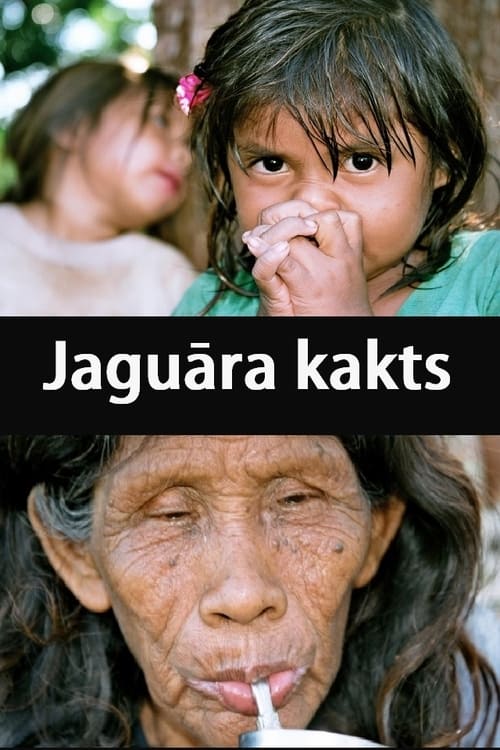
In 1946, a group of Latvian Brazilian Baptist missionaries arrived to Rincon del Tigre (“Jaguar’s Corner”), in the backwoods of Bolivia, to preach God’s word to the Ayoreo Indians. After sixty years of selfless work in a largely hostile environment, something seems to have gone terribly wrong. Habituated to living under the protective wings of the mission, the Ayoreos seem neither to be willing to support themselves and start living on their own, nor able to return to their traditional way of life in the jungle. Dressed in second-hand clothes, they are stranded in the backwoods of Western-style civilization, with no particular way to go.
The film is about crossing a line that leads to becoming part of a group of people labeled as drug addicts. It all starts with seemingly innocent marijuana smoking, with the hope that "nothing will happen to me, I won't get addicted"...
Experts believe that there are ten pairs of European rollers (Coracias garrulus) in Latvia. In 1997, one of these birds was hit by a car. Biologist Edmunds Račinskis is trying to encourage green magpies to nest in Latvia by putting up artificial birdhouses, but people are too busy to pay attention to rare birds and think that the green shrike is a symbol rather than a real bird species.
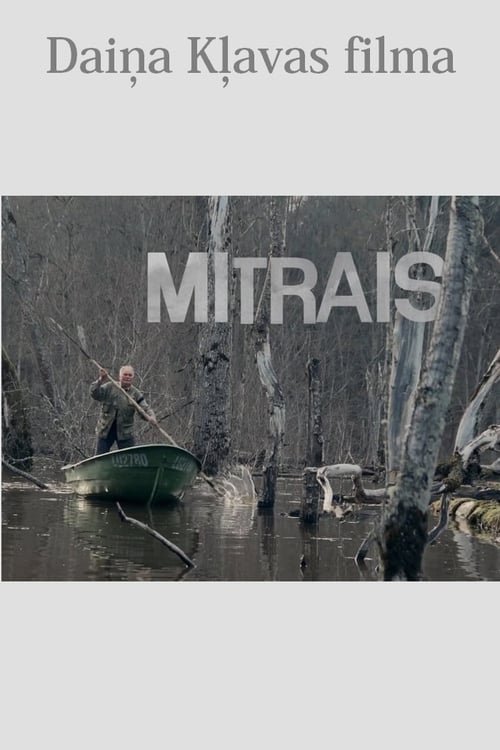
There is a Man, called Mitrais by locals, who is one of the first professional nature inspectors in Latvia. For an older generation people his name is associated with an image of a real ranger, while youngsters who know him highly respect him. Mitrais is sure that among today’s youth there are more idealists than ever before. And they are ready to do something real and tangible, and not surrender to the overwhelming virtual pseudo-reality.
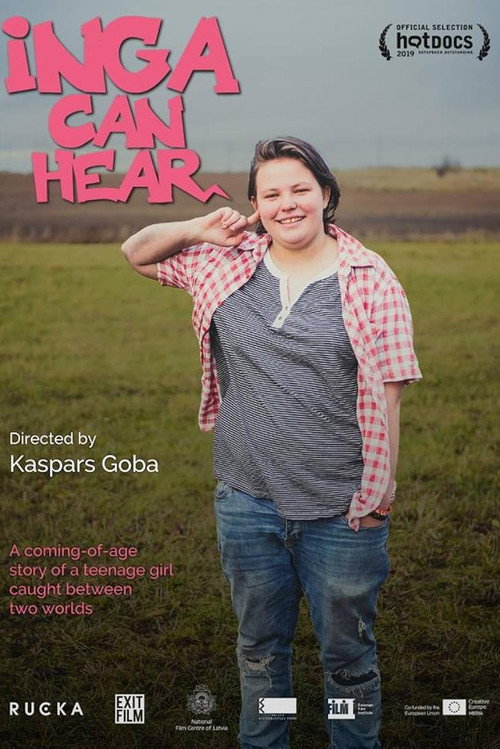
A story about the 15-year old Inga, a girl caught between two worlds. Being the only hearing member of a deaf family residing in the remote Latvian countryside, Inga has been the family’s interpreter in the hearing world since the age of seven. Her role in the family has forced her to grow up very quickly and her personality fluctuates between a responsible young woman and a moody teenager. Inga is about to graduate from middle school and has to make a decision on what to do next. Inga’s head is full of questions. To pursue a career as an actress? To become a firefighter? What will happen to the family, for whom she has sometimes been the only link to the outside world?
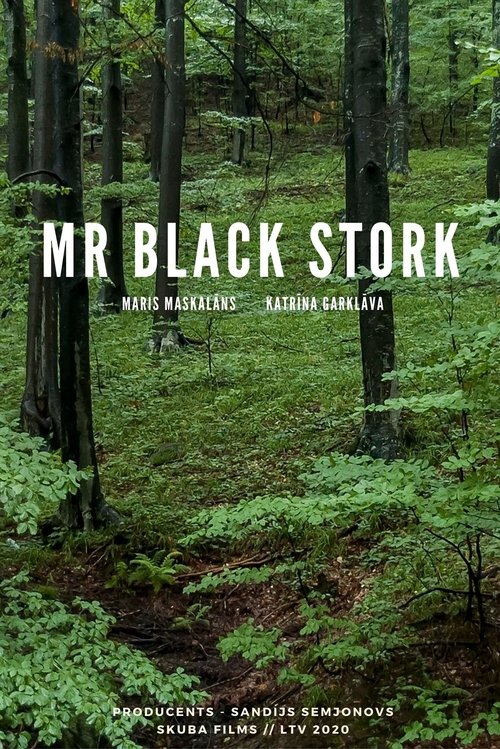
Māris Strazds (also known as "Mr Black Stork") is a man who's been studying black storks and their behaviour for forty years. His love for and relationship with these beautiful birds is longer than the relationship with his wife. Having spent more than half of his life following black storks, Māris is aware that due to deforestation the number of these birds in Latvia is rapidly approaching zero.
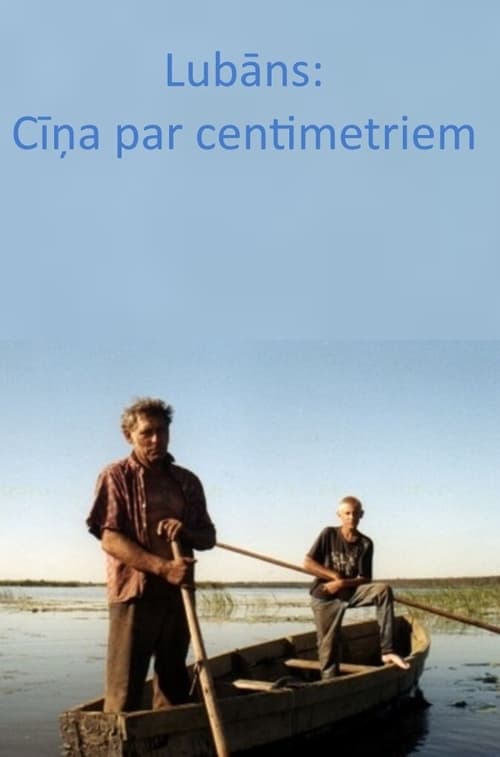
Every spring the surroundings of the Lake Lubāns, the largest lake in Latvia, are in flood. The efforts to prevent the floods have been going on since the middle of the 19th century. Today the lake, encircled by dikes, no longer threatens the surrounding homesteads but the seeming safety has been bought for a very high price – destruction of the natural balance. Can the damage be remedied? Two Latvians will travel to the wetlands of Japan in search for a possible solution.
No description available.
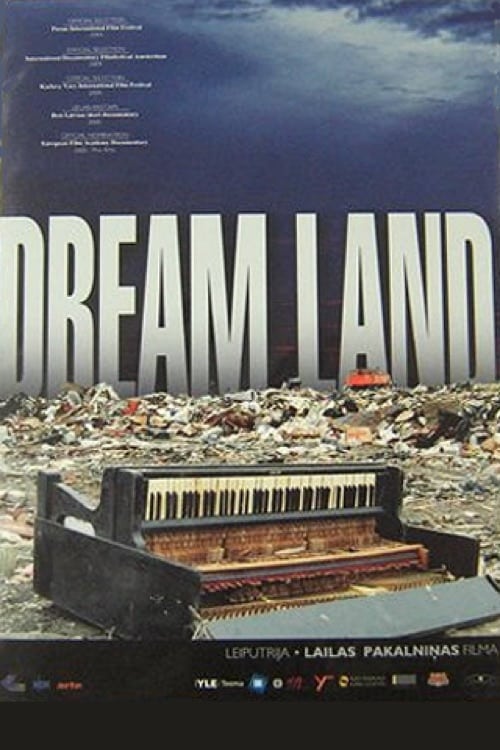
There are places that we don’t want to know anything about, places that we would rather pretend don’t exist at all. One such place is a dumpsite. From the humans’ point of view, it is a ghastly place, a stinking desert of trash. But it’s a desert that is teaming with life.