Danae-Despo Maroulakou
Editing
Known For
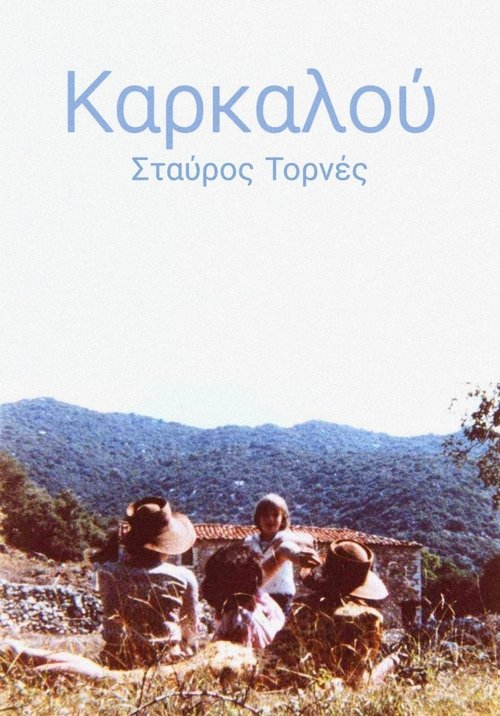
An old man, cut off from his future and his past, brings a young taxi driver into his game. The two meet Karkalou, a crazy prostitute, whom the former once loved madly and the latter will soon love.
Karkalou
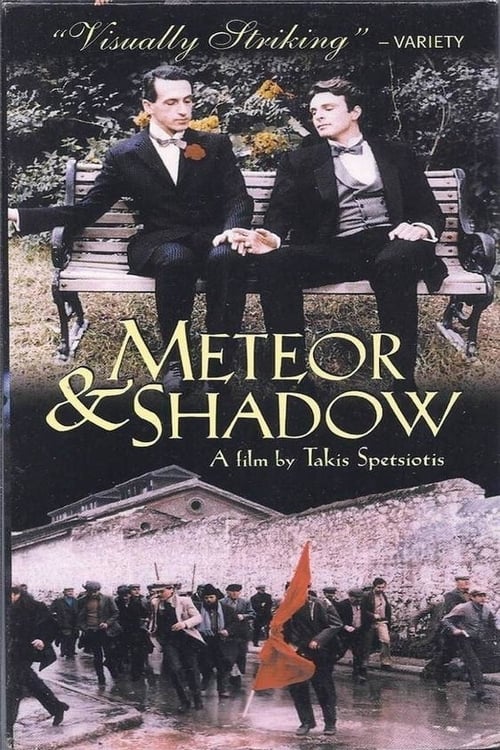
A biopic about the rise and fall of one of Greece's most esteemed poets, Napoleon Lapathiotis.
Meteor and Shadow
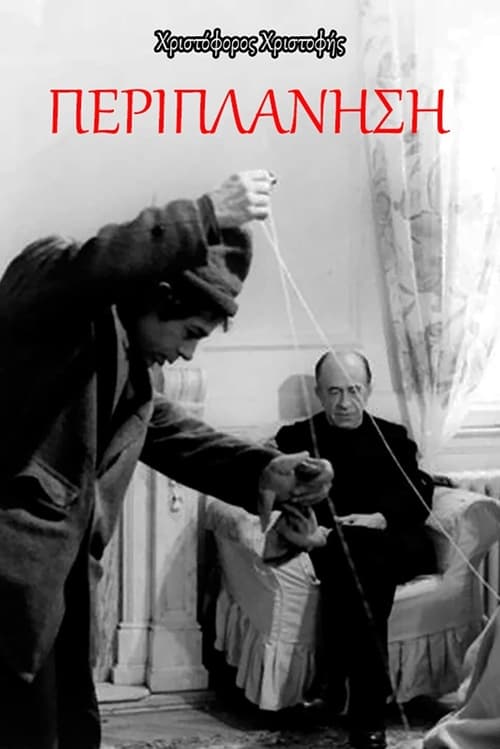
A lawyer, offspring of a bourgeois family of Greek-Egyptians, tries to find the traces of a relative of his. Through a rich tapestry of characters, Christofis creates an ode to the Hellenic Diaspora.
Wandering
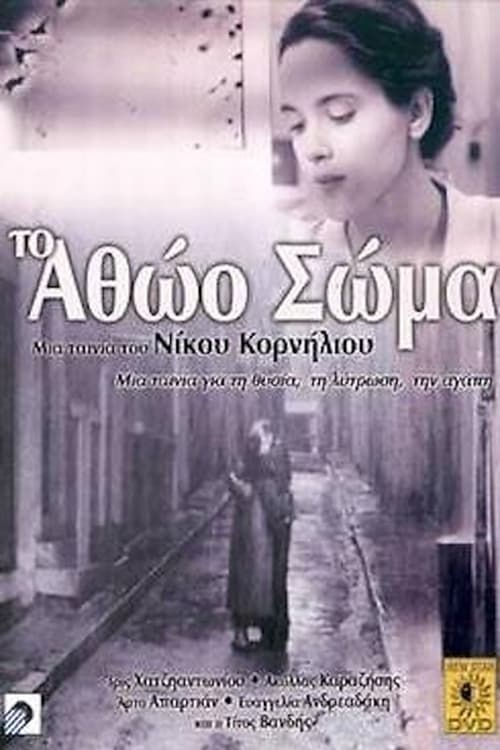
In a near-future deserted city without food or water, the few remaining inhabitants cling to memory, hope, and the anticipation of deliverance. Foteini, a lonely scientist, is drawn to an actor named Aias, who is visiting his sister in the hospital. Simultaneously, Foteini is treating an amnesiac patient, and her growing bond with him uncovers a mysterious and personal connection.
Desert Sky
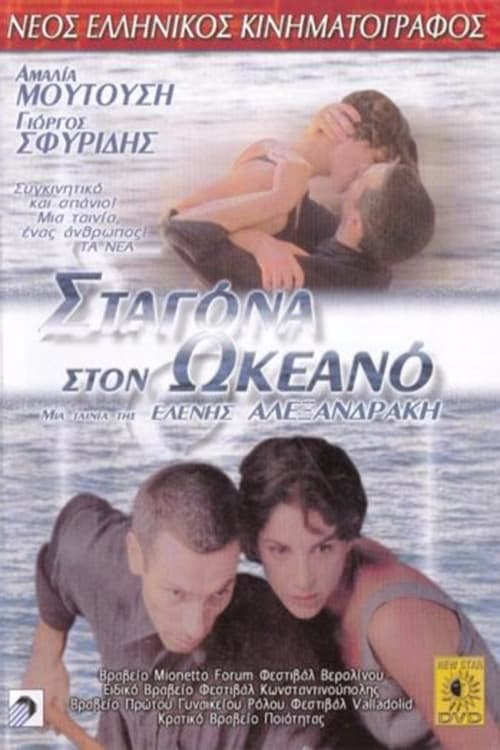
Explores gender equality and how it affects relationships and love in the 1990s. Plot concerns Anna, an actress who is performing in a play about a woman artist who had to dress as a man order to attend lectures forbidden to women, and her brief affair with Andreas, a drop-out working as a bar waiter.
A Drop in the Ocean
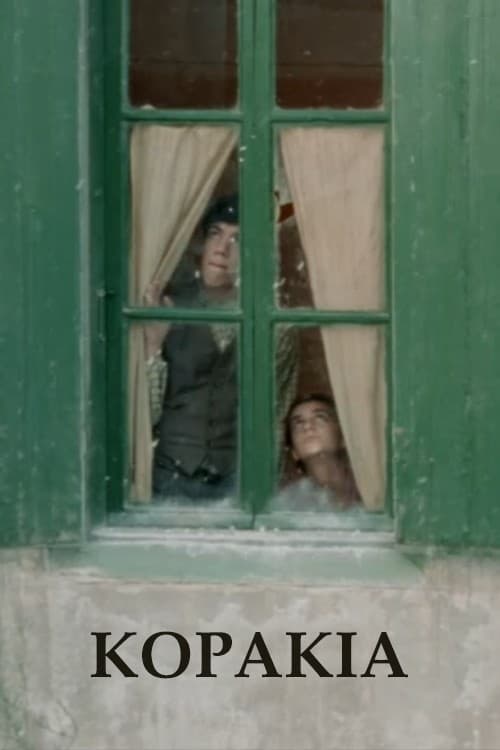
The industrial shares that Argyris Zomas bought lose their value, leading him to financial disaster. Desperate to feed his family, he will be appointed as an undertaker.
Crows
The history of the ancient neighborhood of Colonus in Athens, by a novelist and script writer who lives in modern-day Kolonos.
At Colonus
References to great Renaissance painters, to figures who defined the 20th century (Samuel Beckett, Man Ray, Luis Buñuel, Sergei Eisenstein) and to architectural models (Hadrian's Villa, Villa d'Este, the Capitol, the Vatican, the E.U.R. district) form a set of "sibylline sayings" in the film through the use of double images. A discourse that is unpredictable, internal, mystical, and above all silent, which predicts the end of innocence (Part I), of enigmatic and irrational love (Part II), of death (Part III), and of despair (Part IV). And with the masses now being dissolved by the violence of power, which leads the individual to isolation or madness. And in the end, the silent, desperate song of Sibyl, in the shadow of the buildings of the fascist period, signals her return as a prediction.
Sibyls
The theme of violence transforms the natural face into something fluid. It refers to the portraits of Francis Bacon. Pain is ultimately altered. Death has been established, and the dead animals—even though they continue to fly—belong to an image that is "frozen" and ultimately serene.
Philoktetes – The Wound
The film is a collage of computer-generated works that reproduce erotic designs from classical antiquity to contemporary photographs and live footage. Through different filming techniques, a unique construction emerges, where the aesthetics of modern technology do not prevail, but rather a very personal perspective is discernible. The subject of the film refers to the diptych "Love-Death" – a theme familiar in the art world. Still lifes refer to painters such as Morandi, Caravaggio, or Lopez. The acceptance of ancient and contemporary heritage works in tandem with its rejection, as it is deconstructed through the destruction of materials and images.