Acting
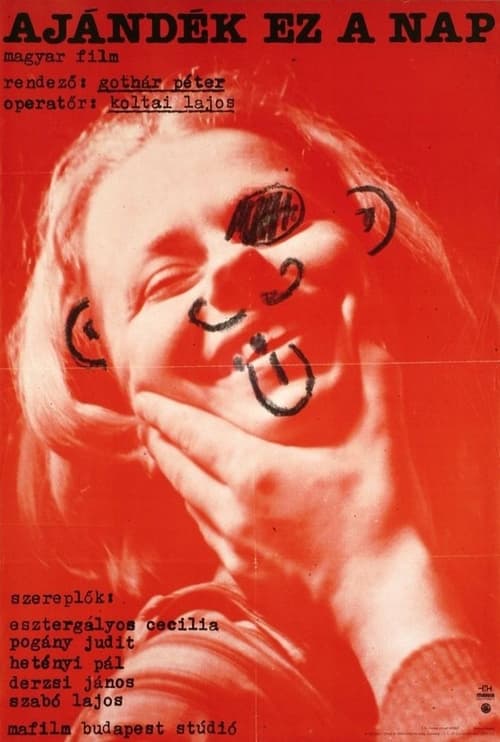
Irén and Attila, a not-so-young couple, are in love. All they want is a flat of their own where they could live together. Unfortunately, Hungary in the 70s is no place for dreams.
Jutka, a young woman who works in a factory, falls in love with Andras, a university student. She pretends to be a student, to him and to his parents, and begins to live a lie. Finally she rebels against Andras and his demands and the social conventions that forced her to live a lie.
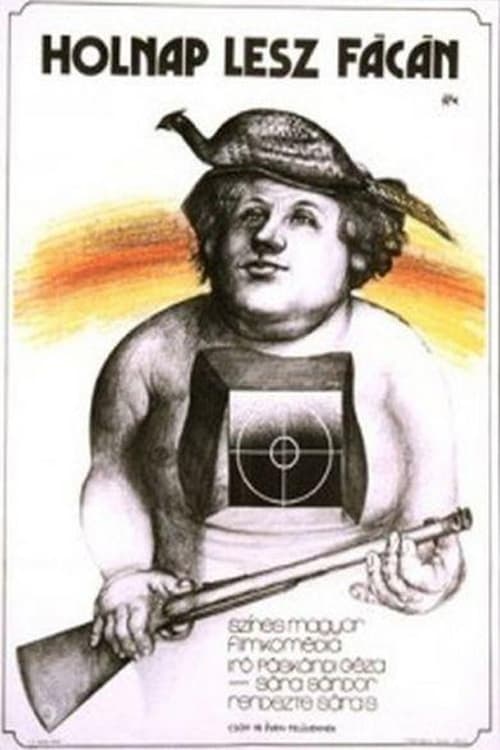
The loving couple of this grotesque parable parody of the Kádár-regime, Mária and István row to an uninhabited, idyllic island. Soon crazy tent-pitchers swarm to the island, led by an official representative of the regime.
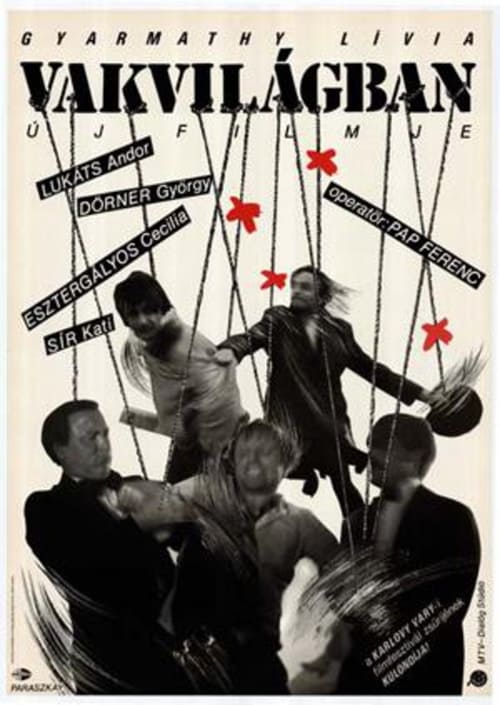
Blind luck ties the fate of two people together.
A Roma laborer living in a shantytown strives to organize a traditional, dignified funeral for his wife following her sudden death. He travels to the city to secure the necessary funds and arrangements, navigating various bureaucratic and social obstacles along the way.
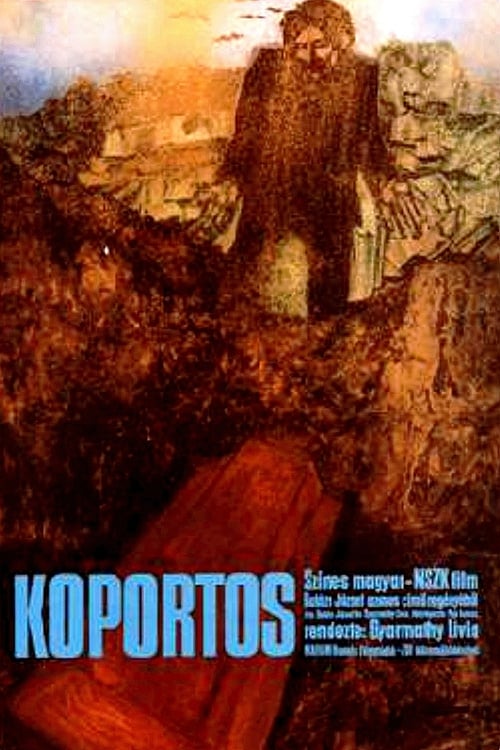
More than a storyline with a beginning, middle, and end, this tale of a foundry worker who engages a woman -- and fellow worker -- to do housekeeping for him is a tale that holds up the Hungarian social system against the morality of an exploitative male-female relationship. After his wife dies, the rough-cut and intentionally nameless "man" (Jozsef Madaras) eventually coerces the "woman" (Julianna Nyako) into doing his housework for a small remuneration. Everything goes along passably well for awhile, until the man adds in more household responsibility in the form of chickens to raise. Due to extra work at the factory, the woman cannot tend to the chickens as she should and the result is that some of them die. The man is furious, verbally abuses her, and then rapes her. Later, the woman discovers she is pregnant, with dire consequences.
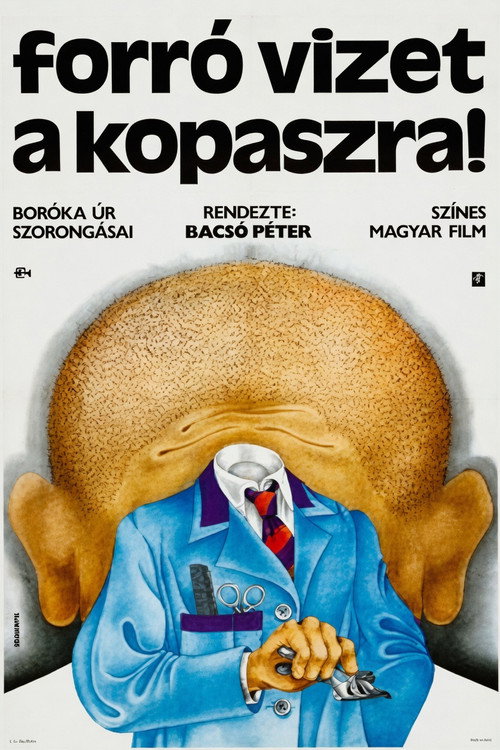
In this naturalistic satire enriched with burlesque, Boróka, the haircutting artist once cuts a hair so, that the customer has to be shaved bald. Sajtár Dezső wants to kill the barber, who feels to be a victim himself immediately. In his anguish he mixes up his apartment, his wife and everything in the uniform world of the block of flats and like a maniac, tries to find after his pursuer. They find each other at a neurological clinic.
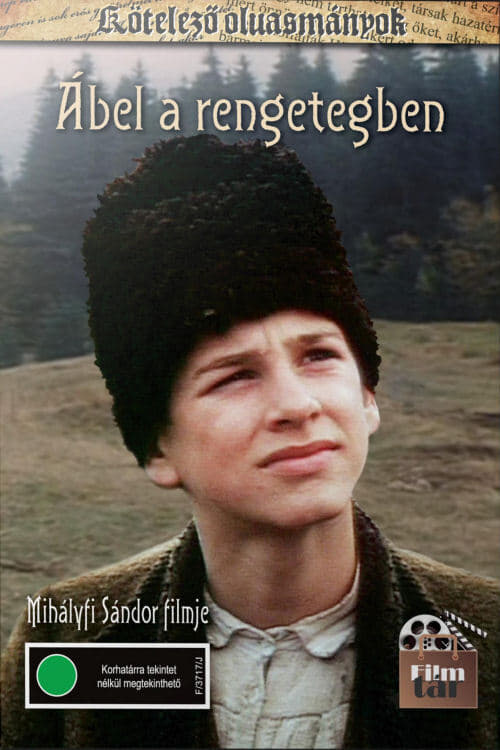
The film is set in Transylvania in the 1920s, a region that was then part of Romania under the peace treaties following the First World War. The protagonist, Abel, is a resourceful teenage boy who is forced to leave his parents and his home because of poverty. His father accompanies him to the snowy mountains, where he is the guardian of a forest owned by the bank of a neighbouring town, where he oversees the firewood that is being harvested. Up there, he has only himself to rely on. Áron Tamási's beautiful story is about the relationship between man and nature, man and man.
Hungarian-born Laszlo Szabo returned to his native country to play the part of Dibusz in this comedy. When the residents of a large old house learn that it is to be torn down and that they will be relocated elsewhere, an intense game gets underway. As is usual in such instances, the residents will be given new apartments commensurate in size with their old ones. Dibusz sees this as an opportunity to temporarily enlarge his "assigned" space in the condemned building. He wants to be reassigned to an apartment which is larger than his current bathless one-room space. He and a neighbor cooperate to break down the walls that separate their spaces from that of an old woman who just died after a brief tussle. Still not satisfied, he tries to marry one of two spinster women who live together but is rejected. In the course of the film, he has intense encounters of one sort or another with anyone who might be of help to him in his quest.
The film condenses the awkwardness of country and functionary existence, consumer thinking based on paternalistic relationships into the sequence of events of 20 August, the feast of the Hungarian new loaf with sentimental irony and documentary credibility. A railwayman's family on the Balaton highlands expects the Budapest relative with his functionary boss and family.