Production
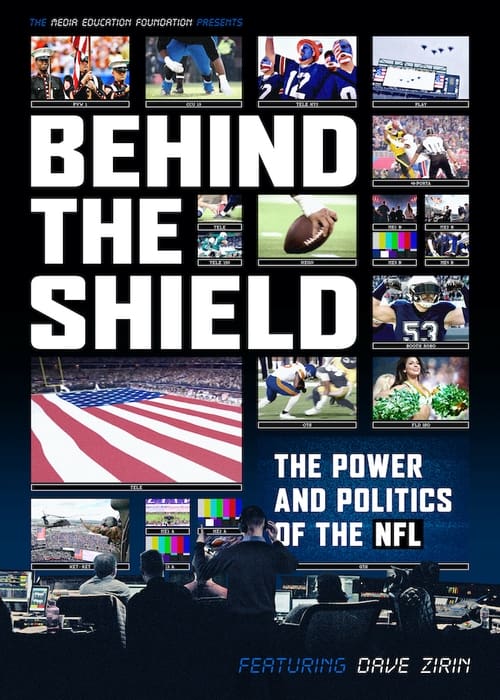
Celebrated author and Nation magazine sports editor Dave Zirin tackles the myth that the NFL was somehow free of politics before Colin Kaepernick and other Black NFL players took a knee.
Over the past few years, Israel's ongoing military occupation of Palestinian territory and repeated invasions of the Gaza strip have triggered a fierce backlash against Israeli policies virtually everywhere in the world—except the United States. This documentary takes an eye-opening look at this critical exception, zeroing in on pro-Israel public relations efforts within the U.S.
In this powerful new film based on his bestselling book, sociologist Michael Kimmel maps the troubling social world where boys become men -- a new stage of development he calls "Guyland." Arguing that the traditional adult signposts and cultural signals that once helped boys navigate their way to manhood are no longer clear, Kimmel provides an astonishing glimpse into a world where more and more young men are trying desperately to prove their masculinity to other young men -- with frequently disastrous consequences for young women and other young men. Guyland offers a way for all of us -- parents, young men and women, community members, and professors and administrators -- to envision new ways to support young men as they navigate this often perilous world.
Arguing that advertising not only sells things, but also ideas about the world, media scholar Sut Jhally offers a blistering analysis of commercial culture's inability to let go of reactionary gender representations. Jhally's starting point is the breakthrough work of the late sociologist Erving Goffman, whose 1959 book The Presentation of the Self in Everyday Life prefigured the growing field of performance studies. Jhally applies Goffman's analysis of the body in print advertising to hundreds of print ads today, uncovering an astonishing pattern of regressive and destructive gender codes. By looking beyond advertising as a medium that simply sells products, and beyond analyses of gender that tend to focus on either biology or objectification, The Codes of Gender offers important insights into the social construction of masculinity and femininity, the relationship between gender and power, and the everyday performance of cultural norms.
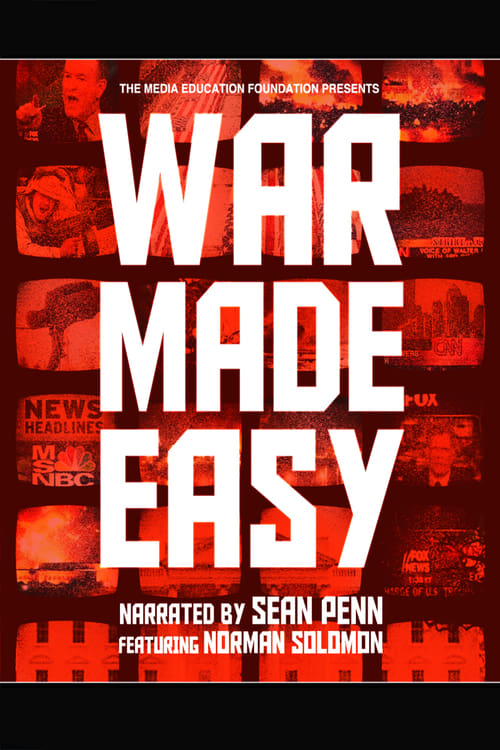
War Made Easy reaches into the Orwellian memory hole to expose a 50-year pattern of government deception and media spin that has dragged the United States into one war after another from Vietnam to Iraq. revealing in stunning detail how the American news media have uncritically disseminated the pro-war messages of successive presidential administrations.
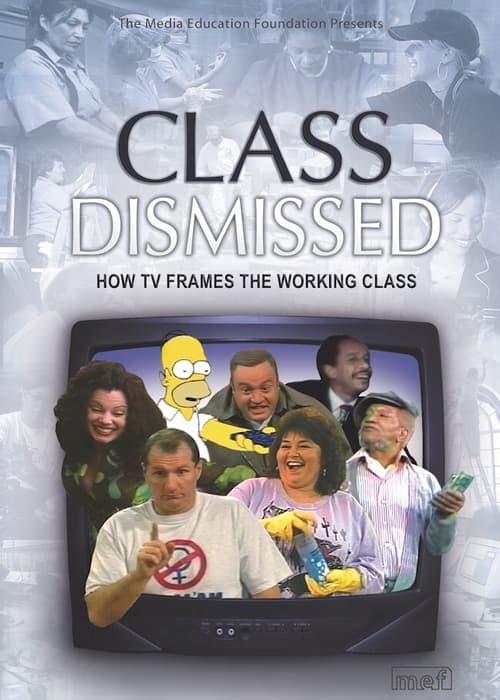
Based on the forthcoming book by Pepi Leistyna, Class Dismissed navigates the steady stream of narrow working class representations from American television's beginnings to today's sitcoms, reality shows, police dramas, and daytime talk shows.
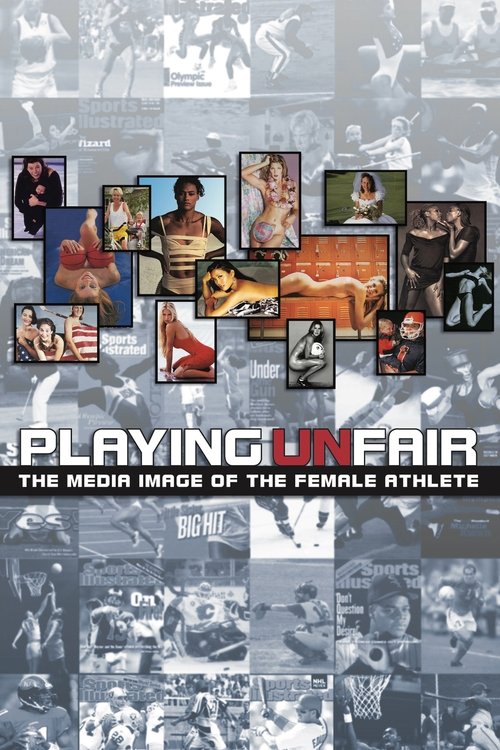
Sports media scholars look at the persistence of heterosexism and homophobia in perpetuating gender stereotypes. They argue for new media images which fairly and accurately depict the strength and competence of female athletes.
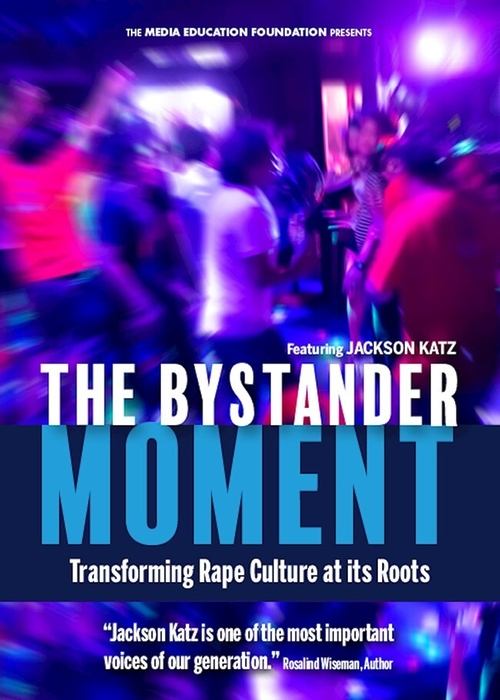
The #MeToo movement has shined much-needed light on the pervasiveness of sexual harassment and abuse and created unprecedented demand for gender violence prevention models that actually work. THE BYSTANDER MOMENT tells the story of one of the most prominent and proven of these models - the innovative bystander approach developed by pioneering scholar and activist Jackson Katz and his colleagues at Northeastern University's Center for the Study of Sport in Society in the 1990s.
Big Bucks, Big Pharma pulls back the curtain on the multi-billion dollar pharmaceutical industry to expose the insidious ways that illness is used, manipulated, and in some instances created, for capital gain. Focusing on the industry's marketing practices, media scholars and health professionals help viewers understand the ways in which direct-to-consumer (DTC) pharmaceutical advertising glamorizes and normalizes the use of prescription medication, and works in tandem with promotion to doctors. Combined, these industry practices shape how both patients and doctors understand and relate to disease and treatment. Ultimately, Big Bucks, Big Pharma challenges us to ask important questions about the consequences of relying on a for-profit industry for our health and well-being.
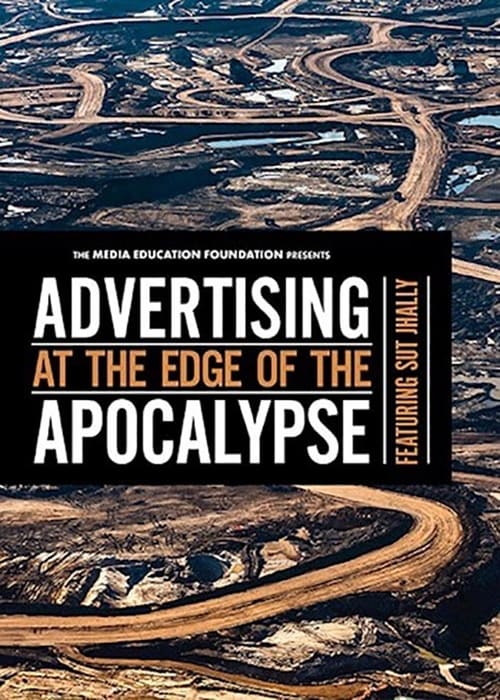
In this highly anticipated sequel to his groundbreaking, ADVERTISING AND THE END OF THE WORLD, media scholar Sut Jhally explores the devastating personal and environmental fallout from advertising, commercial culture, and rampant American consumerism. Ranging from the emergence of the modern advertising industry in the early 20th century to the full-scale commercialization of the culture today, Jhally identifies one consistent message running throughout all of advertising: the idea that corporate brands and consumer goods are the keys to human happiness. He then shows how this powerful narrative, backed by billions of dollars a year and propagated by the best creative minds, has blinded us to the catastrophic costs of ever-accelerating rates of consumption.
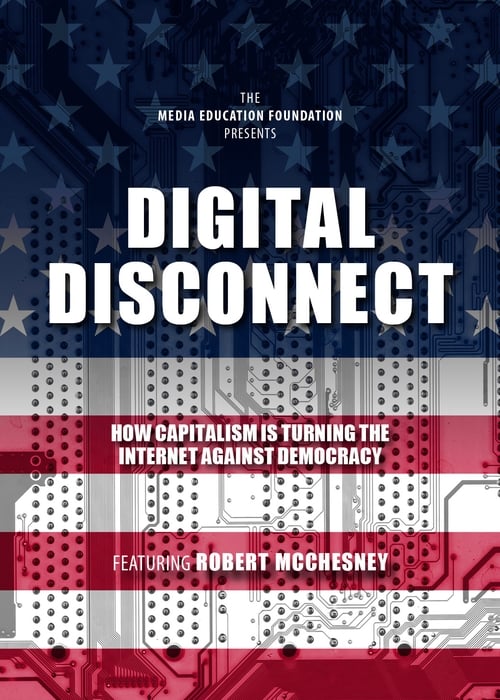
In this era of Facebook privacy breaches, "fake news" and filter bubbles, this essential film trains its sights on the relationship between the internet and democracy. Tracing the internet's history as a publicly funded government project in the 1960s to its full-scale commercialization today, the film traces how the revolutionary, democratizing potential of the internet has been radically compromised by the growing and unaccountable power of a handful of telecom and tech monopolies.
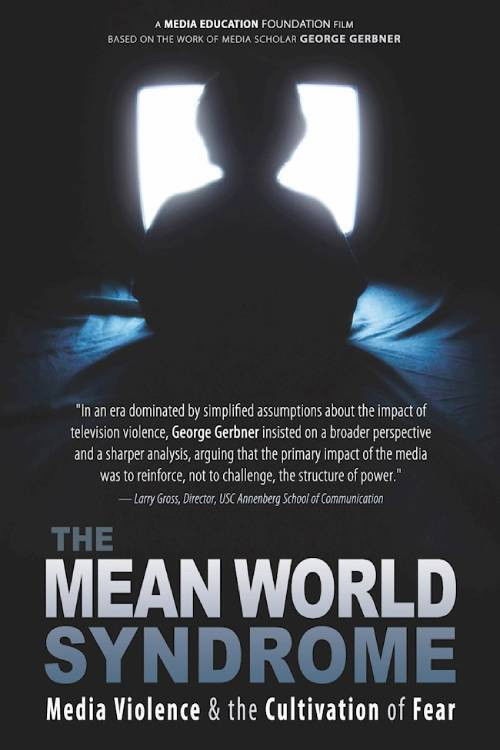
For years, debates have raged among scholars, politicians, and concerned parents about the effects of media violence on viewers. Too often these debates have fallen into simplistic battles between those who claim that media images directly cause violence and those who argue that activists exaggerate the impact of media exposure. Based on interviews conducted with George Gerbner before his death in 2005, the film urges us to think about media effects in more nuanced ways. In contrast to behaviorist models that see media violence as causing real-world violence, and limited effects models that question the impact of media altogether, Gerbner encourages us to move outside the frame of this debate to consider how the repetitive stories media tell constitute a pervasive cultural environment - a landscape of ritualized, often violent images that have the power to cultivate how we see and understand the world.
Robert McChesney lays the blame for the US's current state of affairs squarely at the doors of the corporate boardrooms of big media, which far from delivering on their promises of more choice and more diversity, have organized a system characterized by a lack of competition, homogenization of opinion and formulaic programming.
For years, right-wing politicians and pundits have repeatedly criticized the left for playing “the race card” and “the woman card.” This new film turns the tables and takes dead aim at the right’s own longstanding – but rarely discussed – deployment of white-male identity politics in American presidential elections. Ranging from Richard Nixon’s tough-talking, law-and-order campaign in 1968 to Donald Trump’s hyper-macho revival of the same fear-based appeals in 2020, "The Man Card" shows how the right has mobilized dominant ideas about manhood and enacted a deliberate strategy to frame Democrats and liberals as soft, brand the Republican Party as the party of “real men,” and position conservatives as defenders of white male power and authority in the face of transformative demographic change and ongoing struggles for racial, gender, and sexual equality.