Acting
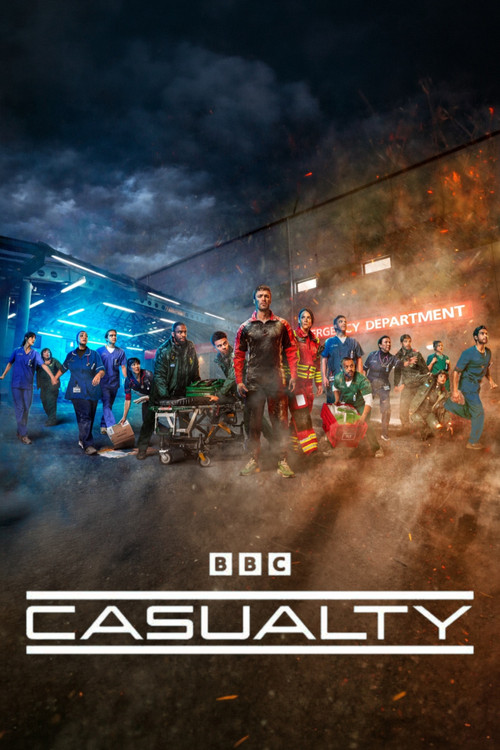
Drama series about the staff and patients at Holby City Hospital's emergency department, charting the ups and downs in their personal and professional lives.
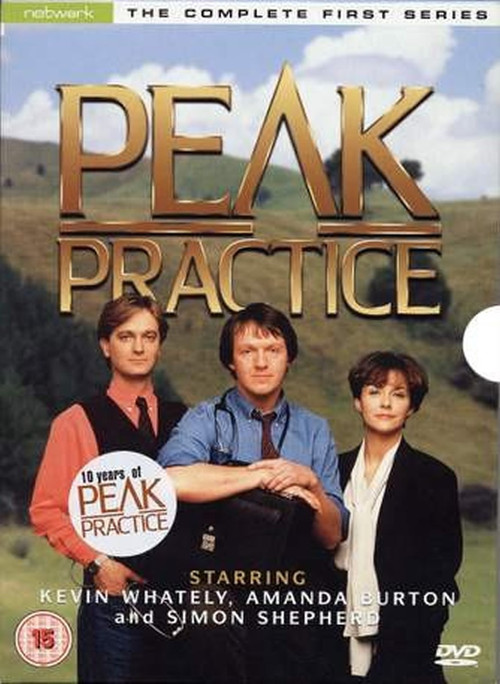
Peak Practice is a British drama series about a GP surgery in Cardale — a small fictional town in the Derbyshire Peak District — and the doctors who worked there. It ran on ITV from 10 May 1993 to 30 January 2002 and was one of their most successful series at the time. It originally starred Kevin Whately as Dr Jack Kerruish, Amanda Burton as Dr Beth Glover and Simon Shepherd as Dr Will Preston, though the roster of doctors would change many times over the course of the series. Cardale was based on the Staffordshire village of Longnor for the final series, but was previously based in the Derbyshire village of Crich, although certain scenes were filmed at other nearby Derbyshire towns and villages, most notably Matlock, Belper and Ashover.
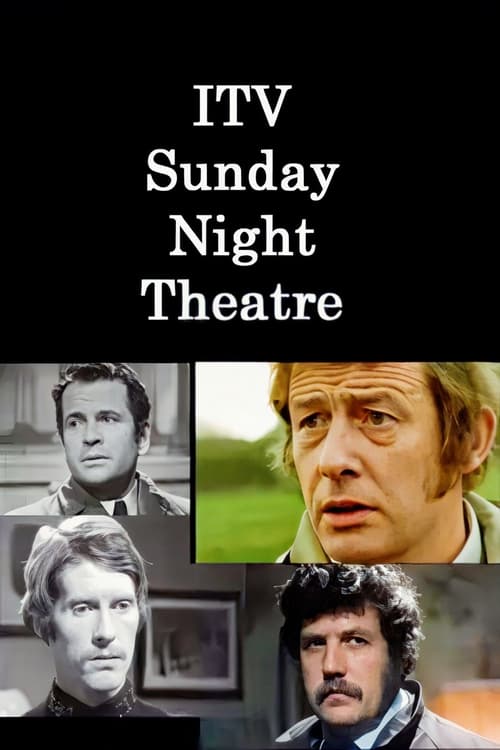
Anthology series of dramatic works.
Theatre 625 is a British television drama anthology series, produced by the BBC and transmitted on BBC2 from 1964 to 1968. It was one of the first regular programmes in the line-up of the channel, and the title referred to its production and transmission being in the higher-definition 625-line format, which only BBC2 used at the time.
Devised and written by Lynda La Plante as a follow-on from her successful television series Prime Suspect, this vast police procedural follows police detectives in England as they investigate crimes and the trials that come about as a result.
A crazy comedy about three rather strange parish priests exiled to Craggy Island, a remote island off the Irish west coast.
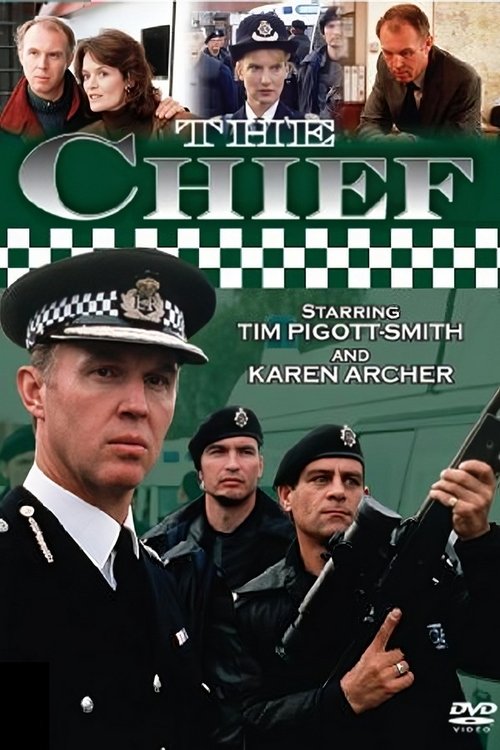
The Chief is a British crime drama transmitted on ITV from 20 April 1990 to 16 June 1995. Produced by Anglia Television, it centred on the politics at the top of a typical English police force in its continual battle to solve the problems the times, in this case the fictional Eastland of East Anglia.
London itself takes the starring role in this series of plays from the BBC – a role which varies between hero and villain, enchantress and harpy. The series features extensive location filming, ranging from Soho to the Law Courts, Wembley to the docks. Of the twelve episodes, eleven are believed to be lost.
An anthology of single plays offering up adaptations of either of prominent stage plays or novels.
A strand of annual British short television adaptations of classic ghost stories, referencing the oral tradition of telling supernatural tales at Christmas. First broadcast on BBC One from 1971 to 1978, and revived in 2005 on BBC Four.
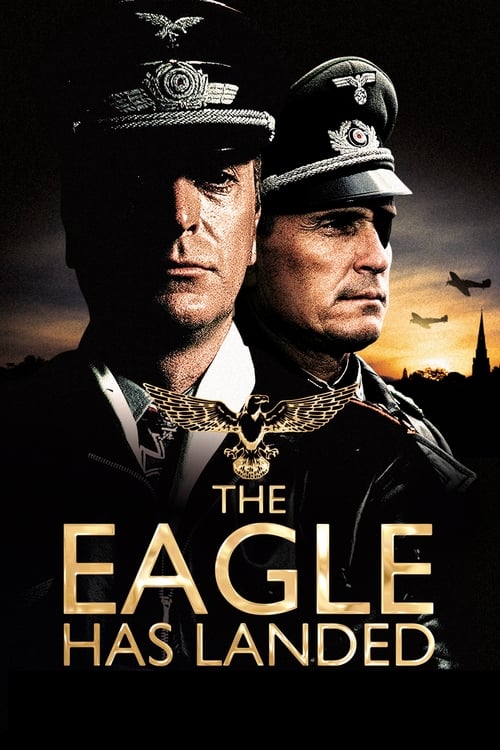
When the Nazi high command learns in late 1943 that Winston Churchill will be spending time at a country estate in Norfolk, it hatches an audacious scheme to kidnap the prime minister and spirit him to Germany for enforced negotiations with Hitler.
In 1940, the Royal Air Force fights a desperate battle against the might of the Luftwaffe for control of the skies over Britain, thus preventing an attempted Nazi invasion.
Series of plays based on Irish short stories.
Anthology of plays showing the world as children see it.
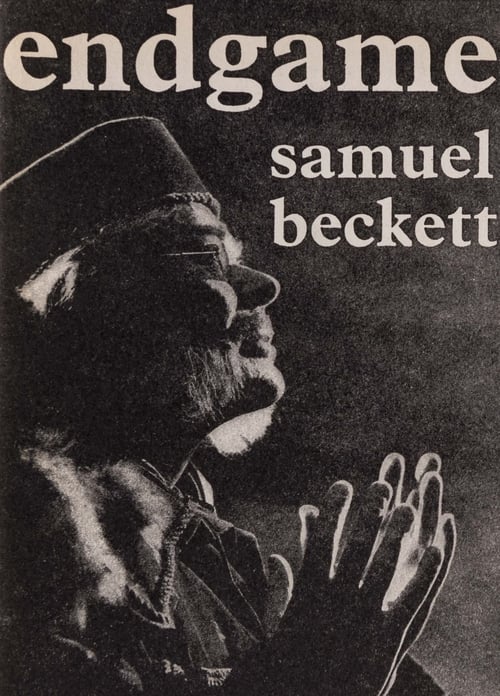
A performance of Samuel Beckett's 'Endgame', a play in which nothing happens, once - unlike Beckett's first play 'Waiting for Godot' in which nothing happens twice. It is not a play about chess, in any explicit sense, but it does feature a lovable if curmudgeonly old man in a dustbin. Generally accepted to be Beckett's bleakest play - indeed after it's 1957 English debut at the Royal Court, the TLS's Olivier Todd quipped that it made Waiting for Godot look like "a cheerful operetta". However, Beckett himself described it as "the favourite of my plays." Although the programme was not broadcast until 1991 it was recorded in 1989 prior to Beckett's death and had his blessing. This production is particularly notable as it is first full-length television performance of the play.
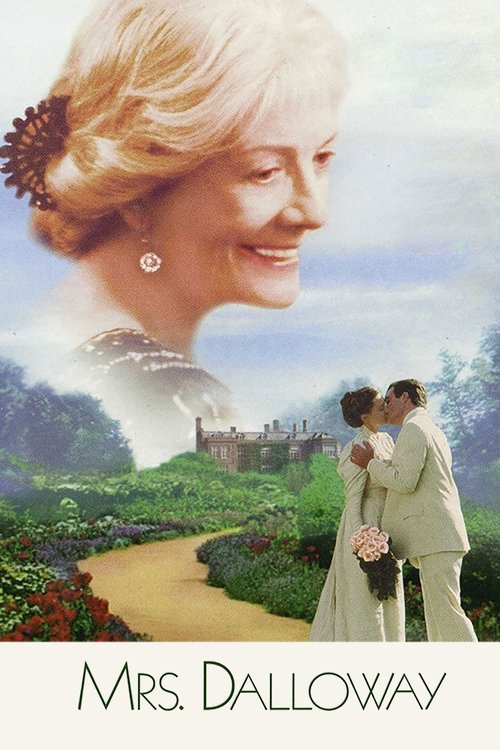
Clarissa Dalloway looks back on her youth as she readies for a gathering at her house. The wife of a legislator and a doyenne of London's upper-crust party scene, Clarissa finds that the plight of ailing war veteran Septimus Warren Smith reminds her of a past romance with Peter Walsh. In flashbacks, young Clarissa explores her possibilities with Peter.
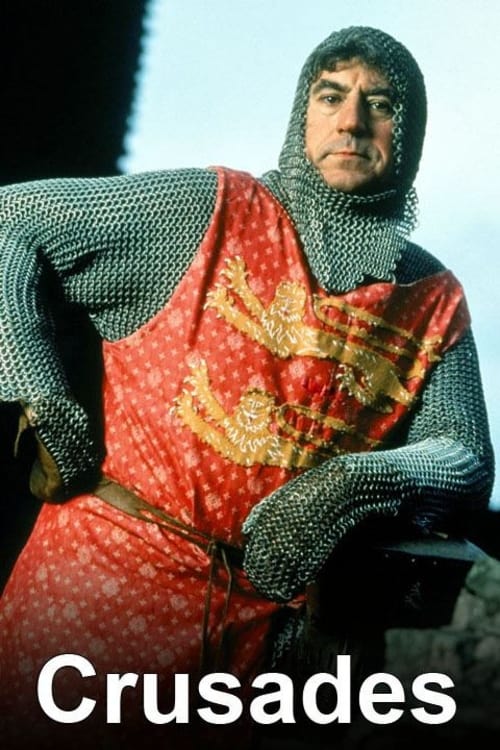
Terry Jones explores the history of the Crusades.
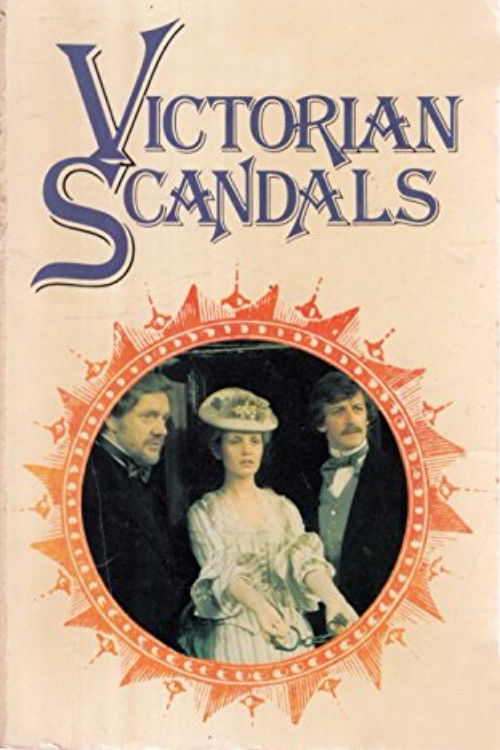
Featuring dramatised versions of true stories that shocked mainstream Victorian society.
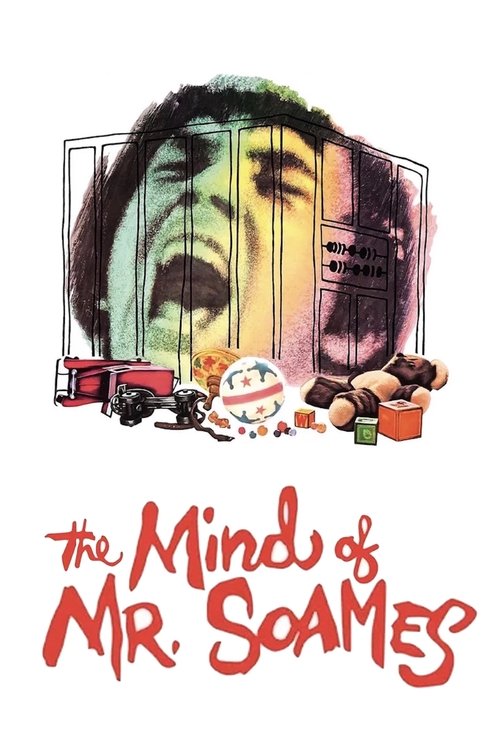
A 30-year-old man, who has been in a coma since birth, is finally restored to consciousness by a breakthrough brain operation. Although physically an adult, the man is "reborn" in the eye of an infant; the doctors caring for him must teach him to walk, talk and prepare for life in the outside world. Tension builds as he escapes from the hospital, wanders among people who do not realize his identity, and is hunted by the police.
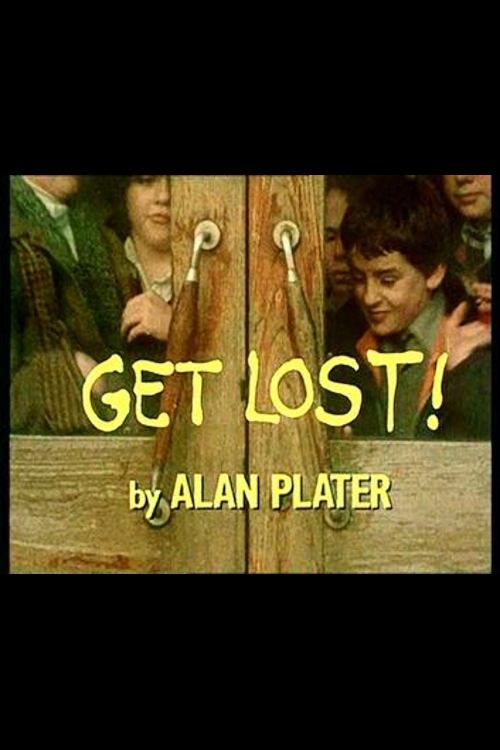
Get Lost! is a 1981 British television drama serial produced by Yorkshire Television for ITV. Written by Alan Plater, the plot concerns the disappearance of the husband of Leeds schoolteacher Judy Threadgold. Investigating the disappearance, with the aid of her colleague, woodwork teacher Neville Keaton, Judy learns of a secret organisation that helps disaffected people leave their unhappy lives behind.