Directing
No description available.
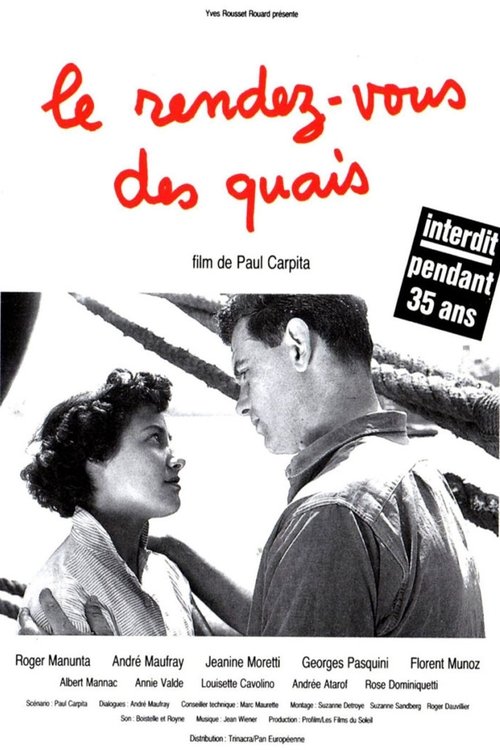
Rendez-vous of the Docks reconstituted the mythic docks' refusing to load arms for Indochina War in the Marseilles's port. This film captivates by his realistic force. Shot clandestinely using non-professional actors in natural locations, with the camera on his shoulder, Carpita anticipated "la Nouvelle Vague." He is considered the one of the unique French neorealist in film history, the missing link between Jean Renoir’s Toni and Jean-Luc Godard’s Breathless. At the premiere of Rendez-vous of the Docks, cops interrupted the screening and brought the film back to the police station. This film is the longest censored film of the history of French cinema. For 35 years, Paul Carpita thought his film had been destroyed by censorship.
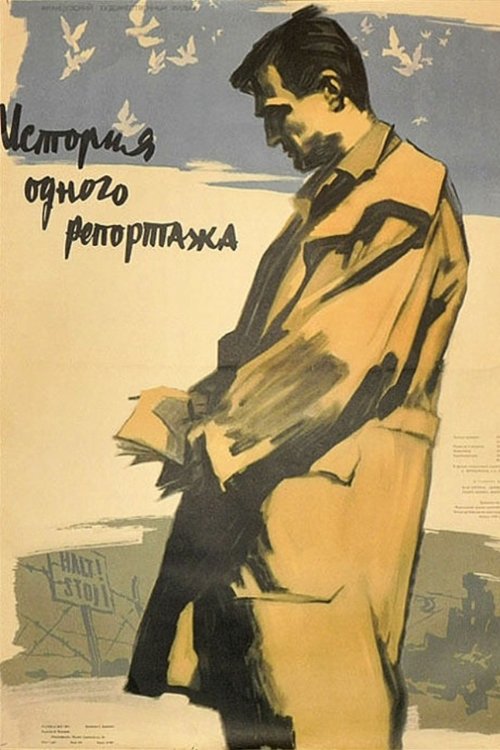
Jacques, a young reporter, is in charge of covering the International Youth Meeting in Warsaw. He falls in love with a young participant, Mireille, who returns his love. The joy of the lovebirds is on a par with the general glee. But during a walk, they discover the ruins of the ghetto where so many victims of Nazism died. On a more intimate level, a serious problem of conscience arises for Jacques.
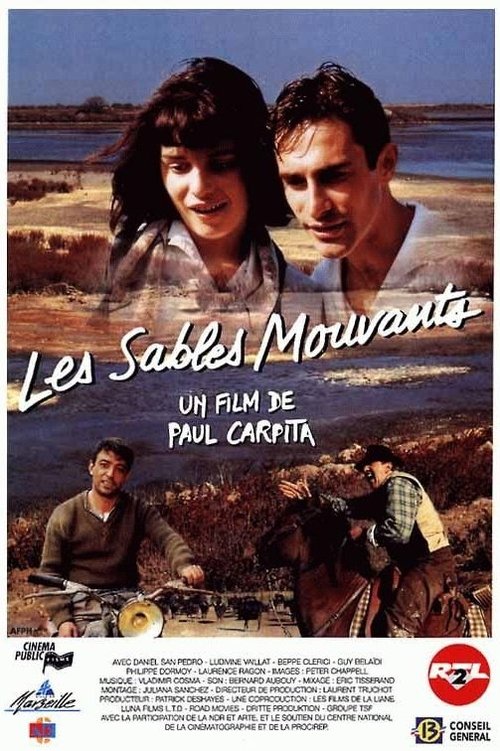
Set in France's Carmargue area during the late 1950s, this provocative, powerful drama chronicles the labor dispute between an exploitative farmer and his newest worker, a Spanish emigrant who turns about to much more than he first appears. Manuel comes to Roger's spread in 1958 to plead for employment. Roger is impressed by the well-spoken, seemingly well-educated Manuel, who is also an excellent mechanic and gives him work and a cabin that he will share with the naïve Mouloud. Manuel turns out to be a man with a secret and when Roger learns of it, he attempts to blackmail Manuel, who in turn learns a few of Roger's secrets thereby creating a stalemate that ends tragically after the arrival of Manuel's old-time friend Antonio, who starts a fracas by leading a strike against Roger. The title refers to the deadly sand traps found within the surrounding marshes. They have already claimed the lives of two people before the story began and by its end, the traps will claim more lives.
Alain is a young student who is misunderstood and rejected by his colleagues. To forget it, he skips school and enjoys a day of freedom on the port of Marseilles, discovering cruise vessels in dry dock and the work of fishermen.
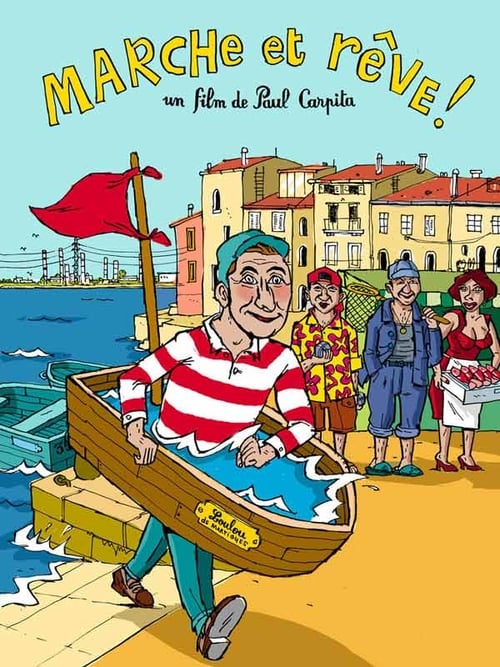
Returning to his beloved native Marseille, Carpita focuses on three unemployed dockworkers who try to earn their keep by selling seafood.