Directing
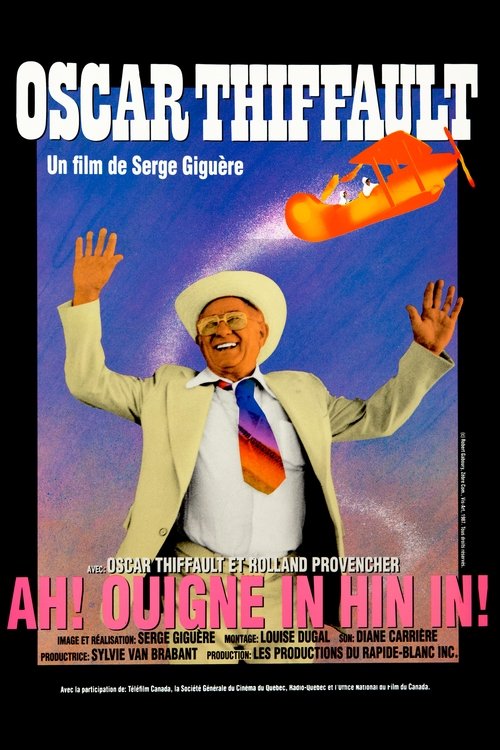
A documentary about the folk country musician Oscar Thiffault, the famous songwriter of Le Rapide blanc.
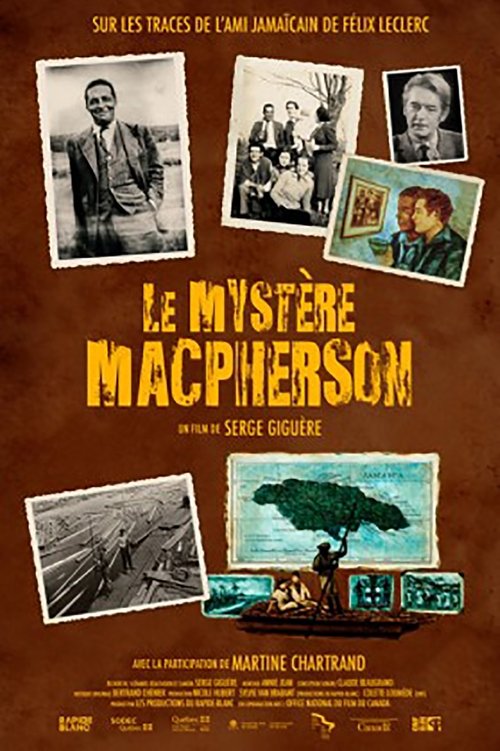
Years after first being inspired by a Félix Leclerc song, Martine Chartrand directed the film MACPHERSON. Ten years in the making, it features animated painting on glass and draws on her extensive research on the title character. Filmmaker Serge Giguère was there from the start, carefully and sympathetically chronicling this exceptional creative process.
MAURICE reveals the famous #9 of the Montreal Canadiens like never before. Through never-before-seen archival footage shot over 35 years, this documentary offers exclusive access to the man behind the Rocket myth. Designed by Serge Giguère and Robert Tremblay, who died before completing this project, MAURICE paints an intimate and authentic portrait of Maurice Richard, well beyond his exploits on the ice rink. More than a hockey player, he embodies the perseverance and hope of a people, forever marking Quebec culture.
No description available.
This short documentary chronicles the everyday life of the city's residents. We hear testimonials from citizens set against black-and-white images of life downtown.
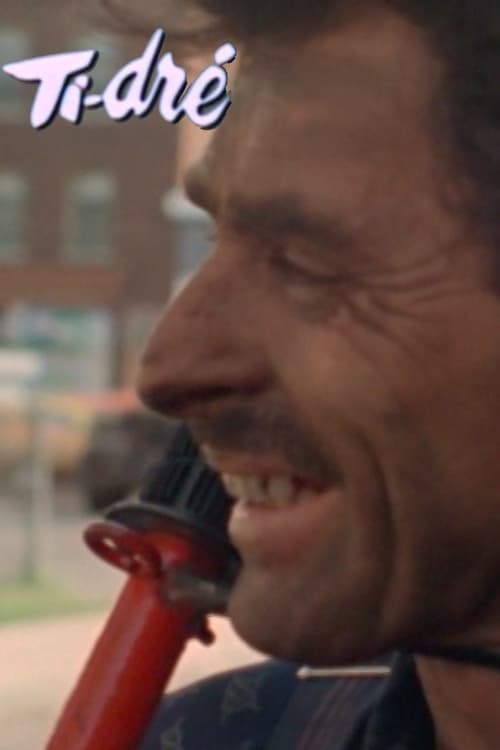
Luc-André Godbout, better known as Ti-Dré, is a forty-three-year-old orphan who cleanses furnaces and consciences. Here he is presented, life-size, in a film impregnated with this extraordinary character.
Berri and Ste-Catherine, at 8:30 a.m. on June 19, traffic was paralyzed by 8 individuals, who appeared from who knows where. The hidden cameras see everything. This film won the Special Jury Prize at the 1st Montreal International Art Film Festival.
Temiscaming, Québec is the story of a town's struggle to survive after its main source of employment, the CIP mill, closed down. Part I tells what steps the workers, townspeople and ex-CIP managers took to reopen a mill co-owned and co-managed by the workers; Part II explains the new corporate ownership of the mill, how it works, and its growing pains.
This film is first and foremost a documentary on the exploitation of the peat bogs of the Bas-Saint-Laurent region, which export most of their humus production to the United States: but the film is also the story of the exploitation of nature by man and of man by man.
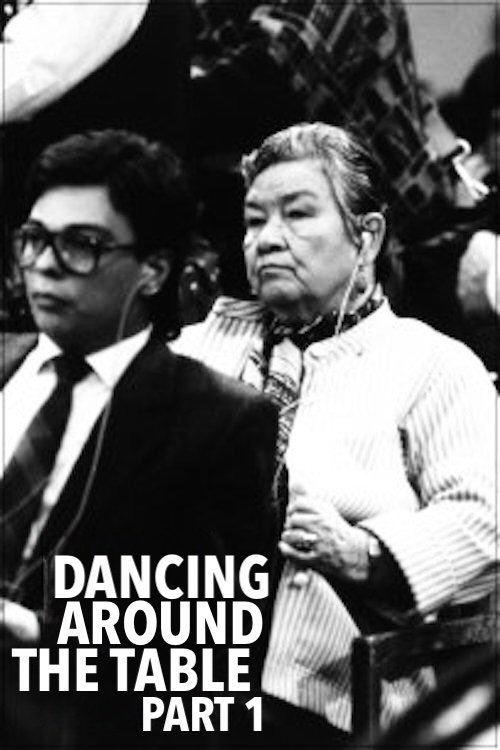
Dancing Around the Table: Part One provides a fascinating look at the crucial role Indigenous people played in shaping the Canadian Constitution. The 1984 Federal Provincial Conference of First Ministers on Aboriginal Constitutional Matters was a tumultuous and antagonistic process that pitted Prime Minister Pierre Elliot Trudeau and the First Ministers—who refused to include Indigenous inherent rights to self-government in the Constitution—against First Nations, Inuit and Métis leaders, who would not back down from this historic opportunity to enshrine Indigenous rights. The conference was Pierre Elliott Trudeau’s last constitutional meeting before he resigned and the process was handed over to his successor, Brian Mulroney.
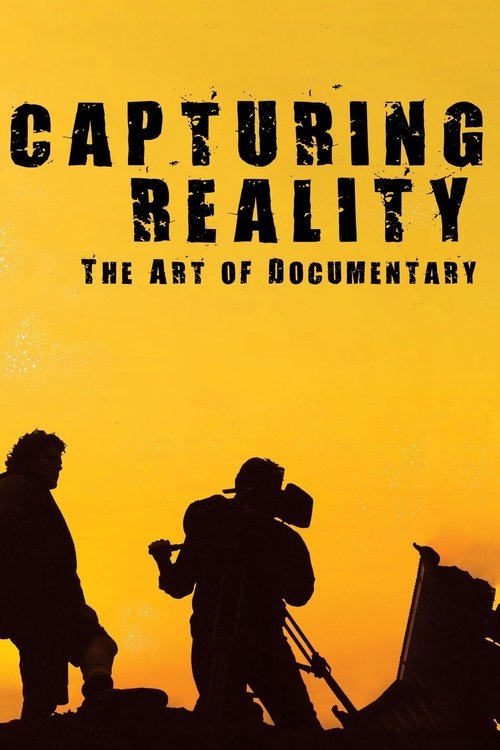
From cinema-verite; pioneers Albert Maysles and Joan Churchill to maverick movie makers like Errol Morris, Werner Herzog and Nick Broomfield, the world's best documentarians reflect upon the unique power of their genre. Capturing Reality explores the complex creative process that goes into making non-fiction films. Deftly charting the documentarian's journey, it poses the question: can film capture reality?
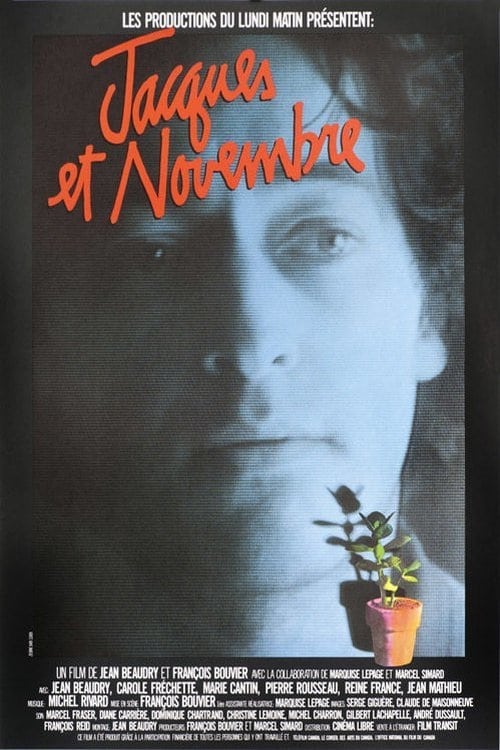
A dying man films his last month.
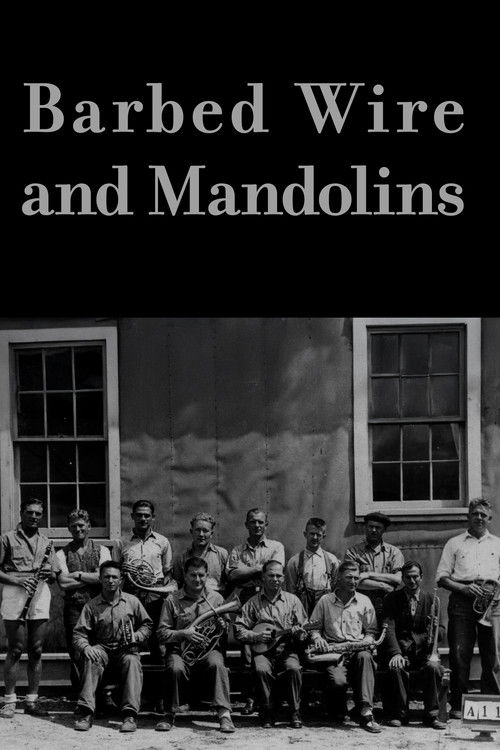
Upon Canada's entry into World War II, the RCMP rounded up thousands of people it considered fascist sympathizers. Among them, 700 Italian-Canadians were held for up to three years in internment camps. None were ever charged with a criminal offence.
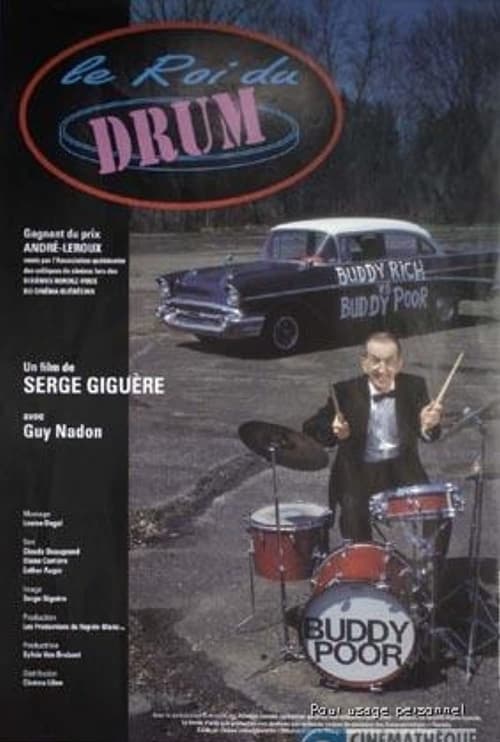
Guy Nadon is the rhythm incarnate. A jazz drummer who strikes on everything that makes noise. A king of musical improvisation, but also a king of improvisation, sometimes holding words bordering on surrealism.
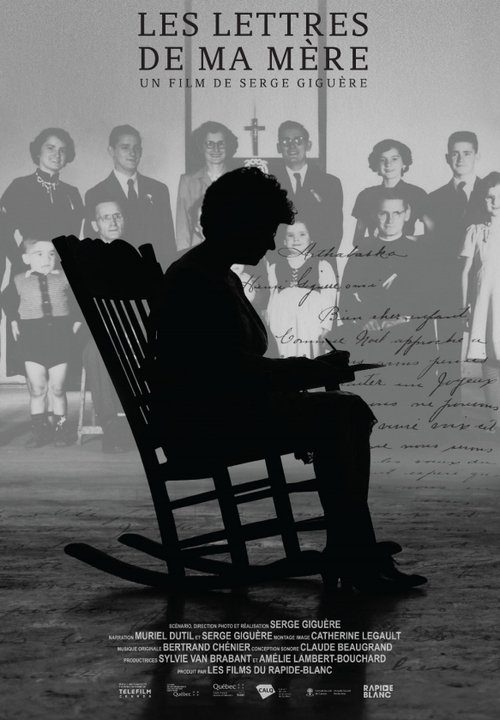
In this very personal and poetic film, veteran documentarian Serge Giguère pores through 100 letters written by his late mother to him and his 15 siblings. In them, she details the trials and tribulations of raising 16 children in rural Quebec, while helping to run a family carpentry business.
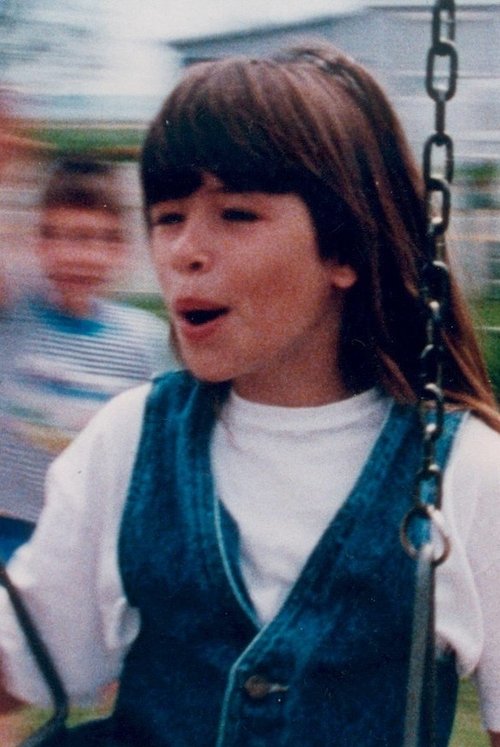
Through the eyes of children and women of different generations, this film reveals the soul of a small village on the Upper North Shore. Mrs. Kennedy has a vital link with the forest: Diane, faced with the difficult path of her life, raises her head; Cathy, at 18, has the biting lucidity of those who have had to fight. The strength and willpower of each of them is echoed by Guylaine, the young soprano who, throughout the film, plays, sings and exudes joie de vivre.
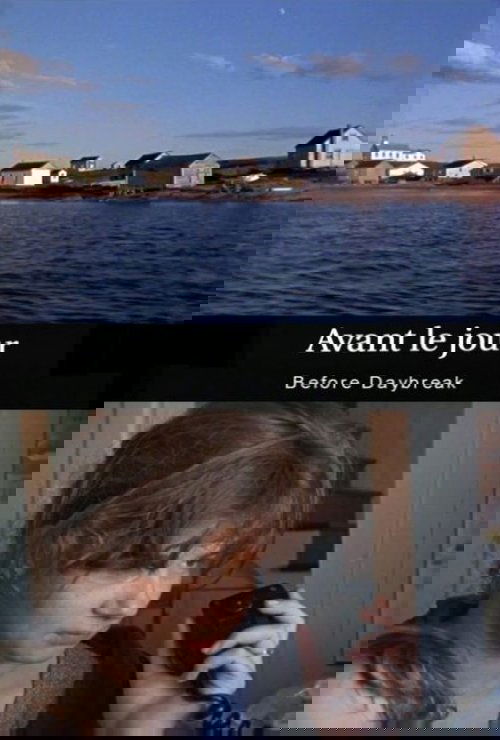
Before Daybreak is a film about how life is passed on, and about the privileged relationship people have with the land they inhabit. In her house on Providence Island, Florence performs her timeless gestures. In Lourdes-de-Blanc-Sablon, Simonne opens her house and heart to guests, friends, people without work. Mireille, Florence’s daughter, affirms her desire to keep living in Tête-à-la-Baleine despite the decline in fishing. Gédéon, an old fisherman, observes the universe through his fertile imagination. The passenger freighter, Nordik Express is the silent witness of the links woven by time in the immense territory of the lower North Shore of the St. Lawrence.
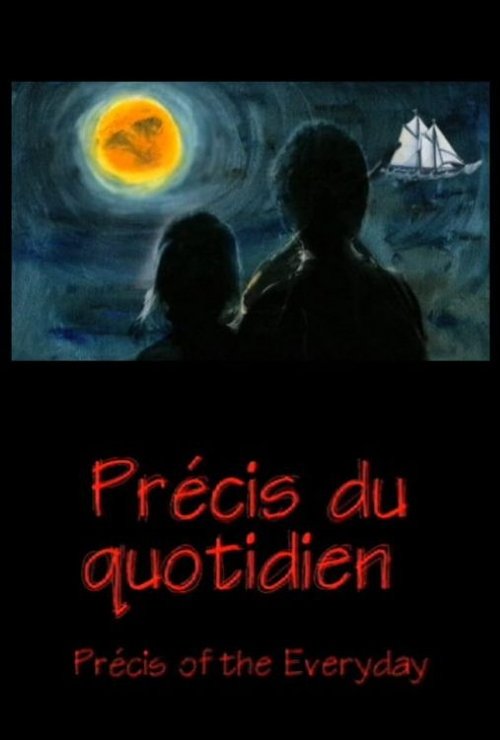
A summer in the life of a mother and her two children. Précis of the Everyday is a tender look at the memory, passing time, imagination and poetry that make every day a unique experience. In her desire to “record every moment”, the mother is humbled by how much escapes her.