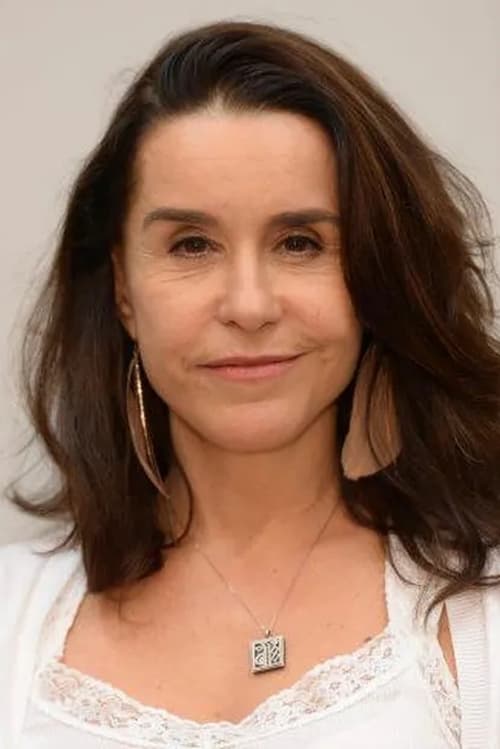
Lucélia Santos
Acting
Biography
Maria Lucélia dos Santos (Santo André, May 20, 1957) is a Brazilian actress, theater director, and producer. Known for starring in worldwide soap operas, Santos is one of the country's most renowned actresses.
Known For

Malhação is a Brazilian television series for the teenage audience. The soap started in 1995, and was set in a fictional Gym Club called Malhação on Barra da Tijuca, Rio de Janeiro. Through the years the location varied slightly. Although the name of the soap remains the same, it is now set in the Múltipla Escolha High School.
Young Hearts

Os Trapalhões was a Brazilian comedy group and also a Brazilian television series created by Wilton Franco. Its members were Dedé Santana, Zacarias, Mussum and their leader Didi Mocó, that was played by Renato Aragão. The name Trapalhões is derived from the Portuguese verb atrapalhar, which means the opposite of helping, to do something the wrong way or to Those that confuse. The name is translated "Tramps" in English DVD subtitles. It was aired by Rede Globo from 1977 to 1999. On March 18, 1990, Zacarias died due to respiratory failure, but the group and the series didn't come to an end until July 29, 1994, when Mussum died due to an unsuccessful heart transplant.
The Trapalhões

No description available.
Cidadão Brasileiro

Cousins Charlô and Otávio once had a romance, but today they detest each other. However, fate plays a trick on them: they will receive a large inheritance, on the condition that they live together.
Guerra dos Sexos

No description available.
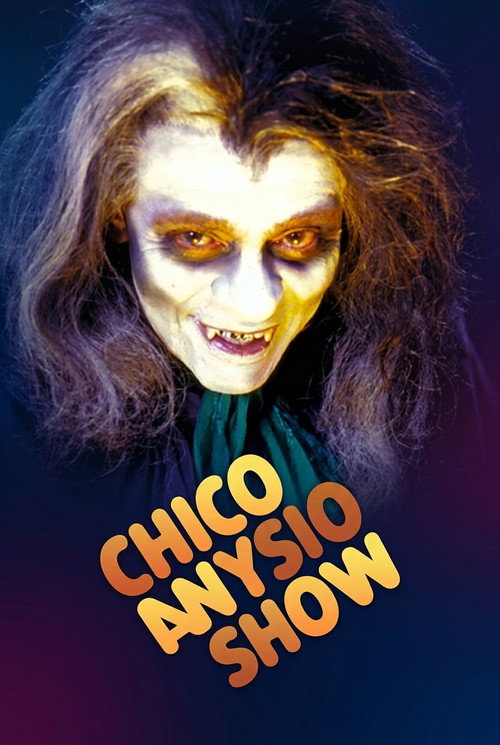
Chico Anysio Show

No description available.
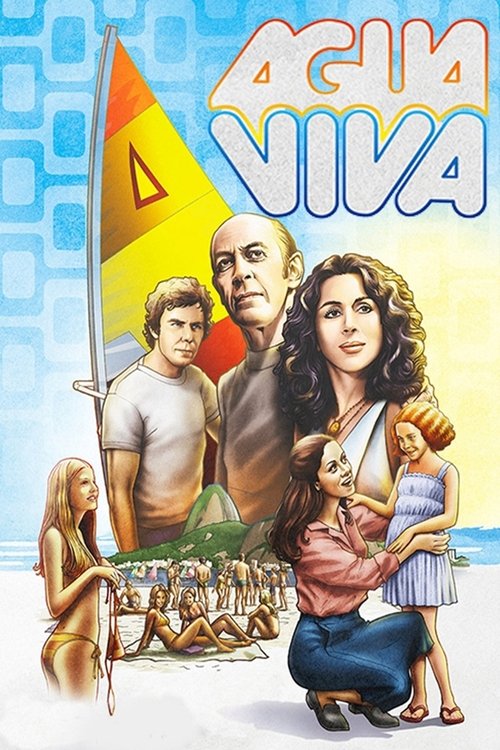
Água Viva

No description available.
Carmem

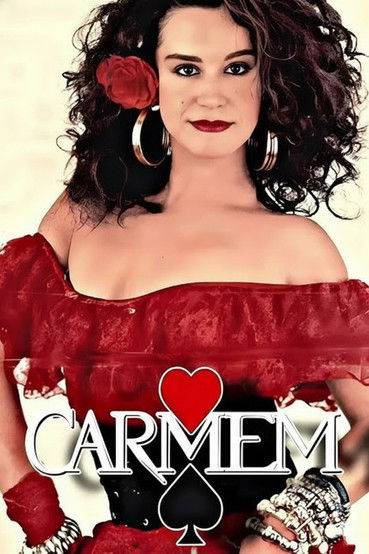
Monarchists and Republicans confront themselves in Araruna, a small town in the interior of São Paulo, in 1886, two years before the promulgation of the Golden Law. Sinhá Moça's love story, daughter of Colonel Ferreira, Baron de Araruna, and a slave-boy, with the young Dr. Rodolfo, an active Republican abolitionist, faced with the difficulties of the campaign for the abolition of slaves. The two meet on the train, when Sinhá Moça, after completing her studies in the provincial capital, returns to Araruna. Like Rodolfo, she has abolitionist ideas and criticizes her father's attitudes, fighting for the defense of blacks. Sinhá Moça, together with Rodolfo and other abolitionists, invade the slave quarters at night and liberate the blacks, giving them to the abolitionist associations, which guide them towards freedom.
Sinhá Moça

Kiki Blanche is a former star dedicated to her family and her beauty salon, in the South Zone of Rio de Janeiro. In addition to Milena, her legitimate daughter, Kiki raises Fernanda, Paulo, Renata and Regina. The great conflict of the plot is Fernanda's passion for Fábio, a man also loved by Milena.
Locomotivas

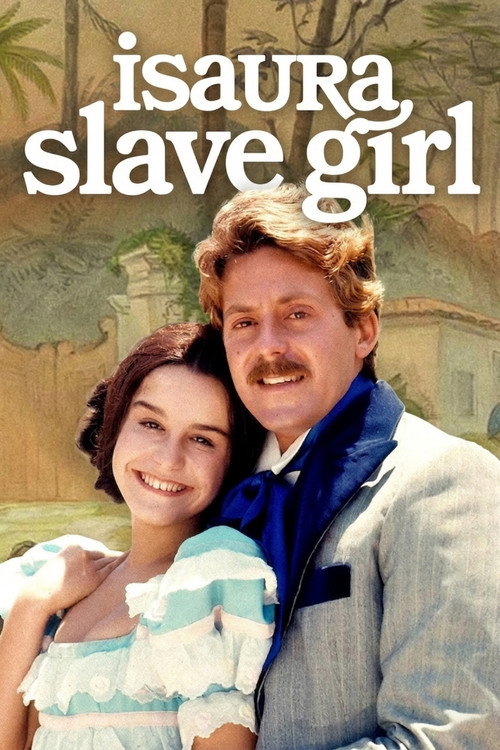
Set in 19th-century Brazil during the waning years of slavery, Escrava Isaura tells the story of Isaura, a white-skinned enslaved woman raised with the manners and education of a noble lady. Though treated with affection by her mistress, Isaura remains legally enslaved and becomes the object of obsessive desire by Leôncio Almeida, the cruel heir to the plantation. After the death of her protector, Isaura falls under Leôncio’s control. Despite his attempts to seduce and dominate her, she resists, determined to preserve her dignity and freedom. Her father, Miguel, helps her escape to Recife, where she adopts a new identity and meets Álvaro, a wealthy and principled abolitionist who falls in love with her. Leôncio eventually tracks her down, leading to dramatic confrontations. In the end, Álvaro rescues Isaura by purchasing Leôncio’s debts, securing her freedom and affirming the story’s central themes of justice, love, and resistance against oppression.
Escrava Isaura

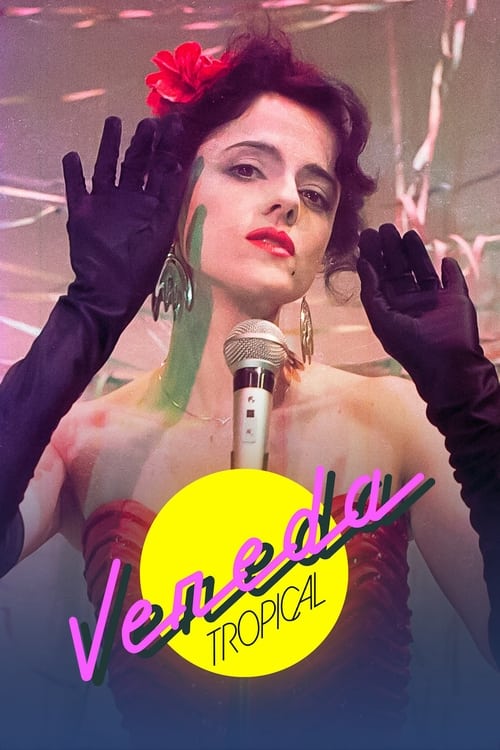
The story revolves around the conflicts within Silvana and Oliva's family—her mother and paternal grandfather—who are fighting for custody of Zeca after the child's father dies.
Vereda Tropical

No description available.
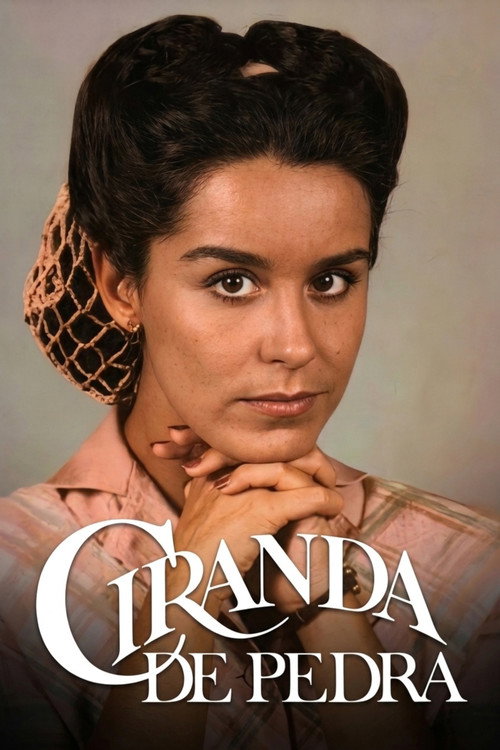
Ciranda de Pedra

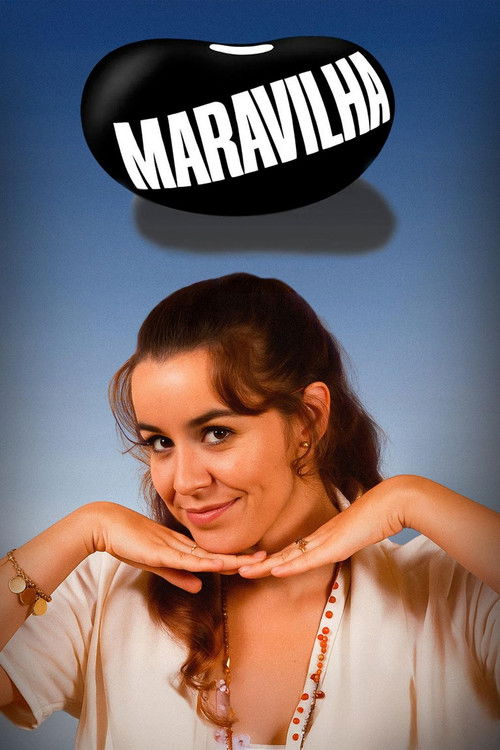
Romantic and dreamy, Eliana works at a five-star hotel and becomes involved with unrequited love, a bumbling gang, and a complex police story.
Feijão Maravilha

The youngest daughter of a rich man has been raped by five black men in the slums of Rio de Janeiro, and her father arranges her marriage to one of his employees in order to save the family’s honor.
Cute But Ordinary

No description available.
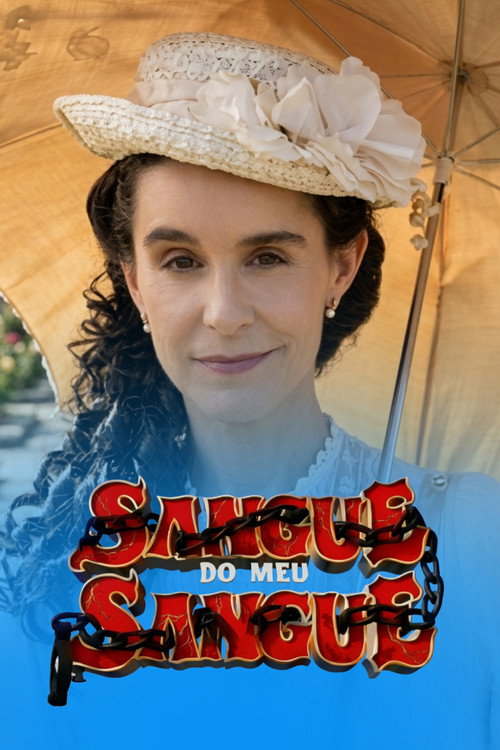
Sangue do Meu Sangue

Malu Mulher was a TV series broadcast by Rede Globo from May 24, 1979 to December 22, 1980, written and directed by Daniel Filho. The theme song, Começar de novo, was a great hit in the voice of one of Brazil's greatest popular female singer, Simone.
Malu Mulher

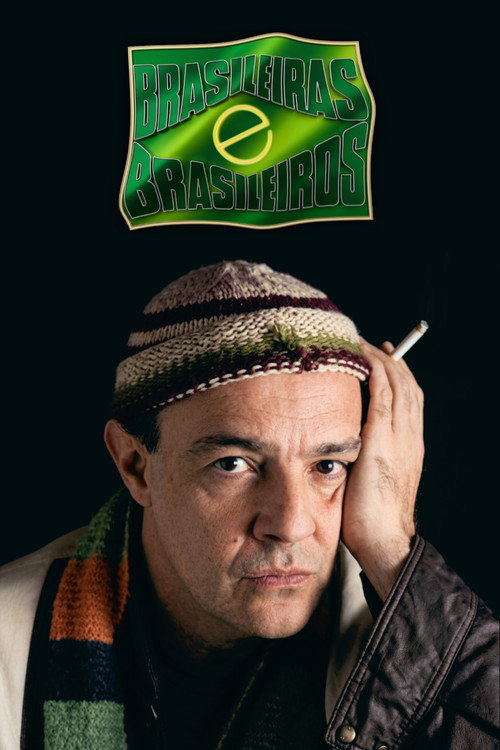
Brasileiros e Brasileiras is a Brazilian telenovela shown in some schedules SBT between November 5, 1990 and May 14, 1991. Writing for the show was done by Carlos Alberto Sofredini and Walter Avancini, who also directed it. The show was a co-production of the Miksom.
Brasileiras e Brasileiros

No description available.
Meu Destino É Pecar

No description available.
Donas de Casa Desesperadas

No description available.