Acting
The Antoinette Perry Award for Excellence in Theatre, more commonly known as a Tony Award, recognizes achievement in live Broadway theatre. The awards are presented by the American Theatre Wing and The Broadway League at an annual ceremony in New York City. The awards are given for Broadway productions and performances, and an award is given for regional theatre.
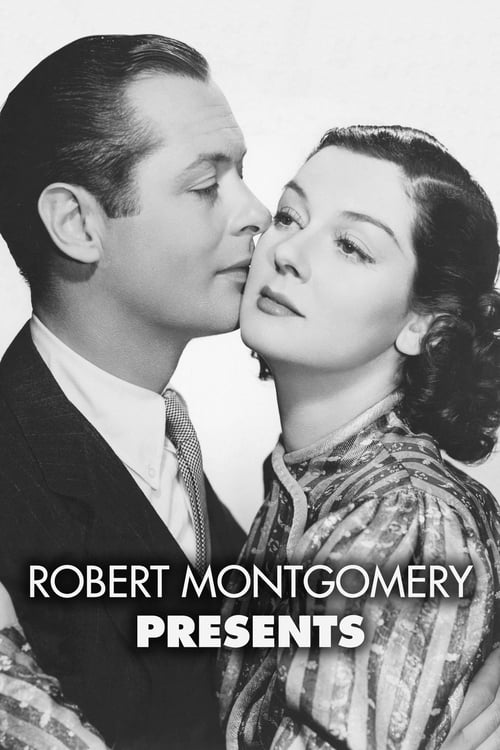
Robert Montgomery Presents is an American dramatic television series which was produced by NBC from January 30, 1950 until June 24, 1957. The live show had several sponsors during its seven-year run, and the title was altered to feature the sponsor, usually Lucky Strike cigarettes, for example, Robert Montgomery Presents Your Lucky Strike Theater, ....The Johnson's Wax Program, and so on.
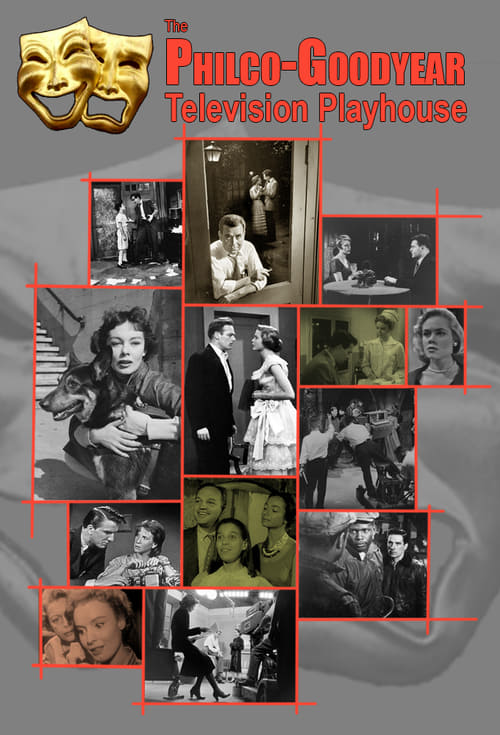
The Philco Television Playhouse is an American anthology series that was broadcast live on NBC from 1948 to 1955. Produced by Fred Coe, the series was sponsored by Philco. It was one of the most respected dramatic shows of the Golden Age of Television, winning a 1954 Peabody Award and receiving eight Emmy nominations between 1951 and 1956.
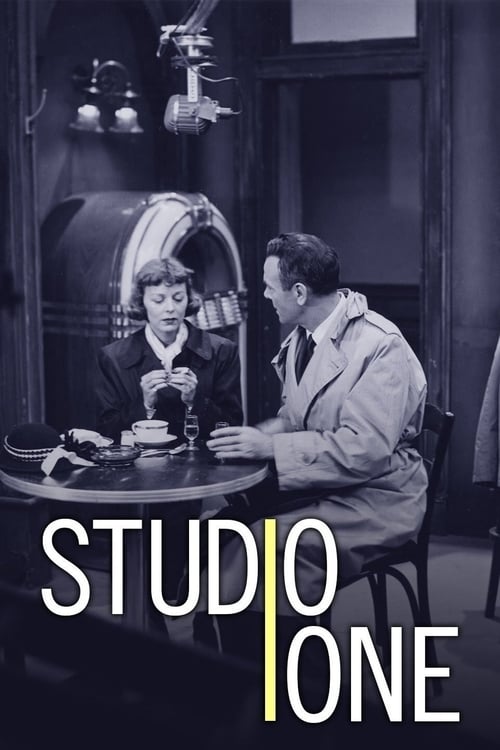
An American radio–television anthology series, created in 1947 by Canadian director Fletcher Markle, who came to CBS from the CBC. Studio One, presented by Westinghouse, was one of the first of the anthology TV programs. The episodes were often abridged remakes of movies from years gone by and many future well-known television and movie actors appeared in the productions.
An anthology series adapted from the radio program of the same name. Like the radio program, many scripts were adaptations of literary classics by well-known authors. Classic authors such as Edgar Allan Poe, Agatha Christie, and Charles Dickens all had stories adapted for the series, while contemporary authors such as Roald Dahl and Gore Vidal also contributed.
Dramatically presented situations, often controversial, of interest to children and teenagers. Several episodes were either in animated form or presented as documentaries. Topics included illiteracy, substance abuse and teenage pregnancy.
An anthology series that explored the ways sudden and unexpected wealth changed life for better or for worse. It told the stories of people who were given one million dollars from a benefactor who insisted they never know him, with one exception.
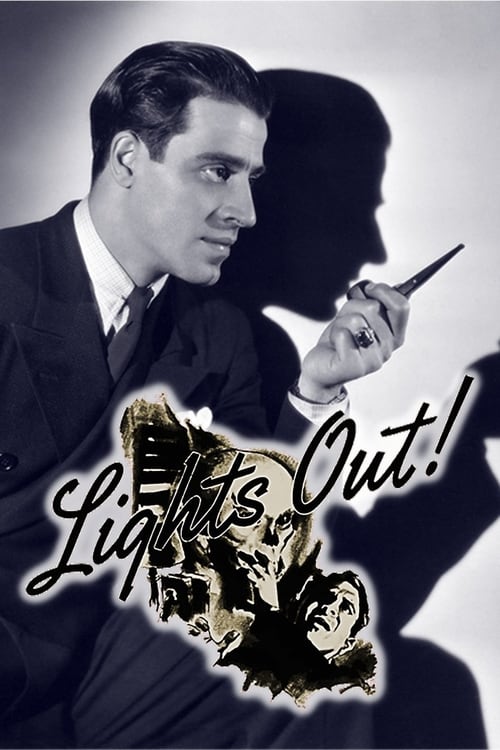
Lights Out was an extremely popular American old-time radio program, an early example of a network series devoted mostly to horror and the supernatural, predating Suspense and Inner Sanctum. Versions of Lights Out aired on different networks, at various times, from January 1934 to the summer of 1947 and the series eventually made the transition to television. In 1946, NBC Television brought Lights Out to TV in a series of four specials, broadcast live and produced by Fred Coe, who also contributed three of the scripts. NBC asked Cooper to write the script for the premiere, "First Person Singular", which is told entirely from the point of view of an unseen murderer who kills his obnoxious wife and winds up being executed. Variety gave this first episode a rave review ("undoubtedly one of the best dramatic shows yet seen on a television screen"), but Lights Out did not become a regular NBC-TV series until 1949.
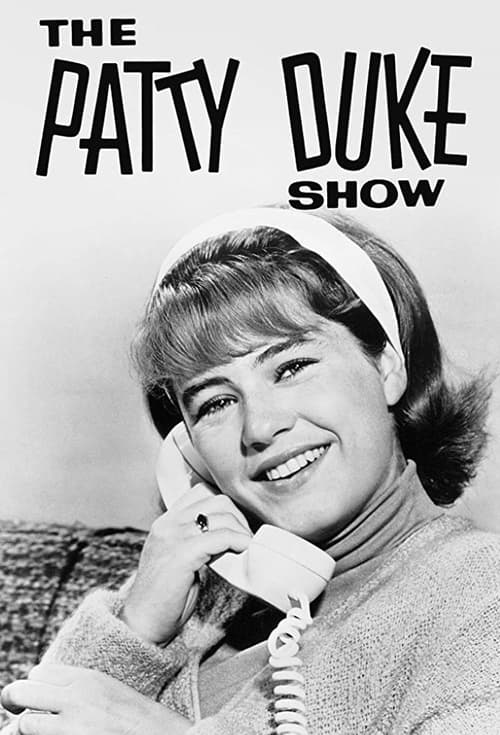
The Patty Duke Show is an American sitcom which ran on ABC from September 18, 1963 to April 27, 1966, with reruns airing through August 31, 1966. The show was created as a vehicle for rising star Patty Duke. A total of 104 episodes were produced, most written by Sidney Sheldon.
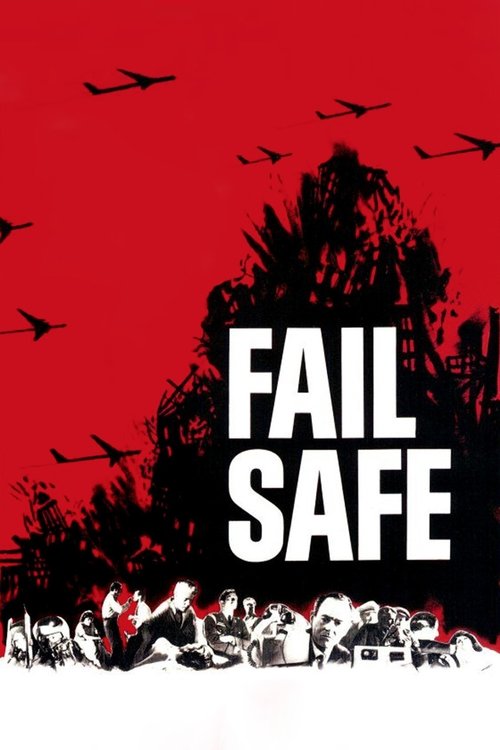
Because of a technical defect an American bomber team mistakenly orders the destruction of Moscow. The President of the United States has but little time to prevent an atomic catastrophe from occurring.
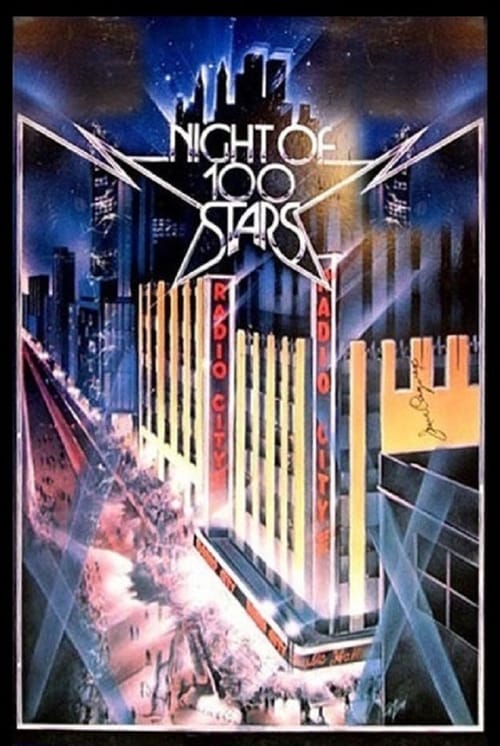
The most glittering, expensive, and exhausting videotaping session in television history took place Friday February 19, 1982 at New York's Radio City Music Hall. The event, for which ticket-buyers paid up to $1,000 a seat (tax-deductible as a contribution to the Actors' Fund) was billed as "The Night of 100 Stars" but, actually, around 230 stars took part. And most of the audience of 5,800 had no idea in advance that they were paying to see a TV taping, complete with long waits for set and costume changes, tape rewinding, and the like. Executive producer Alexander Cohen estimated that the 5,800 Radio City Music Hall seats sold out at prices ranging from $25 to $1,000. The show itself cost about $4 million to produce and was expected to yield around $2 million for the new addition to the Actors Fund retirement home in Englewood, N. J. ABC is reputed to have paid more than $5 million for the television rights.
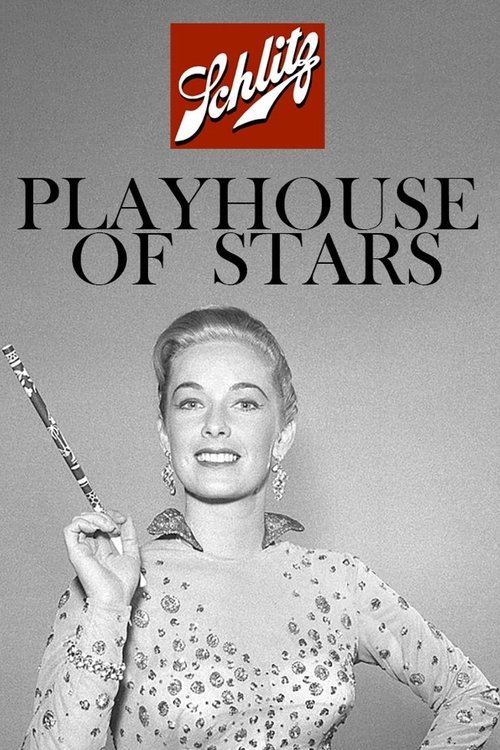
Schlitz Playhouse of Stars is an anthology series that was telecast from 1951 until 1959 on CBS. Offering both comedies and drama, the series was sponsored by the Joseph Schlitz Brewing Company. The title was shortened to Schlitz Playhouse, beginning with the fall 1957 season.
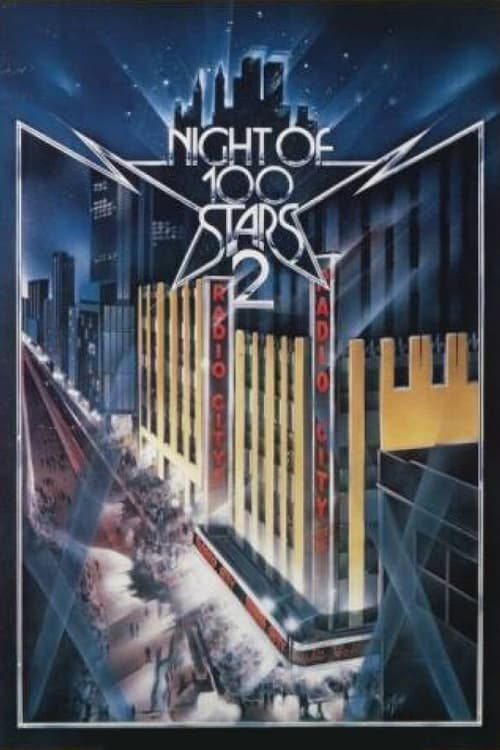
This special is the second "Night of 100 Stars" to benefit The Actors Fund of America. Edited from a seven-hour live entertainment marathon that was taped February 17, 1985, at New York's Radio City Music Hall, this sequel to the 1982 "Night of 100 Stars" special features 288 celebrities.
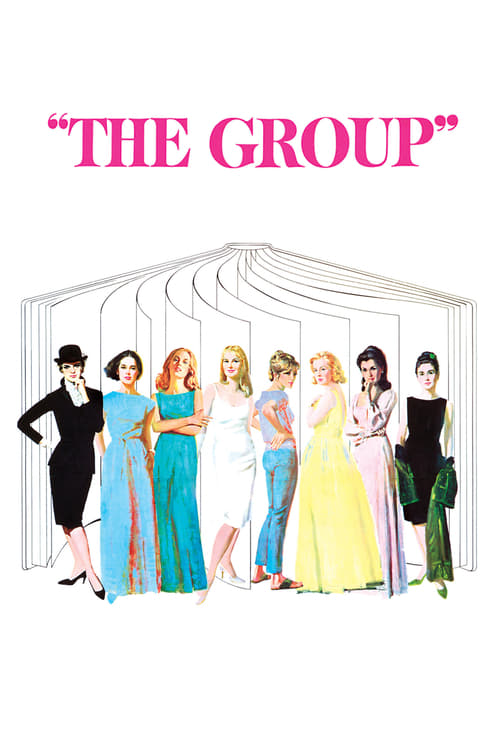
It's 1933, and eight young women are friends and members of the upper-class group at a private girl's school, about to graduate and start their own lives. The film documents the years between their graduation and the beginning of the World War in Europe, and shows, in a serialized style, their romances and marriages, their searches for careers or meaning in their lives, their highs and their lows.
A TV special on the 100th anniversary of the birth of film.
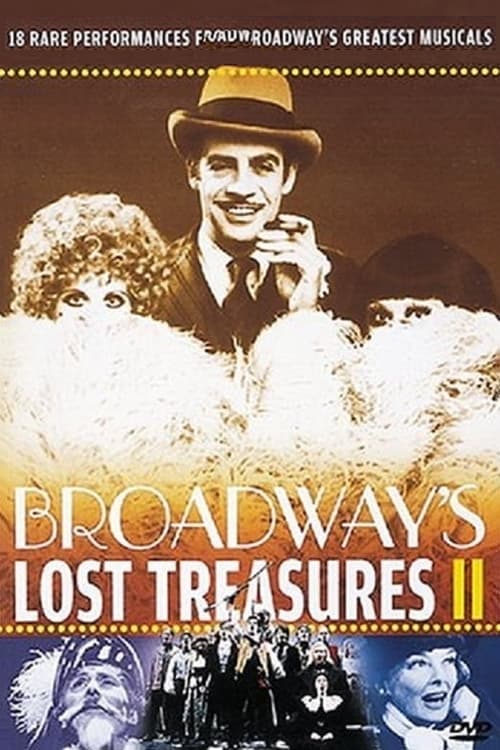
The annual Tony Award broadcast provides the only filmed record of Broadway's best for audiences to experience as if they were front-row-center on opening night. This second compilation of great musical moments from the Tonys features another dazzling array of stars and performances. Hosts Lauren Bacall, Bebe Neuwirth, Brian Stokes Mitchell and Jerry Orbach introduce these one-of-a-kind performances and share their personal Broadway and Tony memories.
A celebrity benefit for The Actors' Fund of America, featuring music, songs, dance and comedy.
The golden age of the annual Tony Awards ceremony lasted from 1967 to 1986 — the period during which Alexander H. Cohen and his wife, Hildy Parks, were the producers of the show. This film offers a compilation of performances from Tony Award broadcasts during those years. They are presented with color-corrected footage and digitally re-mastered sound.
Down You Go is an American television game show originally broadcast on the DuMont Television Network. The Emmy Award-nominated series ran from 1951–1956 as a prime time series hosted by Dr. Bergen Evans. The program aired in eleven different timeslots during its five-year run. Down You Go is one of only six series — along with The Arthur Murray Party; Pantomime Quiz; Tom Corbett, Space Cadet; The Ernie Kovacs Show; and The Original Amateur Hour — shown on all four major television networks of the Golden Age of Television: ABC, NBC, CBS, and DuMont.
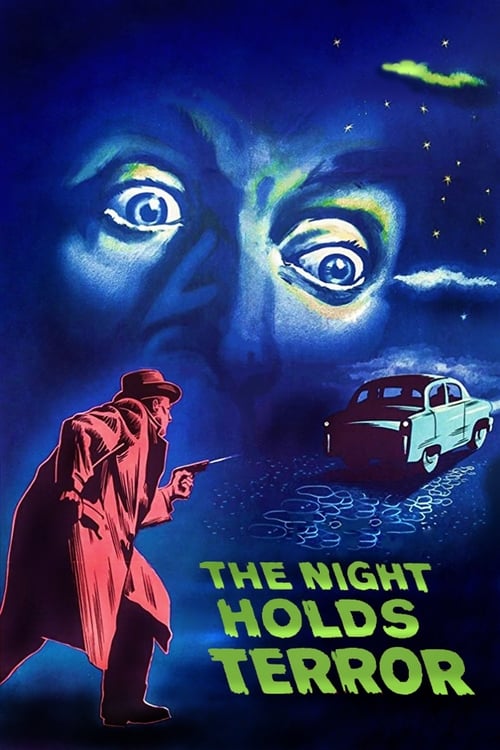
A group of escaped convicts holds a household prisoner as the police close in.