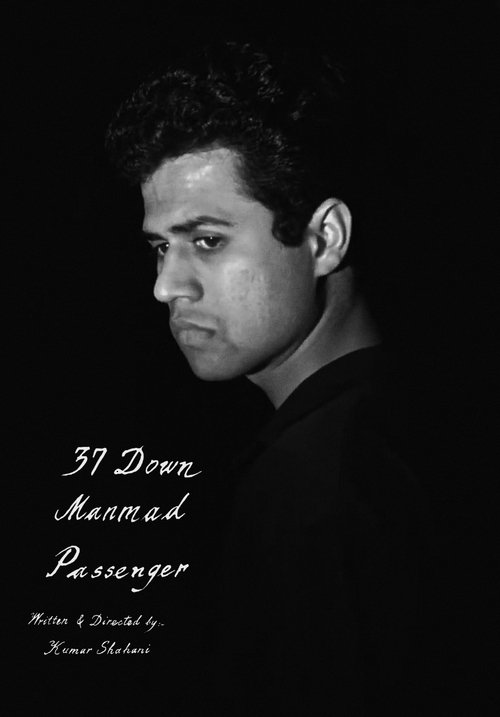
Directing
Kumar Shahani (7 December 1940 – 24 February 2024) was an Indian film director and screenwriter.
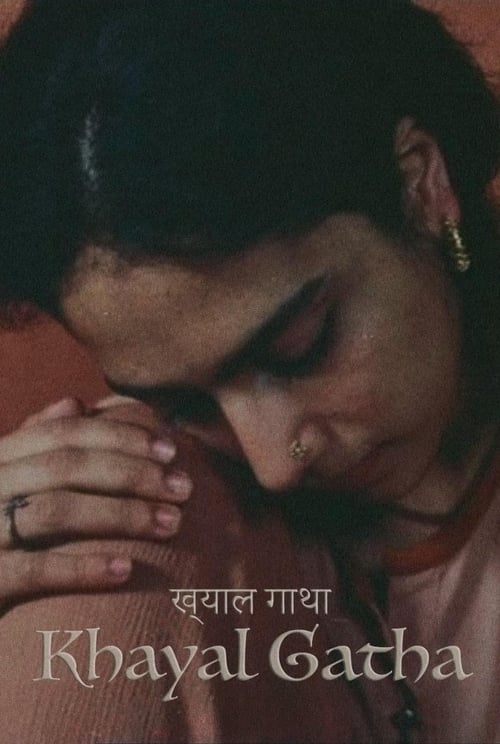
A music student listens to stories and legends about the birth and evolution of the Khayal form of classical Indian singing. These stories are re-enacted by actors who play several key figures throughout the history of classical music.
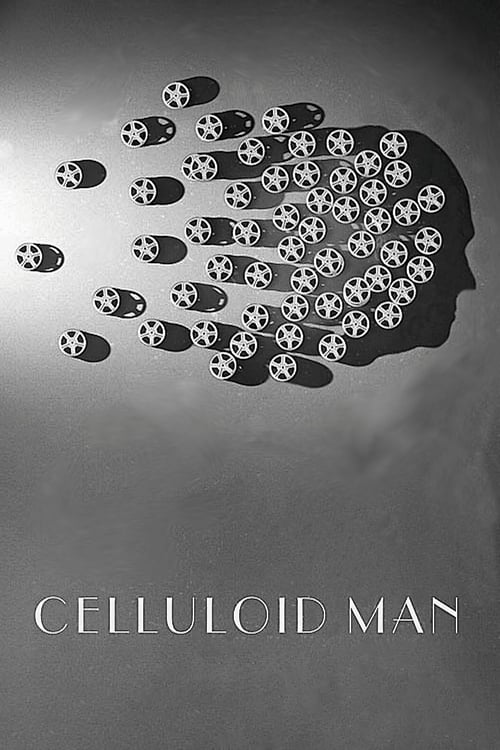
Indian documentary about Indian film history and P. K. Nair, the founder of the National Film Archive of India and guardian of Indian cinema. He built the archive can by can in a country where the archiving of cinema was considered unimportant.
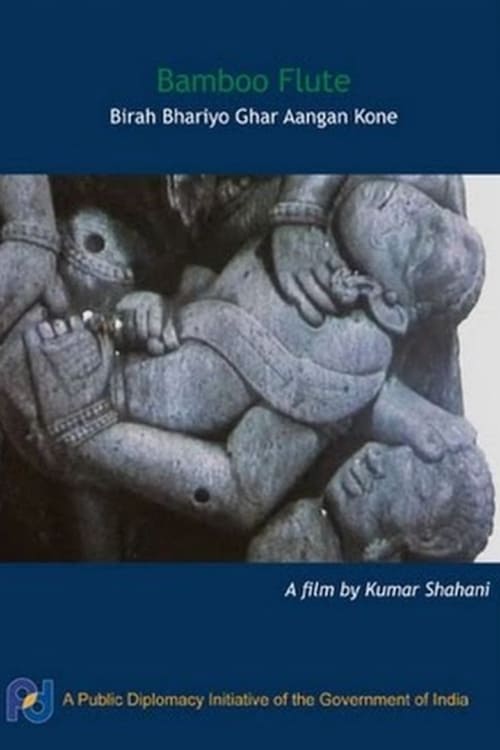
Bamboo Flute is Kumar Shahani’s cinematic tribute to the flute and its importance to Indian civilisation.
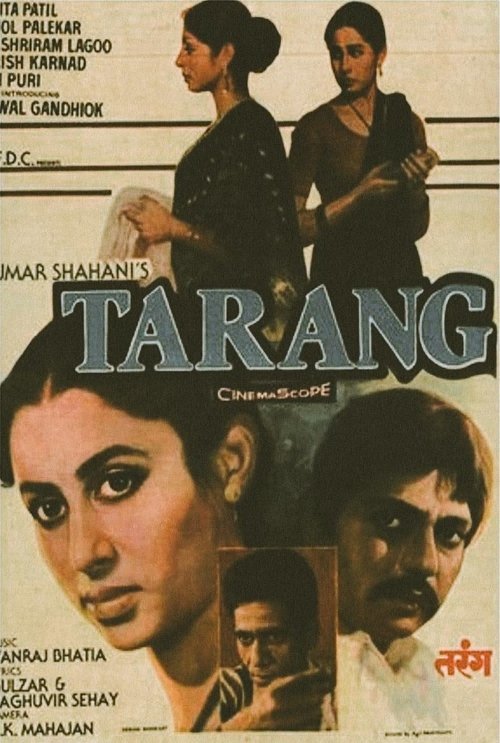
Taran lives with her father in a small town on the cusp of industrialization. Taran has a strained relationship with her father, who is increasingly bitter as he is unable to find a suitable match for his daughter. The young woman finds solace in her interactions with an engineer.
Feature documentary, completed but unreleased.
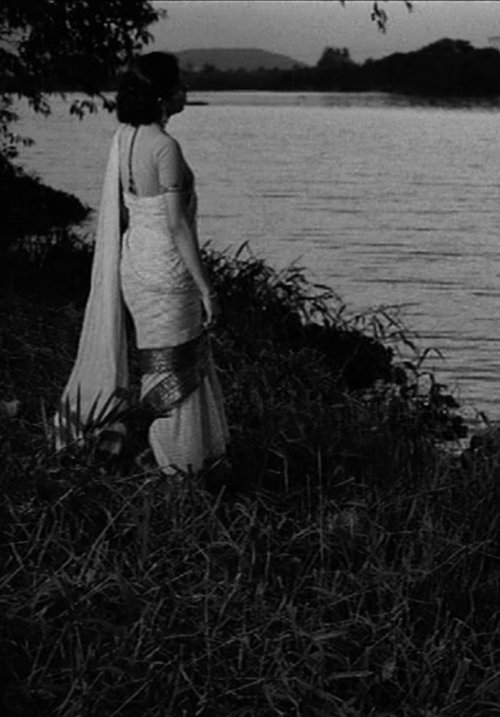
In modern society, communication between individuals is becoming more and more difficult. Two persons may be in the same physical environment, yet it seems that a Glass Pane - invisible but strong, and very much there separates these individuals. Almost Antonioniesque in its composition, this short film is a study of a married couple who are unable to communicate with each other.
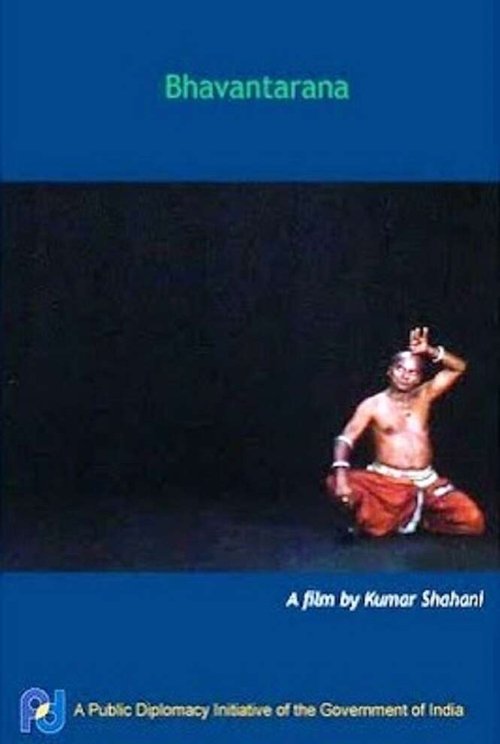
An experiment and a homage, Bhavantarana is a spiritually intoxicating documentary about classical Odissi dance maestro Guru Kelucharan Mohapatra.
Rahul, the son-in-law of an old industrialist and one of the heirs to his fortune, clashes with Dinesh, the industrialist’s nephew who is openly unscrupulous. Rahul, on his part, conceals his personal ambition under a cloak of liberalism and encourages indigenous production.
Mother Nature and human emotions are placed in this melding of myth and aesthetic enigma in Kumar Shahani's short film of 25 minutes starring Mita Vashisht, created as a diploma submission for the Film and Television Institute of India(FTII) by editor and film's co-star Nandini Bedi.
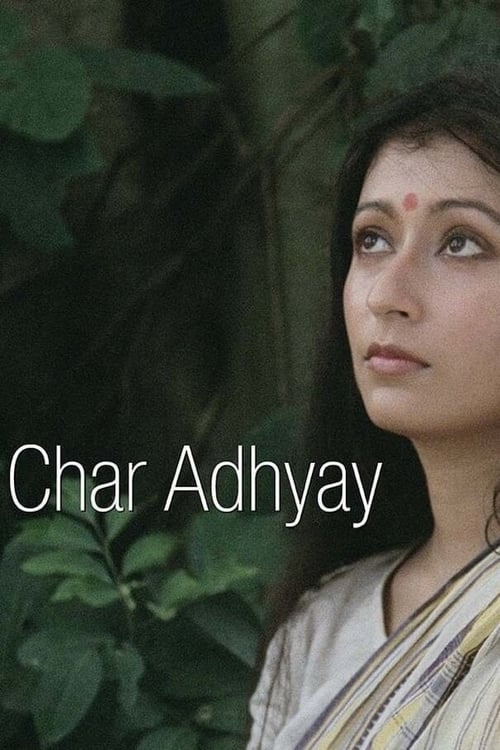
Set in the Bengali Renaissance of the 1930s and 1940s. A group of young intellectuals get embroiled in the struggle for Indian independence, sometimes at the expense of their personal lives.
Short film made at Satyajit Ray Film & Television Institute.
Educational documentary filmed in b/w on 16mm.
Short film shot on 16mm Kodachrome film, made in collaboration with psychoanalyst Udayan Patel.
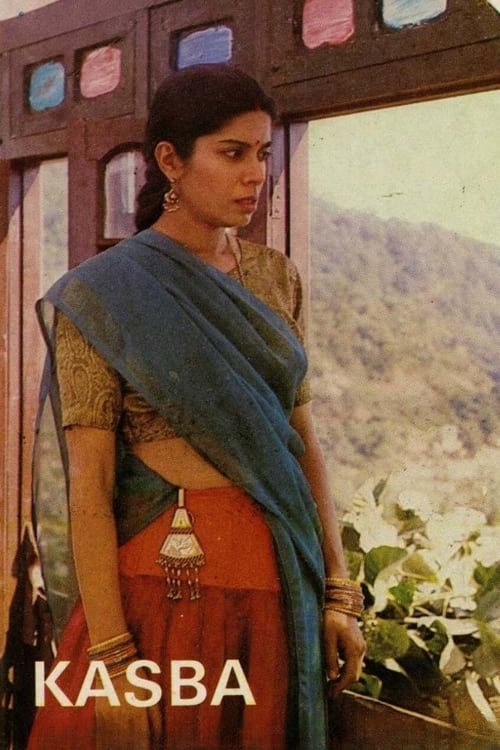
The story centers around a small town entrepreneur named Maniram who makes a major profit by cheating people and selling them tainted food. His business is run by his daughter-in-law Tejo, who is married to Maniram's mentally challenged younger son. When Maniram's elder son comes back into town to get married, things start to go awry.
Tackling the theme of identity from the perspective of Asian and Afro-Caribbean actors, the film emerged from an acting workshop exploring the relationship between acting idioms in theatre and cinema led by Kumar Shahani and Alaknanda Samarth.
Programme on film appreciation made for Bombay TV.
Sudhir - staying in a city without family roots - symbolizes the need for commitment in all young, sensitive and thinking individuals all over the world. The family is a fast-disintegrating social institution and Sudhir's Saturday night represents a true 'dolce vita' - without Fellini's irony, but sickly and sweet. The ridiculously elementary encounter with a mother prostitute as well as his final grandiose speech to the little runaway boy lose their power — and induce a facile fulfillment.
Kumar Shahani's incomplete film on psychoanalyst Wilfred R. Bion.
Documentary filmed in Technicolor on 35mm for Steel Authority of India Ltd. (SAIL).
Documentary filmed in b/w on 35mm for the Film Directorate, Gujarat, India.