Gloria Rolando
Directing
Known For
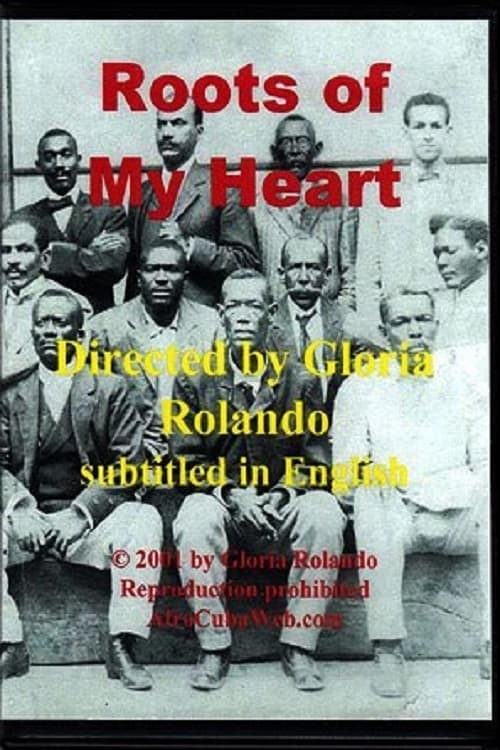
Through dreams and reality, a Cuban woman learns of the ties her great-grandparents had with the Independents of Color, a political party formed in 1908.
Roots of my Heart
Afro-Cubans played a leading role in the fight to free Cuba from Spanish domination; as part of that struggle, slavery was abolished. Nevertheless, as African descendants began to achieve a semblance of social and economic parity, the plantocracy, backed up by the US army, sought to undo their gains. Determined to resist, veterans of the Mambi army formed the Party of Independents of Color, gaining wide popular support and ultimately threatening the domination of the white Cuban rulers. Their response was savage, and 6,000 Afro-Cubans were massacred; until this film, these events have been shrouded in silence.
1912, Breaking the Silence
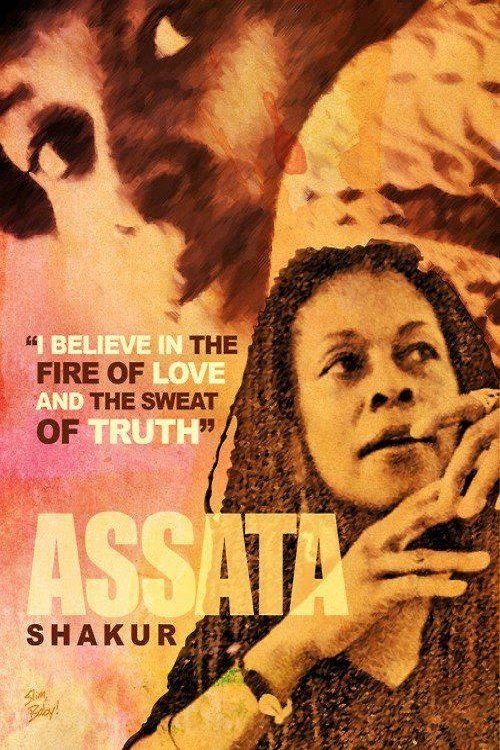
"Eyes of the Rainbow" deals with the life of Assata Shakur, the Black Panther and Black Liberation Army leader who escaped from prison and was given political asylum in Cuba, where she has lived for close to 15 years. In it we visit with Assata in Havana and she tells us about her history and her life in Cuba. This film is also about Assata's AfroCuban context, including the Yoruba Orisha Oya, goddess of the ancestors, of war, of the cemetery and of the rainbow.
Eyes of the Rainbow
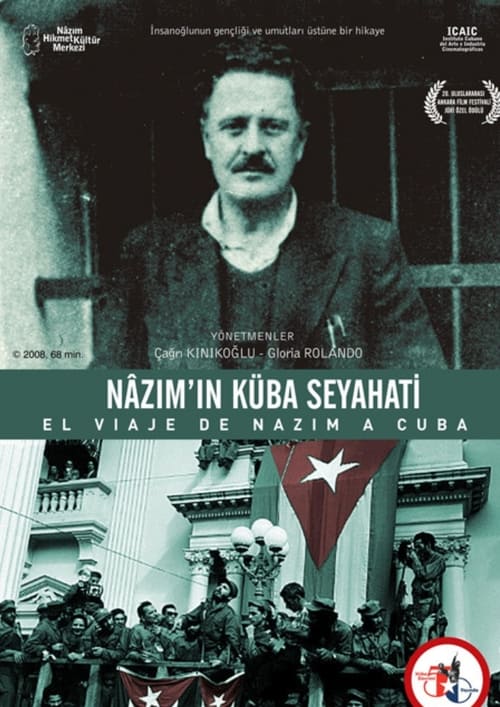
The great poet of equality, freedom, and the Turkish language, Nâzım Hikmet, receives an invitation from his Cuban poet friend Nicolas Guillen in 1961. Nâzım Hikmet, who was also the director of the World Peace Council at the time, travels to Cuba in May 1961 to witness the course and achievements of the 1959 Cuban Revolution firsthand. The film progresses with the testimonies of important Cuban intellectuals who met Nâzım during this trip, while also bringing the excitement and enthusiasm of the early years of the revolution to the screen with Nâzım's own voice reciting the lines of "The Havana Interview" from a previously unknown recording. It is the story of a sincere and comradely embrace between Cuba and the revolution's Nâzım, and Nâzım's profound influence on Cuban artists.
Nazım'ın Küba Seyahati
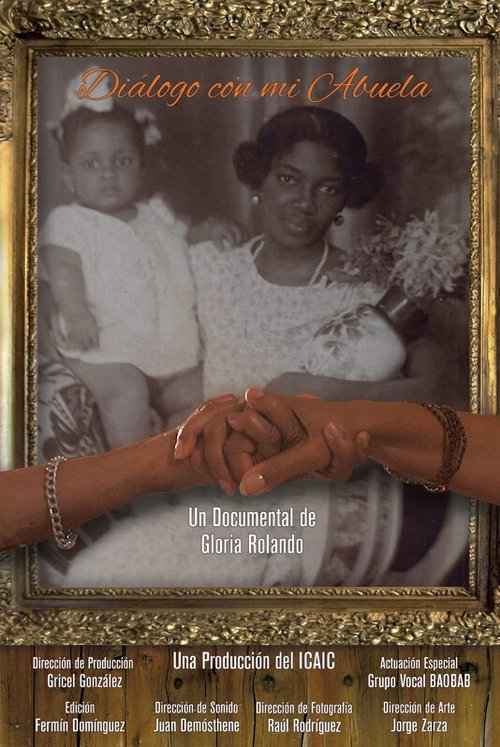
A beautifully constructed love letter transforming a 1993 interview conducted by the Cuban filmmaker with her grandmother, into a celebration of not only her grandmother’s legacy but also a tribute to the larger history, struggle and tenacity of Black Cubans and Black Cuban women in particular.
Dialog with My Grandmother
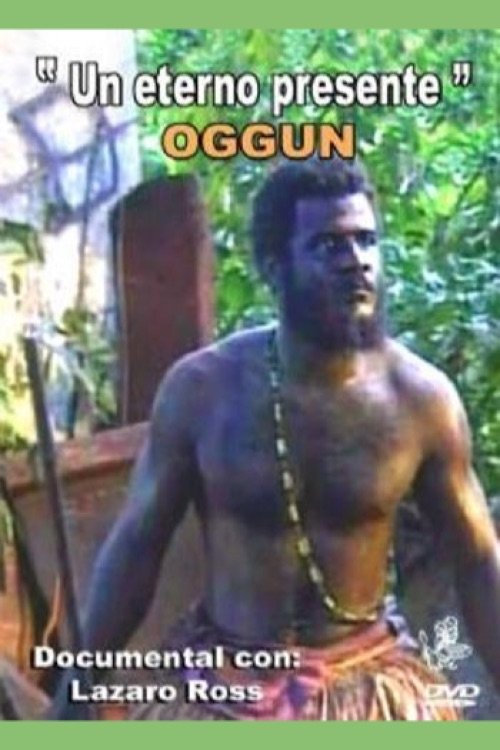
In Oggun, Gloria relates the patakin or mythical story of Oggun, the tireless warrior who, enamored of his mother, decided as punishment to imprison himself in the mountains: only Ochun, goddess of love, succeeded in captivating him when she let fall a few drops of honey on the lips of the god of metal, war, progress, and civilization.
Oggun: An Eternal Presence
The voices of prominent historians join the memories of Haitians and their descendants in Cuba to understand a chapter of the complex economic and social history of the Caribbean : the presence in the Island of Cuba of thousands of West Indian laborers, especially from Haiti. That army of black workers who fertilized with their sweat the fields of Cuba from the beginning of the twentieth century. For many, it was a great bargain of cheap labor. For others, the realization of the dream of every immigrant: make money and return home .