Josef A. Stehlík
Acting
Known For
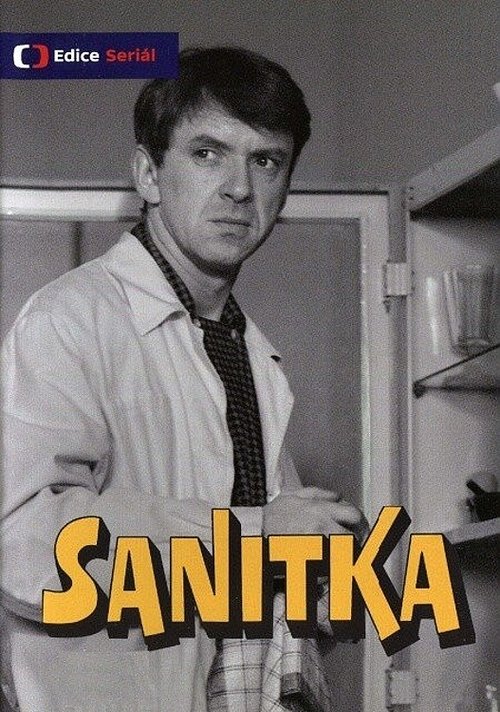
Sanitka was a Czech television, drama series, first broadcast in 1984 and eleven episodes were made. It starred Jaromír Hanzlík, Tomáš Juricka and Zlata Adamovská among others.
Sanitka
No description available.
Nejmladší z rodu Hamrů
No description available.
Třetí patro
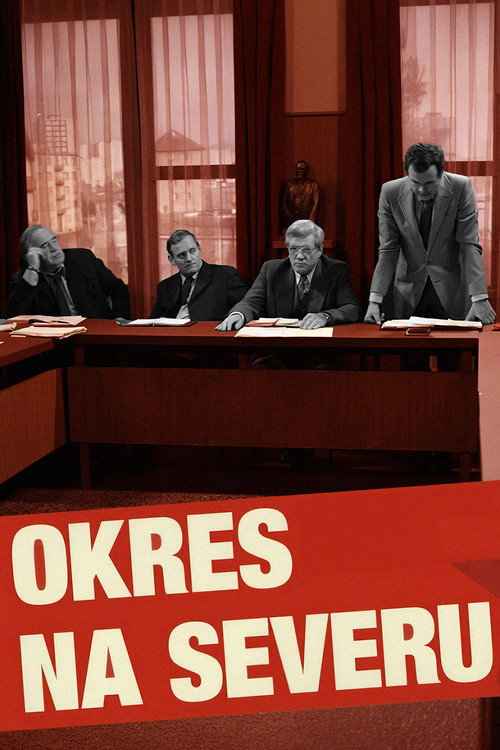
Okres na severu is a Czechoslovak/Czech TV series filmed by Evžen Sokolovský in 1981.
Okres na severu
No description available.
Půjčka
No description available.
Byli jednou dva písaři...
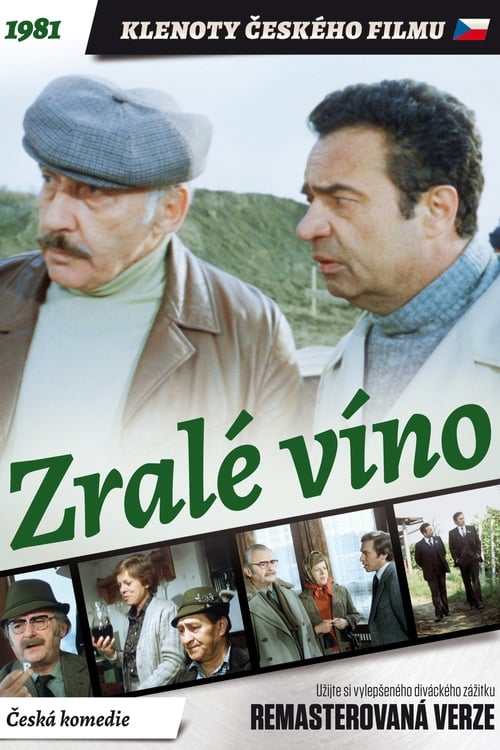
A loose sequel to the 1976 comedy Stormy Wine. The screenwriters and the director recreate on screen a number of characters from the South Moravian town of Pálavice, characterised by their different attitudes and approaches to work and private life. A number of serious issues touching on the times emerge around the story of the con man. The fundamental dispute between the vice-chairman Janák and the chairman of the merged cooperatives ing. Urban, as well as the satirical theme of illegal machinations and bribes, are undoubtedly of general validity.
Mature Wine
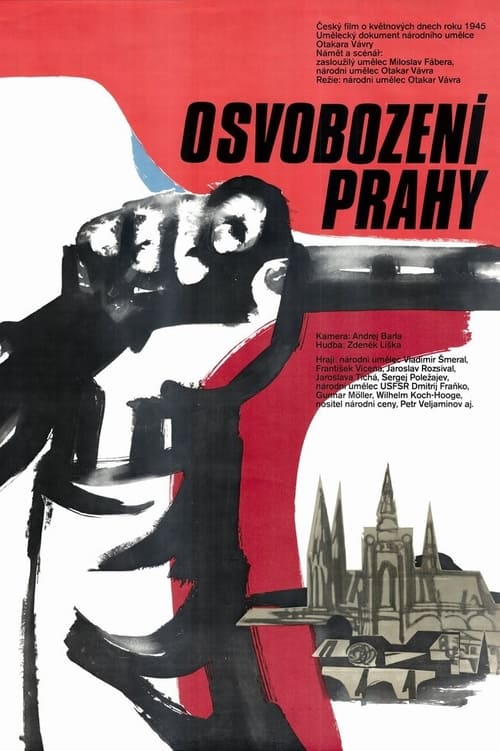
On 20th of April 1945 the Soviet army launches its attack on Berlin. The end has come for Nazi Germany and Hitler decides to commit suicide. In Prague K.H. Frank (Nazi Secretary of State and Chief of police in the Protectorate of Bohemia a Moravia) discusses with his commanders how to transform the city into an impregnable fortress, but the Praguers do not intend to wait any longer. From the early hours of 4th of May people start assembling in the streets and tearing down German signs. On the next day, the 5th of May, the uprising begins.
The Liberation of Prague
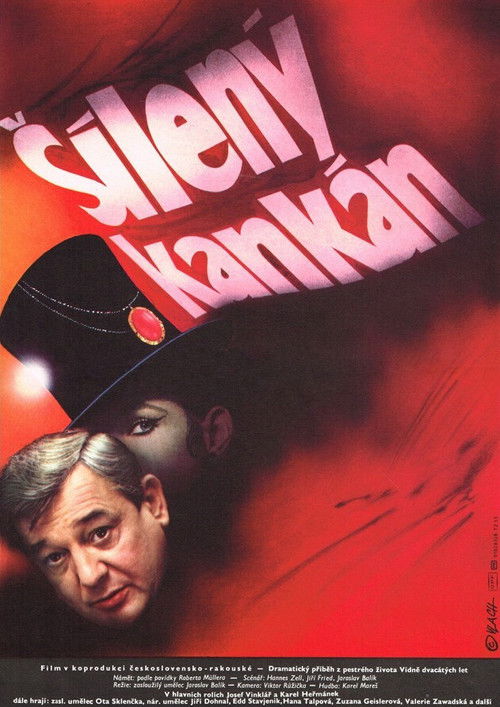
During the First World War, the crooks Scholef and Krumka sell weapons on the black market. After the collapse of the monarchy they try their hand at speculation on a grand scale.
Šílený kankán
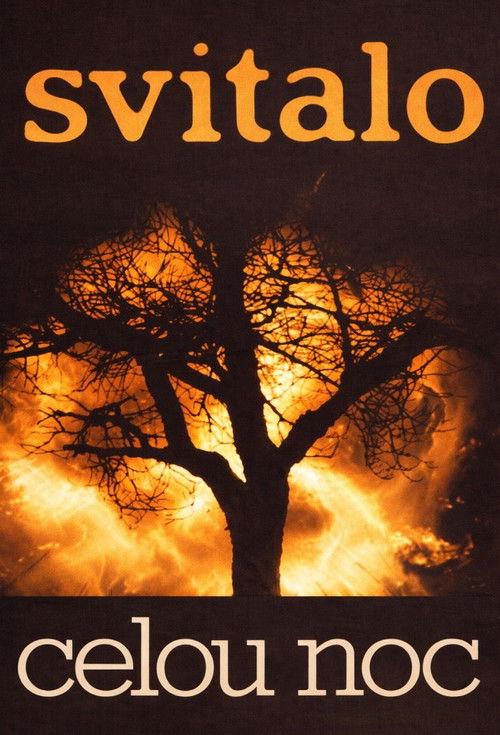
The Czech film Svítalo All Night was made to commemorate the 35th anniversary of the liberation of Czechoslovakia by the Soviet Army and is dedicated to all those who fought and gave their lives in Prague in the May Uprising of 1945. Behind the historical events, the creators see mainly their simple, unassuming participants. Thus, we are presented with a number of apt portraits, whether it is the central hero Dr. Soukup and nurse Daniela on the side of the fighting Czechs, or a captain and a simple private in a Red Army unit coming to the aid of the fighting Prague, or an old, war-weary German major, who only realises the senselessness of the war at the sight of a fanatical, cynical lieutenant for whom Nazi ideology represents the meaning of life.
Svítalo celou noc
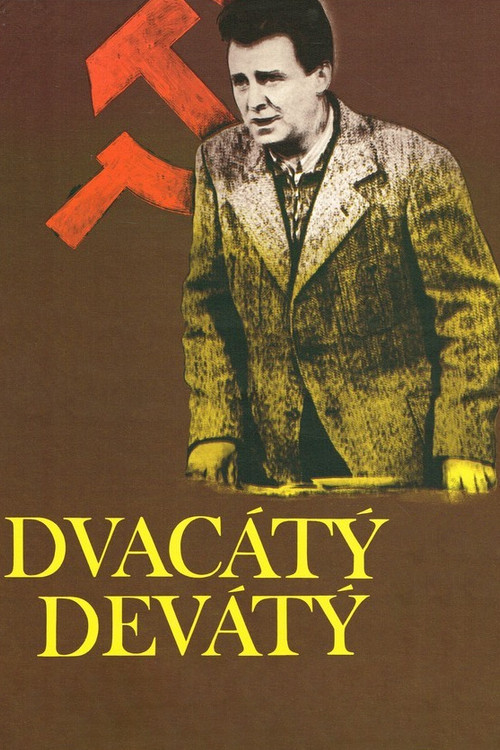
In the era of normalisation, a number of (pseudo)historical films were made, even described as reconstructions, which glorified the world-building mission of the Communist Party and attributed to it exclusively humanitarian intentions ("Days of Betrayal", "Sokolovo", "Liberation of Prague", "The Victorious People"). In 1929, when its fifth congress met, Klement Gottwald, who had taken the line of the Russian Bolsheviks, took over the leadership of the Communists...
Dvacátý devátý
A directors autobiography about his debut during the rise of socialism.
Narozeniny režiséra Z. K.
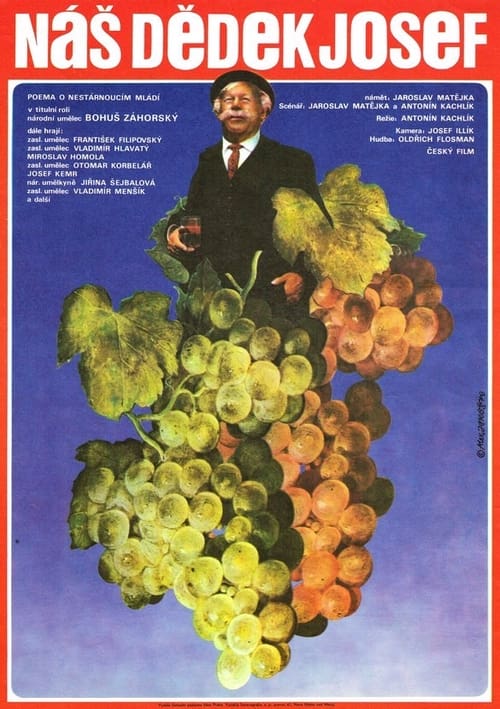
Set in a 1950s Moravian wine village, an elderly Josef, guided by his quirky life philosophy and humor, recalls key moments from his past. Across nine seasonal vignettes filled with local folklore and customs, he and his fellow elders remain fully engaged in the joys and trials of village life.
Náš dědek Josef
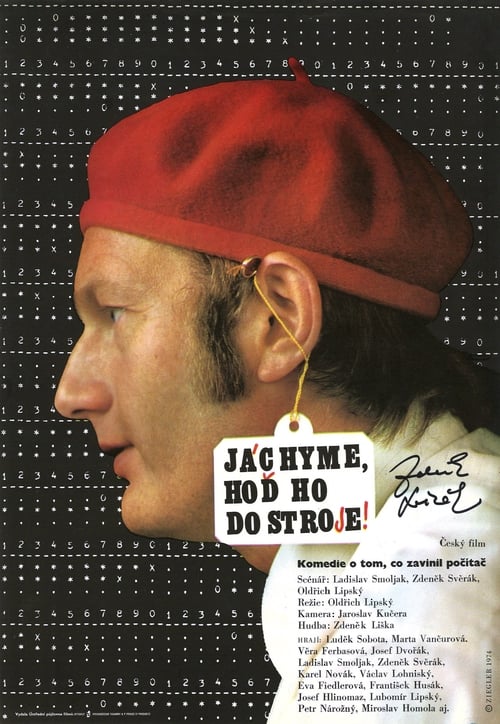
A sincere provincial young man, Frantisek Koudelka leaves to work in Prague. For the trip he buys a computer made horoscope with biorhythms charts, marked according to his date of birth, there are trappy, precarious, unsuccessful and even critical days and few successful days. The clumsy luckless person Frantisek has finally a guidance for his life.
Joachim, Put It in the Machine
The construction of a gigantic facility such as the Dukovany nuclear power plant requires only the most capable experts. Such is the engineer Hlaváč, who has been involved in the project from the very beginning as a construction manager. He has to deal with many problems, especially the lack of manpower. He is unfairly demoted to a lower position due to the intrigues of his subordinates and the alibi of the management, but time proves him right and by the time the plant is inaugurated, he is once again the main manager. But the demanding job takes its toll, his heart cannot withstand the frantic pace of work...
Atomová katedrála
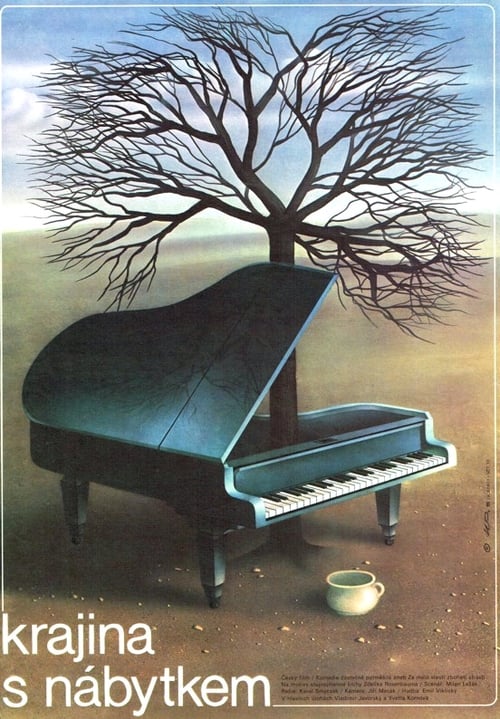
The story of a music academy student Zdenek, who meets a charming girl, and without realizing also gets a son with her. Dealing with such a situation is not easy, especially when one day the child's mother disappears. Twenty year old Zdenek faces a serious decision. Although he is aware that a child may endanger his studies and perhaps even future career, he refuses to entrust him to the care of the state institution.
Landscape with Furniture
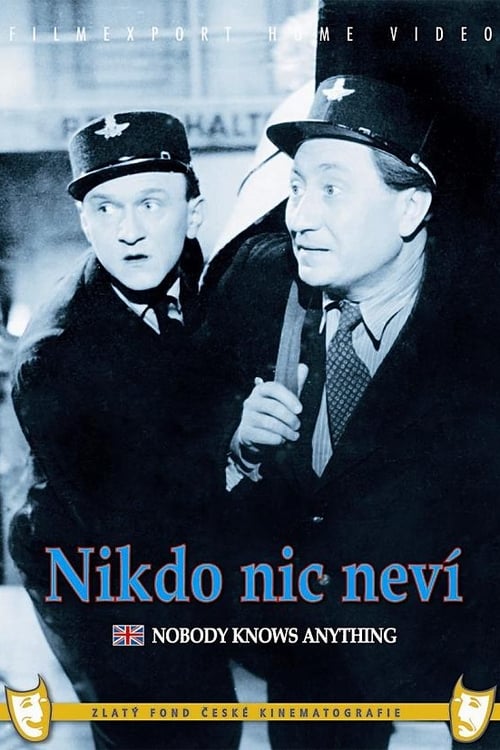
Martin Plechatý and Petr Nový roam occupied Prague with their trams. Times are hard and sometimes survival is not easy - especially when, in an attempt to help a threatened (and charming) neighbor, you get involved with an SS man, hit him on the head and kill him. At least that's how the two friends explained the situation to each other when their opponent collapsed to the ground. What to do with the body now? An endless anabasis begins, in which even a baby stroller comes into play...
Nobody Knows Anything
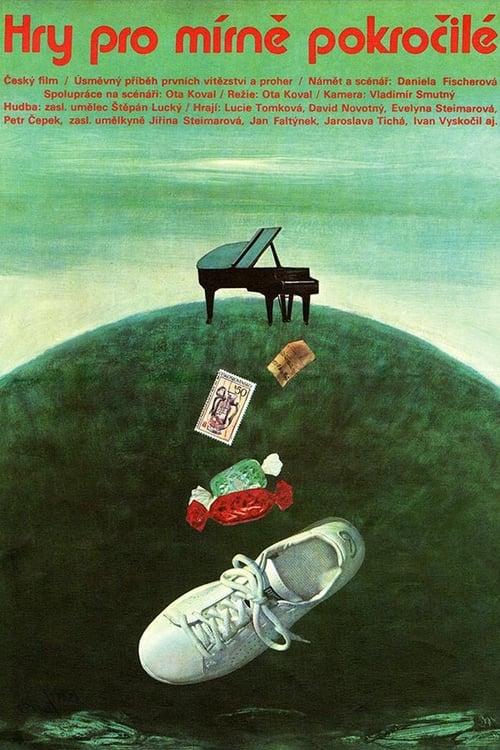
Films for children gradually fell into the grip of expressive and content sterility, succumbing to exhortative, educational tendencies. This is also the case in the story of a 14-year-old girl who has been accepted to the conservatory, but a sudden accident, a broken arm, makes her rethink her priorities - she learns that it is possible to engage in other activities than the tedious practice of piano etudes.
Etudes for Piano Students
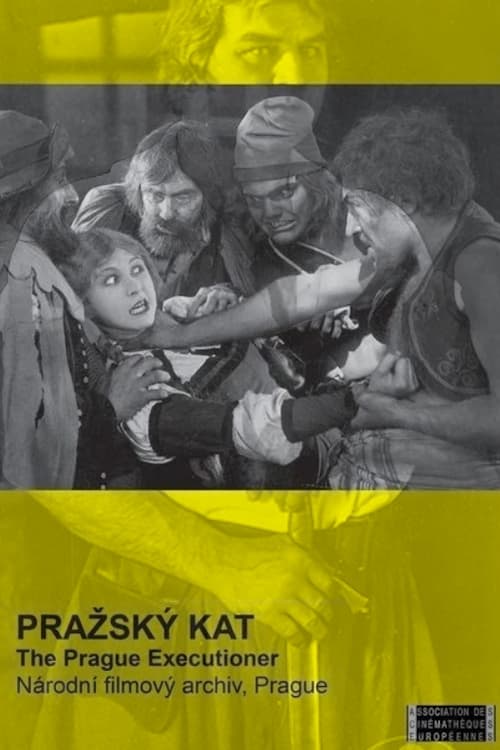
Rudolf Měšťák’s silent film The Prague Executioner, based on the novel of the same name by Josef Svátek, is a historical tale of love, betrayal and revenge.
The Prague Executioner
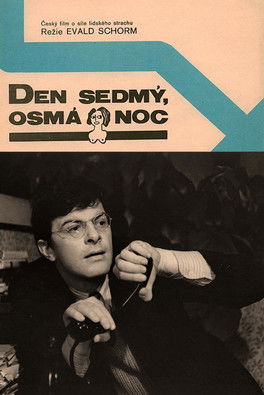
An allegory set in an archetypal Czech village, it tells the story of what happens when a series of mysterious events take place, including the disappearance of the station master. While everything has a rational explanation, collective paranoia takes over and everyone's worst instincts are unleashed. Interrogations, disenfranchisement, and the search for scapegoats ultimately lead to murder. The movie was completed in 1969, but it was banned and not released till 1990, Evald Schorm who died in 1988 never saw it completed.