José Iturbi
Acting
Biography
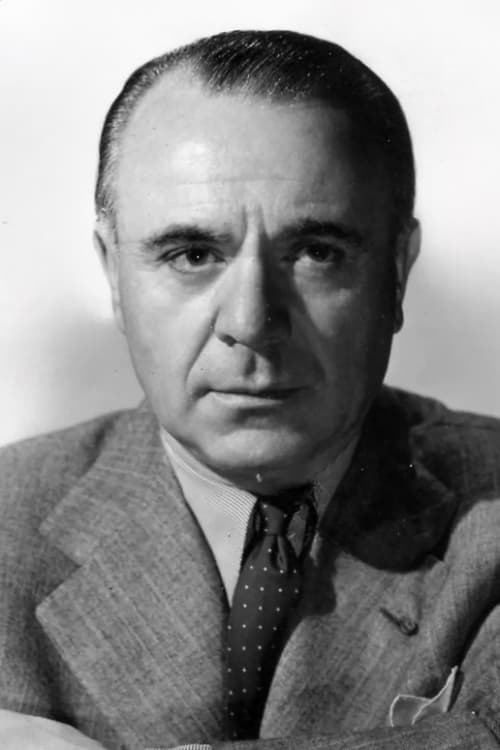
Temperamental, volatile Spanish-born pianist and conductor whose life and career were varied and often controversial. Born in Valencia, he was a child prodigy, giving piano recitals by the age of seven and supplementing the family income by playing for up to 14 hours daily at a silent cinema theatre. He was an honours graduate from the Conservatoire de Musique in Paris, and, by the age of 24, occupied Franz Liszt's former post as leader of the piano department of the Geneva Conservatory. In 1928, he made his London debut as a concert pianist and the following year played Beethoven's G Major Concerto to great critical and audience acclaim under Leopold Stokowski's direction in Philadelphia. Not content with his triumphs, he branched out into conducting from 1933, eventually fronting the Rochester Philharmonic and conducting his first opera in 1959. Iturbi enjoyed an almost pop star-like status (even converting 1950's bobby-soxers to classical music) and became the only classical artist of his day to win two gold records. In 1946, RCA-Victor paid Iturbi the record sum of $118,029 for six months royalties, primarily for his recording of Chopin's Polonaise in A-Flat (the record went on to sell 2 million copies by 1974). A speed freak, Iturbi used to ride his motor bike and assorted sports cars with reckless abandon. When they weren't fast enough, he would get aboard his own aircraft, 'El Turia'. By 1946 he had logged 1500 flying hours, frequently travelling across entire continents between recitals. He had several close shaves which earned him the sobriquet 'the flying fool'. Iturbi's fiery temper manifested itself when he walked off the stage during a performance in Cleveland, because audience members were too audible in their consumption of hot dogs and soda pop. Earlier, while conducting the Philadelphia Orchestra, he had thrown a chair across the stage in disgust at the disturbance caused by the late arrival of the mayor and his entourage. This earned him yet another nickname, 'Turbulent Iturbi'. There were many other such incidents. He refused to appear with Benny Goodman on the same radio show, ostensibly because he disagreed with the idea of mixing jazz and classical music. Later, he also brashly refused to perform with Rosemary Clooney on television. Ironically, Iturbi's screen career was spent playing not only classical but also popular music, from boogie-woogie to honky tonk. After being persuaded by producer Boris Pasternak to appear in musicals for MGM, Iturbi's adaptation to the new medium was effortless. Of course, in all of his screen roles he simply played himself. Films like Anchors Aweigh (1945) (in which he conducted a 100-piece band for the opening march) and Three Daring Daughters (1948), did, however, allow him a fair measure of self-expression. His sister Amparo Iturbi (1899-1969), who in earlier years had frequently accompanied him in duo piano recitals, appeared in three of his pictures, including That Midnight Kiss (1949). Iturbi was born November 28, 1895 in Valencia, Valencia, Spain, and he died June 28, 1980 (age 84) in Los Angeles, California, USA
Known For

“The Bell Telephone Hour” was a musical variety show that aired on “NBC” TV from 12 January 1959 to 14 June 1968 that showcased the best in Broadway, Classical, Concert, Jazz and Popular music each week. The series had its’ own house band appropriately named the “Bell Telephone Orchestra”. The show also had its’ own theme song being the “Bell Waltz” composed by “Donald Voorhees” who was also the show's Orchestra conductor. Some of the greatest violinists of the 1960’s performed on this show that aired in the old “Black & White” format. Some of these great violinists included “Erica Mornin”, “Isaac Stern", "Michael Rabin", "Ruggiero Ricci", "Yehudi Menuhin" and "Zino Francesacatti". From time to time some of the great singers and bandleaders of the 1960’s would perform on the show as well. Some of these were “Bing Crosby”, “Gordon MacRae”, “John Gary”, “Leslie Uggams”, “Mary Martin”, “Nelson Eddy”, “Patti Page” and “Roy Rogers”. The TV show followed on the heels of its’ predecessor with the same name on “NBC” radio that aired from 29 April 1940 to 1958 on Monday nights at 8 PM. The name of the show was derived from its’ Major sponsor “Bell Telephone Laboratories”. The TV version began airing on Friday nights at 8:30 PM once a month. It later was given it’s same time slot now airing every other week alternating with another show on the other weeks such as News shows and specials. The show time slot changed quite often over the years. In September 1960 it aired at 9 PM and in September 1961 it moved to 9:30 PM. In October 1963 it moved to Tuesday nights at 10 PM, September 1965 it moved to Sunday night at 6:30 PM and in September 1967 it made its' final move back to Friday night at 10 PM.
The Bell Telephone Hour
The Jimmy Durante Show is a 51-episode half-hour comedy/variety television program presented live on NBC from October 2, 1954 to June 23, 1956.
The Jimmy Durante Show

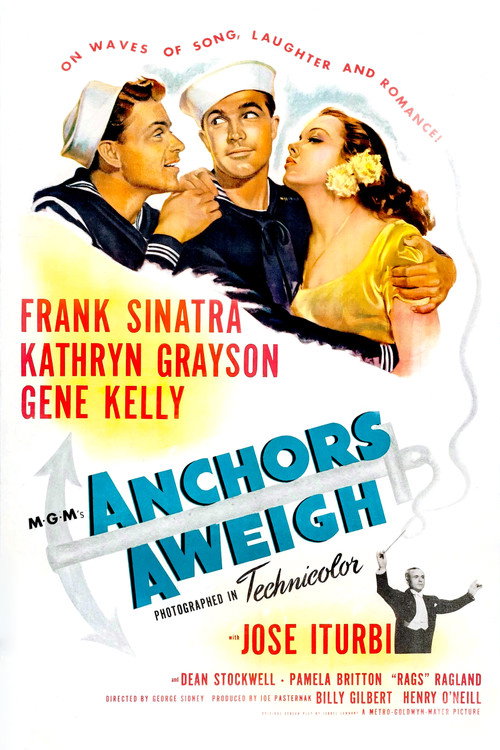
Two sailors on shore leave head out for four days of partying – only to become involved in the affairs of an aspiring singer and her precocious nephew.
Anchors Aweigh

This short celebrates the 20th anniversary of MGM. Segments are shown from several early hits, then from a number of 1944 releases.
Twenty Years After

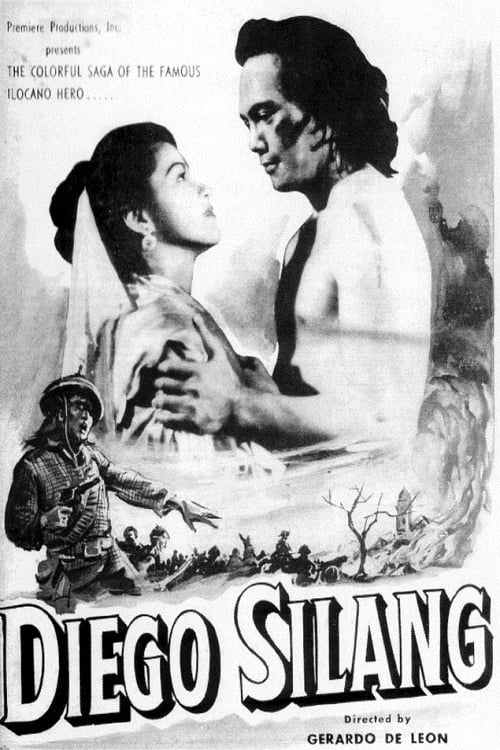
This movie captures the core and colorful saga of the famous Ilocano hero Diego Silang.
Diego Silang

Three young girls try to help their divorced mother find the right husband.
Three Daring Daughters

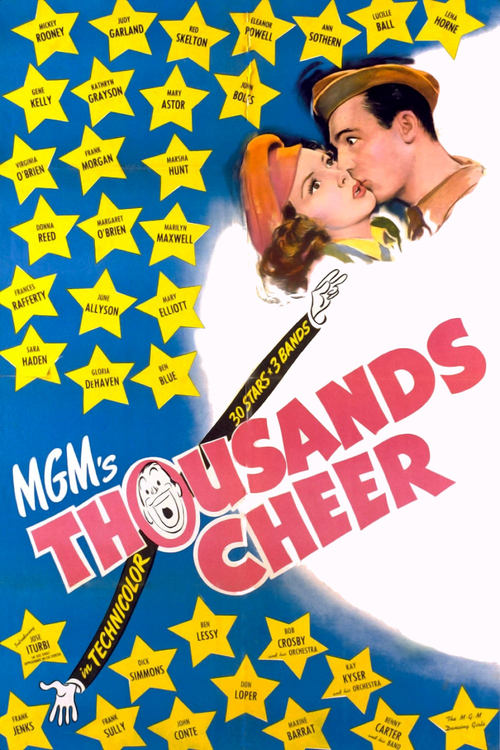
Acrobat Eddie Marsh is in the army now. His first act is to become friendly with Kathryn Jones, the colonel's pretty daughter. Their romance hits a few snags, including disapproval from her father. Eddie's also plagued by fear of having an accident during his family's trapeze act in the army variety show, which also features a gallery of MGM stars.
Thousands Cheer

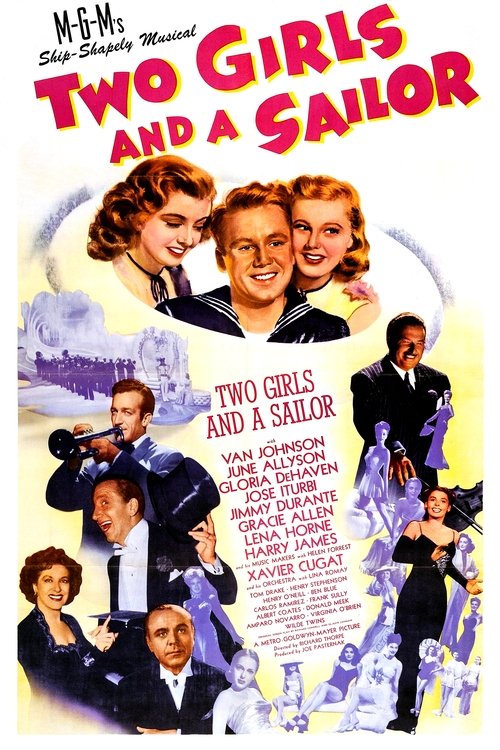
A sailor helps two sisters start up a service canteen. The sailor soon becomes taken with gorgeous sister Jean, unaware that her sibling Patsy is also in love with him.
Two Girls and a Sailor

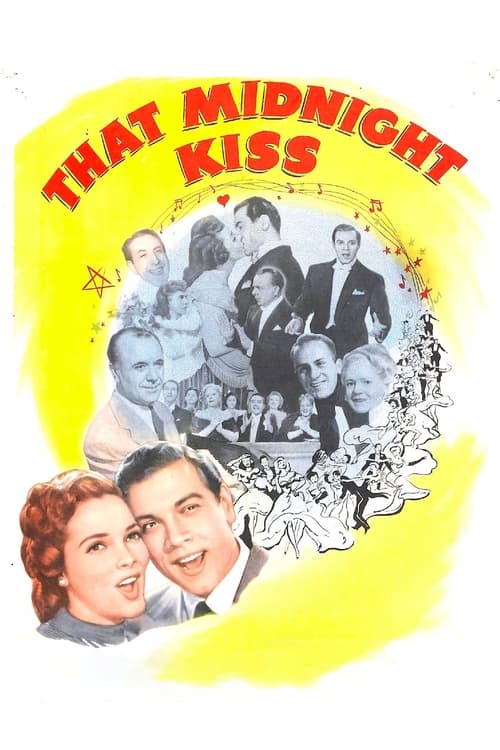
Opera singer Prudence Budell, overhears truck driver Johnny Donnetti singing opera, and persuades her opera company to give him a chance in her new opera. They fall in love, but on meeting his colleague Mary while visiting Johnny's work, Prudence becomes convinced Johnny is in love with her.
That Midnight Kiss

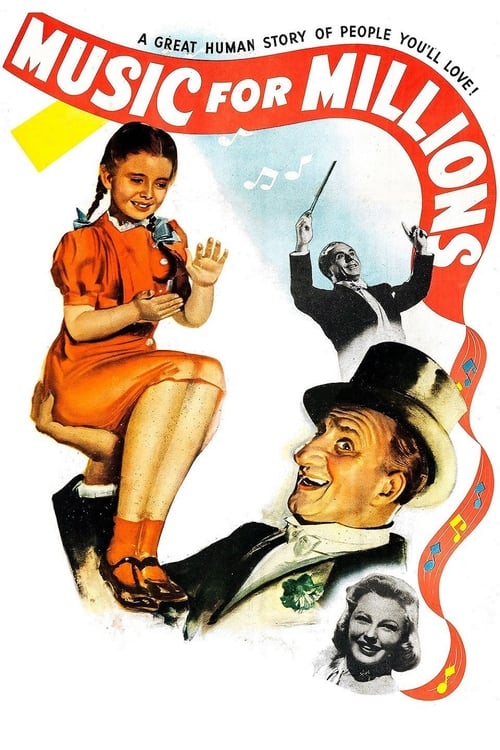
Six-year-old "Mike" goes to live with her pregnant older sister, Babs, who plays string bass in José Iturbi's orchestra. And the orchestra is rapidly turning completely female, what with the draft. As the orchestra travels around the country, Babs' fellow orchestra members intercept and hide her War Office telegram to protect the baby.
Music for Millions

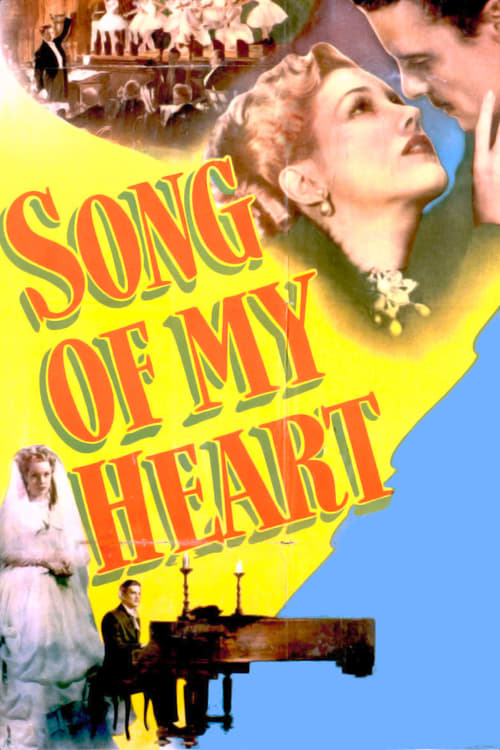
The portrait of Russian composer Peter Ilich Tchaikovsky focuses on his failed love affair.
Song of My Heart

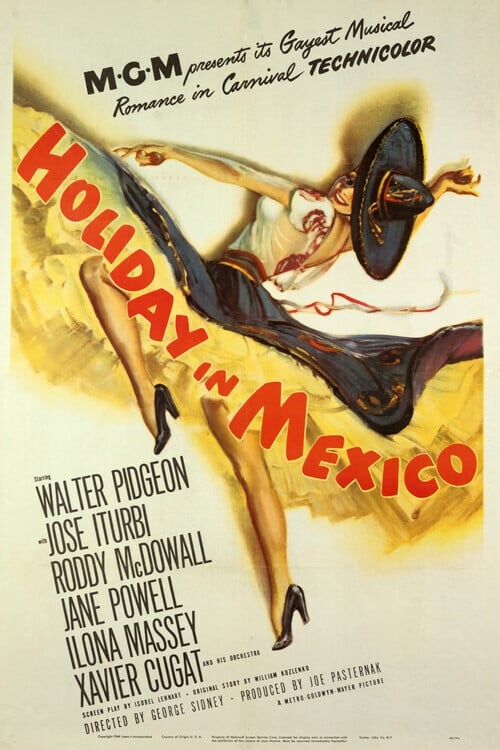
Christine Evans, the fifteen-year-old daughter of the widowed American ambassador to Mexico Jeffrey Evans, believes that she is no longer a young girl and that she has fully matured into adulthood. Eager to make her mark in the sophisticated world of foreign diplomats living in Mexico, Christine appoints herself as organizer of her father's social activities and takes over the planning of a big garden party he will be hosting. Because he loves his daughter,
Holiday in Mexico

Using clips from several unidentified films of the preceding decade, featuring many well-known stars of the day, this short demonstrates that an endless variety of music to entertain all tastes can be heard when you go to the movies. Preserved by the Academy Film Archive in 2012.