Directing
Television series Golden Sixties examines new insights into Czech and Slovak cinema of the 1960s and the role of the Czechoslovak New Wave. Each episode focuses on a different filmmaker.
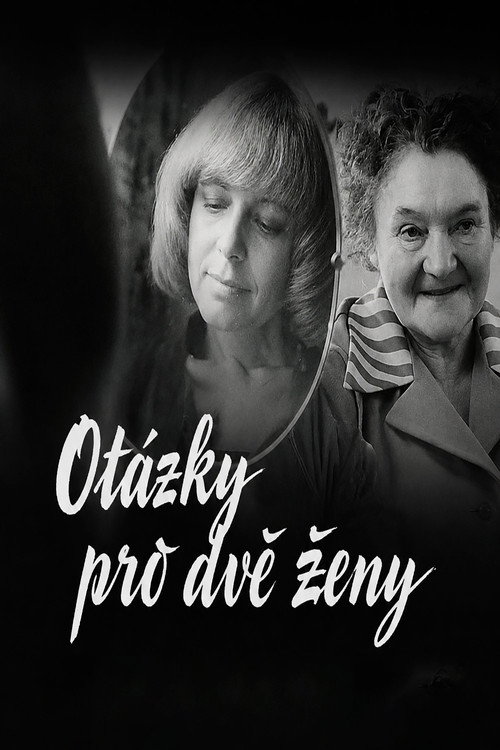
Film director Drahomíra Vihanová is preparing some interviews with two women. The women are at first sight opposites, but in reality they have much in common. Through the interviews the film director hopes to get a deeper understanding of herself as well. What unite all three of them is creativity, what creativity means for women, and how they combine their creative projects with their daily life.
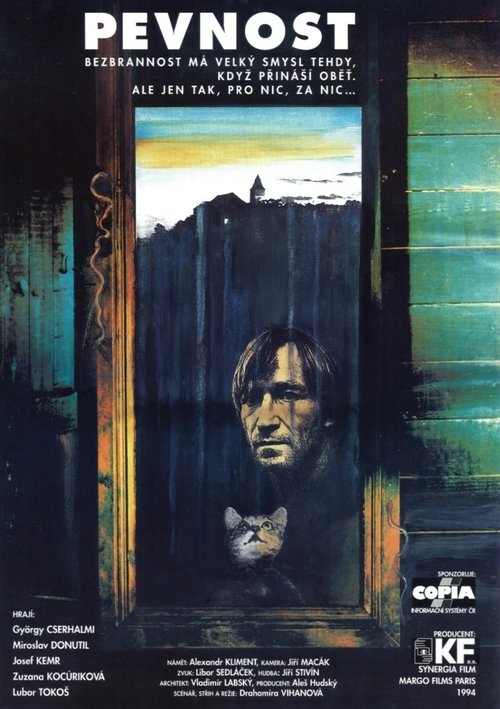
Set in the late 80s in a quiet, rural village headed by a suspicious, conspiring group of nasty leaders. Ewald has arrived there to measure water levels. Surrounding the fortress near the village are soldiers.
Eight tunnellers, led by Mikulás Litvák, go down with the lift for a new shift in the underground, close to the Máj department store. Each day they build a new meter on the B1 line of the Metro. In 14 years of work they have made 7 km of corridors and tunnels. The work is hard and sometimes dangerous. But they are a tight group, which trust each other's skilfulness.
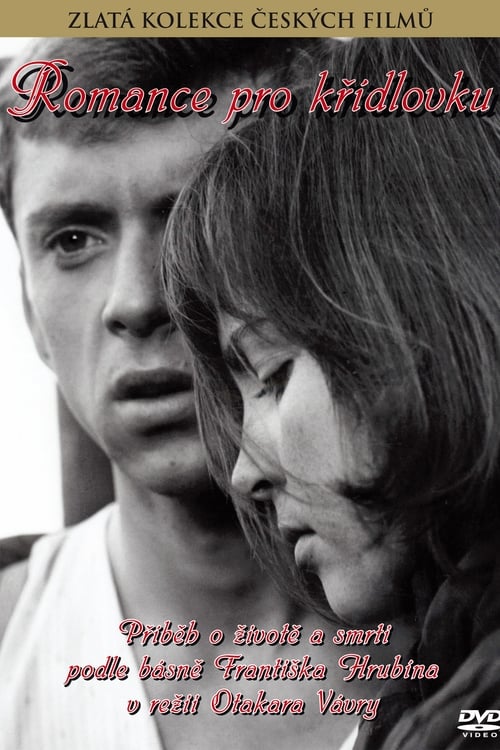
A lyrical story about first love, death and disappointment, based on a poem of the same title.
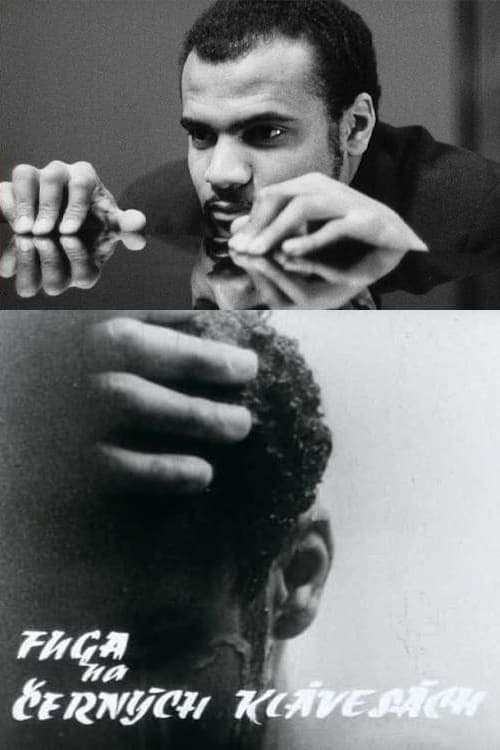
Fati Farari, a black man from Africa, is completing his studies in classical piano at the Music Academy of Prague. It's the day before his first solo concert, where he is going to play Bach. While he strolls around the city he is thinking, not so much about the concert as about himself, both as a lonely foreigner and as a human being in cosmos. Here and there he encounters some racist comments, but mostly he just feels the weight of social exclusion because of his otherness, especially when it comes to women. On the morning of the day for his concert the embassy informs him that his whole family has perished. He feels totally broken, although he thinks that everyone holds some pain inside. His piano teacher, a professor at the Academy, looks him up, and tells him that he heard what has happened. The professor advises him to communicate his feelings that evening by using his Bach.
The story of an ethnic German living in the Czech border region of the Orlik mountains in Eastern Bohemia. His life story, recounted in film with humility, faith, and love, becomes a personal view of the history of the 20th century.
A day in the life of Arnošt, a soldier staying in Josefov. A sense of desperation permeates the environment as well as the mind of the protagonist. It is sunday, and saturday left just a hangover. Days go by, nothing changes. A metaphor for the political situation in the Czech lands at a time where depicting a soldier as a drunk was considered out of place to say the least.
Petr studies law in Prague, Jakub studies philosophy there. They are the best of friends until their holiday trip to Slovakia is crossed by a Romani young man named Imro. Imro is in love with Eržika, who is guilty of breaking an ancient tradition by breaking her vow of loyalty. The vow is the law. In a fit of jealousy, Imro kills his beloved. Two punishments await him. One from the majority "white" society, the other from his own Roma community. Petr and Jakub watch Imro's tragic fate from close proximity and their views on the matter of justice and punishment begin to diverge diametrically. The academic controversy eventually escalates into a fundamental conflict of life attitudes that almost destroys their friendship. Whose side is the truth on?
No description available.
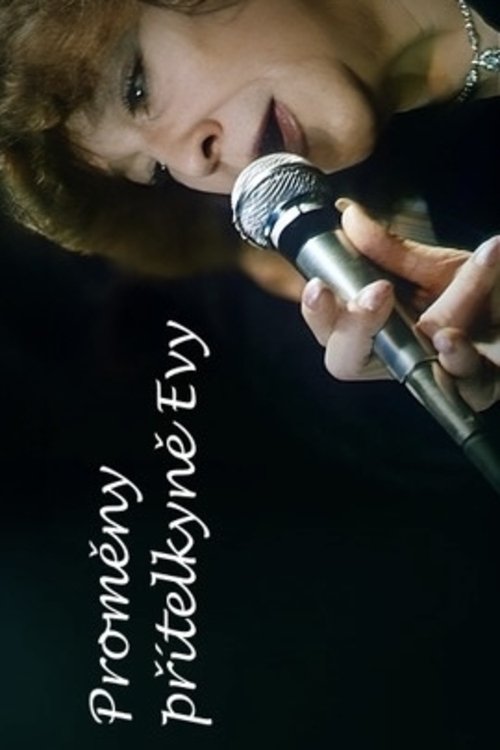
In addition to the so-called collective portraits, Drahomíra Vihanová also captures distinctive individuals - for example, she made films about the director František Vláčil or the piano virtuoso František Rauch. This series also includes a portrait of the singer Eva Olmerová, The Changes of Eva's Friend. This film met with a very contradictory audience response after its completion. Here the director attempted to capture the form of a human being, the ups and downs of an undoubtedly brilliant singer. The empathetic viewer will soon understand that this film is like life itself: it is harsh, loving, there is an irritating volatility, a restlessness of the soul, reconciliation, compassion, humility and passion. And this applies not only to the filmed Eva Olmera, but also to the director Vihan.
Documentary filmmaker Drahomíra Vihanová made a documentary Searching during the filming of František Vláčil's Concert at the End of Summer. The film was made between 1978 and 1979. Rather than a reportage, the film is an observation of the director's work. It alternates between black-and-white sequences with diegetic sound depicting the making of the film and colour sections that are silent or contain non-diegetic music, with František Vláčil at the centre of them, thinking and searching for inspiration and the ideal form for his film.
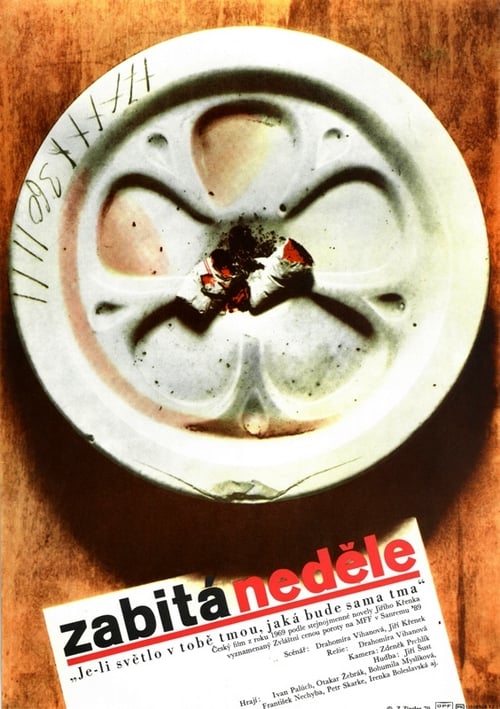
An intimate portrait of a director who devoted her life to film and was willing to sacrifice three marriages and motherhood to her creative passion. Drahomíra Vihanová, like a determined shaman of images, confesses her beliefs, from her initial condemnation by the regime for Zabitá neděle (Slaughtered Sunday, 1969) to the public execution of Zprávy o putování studentů Petra a Jakuba (News of the Wanderings of Students Petr and Jakub, 2002). This existential essay oscillates between contradictions and paradoxes, between documentary and feature film, between invocation, oblivion, and cats.
Last Of The Clan follows the efforts of a man who as one of the last in 70' Czechoslovakia uses horses for timber harvesting.
Starting out from pianist Frantisekk Rauch's interpretation of the Fifth Concerto for piano and orchestra, Drahomíra Vihanová unveils the artist's mysterious character and acquaints us with his immense mastery of his art. She films the different stages of interpretation — reflection, preparation, execution — in order to focus on the process of artistic research and creation.
A nuclear reactor and a factory canteen, the jargon of engineers, and the earthy language of cooks. In her film-survey, the sensitive observer Vihanová observes two contrasting worlds that meet at the Dukovany nuclear power plant during a hydrostatic test on Unit II of the EDU. Science and life are permeated by Badinerie, from Bach’s Orchestral Suite in B minor. Art gives both worlds greatness.