Ivan Chuvelyov
Acting
Known For

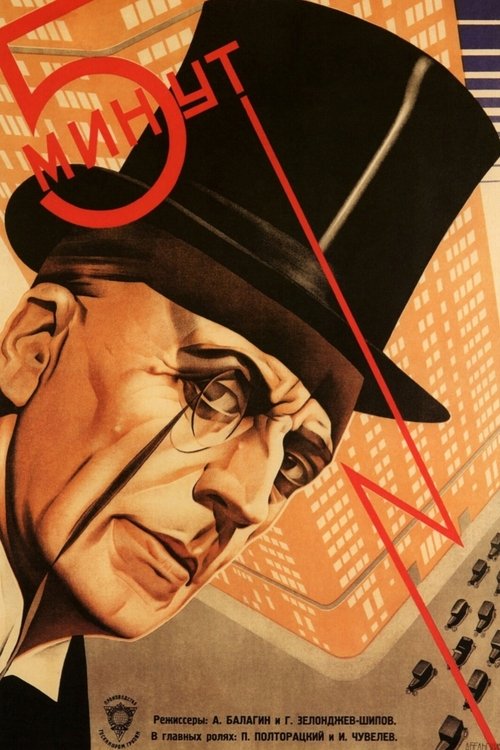
Shortly before the outbreak of WWI, a peasant from rural Russia arrives in St. Petersburg to find work.
The End of St. Petersburg

A young man travels to Mars in a rocket ship, where he leads a popular uprising against the ruling group with the support of Queen Aelita, who has fallen in love with him after watching him through a telescope.
Aelita: Queen of Mars

Widely claimed to be Joseph Stalin's favorite movie, this classic musical comedy is a must-see. The action takes place on a steamboat on the iconic Volga River, as two groups of performers travel to Moscow to perform in the Moscow Musical Olympiad.
Volga - Volga

Second entry in Ukrainian director Mark Donskoy's "Maxim Gorki" trilogy. Picking up where 1938's My Childhood left off, the story covers the years in Gorki's life when the future writer (Alexei Lyarsky) was on his own, looking for a purpose and place in life.
My Apprenticeship

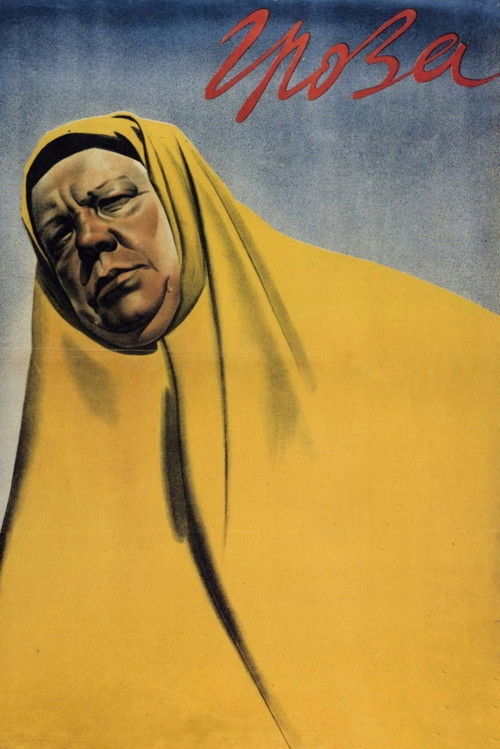
The cinematic adaptation of "The Storm" play by Aleksandr Ostrovsky. In a provincial town on the Volga River, the young and sensitive Katerina marries Tikhon, a violent drunkard, and thus enters the crude milieu of greedy salesmen, the "dark kingdom". Her mother-in-law, Kabanikha, rules the family with an iron fist and endlessly harasses Katerina. One day, when Tikhon is away, she meets Boris, a man who embodies everything Katerina is longing for.
Thunderstorm

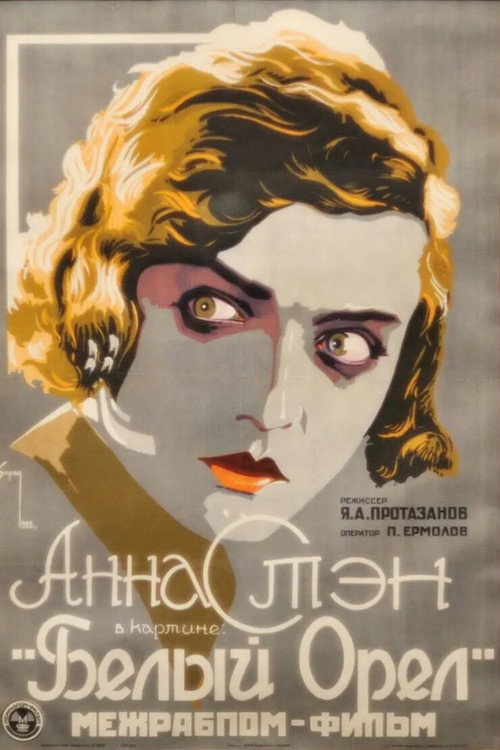
The film is based on The Governor, a play by Leonid Andreyev. V.I. Kachalov plays the governor of a small Russian province who tries to treat the people under his authority with kindness and equanimity. But when a local factory goes on strike, the governor buckles under to pressure from the Tzar and orders the wholesale slaughter of the strikers. He pays for this betrayal of his trust with his life -- at the hands of a courageous Bolshevik spy.
The White Eagle

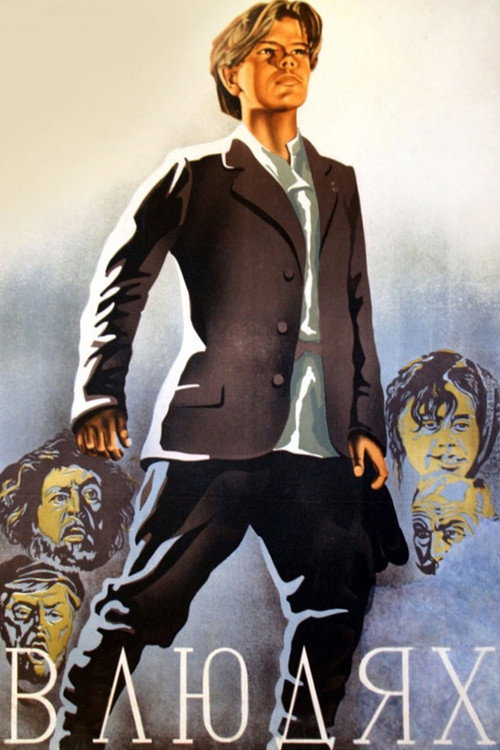
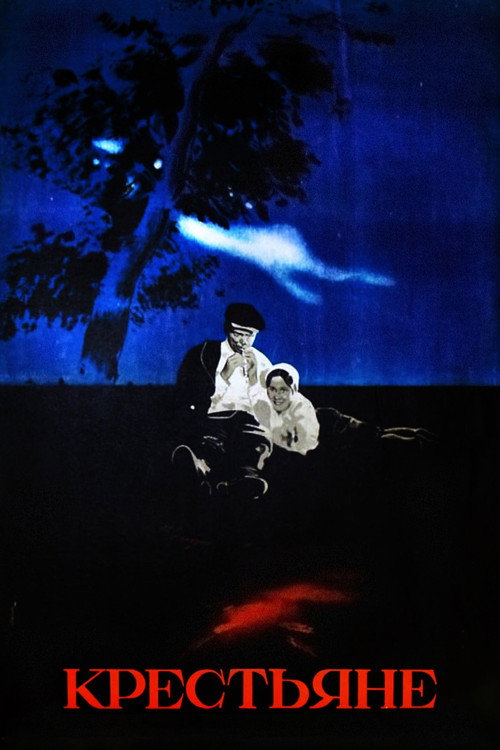
The peaceful life of an exemplary collective farm is being rent asunder by shortages and dissent, and a commissar is sent to uncover the source of the problems, unaware that their is actual sabotage involved.
Peasants

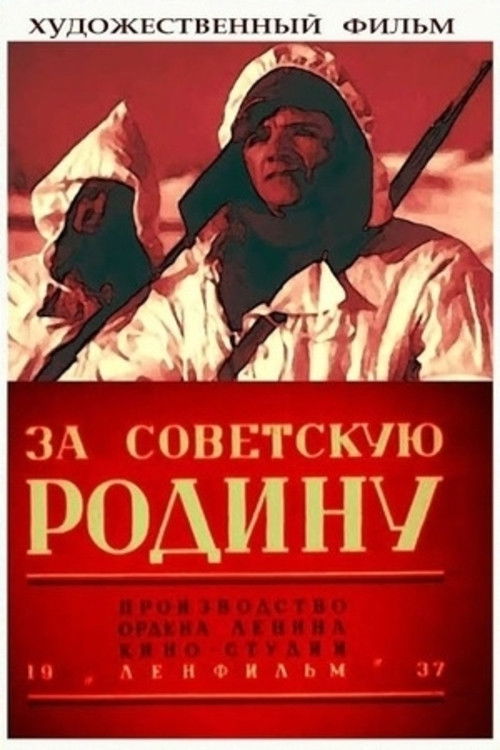
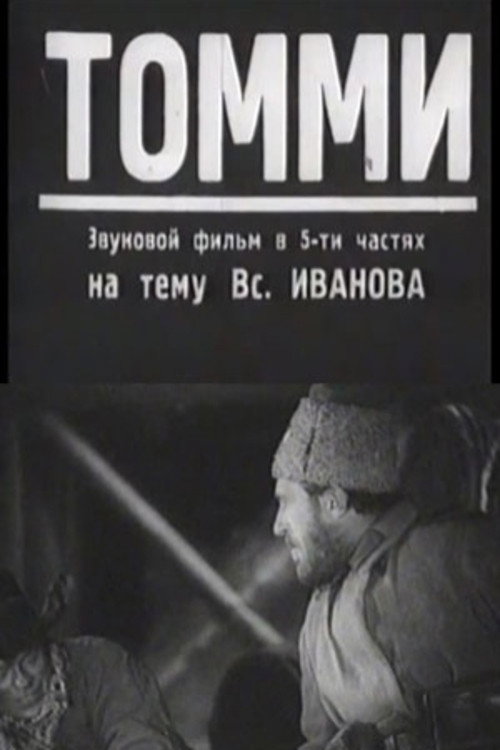
The film takes place in 1921 on the Soviet-Finnish border. Shyutskorov detachments broke into Karelia, killed Soviet activists, burned houses ... In the rear of the enemy with a special task - to destroy the headquarters of the White Finns on the Kimas Lake - a detachment of Soviet cadets under the command of Toivo Antikainen (Oleg Zhakov) was sent.
For the Soviet Motherland

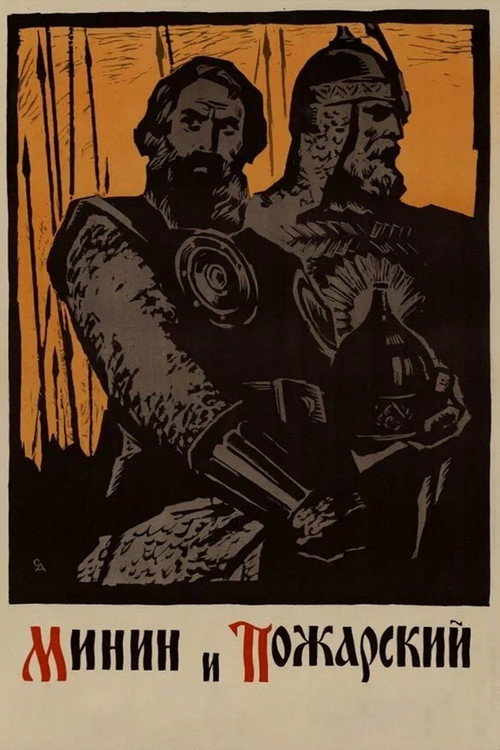
Historical film about the invasion of the Poles in the Moscow Empire (1611), the creation of Minin and Pozharsky people's militia. The beginning of the XVII century. Already the sixth year the Muscovite land under the yoke of intervention. In the fall of 1610 Polish pans in deceitfully seized the Kremlin and tried to break through to the north. Everywhere rebellions broke out, but well-armed interventionists smashed the scattered peasant detachments. The liberation movement was led by Nizhny Novgorod merchant Kuzma and Prince Dmitry Pozharsky.
Minin and Pozharsky

Not being able to implement his invention in his home country, engineer Arrowsmith, the author of the patent for ore flotation, goes to the USSR to work at one of the flotation plants, where he soon learns that a group of Soviet engineers is conducting similar work.
The Four Visits of Samuel Wolfe
Directed by Hans Richter.
Metall

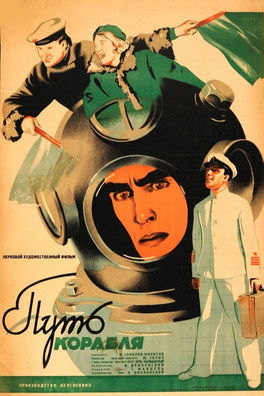
The Soviet motor ship "Albanov", running into a submarine rock, crashes in North sea. Passengers and command on boats head for off-shore rocks and find temporal shelter. Getting a signal about the calamity of motor ship, detachment of divers-rescuers at the head with the chief of party - commissar Petrov - begin works on getting up "Albanov".
Way of the Ship

The movie's opening sequence takes place in 1921, towards the end of Russia's civil war, as the Red Army are vanquishing the last Menshevik forces of the White Guard along the western frontier.
The Red Village

Film adaptation of The Golovlyov Family ("Господа Головлёвы), a classic novel by Mikhail Saltykov-Shchedrin. In the mid-19th century old-fashioned estate based on serfdom laws and traditions, tough and shrewd Arina Petrovna tries her best to make her realm prosper and even expand – despite unwillingness of her husband and three of her four children to lend helping hands... Ten years on, serfdom abolished, and now Porfiry-Yudishka, the epitome of a corrupt, cruel hypocrite, becomes the heir to the estate. Dullness and horrors of life, spent in destroying everybody around him, finally makes him to slowly realize things went somehow wrong. Half-mad, apparently, he goes to the cemetery to "ask for forgiveness" from his mother Arina Petrovna, and dies somewhere along his way, his frozen corpse found the next day.
Yudishka Golovlyov

Soviet courtroom drama directed by Efim Dzigan.
The Trial Should Continue
The story of a British POW who converts to communism.
Siberian Patrol

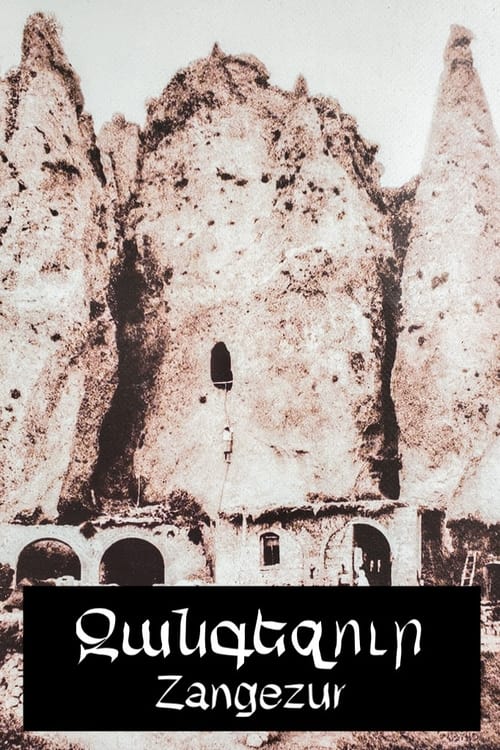
The film is about the civil war in the Zangezur (Syunik) province of Armenia in the early 1920s. The last Dashnak battalions headed by Sparapet Nzhdeh still opposed both the incursion of Red Army and the local Bolshevik partisans.
Zangezur

Jacob, a farmer, returns from the war to his wife Marie and begs the landlord baron for a plot of land to rent. The Baron grants the request, but only for a barren, rocky, useless acreage. The pair struggle to make do on this land, but then the Baron demands that Maria leave her husband to serve as wet nurse to his married daughter Anya's new baby, on threat of eviction. While nursing the daughter's baby, Maria receives unwelcome attentions from the daughter's husband, and a scandal erupts, ruining Maria in her husband's eyes. When she escapes from her employers and seeks to return home, the police give her the yellow passport signifying a prostitute, further degrading her. She approaches home, unsure of the reception that awaits her.
The Yellow Ticket
Story of the conflict between old art forms such as ballet and the revolution and the need for creating new, proletarian forms of art. First feature by Sergey and Georgiy Vasiliyev, partially lost.
Sleeping Beauty

Russian Empire, 19th century. Poor Nykanor leaves his village and becomes a miner in the Donbas. His son Ostap also becomes a miner and works in the mine for thirty years, but after his father's sudden dismissal, he realizes that the state system needs radical changes.