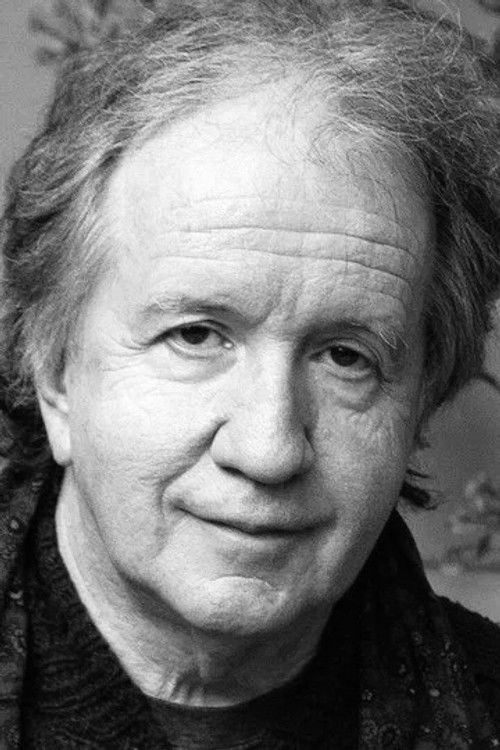
André Gagnon
Sound
Biography
André Gagnon (2 August 1936 – 3 December 2020) was a Canadian pianist, composer, conductor, arranger, and actor, known for his fusion of classical and pop styles, including compositions Neiges, Smash, Chevauchée, Surprise, Donna, and Mouvements in the disco and pop fields. Gagnon also composed for television, including La Souris Verte, Vivre en ce Pays, Format 60, Format 30,Techno-Flash, and Les Forges de Saint-Maurice as well as for theatre with such productions as La Poudre aux Yeux, Doña Rosita, Terre d'Aube, La Dame de Chez Maxim's, and Wouf-Wouf. Some of his most notable songs are "Pour les Amants", "Turluteries", and "Mes Quatre Saisons". Gagnon was born in Saint-Pacôme, Quebec, Canada. The youngest of nineteen children, Gagnon began composing at the age of six and according to the Canadian Encyclopedia, "He took theory lessons with Léon Destroismaisons in Ste. Anne-de-la-Pocatière from 1952-53 and studied at the Conservatoire de musique à Montréal with Germaine Malépart (piano), Clermont Pépin (composition), and Gilberte Martin (solfège) from 1957 to 1961." According to Gagnon's official website, "In 1974, André Gagnon released Saga, his first album, composed solely of original instrumental pieces". In 1975, the album Neiges stayed on the American Billboard's Top 10 for twenty-four weeks and sold 700,000 copies worldwide. In May 1976, Gagnon did four concerts in Mexico and in September of the same year, Neiges was released in New York under the title Driven Snow. In 1977, Neiges won a Juno award for the most purchased album in Canada while Gagnon's album Le Saint-Laurent rapidly reached 100,000 sold copies. In 1978, André Gagnon was made an officer of the Order of Canada. In the fall of 1979, Gagnon received his first Félix, an award created by the Quebecois music industry in the instrumental category for the album Le Saint-Laurent. He also began to add film scores to his repertoire, among them the soundtracks to Running (1979), the John Huston film Phobia (1980), and The Hot Touch (1981), directed by Roger Vadim. Gagnon went on world tour in 1981 to the United States, Venezuela, Mexico, Greece, and Romania. During this year, he also composed original music for the film Tell Me That You Love Me, a production of Astral Films. In October, he recorded Impressions in the famous Abbey Road studio. In February 1990, the opera Nelligan was released, for which Gagnon wrote the music. The opera was presented first at the Grand Theatre of Quebec and then the Place of the Arts of Montreal and finally at the National Centre of the Arts of Ottawa. Following the opera's Canadian release was the release of the studio-recorded double album, Nelligan. In January 1992, Gagnon composed the music for the film The Pianist. In 1999, the album Juliette Pomerleau was released. In 2011, the album Les chemins ombragés was certified a gold album having sold 40,000 copies. Gagnon also composed music for many artists, such as Diane Dufresne (Le 304), Renée Claude (Je suis une femme d'aujourd'hui, Ballade pour mes vieux jours) and Nicole Martin (Mannequin). Gagnon died on 3 December 2020, at age 84. He had suffered from Lewy body disease. Source: Article "André Gagnon" from Wikipedia in English, licensed under CC-BY-SA 3.0.
Known For

No description available.
Champs-Elysées

A talk show presented by Michel Drucker
Les Rendez-vous du dimanche
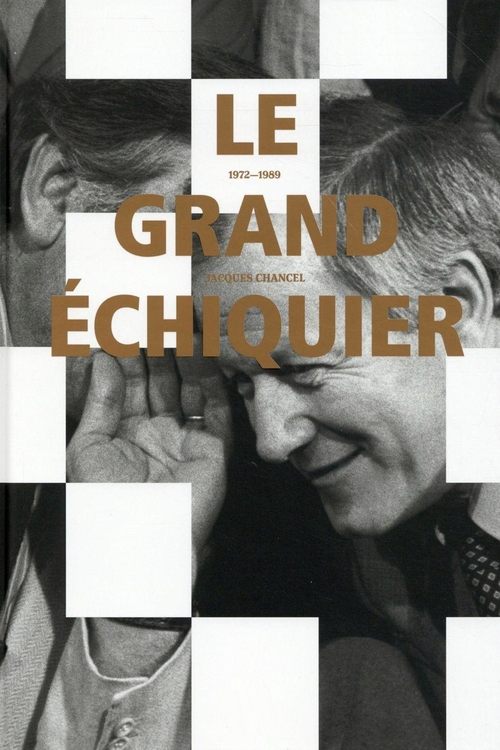
Le Grand Échiquier is a French variety television program created and presented by Jacques Chancel. It aired at 8:30 pm on the first channel of the ORTF from January 12, 1972 to July 12, 1972, then on the second color channel of the ORTF from September 1972 to December 1974, and finally on Antenne 2 from January 1975 to December 21, 1989. The program returned to France 2 on December 20, 2018 and is hosted by Anne-Sophie Lapix.
Le Grand Échiquier
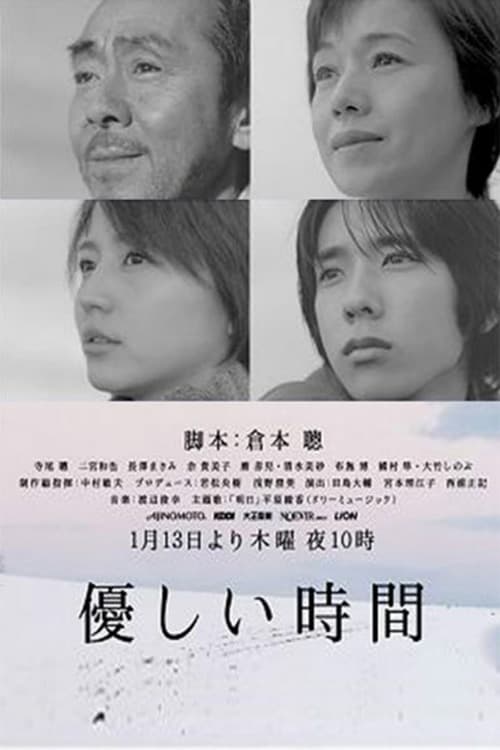
This is the story about one small coffee shop located in the northern island of Hokkaido. Yukichi Wakui used to work as a successful businessman at a prestigious trading firm. He worked for several years in New York as well as other cities around the world. When his wife Megumi died at the age of 47 in a car accident three years ago, he decided to leave the company. He was only 57. When Megumi died in the accident, her 18-year-old son Takuro was at the wheel. Yukichi declined an offer to switch to an affiliate company after his retirement, and moved to Megumi's hometown Furano, Hokkaido instead. There he started a small coffee shop named "The Forest Clock."
Affectionate Time
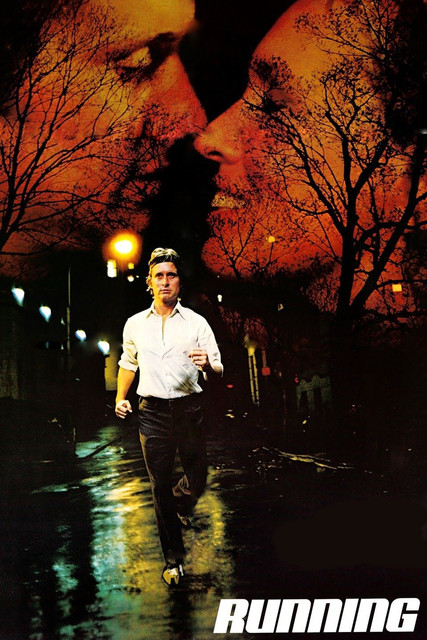
An Olympic hopeful marathon runner hopes his success will be the answer to his marriage woes and other personal problems.
Running
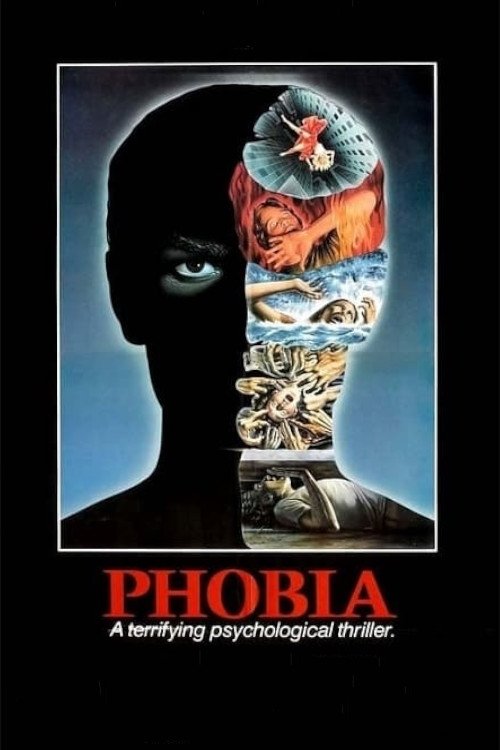
A psychiatrist involved in a radical new therapy comes under suspicion when his patients are murdered, each according to their individual phobias.
Phobia

The young daughter of Keizo Tsujiguchi, a respected physician who runs his own hospital, is found murdered. Keizo secretly blames his wife Natsue because he suspects her of having an affair with his colleague Murai, and having been too distracted to keep proper watch over the child. Being a proud man, he does not accuse her directly, but concocts, instead, a twisted revenge against her. Pretending it is to comfort his devastated wife, Keizo arranges for them to adopt a baby girl. What he hasn't told Natsue, is that the baby is the orphaned daughter of the murderer, a tragic day-laborer who has hanged himself while in police custody. He plans to reveal the child's origins after Natsue has given her heart to the child-- when it will cause the greatest possible hurt.
Freezing Point
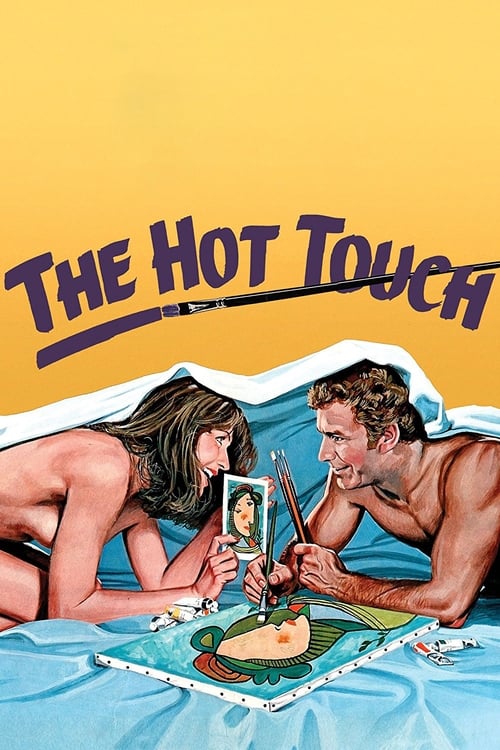
A master art forger and his partner in crime, an art expert who can vouch for the authenticity of the forgeries, are making a bundle. An art dealer figures out their scheme but agrees to keep quiet if they forge some art lost in WWII.
The Hot Touch

Jean and her sister, played by Macha Grenon, have a life long infatuation with the Japanese Pianist who once lived across the street from them during their high school years. The film is set during the family's reunion on Vancouver Island and flashes back and forth over the last 10 years. By coincidence, Yoshi who is now a world famous Pianist is giving a concert in Vancouver and Amy is anxious to see him again but her sister curiously is not at all interested. The girls explore old passions, stalking, sibling rivalry and wrong life choice based on the fantasies of their youth.
The Pianist
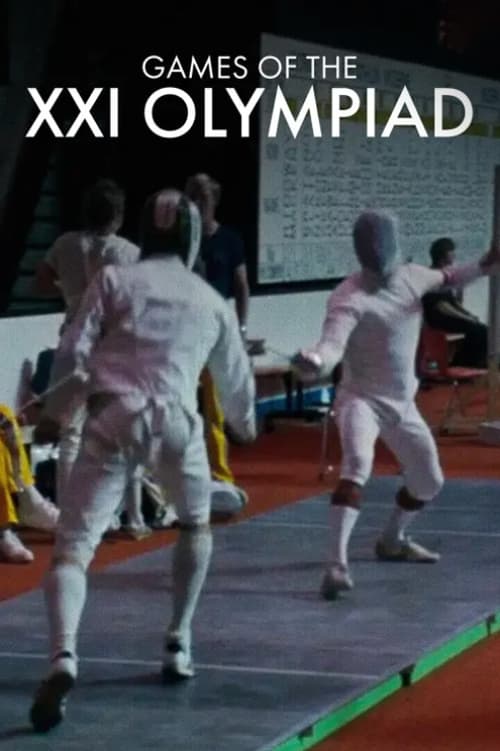
Edited from almost 100 km of film footage shot during the Games, this feature documentary is a breathtaking portrait of the 1976 Montreal Olympics. Much more than a simple record of the Games, the film approaches each event with the intention of revealing the athlete - whether winner or loser - as a unique individual.
Games of the XXI Olympiad
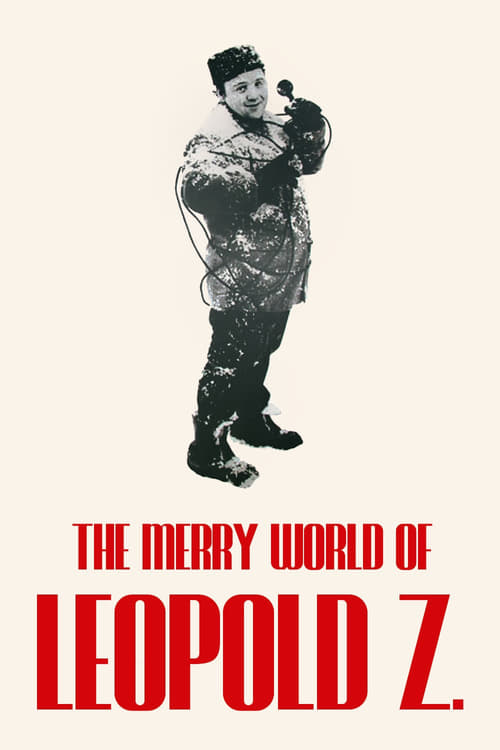
A worker, called in a hurry to remove the snow in the city street, try to buy his remaining gifts in the tumult of Christmas eve without quitting his work.
The Merry World of Leopold Z
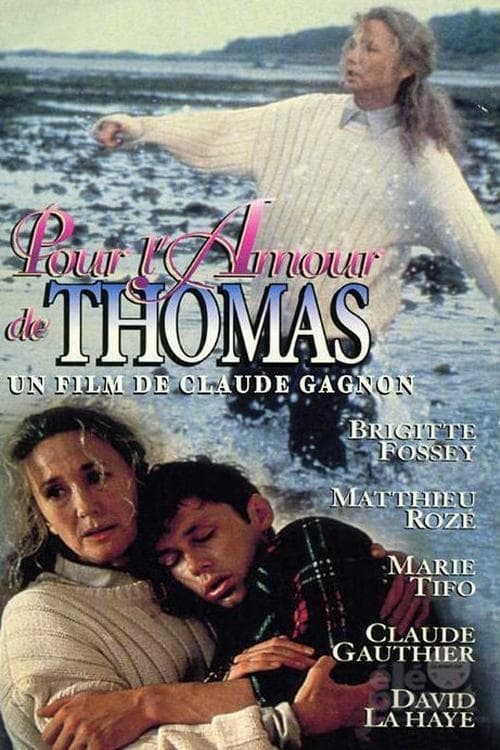
A young HIV-positive man returns to his birthplace in Québec and tries to live life as fully as possible, rejecting self-pity and alienating his over-protective mother.
Pour l'amour de Thomas
In 1945, Great Britain and the United States organized a bombing raid that devastated the ancient city of Dresden. This short documentary returns exactly 40 years after its destruction and celebrates its renaissance with the re-opening of one of the most beautiful opera houses in Europe. One guest at this gala was the Canadian navigator of one of the bomber planes, returning to Dresden on a mission of peace that brought him face-to-face with the people who were once his enemies.
Return to Dresden
This short documentary revisits the 1976 Olympic Marathon. A modern-day addition to the Games, the marathon commemorates the soldier who ran cross-country, in 490 B.C., to announce the Greek victory at Marathon and then died. Here, great film footage of the 1976 Summer Olympics captures the physical demands of the race, while its emotional counterpart is related by Waldemar Cierpinski, the event’s 1976 gold medalist. This emotion-charged film proves that although the winner of the Decathlon is the best all-round athlete, the “toughest” is the winner of the Marathon
26 Times in a Row
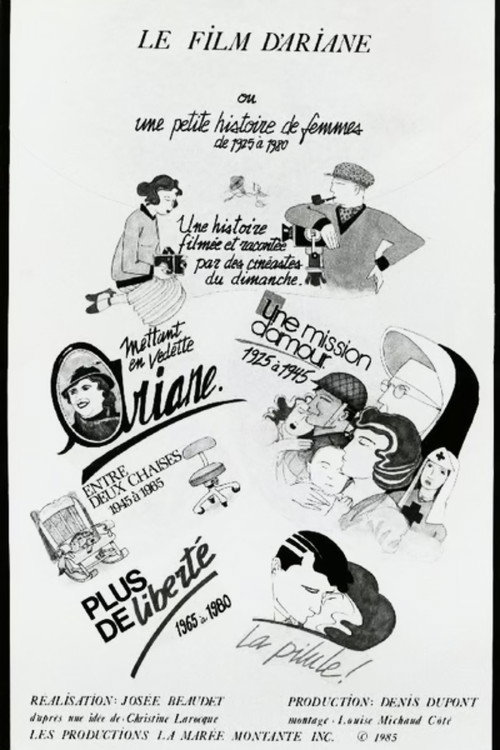
"At 75, Ariane retraces the thread of her life. Through her story and thanks to a meticulous and subtle montage of thousands of pieces of film shot by amateurs between 1925 and 1980, this film weaves the entire history of women in Quebec, from the era of land clearing to modern feminism." -- Cinémathèque québécoise